 Cáo Studio
Home › Blog › Ao Dai Photoshoot
Áo Dài History for Travelers: What to Know Before Your Shoot
By the Cáo Studio team · Hanoi & Saigon · 2026-11-02
The áo dài emerged in 18th-century Vietnam during the Trần dynasty, blending Chinese influences with Vietnamese tailoring into a floor-length tunic paired with high-waisted trousers. Travelers booking áo dài photoshoots with Cáo Studio choose between traditional court styles, mid-20th-century modern cuts, and contemporary interpretations—each suited to different historical eras and personal aesthetics. A typical session runs 2–3 hours and includes styling, hair, makeup, and professional photography in Hanoi or Saigon. Costs depend on package choice (ao dai solo sessions, couple shoots, or concept work). Most guests avoid heavily embellished pieces for movement-heavy shoots and opt for fitted silhouettes that photograph well on camera. Booking through vietnamphotoshoot.com lets you reserve your preferred style and location in advance. Chat with us on WhatsApp
What Does Áo Dài History Tell Us About Which Style to Wear?
The áo dài transformed across three centuries. In the 1700s, royal courts wore ankle-length versions with high necklines and minimal embroidery. By the 1950s–1960s, the silhouette tightened: narrower sleeves, longer front panels, and bold colors—this became the post-independence "modern áo dài" seen in photographs from Saigon's golden era. Today's travelers often choose between these two historical periods when planning shoots. We've noticed guests in formal court-style áo dài want marble temples and symmetrical framing, while those picking 1960s cuts prefer movement shots—walking through markets, standing in doorways. The version you select shapes not just your look but what locations and poses actually work.
Why Do Different Regions of Vietnam Favor Different Áo Dài Cuts?
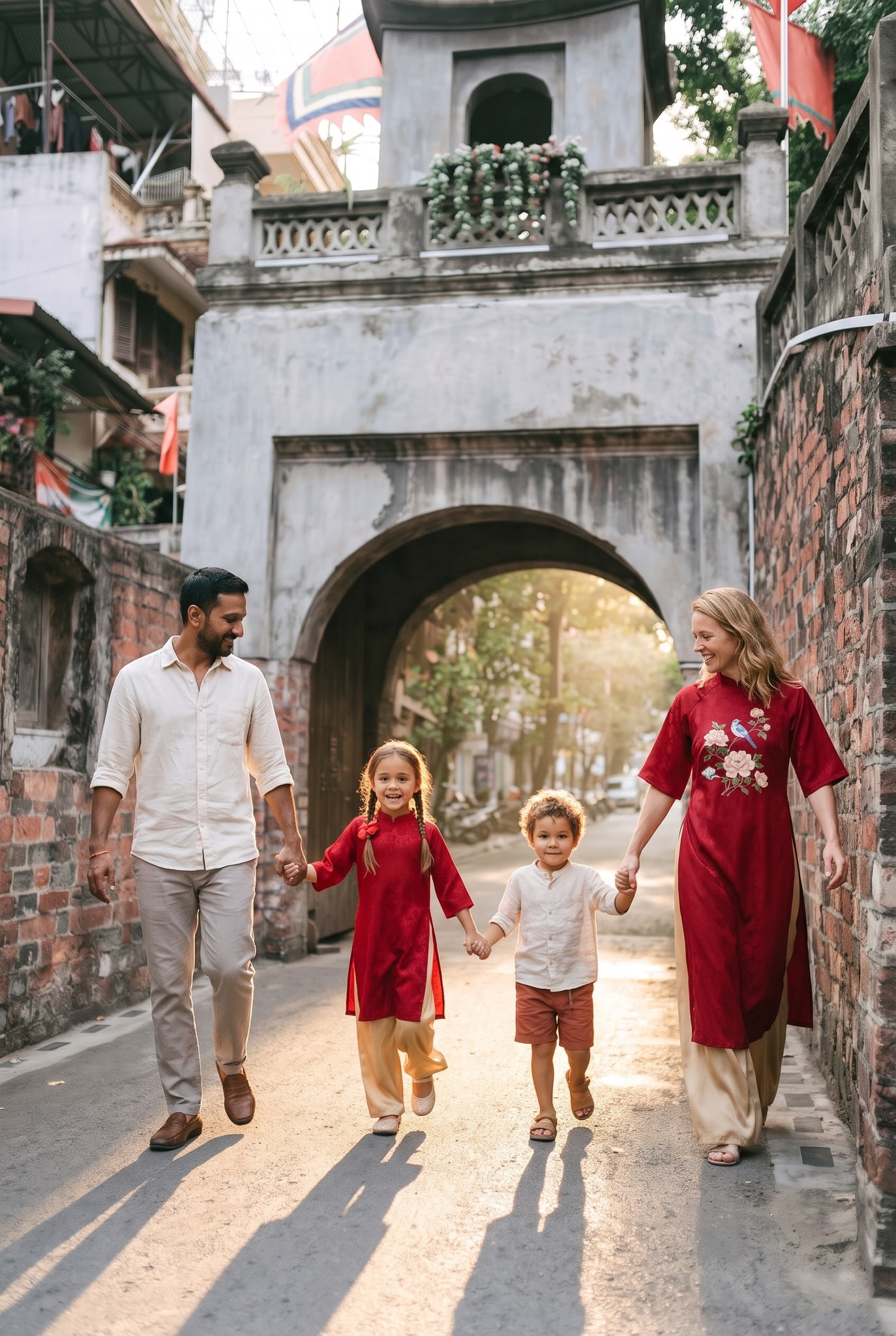
Northern áo dài (Hanoi area) traditionally lean toward conservative, high-necked cuts with subtle side slits—reflecting cooler climates and court dress codes that lasted longer in the Red River Delta. Southern áo dài (Saigon and Mekong Delta) adopted wider slits, lower necklines, and brighter silk colors after independence. When we're prepping guests in our Hanoi studio versus our Saigon location, tailors pull different reference photos. A traveler shooting in Hanoi often gravitates toward jewel tones and long sleeves; one in Ho Chi Minh City leans toward pastels and shorter sleeves. This isn't random—regional history shaped what feels "right" to locals and what photographs authentically in each place. If you're unsure, tell us your shoot location during booking, and our stylists will guide you toward the regional style that belongs there.
Book an áo dài photoshoot in Hanoi | Book an áo dài photoshoot in Saigon
How Did the Áo Dài Become Vietnam's Symbol, and What Does That Mean for Your Shoot?
During French colonial rule, the áo dài became a quiet act of cultural resistance—Vietnamese women wore it despite pressure to adopt European dress. By the 1950s, it was declared the national costume. This weight of history is why tourists feel something when wearing one. We see guests stand differently in áo dài—straighter, more intentional. They're not just wearing fabric; they're wearing 300 years of identity. For your photoshoot, this emotional layer matters. A traditional court-style áo dài (silk, long sleeves, high collar) signals formality and heritage—good for temple backgrounds and milestone photos. A fitted 1960s-cut version signals elegance and modern femininity—it moves better, suits dynamic poses, and works on busy street backgrounds. Neither is "better." The history just tells you what each communicates.
See our couple photoshoot package for two áo dài sessions
What Technical Decisions Do We Make When You Arrive for an Áo Dài Shoot?
When a guest arrives at our studio, our first decision is: tailored-to-fit or rental áo dài? If you're bringing a family heirloom or custom piece, we inspect the seams, check for loose embroidery, and plan shots that avoid stressing delicate areas. If renting from our in-house collection, our stylists measure your shoulders, waist, and height—most traditional áo dài need adjustments because the high-waisted trousers must sit precisely. We've learned from mishaps: a guest's borrowed áo dài was 2 inches too short in the trousers, throwing off proportions for an entire hour. Now we bring backup pairs and spare silk thread. Makeup timing also shifts—heavy metallic eyeshadow (traditional for court áo dài) requires 20+ minutes; a softer, modern look takes 12. If you're shooting in summer in Saigon, we avoid long-sleeved court cuts because the studio lights + silk = overheating within 30 minutes. We'll suggest a short-sleeved modern cut instead and explain why during your pre-shoot WhatsApp chat.
Should You Rent, Buy, or Bring Your Own Áo Dài—and How Do They Compare?
| Choice | Who It's For | Time to Arrange | Photo Authenticity | Wear Again? |
|---|---|---|---|---|
| Rent from Cáo Studio | First-time wearers, travelers with luggage limits, budget-conscious | Next-day turnaround in-studio | High—professional pieces, properly fitted | No (one-shoot rental) |
| Buy new in Vietnam | Guests extending trip, wanting a keepsake, wanting custom colors | 5–7 days for tailoring in Hanoi/Saigon | Very high—fits your body, your taste | Yes—wear it at home |
| Bring heirloom/owned piece | Heritage-conscious guests, those with family áo dài, special anniversaries | None—arrives with you | Highest emotional resonance; risk of damage | Yes—already yours |
| Commission bespoke (2+ weeks) | Engaged couples, groups, guests with specific visions | 14–21 days pre-trip | Highest control; custom silk, embroidery, fit | Yes—true heirloom piece |
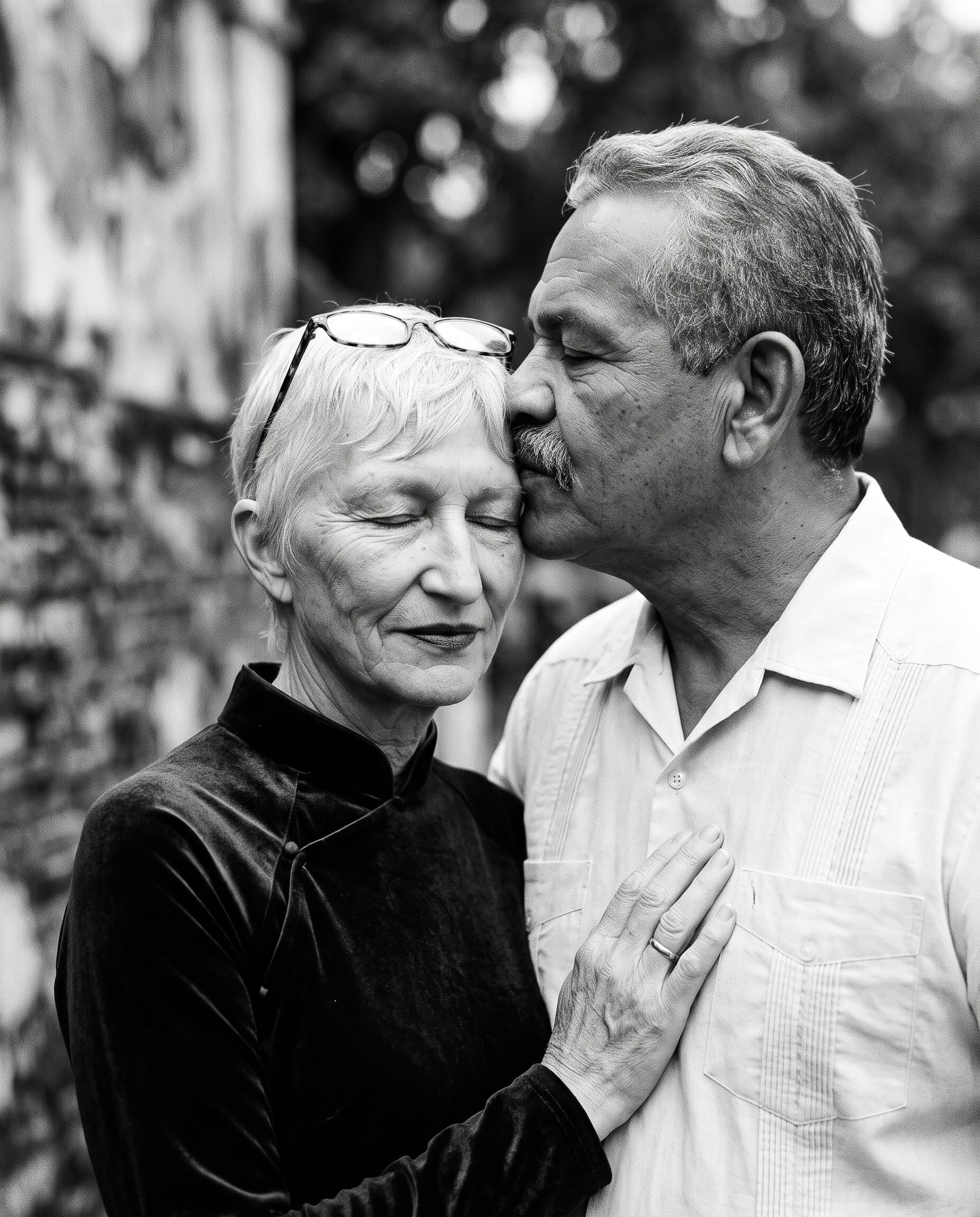
Our team works with all four. Rental guests (most common for travelers) get studio-maintained pieces in excellent condition—we dry-clean between shoots, repair loose beads, and press fresh. Guests buying new often visit tailors we trust in District 1 (Saigon) or Hoàn Kiếm (Hanoi) and come back to us for the shoot wearing their new áo dài. Heirloom pieces get the most careful handling—we lay down silk cloths under the garment, pin sleeves to avoid creasing, and plan shots to minimize bending or sitting. Custom commissions (for proposals, pre-wedding sessions, or group concept shoots) require 2–3 weeks, so book early if that's your vision.
See packages and prices on vietnamphotoshoot.com
Which Locations in Vietnam Look Best With Different Áo Dài Eras?
Court-style áo dài (high collar, long sleeves, jewel tones, minimal side slits) photograph beautifully at:
- Temple grounds (Hà Nội's Văn Miếu, Hương Pagoda near Hà Nội)
- Royal palaces (citadel backdrops)
- Silk markets and heritage streets
- Indoor formal settings (museums, grand hotels)
Modern 1960s-cut áo dài (lower neckline, shorter sleeves, vibrant colors, high slits) work best at:
- Street markets (Bến Thành Market in Saigon, Dong Xuan Market in Hanoi)
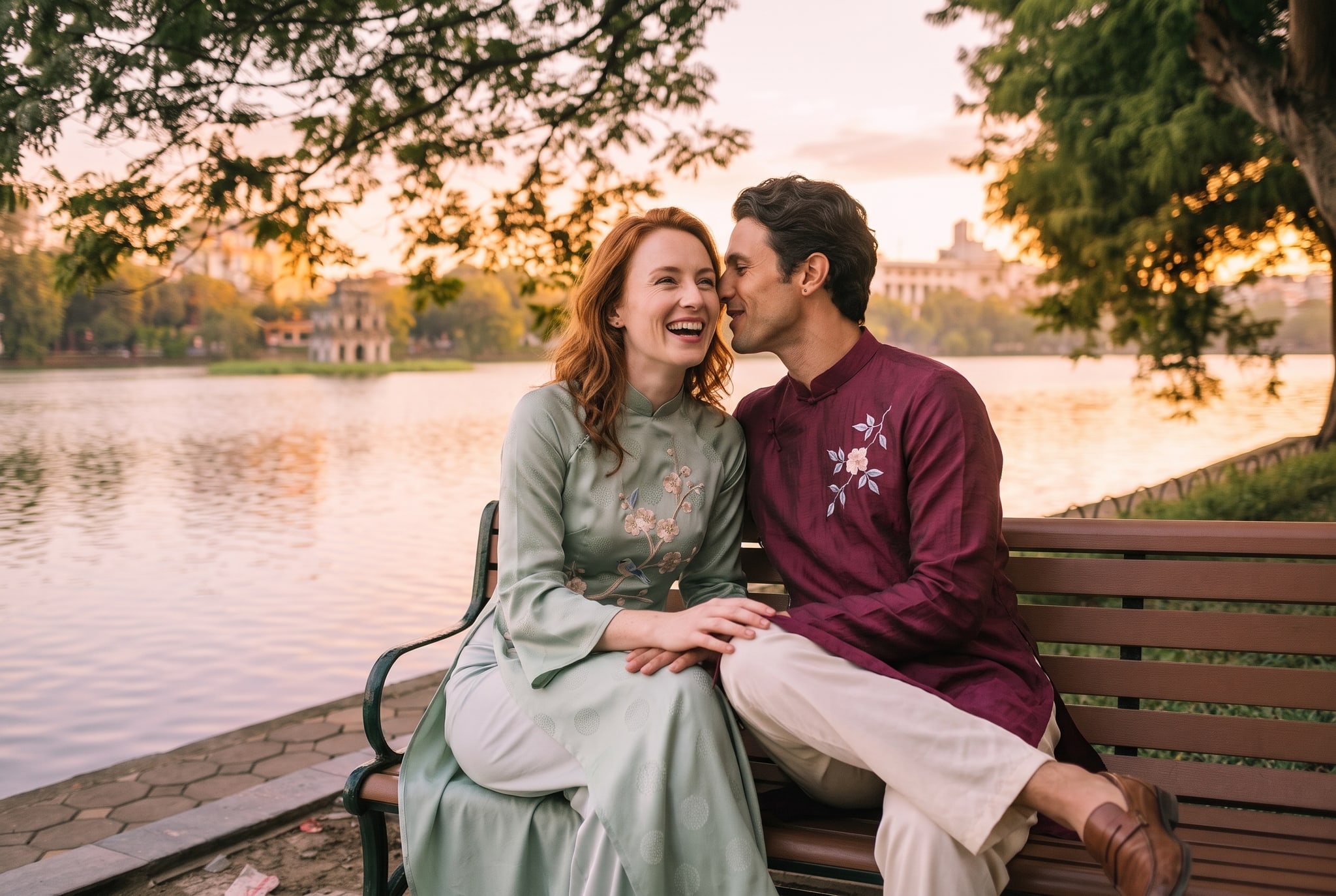
- Waterfront promenades (Saigon Riverfront, Hoan Kiem Lake shores)
- Café-lined alleys (Saigon's District 1, Hoan Kiem's Old Quarter)
- Candid movement shots (walking, cycling, doorway pauses)
Contemporary fusion áo dài (asymmetrical cuts, modern fabrics, experimental colors) suit:
- Modern architectural backdrops (Saigon's Bitexco, Hanoi's modern skyline)
- Concept shoots with props (fashion editorials, artist collaborations)
- Urban street scenes
If you're unsure which era matches your vision, describe your dream photo during the WhatsApp booking chat. Our stylists will recommend which áo dài cut and which Hanoi or Saigon location pair best. We've shot hundreds of sessions—we know which combinations actually work on camera.
What to Check Before You Order or Book Your Áo Dài Shoot
Fit & Comfort:
- If renting, arrive 15 minutes early for fitting; trousers must sit at natural waist, tunic must not bunch at armholes.
- If buying before your trip, have a tailor fit you in person (never guess online); take a photo of the fit from behind.
- Test movement: can you raise your arms? Bend? The traditional high-waist trousers restrict some motion—we plan shots accordingly.
Fabric & Care:
- Silk áo dài stain easily; avoid sitting on rough surfaces during shoots without cloth underneath.
- Hot, humid climates (Saigon, Mekong Delta) make heavy brocade uncomfortable; opt for lightweight silk or cotton-silk blends.
- If it's a heirloom or expensive new piece, tell us during booking—we'll brief the photographer on gentle handling.
Color & Makeup:
- Jewel-tone áo dài (deep blue, emerald, burgundy) pair with subtle makeup; pastel or white áo dài need more defined eyes and lips to stand out.
- Red and gold áo dài (traditional for weddings, celebrations) work best outdoors; they can look flat in studio light without strong makeup.
Seasonal Timing:
- Summer shoots (May–September) in Saigon: short sleeves or breathable fabric only; we reschedule if a guest insists on heavy court-cut áo dài.
- Rainy season (September–October): bring a backup áo dài in lighter color; silk shows water marks.
- Winter in Hanoi (November–February): long sleeves are comfortable and photograph richly in cool light.
Budget Realities:
- Rental áo dài through our studio are included in package costs (no separate fee).
- New áo dài from Vietnam tailors range from simple silk to heavily embroidered; decide your budget before visiting a tailor.
- Heirloom cleaning or minor repairs (loose beads, small tears) should be done before your shoot, not after.
What Package Should Travelers Choose for an Áo Dài Shoot?
For solo travelers wanting a traditional áo dài session, start with our áo dài photoshoot—it includes styling, makeup, professional hair, and a full gallery. Couples often book the couple photoshoot package, which lets both partners wear matching or coordinating áo dài and includes extended time for movement and emotion. Groups (families, bridesmaids, elopement parties) book family sessions or pre-wedding packages, which expand duration and location options.
If you're flying in and want makeup and hair applied at your hotel before photos elsewhere, add our hotel makeup and hair service. For milestone moments—proposals, vow renewals, or concept shoots—book proposal and anniversary packages or special concept shoots.
See packages and prices on vietnamphotoshoot.com
FAQ
Is it disrespectful for foreign travelers to wear áo dài for photos?
No. Wearing áo dài respectfully—choosing a modest cut, taking the garment seriously, and learning its history—is appreciated. We see Vietnamese locals smile when tourists wear áo dài authentically. Avoid treating it as a costume or joke; wear it with intention and dignity, and it's a genuine cultural exchange.
Can I wear an áo dài with Western-style accessories like sneakers or a bag?
It depends on your shot. For traditional or formal looks, pair áo dài with flat sandals, minimal jewelry, and small silk clutches. For modern, fusion shots, sneakers and crossbody bags work—some of our best edits mix vintage áo dài with contemporary styling. Discuss your vision in the pre-shoot chat; our stylists will advise what suits your photo story.
How long does it take to get an áo dài tailored in Vietnam?
Basic tailoring (adjusting hem, waist, or sleeves on an existing piece) takes 3–5 days in Hanoi or Saigon. Custom áo dài (measuring, cutting, embroidery, fitting) takes 2–3 weeks. If you're booking a shoot and want a custom piece, arrange this 3+ weeks before your travel date and let us know in advance so we can refer trusted tailors.
Why do some áo dài have side slits and others don't?
Historical and regional tradition. Court-style áo dài (pre-1950s) had minimal or no slits—modesty was paramount. Modern áo dài adopted higher side slits (thigh-height or above) for practical movement and visual elegance. Higher slits photograph well in dynamic poses; no slits photograph well in formal, stationary frames. Choose based on your pose preferences.
What if my áo dài tears or gets stained during the shoot?
Tell us immediately. Small stains can often be handled with a quick damp cloth; we carry touch-up supplies on set. Tiny tears in non-visible seams are repairable after the shoot. If it's serious damage, we document it, discuss options, and if it's our rental piece, our insurance covers professional cleaning. If it's your own piece, we'll recommend a trusted tailor for repairs.
Can I do a multi-location áo dài shoot across Hanoi or Saigon in one day?
Yes. Most full-day sessions (6–8 hours) include 2–4 locations and 1–2 áo dài changes. We plan timing carefully: temple shots in morning light, street market shots mid-day, café or waterfront shots in golden hour. Discuss your location wishlist during booking; our team scouts and schedules to avoid rushed transitions.
Ao Dai Photoshoot
Inclusions, prices and booking are on our booking site.
FAQ
Is it disrespectful for foreign travelers to wear áo dài for photos?
No. Wearing áo dài respectfully—choosing a modest cut, taking the garment seriously, and learning its history—is appreciated. We see Vietnamese locals smile when tourists wear áo dài authentically. Avoid treating it as a costume or joke; wear it with intention and dignity, and it's a genuine cultural exchange.
Can I wear an áo dài with Western-style accessories like sneakers or a bag?
It depends on your shot. For traditional or formal looks, pair áo dài with flat sandals, minimal jewelry, and small silk clutches. For modern, fusion shots, sneakers and crossbody bags work—some of our best edits mix vintage áo dài with contemporary styling. Discuss your vision in the pre-shoot chat; our stylists will advise what suits your photo story.
How long does it take to get an áo dài tailored in Vietnam?
Basic tailoring (adjusting hem, waist, or sleeves on an existing piece) takes 3–5 days in Hanoi or Saigon. Custom áo dài (measuring, cutting, embroidery, fitting) takes 2–3 weeks. If you're booking a shoot and want a custom piece, arrange this 3+ weeks before your travel date and let us know in advance so we can refer trusted tailors.
Why do some áo dài have side slits and others don't?
Historical and regional tradition. Court-style áo dài (pre-1950s) had minimal or no slits—modesty was paramount. Modern áo dài adopted higher side slits (thigh-height or above) for practical movement and visual elegance. Higher slits photograph well in dynamic poses; no slits photograph well in formal, stationary frames. Choose based on your pose preferences.
What if my áo dài tears or gets stained during the shoot?
Tell us immediately. Small stains can often be handled with a quick damp cloth; we carry touch-up supplies on set. Tiny tears in non-visible seams are repairable after the shoot. If it's serious damage, we document it, discuss options, and if it's our rental piece, our insurance covers professional cleaning. If it's your own piece, we'll recommend a trusted tailor for repairs.
Can I do a multi-location áo dài shoot across Hanoi or Saigon in one day?
Yes. Most full-day sessions (6–8 hours) include 2–4 locations and 1–2 áo dài changes. We plan timing carefully: temple shots in morning light, street market shots mid-day, café or waterfront shots in golden hour. Discuss your location wishlist during booking; our team scouts and schedules to avoid rushed transitions.
More from the team
Ao Dai Photos at Hoi An Lantern Street at Night
Hoi An Lantern Street (Nguyen Hoan) glows at dusk with silk lanterns and reflected light. Our team shoots ao dai here after dark, navigates tight vendor spaces, and handles the low-light challenge with experience from 100+ night sessions.
Ao dai for wedding photos in Quy Nhon: renting, fitting and styling
Quy Nhon's coastal backdrops pair beautifully with traditional ao dai. We walk through rental choices, fitting logistics and how our team coordinates styling on shoot day.
Vietnam Pre-Wedding Photoshoot: What We Book at Cáo Studio
Pre-wedding shoots in Vietnam mean morning light in Hoi An's Old Town, cyclos in Saigon, or terraced fields near Ninh Binh. We walk you through what a session actually costs, how we schedule it, and what goes wrong on the day.