 Cáo Studio
Home › Blog › Ao Dai Photoshoot
Ao Dai Photos in the Rain: What Our Team Does
By the Cáo Studio team · Hanoi & Saigon · 2026-11-02
Ao dai photos in rain require a different mindset than sunny sessions. At Cáo Studio, we don't avoid wet weather; we reframe it. Rain deepens the silk's color, creates reflective surfaces for lighting, and adds texture to backgrounds. We typically shift indoor-outdoor timing, move shoots to covered courtyards (like those in Hoi An's old town or Hanoi's heritage gardens), or embrace puddles for reflection shots. Sessions run 1.5–2 hours instead of 3, since fabric gets heavy and guests tire faster in damp conditions. Waterproofing the ao dai itself isn't standard—the silk absorbs rain deliberately—but we protect makeup and electronics. Book ao dai photoshoot sessions with rain-friendly location options, and tell your stylist on WhatsApp if you want dramatic weather or prefer a backup date. Chat with us on WhatsApp
Should we reschedule if rain is forecast?
No. We've shot hundreds of rainy sessions and rarely postpone. Rain changes the look, not the quality—it darkens fabric, softens shadows, and creates mood. We reschedule only if lightning is active within 5 km or if the guest explicitly wants sun. Most first-time clients worry, but after seeing proofs they say the rain shots are their favorites. Water droplets on the ao dai read as intentional in the final images, not accidental.
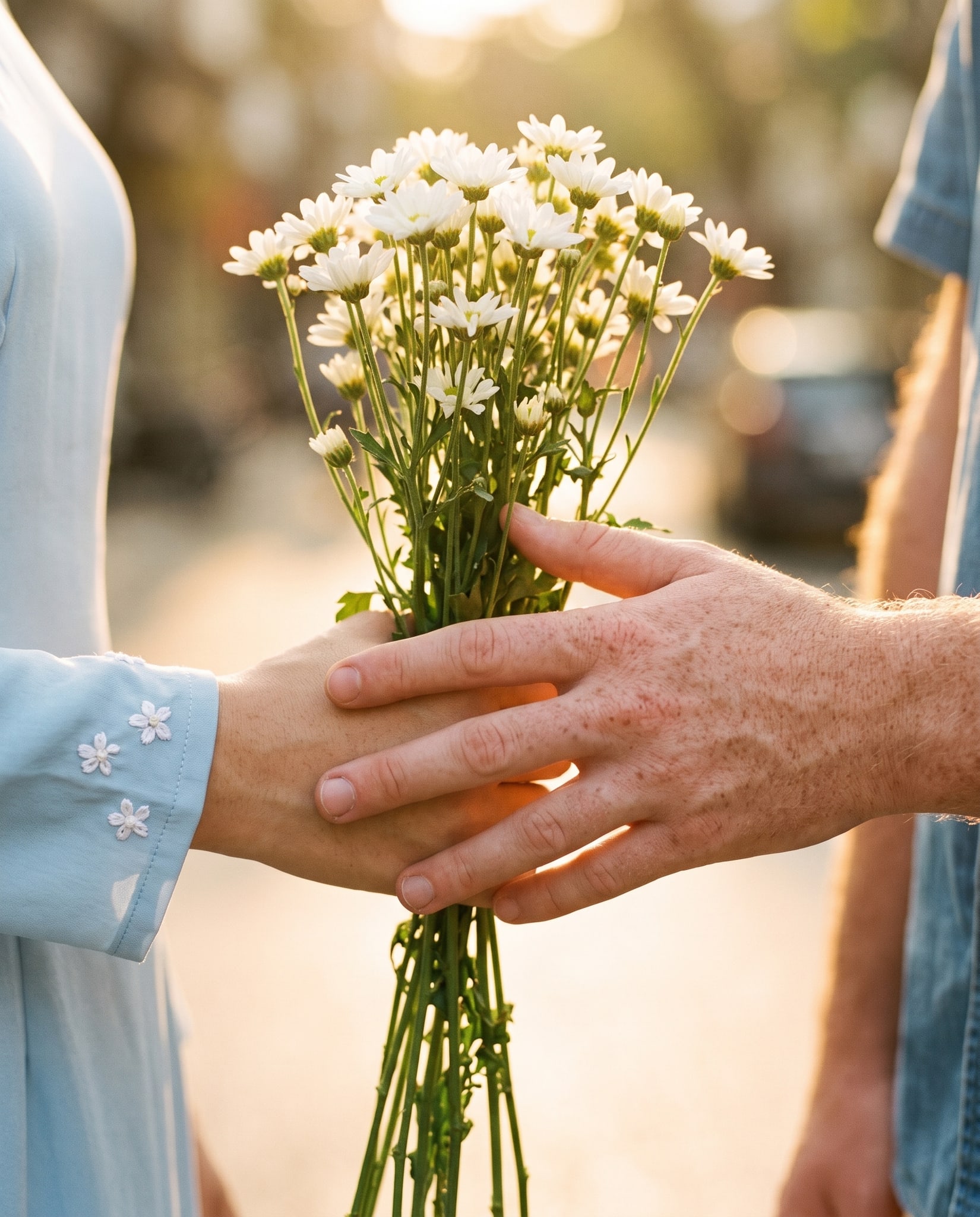
What locations work best when it's wet?
We lean on covered or semi-covered spots: temple courtyards in Hoi An (Ancient Town, Chua Phuc Kien), heritage houses in Hanoi's Old Quarter, hotel lobbies, and park pavilions. Puddles near Hoan Kiem Lake or the Saigon River promenade become assets—we shoot reflections. Open fields work too if the rain is light; wet grass photographs darker and richer than dry. We avoid narrow alleys where water pools and slippery stone ruins shots. On location scouts, we always identify a backup covered zone in case rain intensifies mid-shoot.
How does rain affect the ao dai itself?
The silk gets heavier, clings slightly, and shows water marks temporarily—these fade when the garment dries. We don't treat or seal the fabric beforehand; authentic ao dai are meant to move with moisture. Wet silk actually photographs richer in color, especially deep reds, blues, and blacks. The bigger challenge is the underskirt and trousers; they absorb water and limit movement. We tell guests to expect a slightly shorter effective shoot time and to wear comfortable indoor shoes for transitions. The ao dai dries quickly indoors; by the time you're reviewing proofs an hour later, most dampness is gone.
When does our team say no to rain?
Lightning, flooding, or sustained heavy rain (over 20 mm/hour) shuts us down. Typhoon season (September–November) requires 48-hour weather calls. We also pause if the guest has health concerns—standing wet in air conditioning can trigger issues. Muddy terrain risks damage to the ao dai's hem and your feet; we relocate instead. We've never had to refund due to weather in 10+ years at Cáo Studio, because we reframe conditions rather than fight them. If a guest truly wants sunshine, we offer a free reschedule date within 30 days; most take it and discover rain works better.
What does the shoot timeline look like on a wet day?
Hour 1: Arrival, makeup and hair (60 min, indoors or under cover). Rain doesn't affect this; our makeup artists work faster in humidity and adjust powder accordingly. Hour 1.5–2: First location, 20–30 min of shooting (covered spot or light-rain zone). We move faster than in sun; guests fatigue quicker in damp clothes. Hour 2–2.5: Outfit change or relocate (if wet, we find shelter). Hair touch-up takes 10 min extra due to moisture. Hour 2.5–3: Second location, final shots (15–20 min if rain is steady, 30 min if it eases). We wrap by 3 hours total, versus 4–5 on a clear day. We never keep clients standing in heavy rain to "get the shot." If someone is visibly uncomfortable, we move indoors or call it.
| Scenario | Best location | Timing | What to bring |
|---|---|---|---|
| Light drizzle, sunny breaks | Temple or park pavilion, open field nearby | 3 hours, flexible | Extra hair clips, small towel |
| Steady rain, no lightning | Covered courtyard, old-town alley with roof | 1.5–2 hours, focused | Waterproof phone bag, slip-on shoes |
| Rain + wind | Hotel lobby, museum corridor, indoor heritage venue | 2 hours, mostly indoors | Change of socks, light shawl |
| Post-rain puddles, clearing skies | Lakeside promenade, wet stone courtyard | 2.5–3 hours | Waterproof makeup bag, flip-flops for transitions |
See packages and prices on vietnamphotoshoot.com
How do we light ao dai in overcast, rainy conditions?
Sunlight disappears, so we shift to ambient fill and reflectors. We position clients near open areas (pavilion edges, doorways) to catch diffuse sky light. We rarely use flash on ao dai—it flattens fabric—but in deep shade we'll use a soft on-camera fill at low power. We scout the location in the rain beforehand to see where light pools naturally. Overcast actually suits ao dai well; the silk doesn't blow-out, and colors read truer. We spend less time shielding eyes from glare. Some photographers say rainy ao dai shoots are easier technically because you don't fight contrast.
What's the real cost difference between rainy and sunny shoots?
There's no upcharge for rain. Our ao dai photoshoot packages are the same price regardless of weather—we adapt, not penalize. If a guest wants a guaranteed sunny date, they rebook; the original session cost is held. Cancellations due to guest preference (not safety) are handled case-by-case on WhatsApp; we typically offer a credit toward a future shoot rather than a refund, since our team is already prepped and scheduled.
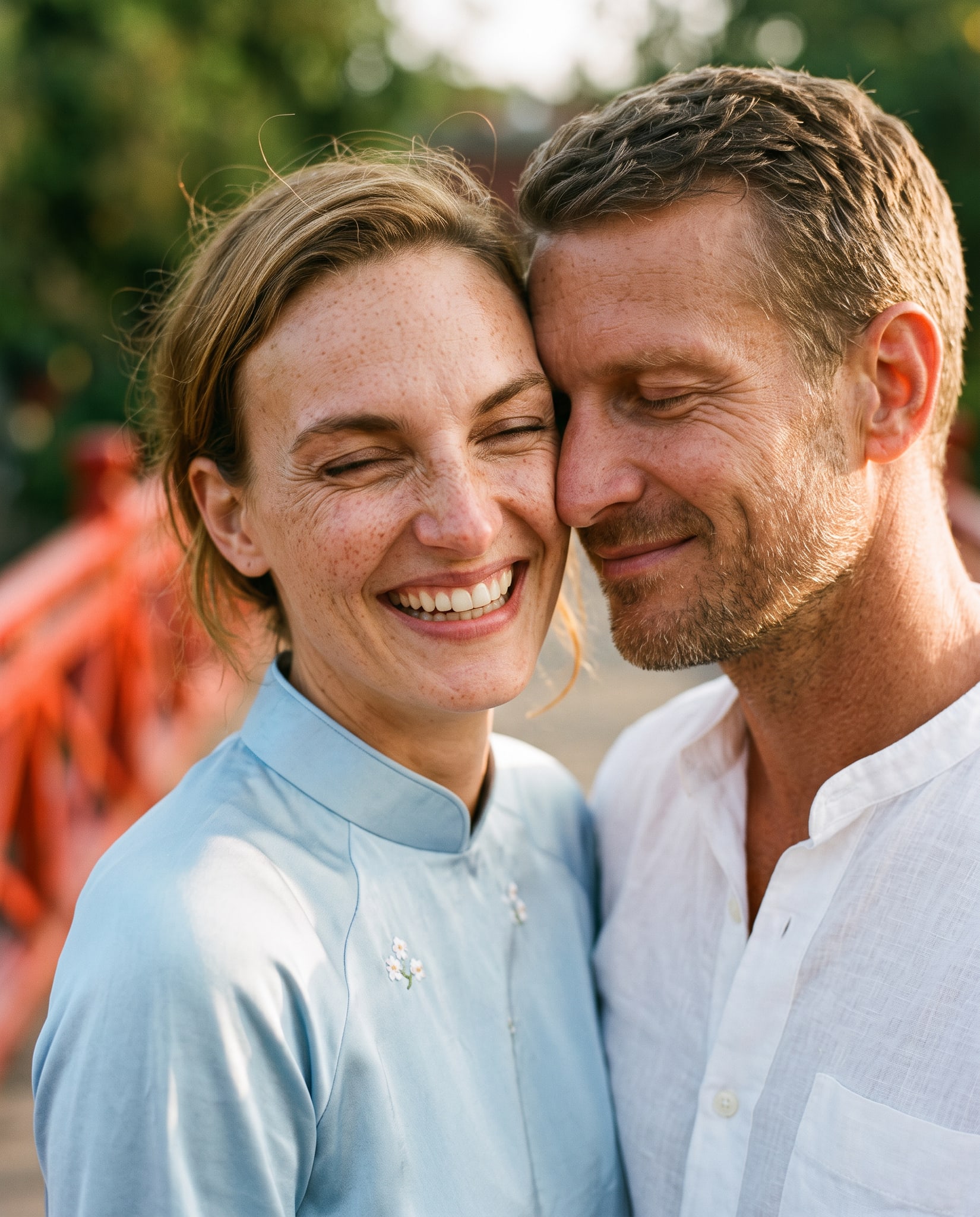
What does our styling team say about rain-day ao dai choices?
Solid colors photograph better in rain than patterns; jewel tones (emerald, sapphire, plum) deepen. Lighter shades (pale pink, cream, white) can look washed-out under overcast skies, but some guests love that ethereal effect. Heavy silk (vải Hơi or silk brocade) hangs beautifully when damp; lightweight cotton ao dai can cling unflatteringly. We advise clients booking in typhoon season to bring two ao dai in contrasting tones—one light, one dark—so we can shoot both and choose the stronger look. Our stylists always ask on the initial WhatsApp: "Do you have a color preference, or should we suggest something that suits rain?"
How do we protect hair and makeup in damp conditions?
Humidity is the enemy, not the rain itself. We use anti-frizz serums before pinning and heavy-hold hairspray (reapply between locations). Foundation gets a setting spray and powder layer. We bring blotting papers and compact mirrors for quick touch-ups. If rain is steady, we do makeup in the last 30 minutes before shooting, not 2 hours beforehand. We also advise guests: don't wash hair the morning of a rainy shoot; natural oils help. Eyeliner and lip color stay on well; mascara and eyeshadow are the weak point. Our makeup artists always have backup kohl pencils and powder eyeshadow on hand.
Can we shoot couple or family photos in the rain?
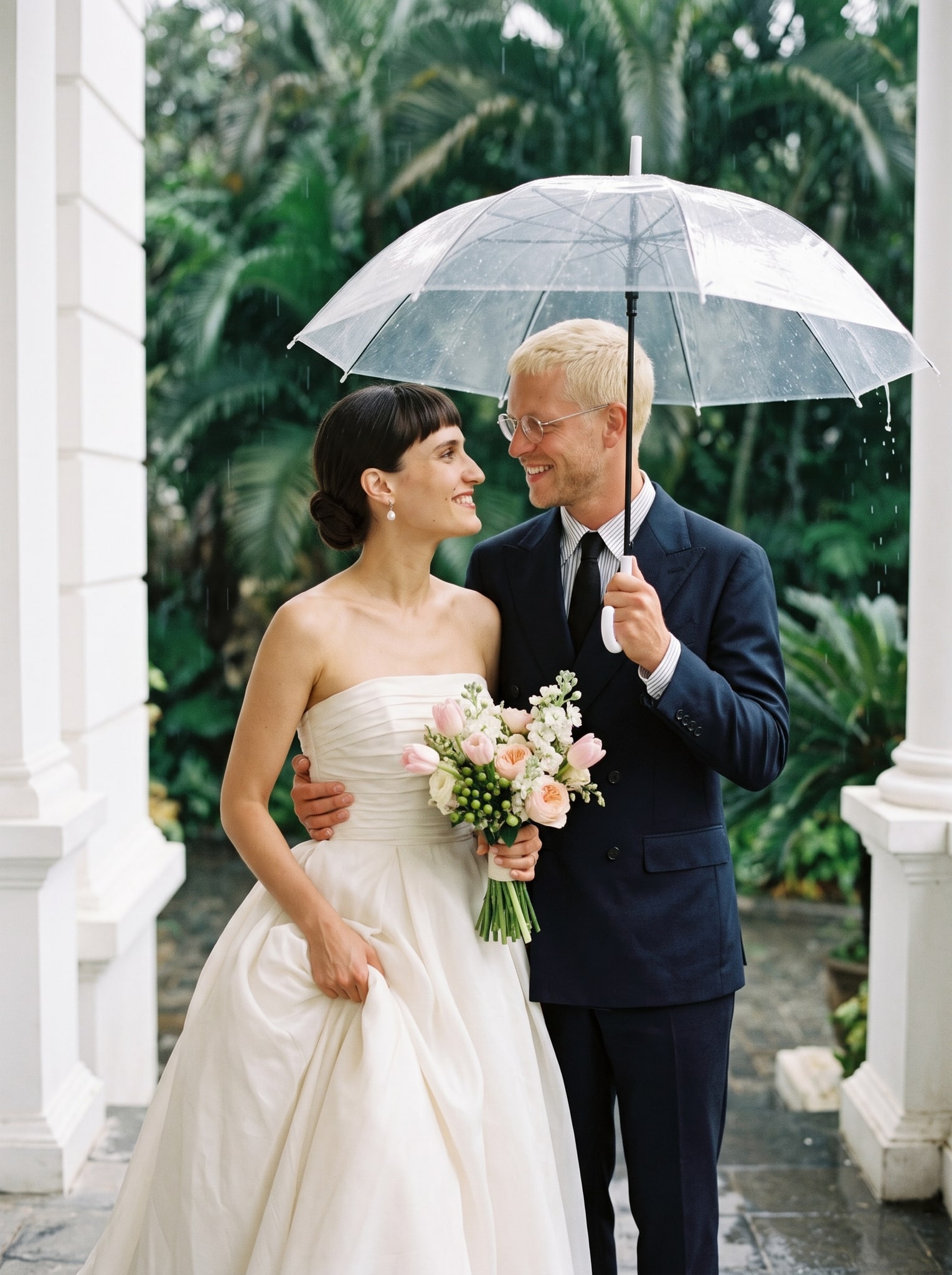
Absolutely. Couple photoshoots and family sessions in rain are some of our most emotional work. The intimacy reads stronger when weather is dramatic; couples lean closer, children laugh at puddles, and water creates natural framing. We've had proposals shot in light rain (and they're stunning). The same timing and location rules apply. Family shots take slightly longer because we have to manage more people's comfort, but rain doesn't change our approach.
What cities and seasons get the most rain?
Hanoi: September–November and May–June (15–20 rainy days/month). Saigon: June–October (20+ rainy days/month, heavier downpours). Hoi An: September–December (frequent, brief afternoon showers; ancient town's roofs are a plus). Ninh Binh: Same as Hanoi; limestone karsts photograph moody in mist.
If you're visiting in these months and see rain in the forecast, don't panic—our team at Cáo Studio Hanoi or Saigon has shot thousands of rainy sessions. We know the dry spots and the reflective puddles.
What do our proofs look like after a rainy shoot?
They're moody, saturated, and emotional. The ao dai's color pops against gray skies. Skin tones are soft (no harsh highlights). Water droplets on the fabric read as texture, not damage. Some clients get fewer total images (maybe 80 instead of 120 on a sunny day) because we're shooting in lower light and shorter bursts, but the keeper rate is often higher—less clutter, fewer distracting backgrounds. We deliver proofs in the same timeline as sunny shoots (7–10 days for a standard session).
Should we book a rain-specific concept?
We offer special concept shoots that celebrate rain: think dramatic wet silks, reflections, mist, moody color grades. These are booked intentionally, not as a fallback. If you love dark, romantic aesthetics, tell us you want a rain-focused concept. We'll plan locations around water features and coordinate ao dai colors accordingly. It's a different energy than a sunny celebration shoot.
What to check before you book
- Your ao dai's fabric weight. Heavy silk holds its shape in rain; lightweight cotton clings. Ask your stylist on WhatsApp before the shoot.
- Rain forecast timing. If rain is predicted for your exact shoot window, we'll discuss via WhatsApp 24 hours prior. We rarely reschedule, but we do shift location if needed.
- Your comfort with damp conditions. If you have joint pain or respiratory sensitivity, a rainy day might not suit you. Tell us, and we'll offer a reschedule.
- Backup outfit. Bring a second ao dai or a change of outer layer if you want variety. Drying takes 20 minutes indoors.
- Footwear. Comfortable slip-ons for transitions between wet and dry zones. Formal shoes get ruined; we keep them off during rain shots.
- Hair care pre-shoot. Don't wash hair the morning of a rainy session. Use anti-frizz serum. Bring bobby pins.
See packages and prices on vietnamphotoshoot.com
FAQ
Does rain ruin ao dai fabric?
No. Authentic ao dai silk is meant to move with moisture. It gets slightly heavier and shows water marks briefly, but these fade completely when dry. We don't treat or seal fabric beforehand.
How long is a rain-day shoot?
Typically 1.5–2 hours, versus 3–4 hours on a sunny day. Damp clothing and lower light mean shorter effective shooting windows, but we prioritize your comfort over quantity.
Can we reschedule if it rains?
You can, but we rarely need to. Rain doesn't degrade image quality; it changes the mood. We only reschedule if there's lightning within 5 km or if you explicitly want sun. Reschedule credits are offered within 30 days.
What color ao dai looks best in rain?
Jewel tones (sapphire, emerald, plum, burgundy) photograph richest under overcast skies. Light colors (pale pink, white) can look washed out, though some clients love that ethereal effect. Solid colors beat patterns in low light.
Will the makeup last through rain?
Yes, if applied correctly. We use anti-frizz products for hair, setting spray and powder for face, and reapply between locations. Blotting papers and compact mirrors come with us. Eyeliner and lip stay on; eyeshadow is the weak point in sustained humidity.
Do you charge extra for rainy shoots?
No. Our ao dai photoshoot packages are the same price in any weather. We adapt timing and location, not your cost. If you want a guaranteed sunny reschedule, we hold your session cost and rebook at no extra fee.
What happens if lightning is present?
We pause immediately. We've never had to fully cancel (about once every 2–3 years we pause for 30 minutes), but safety is non-negotiable. We'll reschedule the session on a safer day with full credits.
Can couples and families shoot in rain?
Absolutely. Couple and family photos in rain are often our most emotional work. Intimacy reads stronger, and children love puddles. The same location rules apply.
Ao Dai Photoshoot
Inclusions, prices and booking are on our booking site.
FAQ
Does rain ruin ao dai fabric?
No. Authentic ao dai silk is meant to move with moisture. It gets slightly heavier and shows water marks briefly, but these fade completely when dry. We don't treat or seal fabric beforehand.
How long is a rain-day shoot?
Typically 1.5–2 hours, versus 3–4 hours on a sunny day. Damp clothing and lower light mean shorter effective shooting windows, but we prioritize your comfort over quantity.
Can we reschedule if it rains?
You can, but we rarely need to. Rain doesn't degrade image quality; it changes the mood. We only reschedule if there's lightning within 5 km or if you explicitly want sun. Reschedule credits are offered within 30 days.
What color ao dai looks best in rain?
Jewel tones (sapphire, emerald, plum, burgundy) photograph richest under overcast skies. Light colors (pale pink, white) can look washed out, though some clients love that ethereal effect. Solid colors beat patterns in low light.
Will the makeup last through rain?
Yes, if applied correctly. We use anti-frizz products for hair, setting spray and powder for face, and reapply between locations. Blotting papers and compact mirrors come with us. Eyeliner and lip stay on; eyeshadow is the weak point in sustained humidity.
Do you charge extra for rainy shoots?
No. Our ao dai photoshoot packages are the same price in any weather. We adapt timing and location, not your cost. If you want a guaranteed sunny reschedule, we hold your session cost and rebook at no extra fee.
What happens if lightning is present?
We pause immediately. We've never had to fully cancel (about once every 2–3 years we pause for 30 minutes), but safety is non-negotiable. We'll reschedule the session on a safer day with full credits.
Can couples and families shoot in rain?
Absolutely. Couple and family photos in rain are often our most emotional work. Intimacy reads stronger, and children love puddles. The same location rules apply.
More from the team
Ao Dai Photos at Hoi An Lantern Street at Night
Hoi An Lantern Street (Nguyen Hoan) glows at dusk with silk lanterns and reflected light. Our team shoots ao dai here after dark, navigates tight vendor spaces, and handles the low-light challenge with experience from 100+ night sessions.
Ao dai for wedding photos in Quy Nhon: renting, fitting and styling
Quy Nhon's coastal backdrops pair beautifully with traditional ao dai. We walk through rental choices, fitting logistics and how our team coordinates styling on shoot day.
Vietnam Pre-Wedding Photoshoot: What We Book at Cáo Studio
Pre-wedding shoots in Vietnam mean morning light in Hoi An's Old Town, cyclos in Saigon, or terraced fields near Ninh Binh. We walk you through what a session actually costs, how we schedule it, and what goes wrong on the day.