 Cáo Studio
Home › Blog › Ao Dai Photoshoot
Ao Dai Wedding Photos at Ben Thanh Market: What We Shoot
By the Cáo Studio team · Hanoi & Saigon · 2026-11-02
Ben Thanh Market is a working marketplace in District 1, Saigon, famous for souvenir stalls and century-old architecture. An ao dai photoshoot there runs 2–3 hours: we arrive early (before 09:00) when foot traffic is lighter, scout arches and fabric-shop entrances for soft light, and shoot in silent segments so dialogue isn't muddy in video. Cáo Studio handles crowd management and natural-light framing; you wear your ao dai and trust the composition. The shoot includes a styled outfit change (usually a second ao dai tone or Western formal wear) and 40–80 edited final images. Cost depends on whether you bundle it with couple photoshoots, pre-wedding prep, or makeup. Avoid midday (11:00–15:00) when sun flattens colour and tourists jam the aisles. Most couples pair Ben Thanh with a second location—Old Quarter or Saigon River—to vary backdrop and light. Chat with us on WhatsApp
Why does timing matter more at Ben Thanh than a studio?
Ben Thanh is an open market: sun angle, crowd density, and vendor activity shift hourly. We always schedule shoots between 07:00–09:30 or 16:00–18:30. Morning light rakes across the main façade at low angle, turning the French colonial stonework golden and casting vendor umbrellas into graphic silhouette. At 08:15 one October shoot, we had the arched entrance nearly empty; by 08:45, tour groups filled the frame. Afternoon light after 16:00 softens as the sun dips west, and many tourists have left. We've learned that Monday–Wednesday mornings yield the calmest scenes; weekend shoots require twice as much patience and cropping in post-production. Wind also matters: scarves and ao dai trains blow differently at 08:00 than at 14:00, affecting fabric hang and movement shots.
What locations inside Ben Thanh work best for ao dai?
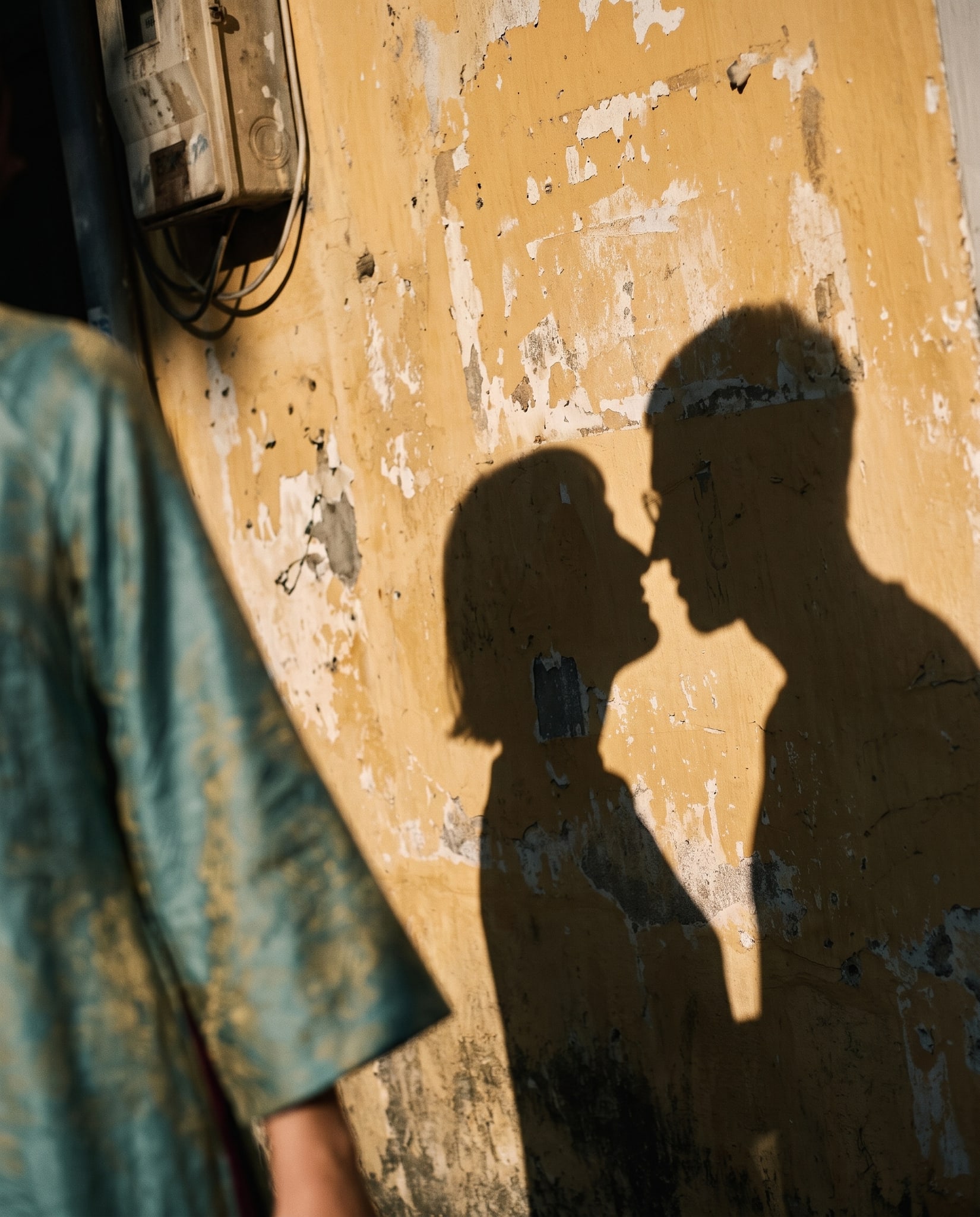
The main south-facing arches near the entrance are obvious but crowded. Our stylists prefer the eastern side, near the silk and lacquerware vendor rows, where narrower alleys create natural frames and softer overhead light. The fabric-shop frontages there have jewel tones—deep reds, golds—that complement ao dai (especially indigo or pastel tones) without competing for focus. We've also shot against the central clock tower, though reflections from glass shop fronts can cause exposure flare; our photographers watch for that and adjust aperture or move the couple five metres to either side. The western side, near the souvenir stalls, has harsher light and cluttered signage, so we typically avoid it except for candid walk-through shots. On one spring shoot, we discovered a loading-bay corner with exposed brick and minimal foot traffic; the couple posed there for intimate close-ups while we kept one photographer at the main arch capturing environmental context.
See packages and prices on vietnamphotoshoot.com
Do we need a permit, or can we just show up?
Technically, Ben Thanh Market allows casual photography without a permit if you're not blocking stalls or using tripods that obstruct paths. We bring no tripod. Our team moves fluidly: one photographer frames, one stylist adjusts fabric and posture, one works crowd—it looks like a small family event, not a production. However, we always alert the market management (near the info desk) when we arrive, show them our booking reference, and ask which areas are off-limits that day (sometimes vendors reserve specific corners, or a section is being cleaned). This five-minute courtesy call has prevented misunderstandings every single time. Once, a security guard stopped us mid-shoot; we explained briefly, showed our credentials, and he helped us clear a path for the next fifteen minutes. Permits become mandatory only if you use lighting rigs, rent the space, or shoot for a commercial brand—then you contact Saigon Tourism Authority or market management directly, which takes 2–3 weeks. For personal weddings and engagement shoots, our style (mobile, minimal gear, respectful) requires no official permit.
How do we handle crowds and keep the final images clean?
Crowds are the number one challenge. We use three tactics. First, we shoot in bursts during natural pauses: when a tour group rounds a corner or a vendor steps into a stall. Our photographers know the rhythm after the first 20 minutes and time shots for those gaps. Second, we position the couple in the deepest part of arches or side alcoves, which compresses background and makes stray people appear blurred and distant, so they don't distract from the pair. Third, we plan for selective cropping: if someone photobombs, we frame wider in-camera and remove them in editing. One January shoot had an unexpected festival set-up in the main hall; we pivoted to the outdoor east entrance and shot mostly close-ups of the couple's faces and ao dai fabric, which rendered the background soft and abstract anyway. In post-production, we also use frequency separation (isolating texture from colour tone) to clean backgrounds without making them look artificial. Clients rarely notice the effort because the images feel natural, not Photoshopped.
What's the best way to prepare your ao dai and makeup for this location?
Ben Thanh is dusty, warm, and humid—ao dai fabric picks up dust, sweat shows on foreheads, and makeup can melt. We advise clients to arrive with the ao dai still bagged and have our stylist put it on in the car or a nearby café five minutes before shooting, not hours before. Makeup should lean toward matte finish and long-wear formulas; we use a setting spray (usually MAC Fix+) every 20 minutes between outfit changes. For ao dai colour, jewel tones (emerald, navy, burgundy, terracotta) photograph richer against Ben Thanh's warm stonework than pastels, which can look washed out in mixed natural light. Cotton and silk blends perform better than pure linen, which wrinkles quickly in humidity. One bride arrived in a heavy brocade ao dai on a 32°C day; within an hour, the back was soaked and creases formed. We repositioned her for mostly frontal shots and paused every ten minutes so she could cool in the car. Next couple, same season, wore a lighter silk ao dai, needed fewer breaks, and looked fresher in 80 of the 90 final images. If makeup and hair at your hotel is part of your package, we can schedule that for 07:00 and have you ready to leave by 08:15, minimizing time between salon and shoot.
Comparison: Ben Thanh vs. Other Saigon Ao Dai Backdrops
| Location | Vibe | Light Consistency | Crowd Level | Best For | Styling Tip |
|---|---|---|---|---|---|
| Ben Thanh Market | Bustling, heritage | Variable (morning best) | High | Heritage + energy | Jewel tones pop |
| Saigon River (Bitexco) | Modern, serene | Consistent afternoon | Low | Romantic, minimalist | Pastels glow |
| Old Quarter (Hang Dao) | Narrow, atmospheric | Dappled, moody | High | Intimate, narrative | Darker ao dai |
| Tao Đàn Park | Green, peaceful | Even morning/late afternoon | Low | Soft, natural | Any tone works |
| Reunification Palace grounds | Formal, grand | Controlled (exterior only) | Medium | Ceremony-like | Bold or neutral |
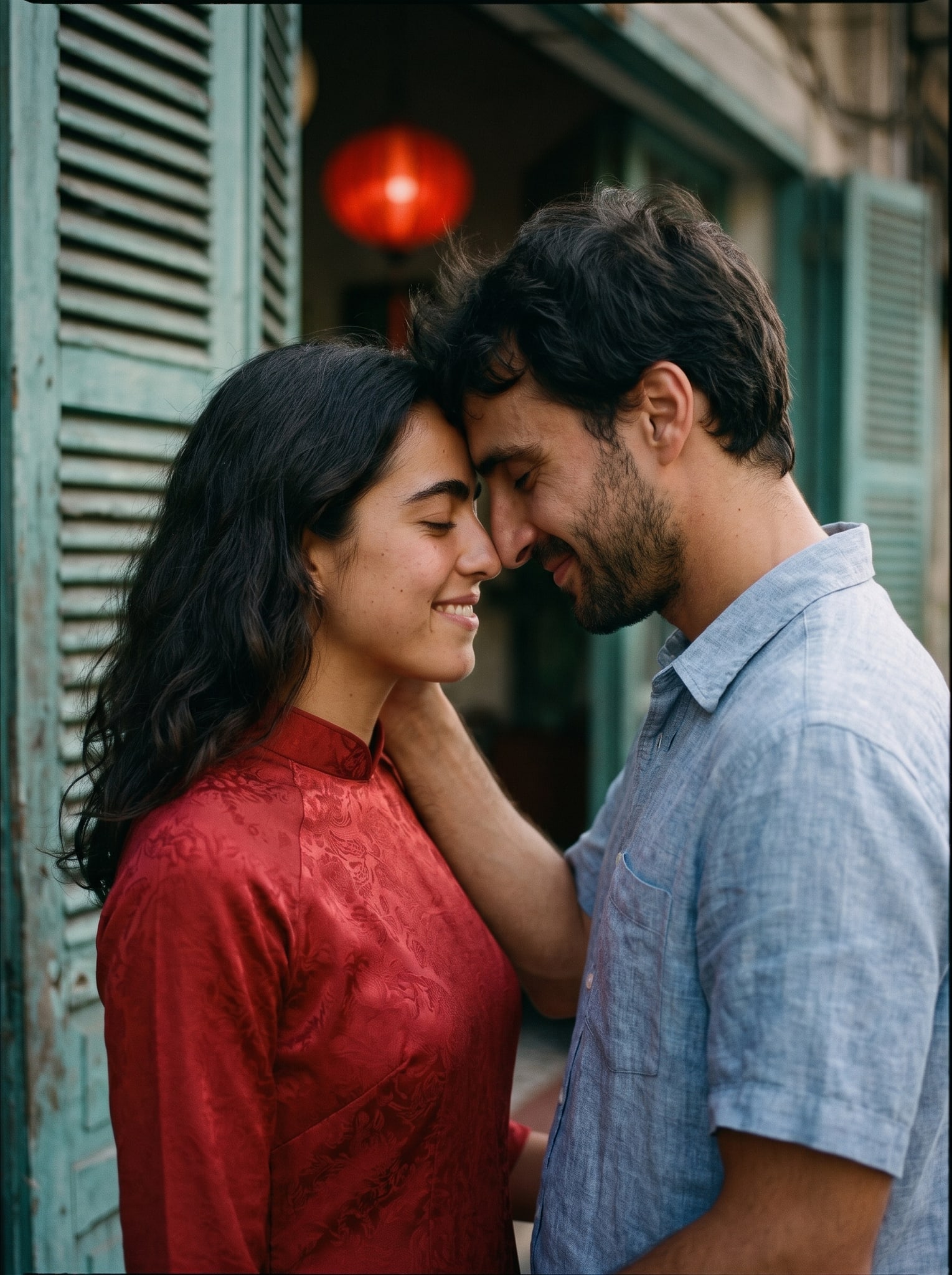
Each location pairs with different mood and time investment. Ben Thanh works best if you want authentic Saigon energy and don't mind managing background activity. If you want simplicity, couple photoshoot bookings at Saigon River or parks require less crowd management but offer fewer "character" layers. Our stylists help you choose based on your ao dai colour, wedding timeline, and whether you want documentary chaos or curated calm.
What to check before you book Ben Thanh ao dai photos
- Ao dai fit: Have it tailored two weeks before, not days before. Market humidity amplifies wrinkles and sweat stains on poorly fitted silk.
- Makeup longevity: Ask our team which formulas work in Saigon heat; bring blotting papers and a compact mirror (we provide touch-up supplies, but you'll feel more confident with your own).
- Backup outfit: Ben Thanh shots often look best with a second ao dai in a different tone or sheen (matte vs. glossy silk). If changing into Western formalwear instead, confirm the outfit with us 48 hours prior so we plan poses and framing.
- Weather forecast: Check 3–5 days ahead. Rain turns the market slippery and light grey and flat; we can still shoot, but we'd advise an indoor alternative or pushing the date. Heat above 33°C adds fatigue and makeup melting—plan more breaks and a nearby café with AC.
- Arrival logistics: Allow 30 minutes for parking near Ben Thanh and a 10-minute walk to the meeting point. Traffic in District 1 is unpredictable; arrive 20 minutes early.
- Edited image delivery: Confirm whether you want colour, black-and-white, or split delivery, and what resolution (print-ready 300 DPI or web 72 DPI). We deliver files within 2 weeks of the shoot.
How do we match Ben Thanh shoots to other sessions?
Many couples book Ben Thanh as part of a longer pre-wedding photoshoot itinerary. We typically structure it as a 2–3 hour morning session (07:00–10:00), then move to a second location (often Old Quarter for contrast, or riverside for soft afternoon light) for another 2 hours. This rhythm prevents fatigue and gives you visual variety without reshooting the same ao dai twice. If you're also planning a proposal or anniversary renewal, Ben Thanh works as the emotional backdrop—the energy and history reinforce the celebration. Some clients combine Ben Thanh ao dai photos with a family photoshoot (parents join for a few frames, usually in the alcove, away from heavy foot traffic). We've learned that mixing Ben Thanh with at least one quieter location yields the strongest final album: the market images feel alive, and the secondary location images feel intimate, so the story is complete.
What happens if something goes wrong on shoot day?
Weather is the biggest variable. One July morning, an unexpected downpour soaked the south-facing arch from 08:30–09:15. We moved everyone to the interior (indoors but still that heritage arches feel, softer light from skylights) and shot there for 30 minutes while we waited. The couple's ao dai dried quickly, makeup was fine, and we moved back outside once the rain cleared. We never cancel for rain; we adapt. Crowds sometimes surge without warning (coach tours, holiday shopping). When that happens, we pause, let the crowd move, and resume in 10–15 minutes. If a vendor asks us to move because we're blocking their stall, we shift location within the market (usually east side, which we keep as a backup). The only scenario where we'd reschedule is if the market closes (extremely rare—maybe once a year for deep cleaning), and we'd offer an alternative date or a different location at no extra cost. Most issues are minor: a strap comes undone, wind knots the fabric train, light flare catches a lens. Our stylists and photographers handle these in seconds.
FAQ
Can we shoot ao dai at Ben Thanh even if we're not getting married there?
Yes. Ben Thanh is open to all photographers. We shoot ao dai portraits, engagement sessions, anniversary renewals, and solo fashion there. It's not exclusive to weddings. Booking and timing are the same regardless of the occasion.
What's the difference between a 2-hour and 3-hour Ben Thanh shoot?
Two hours covers one outfit (one ao dai) and one location within the market (usually main arches plus one secondary spot); you get 40–60 edited images. Three hours includes a second ao dai tone or outfit change, two distinct locations, and more movement/narrative shots; you get 70–100 images. Choose based on your ao dai collection and whether you want variety.
Do we need to hire hair and makeup, or can we do it ourselves?
You can do your own. However, Ben Thanh's heat and humidity degrade DIY makeup within 90 minutes. Most clients pair Ben Thanh shoots with our makeup and hair at your hotel service (booked separately, applies professional matte-finish formulas and a setting spray that holds through the market's dust and humidity). If you prefer to do your own, use long-wear products and bring touch-up supplies.
How many final edited images do we receive, and what format?
Standard ao dai packages at Ben Thanh yield 40–100 edited JPEGs (colour, black-and-white, or mix—your choice) at 300 DPI (print-ready) or 72 DPI (screen). You receive them via cloud link (Dropbox or WeTransfer) within 14 days of shooting. RAW files are not included in standard packages but can be added; confirm preferences before booking.
Can we book Ben Thanh as an add-on to a larger package, like pre-wedding or couple photoshoot?
Yes. Many clients choose Ben Thanh as one location within a multi-location pre-wedding photoshoot or couple photoshoot day. Pricing scales with the total session length and number of locations; we customize the itinerary on WhatsApp after you book.
What should we wear under the ao dai to stay cool?
Lightweight cotton slip shorts and a thin unpadded bra (or no bra, depending on the ao dai's built-in structure). Avoid thick foundations or underwire. The ao dai's silk lining and layered fabric trap heat; underneath minimalism helps. Bring a change of undergarments in case of sweat or dust.
Ao Dai Photoshoot
Inclusions, prices and booking are on our booking site.
FAQ
Can we shoot ao dai at Ben Thanh even if we're not getting married there?
Yes. Ben Thanh is open to all photographers. We shoot ao dai portraits, engagement sessions, anniversary renewals, and solo fashion there. It's not exclusive to weddings. Booking and timing are the same regardless of the occasion.
What's the difference between a 2-hour and 3-hour Ben Thanh shoot?
Two hours covers one outfit (one ao dai) and one location within the market (usually main arches plus one secondary spot); you get 40–60 edited images. Three hours includes a second ao dai tone or outfit change, two distinct locations, and more movement/narrative shots; you get 70–100 images. Choose based on your ao dai collection and whether you want variety.
Do we need to hire hair and makeup, or can we do it ourselves?
You can do your own. However, Ben Thanh's heat and humidity degrade DIY makeup within 90 minutes. Most clients pair Ben Thanh shoots with our [makeup and hair at your hotel](/go/makeup-and-hair) service (booked separately, applies professional matte-finish formulas and a setting spray that holds through the market's dust and humidity). If you prefer to do your own, use long-wear products and bring touch-up supplies.
How many final edited images do we receive, and what format?
Standard ao dai packages at Ben Thanh yield 40–100 edited JPEGs (colour, black-and-white, or mix—your choice) at 300 DPI (print-ready) or 72 DPI (screen). You receive them via cloud link (Dropbox or WeTransfer) within 14 days of shooting. RAW files are not included in standard packages but can be added; confirm preferences before booking.
Can we book Ben Thanh as an add-on to a larger package, like pre-wedding or couple photoshoot?
Yes. Many clients choose Ben Thanh as one location within a multi-location [pre-wedding photoshoot](/go/pre-wedding-photoshoot) or [couple photoshoot](/go/couple-photoshoot) day. Pricing scales with the total session length and number of locations; we customize the itinerary on WhatsApp after you book.
What should we wear under the ao dai to stay cool?
Lightweight cotton slip shorts and a thin unpadded bra (or no bra, depending on the ao dai's built-in structure). Avoid thick foundations or underwire. The ao dai's silk lining and layered fabric trap heat; underneath minimalism helps. Bring a change of undergarments in case of sweat or dust.
More from the team
Ao Dai Photos at Hoi An Lantern Street at Night
Hoi An Lantern Street (Nguyen Hoan) glows at dusk with silk lanterns and reflected light. Our team shoots ao dai here after dark, navigates tight vendor spaces, and handles the low-light challenge with experience from 100+ night sessions.
Ao dai for wedding photos in Quy Nhon: renting, fitting and styling
Quy Nhon's coastal backdrops pair beautifully with traditional ao dai. We walk through rental choices, fitting logistics and how our team coordinates styling on shoot day.
Vietnam Pre-Wedding Photoshoot: What We Book at Cáo Studio
Pre-wedding shoots in Vietnam mean morning light in Hoi An's Old Town, cyclos in Saigon, or terraced fields near Ninh Binh. We walk you through what a session actually costs, how we schedule it, and what goes wrong on the day.