 Cáo Studio
Home › Blog › Pre-Wedding & Elopement
Best Vietnam heritage sites for wedding photos
By the Cáo Studio team · Hanoi & Saigon · 2026-11-02
Vietnam's top heritage wedding photo locations span four regions: Hanoi's temple complexes and French Quarter, Saigon's Reunification Palace and riverside colonial buildings, Hoi An's lantern-lit Old Town, and Ninh Binh's limestone karst temples. Most couples choose 2–3 locations in a single day; a full pre-wedding photoshoot at heritage sites typically spans 4–6 hours with outfit changes. Permits are rarely required for still photography on public grounds, but temple interiors demand sunrise or late-afternoon slots to avoid crowds. Weather matters: shoot October–March for stable light and fewer tourists. Cáo Studio coordinates location timing, transportation between sites, and styling for each backdrop—we've learned which temples close for renovation, where monks prefer photographers to stay, and how midday Saigon heat affects makeup hold. --- Chat with us on WhatsApp
Which heritage sites deliver the strongest visual impact for wedding photos?
We consistently return to six locations because they solve the core problem: dramatic light, clean backgrounds, and authentic Vietnamese character without feeling theme-park staged. Hanoi's Thầy Pagoda (30km west) shoots best 6–8 a.m.—sunlight hits the water and reflected temple details without harsh shadows. The stone bridge, incense smoke, and single-file monks create layers we can't replicate elsewhere. Hoan Kiem Lake's Turtle Tower offers clean geometry and morning mist; we position couples on the red bridge with the tower framed behind them, then move to lakeside paths where trees frame the water. In Saigon, the Reunification Palace gardens (booking required on-site, no advance permit for couples photography) give us manicured lawns, French architecture, and shade—critical because midday heat melts foundation fast. Hoi An's Japanese Bridge and surrounding lantern streets work because narrow alleyways funnel golden-hour light and eliminate distracting modern elements. Ninh Binh's Mua Cave temple at sunrise shows 200+ limestone peaks receding into mist—it's worth the 2 a.m. wake-up. Tran Quoc Pagoda on Hanoi's West Lake combines water, ancient brick, and morning light in one frame. Each site's strength comes down to timing, not location alone.
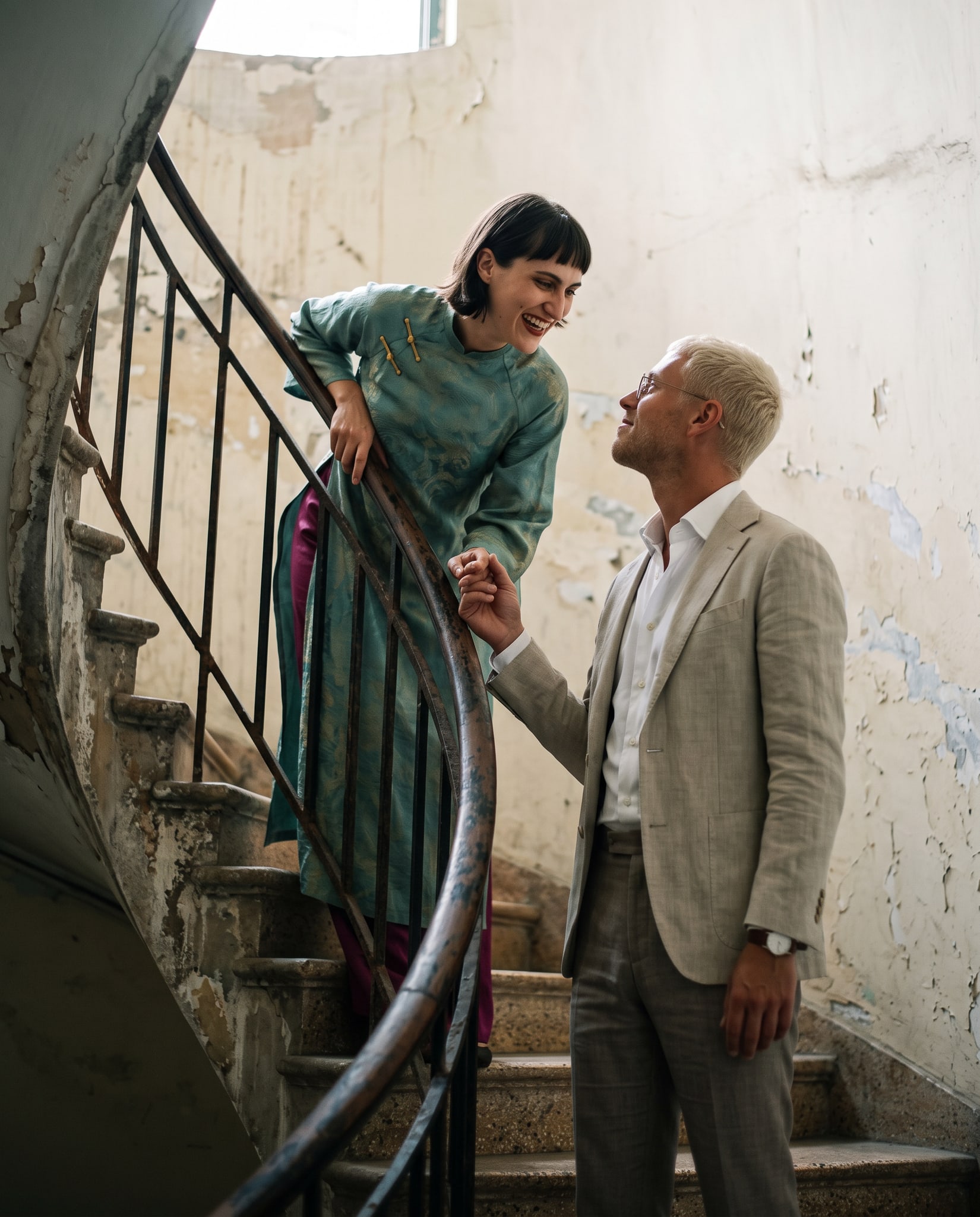
How do we schedule multiple heritage sites without wasting daylight or money?
This is where most couples get stuck. They book three sites and burn three hours in traffic. We've built our pre-wedding photoshoot days around geographic clusters and light windows. In Hanoi, we run a West Lake circuit: Tran Quoc Pagoda (sunrise), breakfast break, Thầy Pagoda or Quan Thanh Temple (morning), then Hoan Kiem Lake or Temple of Literature (golden hour). That's one car, one driver, two outfit changes, and we're home by 5 p.m. In Saigon, we do Reunification Palace (9–11 a.m., before crowds) and War Remnants Museum exterior (lunch break), then move to Jade Emperor Pagoda or Ben Thanh Market's colonial French Quarter (afternoon light). Hoi An is its own full day: shoot Old Town streets at dawn, move to countryside temples like Cau Pagoda by mid-morning, return to Japanese Bridge for golden hour. The table below shows how we balance site power against travel time:
| Site | Best Light | Travel from Hanoi CBD | Permit? | Crowd Peak | Our Peak Shoot Time |
|---|---|---|---|---|---|
| Tran Quoc Pagoda | 6–7:30 a.m. | 20 min | No | 9 a.m. | 6–7:30 a.m. |
| Thầy Pagoda | 6–8 a.m. | 45 min | No | 10 a.m. | 6:30–8 a.m. |
| Temple of Literature | 4–5:30 p.m. | 15 min | No | 3 p.m. | 4:30–5:30 p.m. |
| Hanoi Old Quarter | 4–6 p.m. | 10 min | No | 6 p.m. | 4–5:30 p.m. |
| Reunification Palace (HCMC) | 9–11 a.m. | 15 min | On-site booking | 12 p.m. | 9–10:30 a.m. |
| Hoi An Old Town | 5–6:30 a.m. | 140 min from Hanoi | No | 8 a.m. | 5–6:30 a.m. |
| Ninh Binh Mua Cave | 5:30–7 a.m. | 100 min from Hanoi | No | 9 a.m. | 5:30–7 a.m. |
We never book back-to-back shoots more than 45 minutes apart. Travel time matters. Outfit changes take 15 minutes. Our stylists build rest into the schedule so makeup doesn't crack by hour five.
What do we actually do when weather or crowds kill a site on shoot day?
This happens twice a year. Rain floods Thầy Pagoda's bridge in September; monks close Tran Quoc for renovation in May. On the morning of a shoot, we're texting the couple at 5:30 a.m. with a pivot: rain at Thầy means we move to Quan Thanh Temple (same light quality, covered courtyards, 20 minutes away) or shoot Old Quarter streets with rain-slicked stone instead—we've learned to love wet pavement reflections. If a temple has unexpected crowds (monks hosting a festival), we shoot exterior details—gates, stupas, gardens—and save interiors for a return slot. We've built relationships with pagoda staff over four years: they text us closure dates, give us 6 a.m. access before opening hours, and ask us not to photograph certain private ceremonies. That trust saves shoots. Ninh Binh caves get misty some mornings; we carry backup plans of nearby Hang Mua temple or the Tam Coc river boat launches. Weather apps matter less than local calls—our driver confirms road conditions and monument access two hours before pickup. Couples sometimes worry cost changes if we pivot; we absorb the logistics. Your pre-wedding photoshoot package covers location scouting and backup plans, so changes don't extend your session.
How does styling change when shooting across six different heritage backdrops?
One white áo dài doesn't work everywhere. Tran Quoc's ancient red and gold needs a second outfit—we'll use a blush or champagne silk áo dài so you're not washed out against the old brick. Temple grounds demand covered shoulders; Hoi An lantern streets sing with jewel tones or soft pastels (reds read as red, not muddy). Reunification Palace's French columns require either bold color (emerald, sapphire) or classic white—pale pink fades into those stone walls. We arrive with three outfit options and choose on-site based on morning light. Our stylists know which makeup reads at distance (temples need stronger liner and blush) versus intimate shots (gardens suit soft makeup). Áo dài tailoring matters: we test hemlines on location days—stairs at Thầy Pagoda and Mua Cave need 2–3 inches extra clearance, or you're hiking bunched silk. Jewelry reads differently too: gold glints off pagoda light; we dial it down for riverside shots. We've learned that couples who plan two outfits shoot 40% more usable frames because light and location change mid-day. When you book a couple photoshoot or proposal and anniversary package, mention your heritage site preferences—our team sends a styling guide two weeks before so you arrive confident.
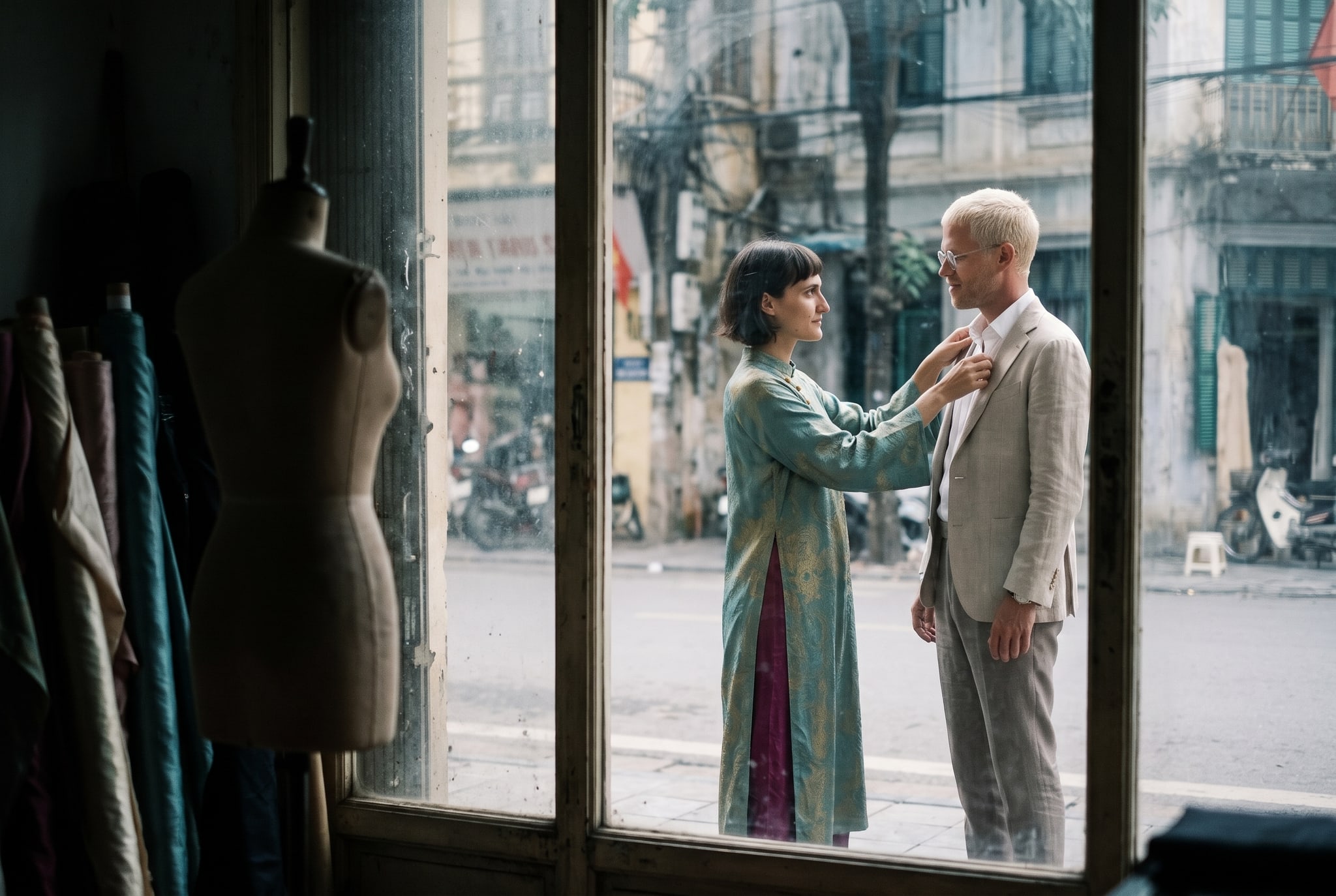
What does a realistic heritage photo day look like, hour by hour?
We meet at your hotel at 5:00 a.m., makeup starts immediately (30–45 minutes). You're out shooting by 6:00 a.m. at Tran Quoc or Thầy Pagoda; morning light is non-negotiable for water and stone detail. By 8:00 a.m., we've shot 150–200 frames. We take a 30-minute breakfast break—this isn't downtime, it's hydration and touch-up for makeup. By 9:30 a.m., we're at outfit change location (usually a nearby hotel or vehicle) and shoot second set by 10:30 a.m. Midday 11 a.m.–1 p.m. is often travel time or edit break to manage heat. We reconvene at 3:00 p.m. for golden-hour shooting at a third site (Hoan Kiem, Jade Emperor Pagoda, or Old Quarter). By 5:30 p.m., we've captured 400+ frames across three locations and two outfits. Couple returns to hotel by 6:30 p.m. The day is long—we run six-hour shoots because heritage sites demand sunrise and sunset light; midday shots look flat and harsh. Your body clock adjusts by day two of a Hanoi or Hoi An trip. We've had couples tell us the 5 a.m. start was the hardest part; the payoff is 300+ gallery-ready images. Ask us for a quote on WhatsApp and we'll map your specific locations and timeline.
See packages and prices on vietnamphotoshoot.com
How do we get permits, insurance, and permissions right?
Most heritage sites in Vietnam don't require advance photography permits for personal wedding shoots—this is different from commercial filming. Hanoi's temples and pagodas accept photographers with respect (no flash inside, no paid permits). Reunification Palace in Saigon does ask you to book on-site a day before or mention it when you arrive; guards will brief you on no-go zones (interior offices, sensitive displays). Hoi An Old Town is free to photograph; the lantern streets are public. Tran Quoc Pagoda and Quan Thanh prefer morning access (6–8 a.m.) before tourist waves. Mua Cave charges a small entrance fee per person (ask us for current rates—they change seasonally). Our team carries ID and a letter explaining the shoot in Vietnamese, drafted by our Hanoi team. We've never been asked to leave, but we've learned to ask a monk or guard's permission before shooting interiors. Insurance for location shoots is not a legal requirement in Vietnam's heritage sites as of 2026; it's standard in our team's operational cost. When you book with Cáo Studio Hanoi or Cáo Studio Saigon, we handle all on-site protocols—you show up in your áo dài and we manage the rest.
What should couples check before locking in a heritage wedding photo date?
Before finalizing your shoot, confirm three things with us: Specific sites and backup options. Tell us your top three locations; we'll check closure calendars and current permit rules. Temples sometimes close 1–2 weeks for festivals or renovations. Light and season. October–March is dry and clear; April–September is humid and hazy (still shootable, but less dramatic). We'll adjust your timeline if you're visiting in monsoon months. Outfit and styling fit. Áo dài hemming takes 3–5 days; if you're flying in with a gown, we need photos of it two weeks prior so we know neckline and weight (heavy silk shoots differently than light cotton áo dài). Travel distance and endurance. Ninh Binh and Hoi An shoots require early starts and longer days; if you have mobility concerns, we pivot to Hanoi and Saigon locations with closer spacing. Weather backup plan. Agree on a pivot location before the day. We always have a plan, but knowing you're flexible saves stress calls at 6 a.m. Ask us for a quote on WhatsApp with these details and we'll confirm timeline and location fit within 24 hours.
FAQ
Do we need to pay permission fees at temples for wedding photography?
Most Hanoi pagodas (Tran Quoc, Thầy, Quan Thanh) don't charge photography fees for couples' personal shoots as of 2026. Mua Cave in Ninh Binh charges an entrance fee per person (not a photography fee). Reunification Palace in Saigon books on-site; no advance fee, but staff may ask you to avoid interior offices. We confirm all fees and access before your shoot date.
What if we want to shoot multiple heritage sites in one day across Hanoi?
Yes, we build these as three-site days routinely. West Lake circuit takes 5–6 hours total: Tran Quoc (sunrise), Thầy or Quan Thanh (morning), Temple of Literature or Old Quarter (golden hour). Travel time is built in. We move you via private car with a driver familiar with temple access.
Can we book a heritage shoot if we're not staying in Hanoi or Saigon?
Absolutely. Vacation and solo photoshoot and couple photoshoot packages work for travelers staying in hotels anywhere in our service areas. We've hosted couples from Hoi An shooting Hanoi heritage sites; it requires an early start and overnight return, but we coordinate accommodation recommendations and logistics.
What's the difference between a heritage site shoot and a wedding day shoot?
Heritage shoots are planned photoshoots days (days before or after your wedding) at temples, pagodas, and historic sites—no ceremony, just couple portraits. Wedding day shoots capture the ceremony and reception itself. Many couples book both. We offer both through pre-wedding and elopement package and our main wedding services listed on our booking site.
How many outfit changes can we fit into one heritage shoot day?
We typically plan two outfit changes in a 6-hour day without feeling rushed. Three changes is possible but compresses shoot time at each location and stresses makeup and styling. We recommend two outfits (áo dài and Western gown, or two áo dài in different colors) for best results. Ask us for a quote on WhatsApp and we'll map the timing.
Can we shoot indoors at temples, or only outdoors?
Both. Interior temple shots work 6–8 a.m. and 4–5:30 p.m. (natural light, no flash, fewer crowds). Outdoor courtyards and gardens work all day but are most dramatic in early morning and golden hour. We scout each location and recommend which interiors are worth the early start versus outdoor-only days based on the temple's architecture.
Pre-Wedding & Elopement
Inclusions, prices and booking are on our booking site.
FAQ
Do we need to pay permission fees at temples for wedding photography?
Most Hanoi pagodas (Tran Quoc, Thầy, Quan Thanh) don't charge photography fees for couples' personal shoots as of 2026. Mua Cave in Ninh Binh charges an entrance fee per person (not a photography fee). Reunification Palace in Saigon books on-site; no advance fee, but staff may ask you to avoid interior offices. We confirm all fees and access before your shoot date.
What if we want to shoot multiple heritage sites in one day across Hanoi?
Yes, we build these as three-site days routinely. West Lake circuit takes 5–6 hours total: Tran Quoc (sunrise), Thầy or Quan Thanh (morning), Temple of Literature or Old Quarter (golden hour). Travel time is built in. We move you via private car with a driver familiar with temple access.
Can we book a heritage shoot if we're not staying in Hanoi or Saigon?
Absolutely. [Vacation and solo photoshoot](/go/vacation-photoshoot) and [couple photoshoot](/go/couple-photoshoot) packages work for travelers staying in hotels anywhere in our service areas. We've hosted couples from Hoi An shooting Hanoi heritage sites; it requires an early start and overnight return, but we coordinate accommodation recommendations and logistics.
What's the difference between a heritage site shoot and a wedding day shoot?
Heritage shoots are planned photoshoots days (days before or after your wedding) at temples, pagodas, and historic sites—no ceremony, just couple portraits. Wedding day shoots capture the ceremony and reception itself. Many couples book both. We offer both through [pre-wedding and elopement package](/go/pre-wedding-photoshoot) and our main wedding services listed on our booking site.
How many outfit changes can we fit into one heritage shoot day?
We typically plan two outfit changes in a 6-hour day without feeling rushed. Three changes is possible but compresses shoot time at each location and stresses makeup and styling. We recommend two outfits (áo dài and Western gown, or two áo dài in different colors) for best results. Ask us for a quote on WhatsApp and we'll map the timing.
Can we shoot indoors at temples, or only outdoors?
Both. Interior temple shots work 6–8 a.m. and 4–5:30 p.m. (natural light, no flash, fewer crowds). Outdoor courtyards and gardens work all day but are most dramatic in early morning and golden hour. We scout each location and recommend which interiors are worth the early start versus outdoor-only days based on the temple's architecture.
More from the team
Boho pre-wedding photoshoot in Vietnam: Hanoi, Saigon, Hoi An
Boho pre-wedding shoots mix romantic, free-spirited aesthetics with Vietnam's landscapes and heritage sites. We run full-day sessions in three cities, handling styling, makeup, location scouts and edits.
Avoid crowds at Hoang Su Phi rice terraces: timing for wedding shoots
Hoang Su Phi's terraced landscape draws couples and tour buses in equal measure. We show how to shoot there alone, when to arrive, and what to arrange with us before you go.
Photography rules at Con Dao beaches: permits, drones and what to check
Con Dao's beaches demand prep before you shoot—permits, drone zones and tide timing all affect your day. We share what the Cáo Studio team verifies on every booking.