 Cáo Studio
Home › Blog › Pre-Wedding & Elopement
Colonial architecture pre-wedding photos in Da Lat
By the Cáo Studio team · Hanoi & Saigon · 2026-11-02
Colonial architecture in Da Lat means shooting at French-era villas, Hang Nga House, Dalat Palace, and suburban estates built 1920–1960. We book shoots there October–November or February–March when light is soft and skies clear. A typical session runs 4–6 hours: travel from town, 2–3 location changes, outfit changes, makeup touch-ups on-site, and midday breaks due to harsh light. Cáo Studio includes a photographer, stylist, and assistant; you arrange transport or we coordinate. Expect fog early morning (atmospheric but slow), mud after rain (boots and backup clothing), and restricted access to private villas (we scout permissions weeks ahead). Cost varies by outfit count, location difficulty, and team size—ask us for a quote on WhatsApp. Chat with us on WhatsApp | See packages and prices on vietnamphotoshoot.com
Why does Da Lat's colonial style suit pre-wedding shoots?
Da Lat's architecture reflects 80 years of French colonial design. Pastel-painted walls, shuttered windows, tile roofs, and gardens create depth and romance without competing with you. The town's elevation (1,500 m) keeps light soft and color saturation high—skin tones photograph warmer, fabrics pop. We find that colonial backdrops age well in albums because they're timeless, not trendy. Unlike modern city backgrounds, these spaces feel intimate and personal. Couples tell us later the architectural details frame their story, not overpower it.
See packages and prices on vietnamphotoshoot.com
Which colonial locations give the best light at different times?
We schedule shoots by season and time. Early morning (6–8 am) at Hang Nga House works best: mist clings to the garden, soft directional light hits stone archways, and tourist crowds haven't arrived. By 10 am, harsh overhead sun flattens colonial walls; we move to tree-lined streets near Dalat Palace or under villa eaves. Afternoon (2–4 pm) fog rolls in—romantic but slow; we use reflectors or move to indoor colonial-style rooms. Rainy season (May–September) brings mud and blocked sightlines, so we avoid booking then. Our team carries backup indoor colonial spaces (abandoned hotels, villa lobbies) for unpredictable weather. Late afternoon (4–5 pm) in dry months gives golden light on wrought-iron gates and garden pathways—our preferred window for emotional couple portraits.
What do we pack and prepare the day before?
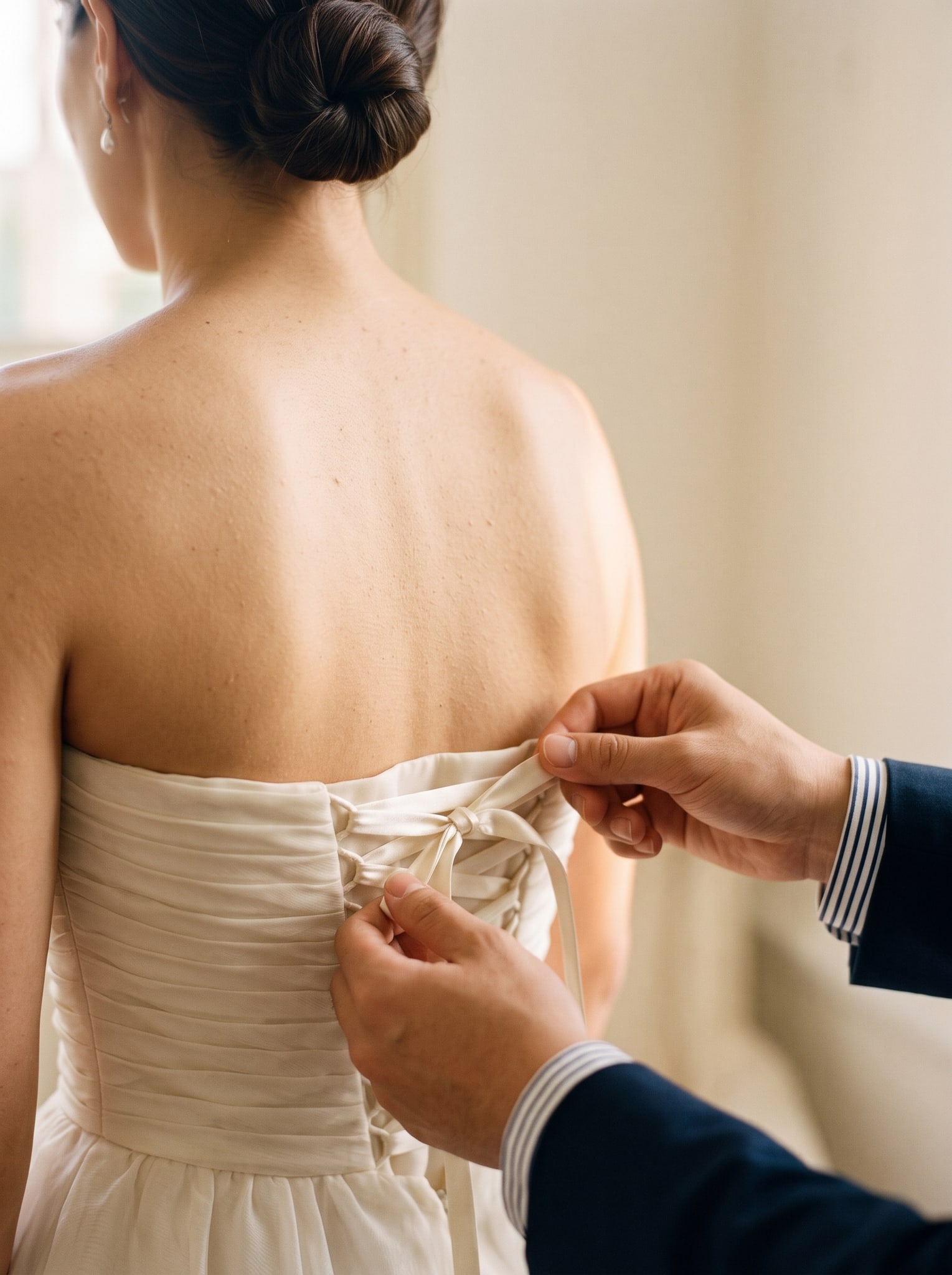
The night before, our stylist confirms outfit fabrics. Silk and linen crease easily on a 3-hour drive; cotton and blends travel better. We pack a small steamer, safety pins, and backup hems. Our photographer checks battery capacity (Da Lat humidity drains cells faster) and lens filters for haze. We print a 1-page map of shooting locations with GPS pins, backup roads, and a list of cafés for breaks. The assistant prepares a kit: wet wipes, sunscreen, blotting powder, bobby pins, a phone charger, and a first-aid pouch (blisters from cobblestone streets are common). We also confirm with villa owners 48 hours before—one client's favorite colonial estate cancelled 12 hours prior due to a private event, forcing us to shift to Dalat Palace and reschedule the timeline. Now we call again 36 hours out.
How do we handle rain and fog on the day?
Rain in Da Lat arrives suddenly. We scout a covered colonial spot (villa veranda, hotel arcade, historic chapel interior) as a backup before the shoot starts. Fog is trickier: it's romantic in small doses but kills fine detail and requires faster lenses. We increase ISO, open apertures wide, and shoot in RAW to recover detail in post. If fog locks in by noon, we shift focus to close-up couple portraits and architectural details (stone corners, door frames, garden gates) rather than full-villa wide shots. We've learned to embrace rain-wet cobblestones and wet villa walls—they add texture and mood. One couple's session was 60% fog; we leaned into it and shot moody details instead of broad landscapes. Their album felt intimate, not compromised. Bonus: fewer tourists in heavy rain, so we get empty colonial streets.
How much outfit and location variety is realistic in one day?
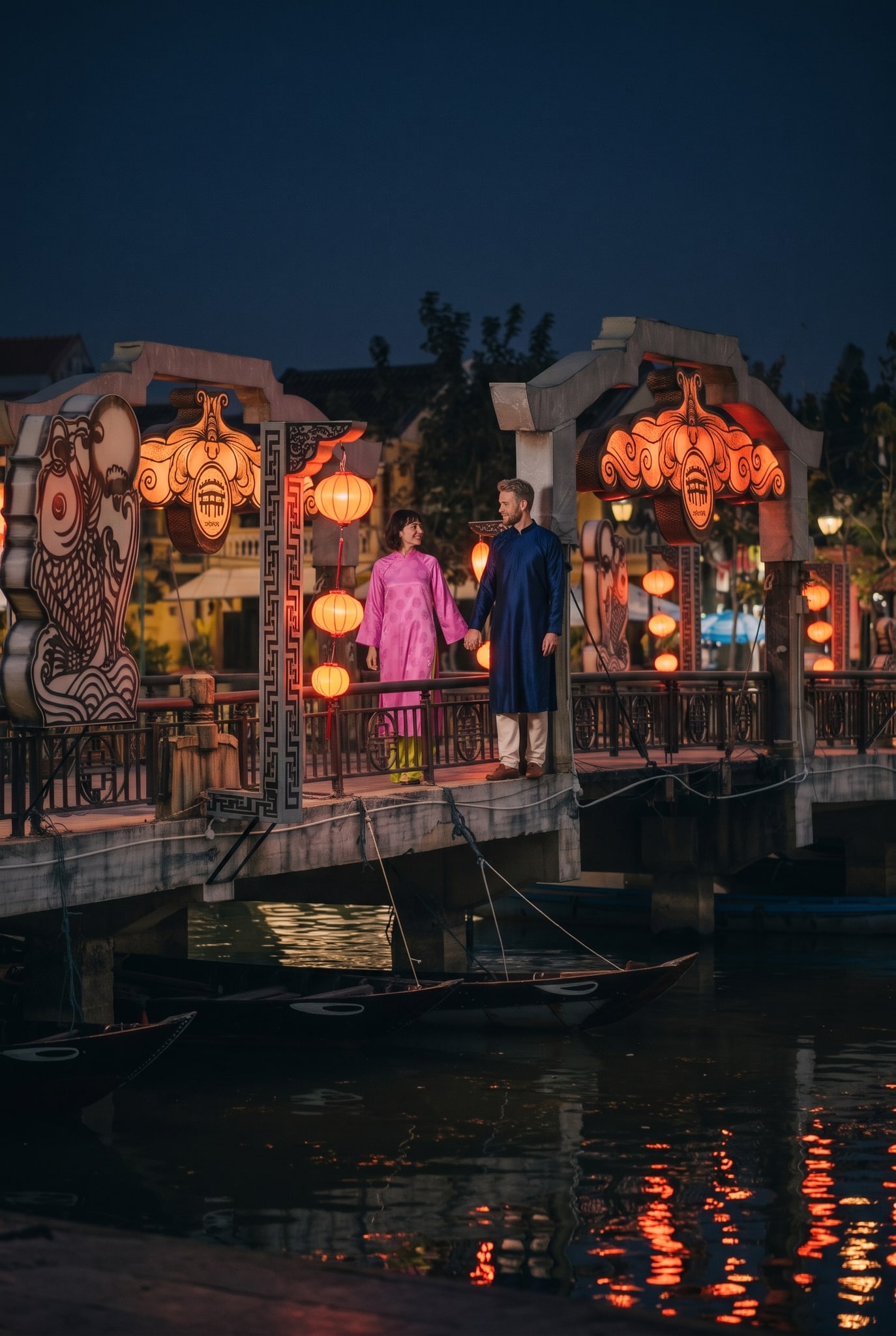
Colonial architecture limits outfit changes because re-dress logistics are slow outdoors. We typically plan 2 complete outfit changes maximum—one formal áo dài or suit for the main villas, one casual or semi-formal for garden and street scenes. Switching takes 15–20 minutes including makeup touch-up and hair reset. Three outfits means losing 30–40 minutes to logistics and cutting into shooting time. Location variety is higher: we fit 3–4 colonial sites into a 6-hour session by timing travel and using one makeup/outfit per location. A comparison of planning approaches:
| Session Length | Outfit Changes | Locations | Best For | Reality Check |
|---|---|---|---|---|
| 4 hours | 1 | 2 (nearby villas) | Tight budgets, time-limited couples | Rushed; limited outfit diversity; tight edits. |
| 6 hours | 2 | 3–4 (spread across town) | Balanced shoots, album variety | Realistic pacing; includes breaks; 1–2 outfit flops absorbed. |
| 8+ hours | 2–3 | 4–5 (requires vehicle) | Ambitious albums, destination travelers | Fatigue visible by hour 7; light degrades; costs rise for extended team time. |
Our team recommends 6-hour pre-wedding photoshoot sessions in Da Lat—long enough for 2 outfit changes and meaningful location shifts, short enough to stay energized and capture natural emotion.
What hidden costs or surprises do couples miss?
Transport between colonial sites in Da Lat is not free or included by default. Some villas charge access fees (50–our current quote per couple, not stated upfront), so we negotiate or find free public colonial spots. Makeup touch-ups mid-session cost extra if not bundled. If a couple insists on a fourth outfit or sixth location, time overruns incur additional fees. Weather delays (fog clears later than forecast) compress timelines. One couple booked a sunset shoot at a private colonial villa but the owner had guests that day—we didn't learn this until arrival. We've now added a 72-hour location confirmation call. Outfit cleaning after muddy rain costs money if you need dry-cleaning same-day. Da Lat's elevation means some guests feel breathless during active posing—we build in longer breaks and lower-intensity poses. Ask us on WhatsApp what's included in your package tier to avoid surprises.
What to check before you book a Da Lat colonial shoot
- Confirm your outfit fabrics and fit. Silks wrinkle; cotton and blends travel better. Pack one casual outfit as a safety in case your formal choice feels wrong on the day.
- Check the weather forecast 10 days before. Rainy season (May–September) is unpredictable; dry season (October–April) is safer, though fog still happens.
- Decide outfit count realistically. Two complete changes fit naturally in 6 hours; three is ambitious and adds stress.
- Clarify what's included. Ask whether transport between locations, villa access fees, makeup touch-ups, and meal breaks are bundled or separate.
- Confirm location access 48 hours prior. Private colonial estates may cancel or restrict hours; we scout backups, but you should know the possibility exists.
- Pack a small bag on the day. Bring sunscreen, blotting powder, phone charger, comfortable shoes, and a light jacket for early morning or evening fog.
- Set realistic edit expectations. Colonial architecture reads well in warm, slightly faded tones; punchy saturation can feel artificial. Discuss your preferred aesthetic before shooting.
For couple photoshoot guidance specific to Da Lat or details on makeup and hair at your hotel before travel, message us. Cáo Studio also runs proposal and anniversary package shoots in Da Lat if you're celebrating a milestone in colonial settings.
Chat with us on WhatsApp | See packages and prices on vietnamphotoshoot.com
FAQ
Do we need to hire a local guide for colonial site access?
No. We scout access and permissions in advance; villas we work with are pre-arranged. Public colonial sites (streets, Hang Nga House, Dalat Palace grounds) are freely accessible. We do the coordination—you just show up.
What's the age of the colonial villas and are they photographed often?
Most villas we shoot were built 1920–1960 during and after French rule. They're well-known local landmarks but rarely overcrowded on weekday mornings, especially October–November. Popular estates like Hang Nga are busier mid-morning; we book early slots to avoid crowds.
Can we shoot indoors in a colonial villa if weather turns bad?
Yes. Colonial villa interiors—high ceilings, tile floors, shuttered windows, wooden details—photograph beautifully in low light. We always have an indoor backup location in mind; shifting indoors mid-shoot adds depth to albums.
How does Da Lat's elevation and temperature affect the shoot?
Da Lat is cool (15–20°C), so you won't sweat excessively and makeup stays stable longer. Some guests feel breathless during active posing at 1,500 m; we build in longer pauses between pose sets. Bring a light jacket for early morning or late afternoon fog.
Is one 6-hour session enough or should we book two days?
One 6-hour session covers 2 outfit changes and 3–4 colonial locations thoroughly. Two-day shoots are for couples who want 4+ outfits, multiple towns (Da Lat + Hoi An), or redundancy for unpredictable weather. Ask us to recommend the right length based on your vision.
Do you shoot in black-and-white for colonial architecture?
We offer both color and monochrome edits in final galleries. Colonial pastels and wrought-iron detail beautifully in color; black-and-white suits dramatic stone and shadow work. Discuss your preferred ratio during planning—no extra charge to deliver both.
Pre-Wedding & Elopement
Inclusions, prices and booking are on our booking site.
FAQ
Do we need to hire a local guide for colonial site access?
No. We scout access and permissions in advance; villas we work with are pre-arranged. Public colonial sites (streets, Hang Nga House, Dalat Palace grounds) are freely accessible. We do the coordination—you just show up.
What's the age of the colonial villas and are they photographed often?
Most villas we shoot were built 1920–1960 during and after French rule. They're well-known local landmarks but rarely overcrowded on weekday mornings, especially October–November. Popular estates like Hang Nga are busier mid-morning; we book early slots to avoid crowds.
Can we shoot indoors in a colonial villa if weather turns bad?
Yes. Colonial villa interiors—high ceilings, tile floors, shuttered windows, wooden details—photograph beautifully in low light. We always have an indoor backup location in mind; shifting indoors mid-shoot adds depth to albums.
How does Da Lat's elevation and temperature affect the shoot?
Da Lat is cool (15–20°C), so you won't sweat excessively and makeup stays stable longer. Some guests feel breathless during active posing at 1,500 m; we build in longer pauses between pose sets. Bring a light jacket for early morning or late afternoon fog.
Is one 6-hour session enough or should we book two days?
One 6-hour session covers 2 outfit changes and 3–4 colonial locations thoroughly. Two-day shoots are for couples who want 4+ outfits, multiple towns (Da Lat + Hoi An), or redundancy for unpredictable weather. Ask us to recommend the right length based on your vision.
Do you shoot in black-and-white for colonial architecture?
We offer both color and monochrome edits in final galleries. Colonial pastels and wrought-iron detail beautifully in color; black-and-white suits dramatic stone and shadow work. Discuss your preferred ratio during planning—no extra charge to deliver both.
More from the team
Boho pre-wedding photoshoot in Vietnam: Hanoi, Saigon, Hoi An
Boho pre-wedding shoots mix romantic, free-spirited aesthetics with Vietnam's landscapes and heritage sites. We run full-day sessions in three cities, handling styling, makeup, location scouts and edits.
Avoid crowds at Hoang Su Phi rice terraces: timing for wedding shoots
Hoang Su Phi's terraced landscape draws couples and tour buses in equal measure. We show how to shoot there alone, when to arrive, and what to arrange with us before you go.
Photography rules at Con Dao beaches: permits, drones and what to check
Con Dao's beaches demand prep before you shoot—permits, drone zones and tide timing all affect your day. We share what the Cáo Studio team verifies on every booking.