 Cáo Studio
Home › Blog › Vacation & Solo Photoshoot
Hanoi Train Street Photoshoot: What Our Team Plans Hour by Hour
By the Cáo Studio team · Hanoi & Saigon · 2026-11-02
Hanoi train street photoshoots take place on the narrow railway corridor in the Old Quarter, where colonial shophouses sit metres from active tracks. A typical Cáo Studio session runs 2–3 hours, starting before rush times (we avoid 7–9 a.m. and 4–6 p.m. when freight trains pass). The session includes a stylist, photographer, and sometimes a makeup artist; guests wear one outfit or change into an áo dài. We scout the best light and safest corners in real time, adapting to train schedules and foot traffic. The cost depends on whether you add vacation and solo photoshoot options or book a couple or family session. No surprises—we brief guests on WhatsApp 48 hours before with exact meeting times, what trains run that day, and why standing on the tracks is never safe. Chat with us on WhatsApp
Why does train street timing matter so much?
Active railway lines don't follow a schedule tourists can predict. We check Hanoi Rail's freight timetables the morning of your shoot and scout the corridor in person—often spotting trains arrive 15 or 30 minutes off the official record. If a locomotive passes during your slot, we pause, move guests to a side alcove, and resume once the tracks clear. Summer monsoons sometimes flood the lower sections, forcing us to reshoot higher up near Phố Cầu Giấy. The real risk isn't the trains—it's tourists stepping backward onto rails for a "perfect shot." We position ourselves between guests and the tracks, use voice cues ("step left, stop") in real time, and never allow anyone on the actual rails. Timing also means light: early morning (6–7 a.m.) gives soft, cool shadows; midday flattens color; late afternoon (3–5 p.m.) is golden but crowded. Conclusion: we always book your slot based on current rail activity and sun angle, not just your preference.
What should guests pack and wear for a train street session?
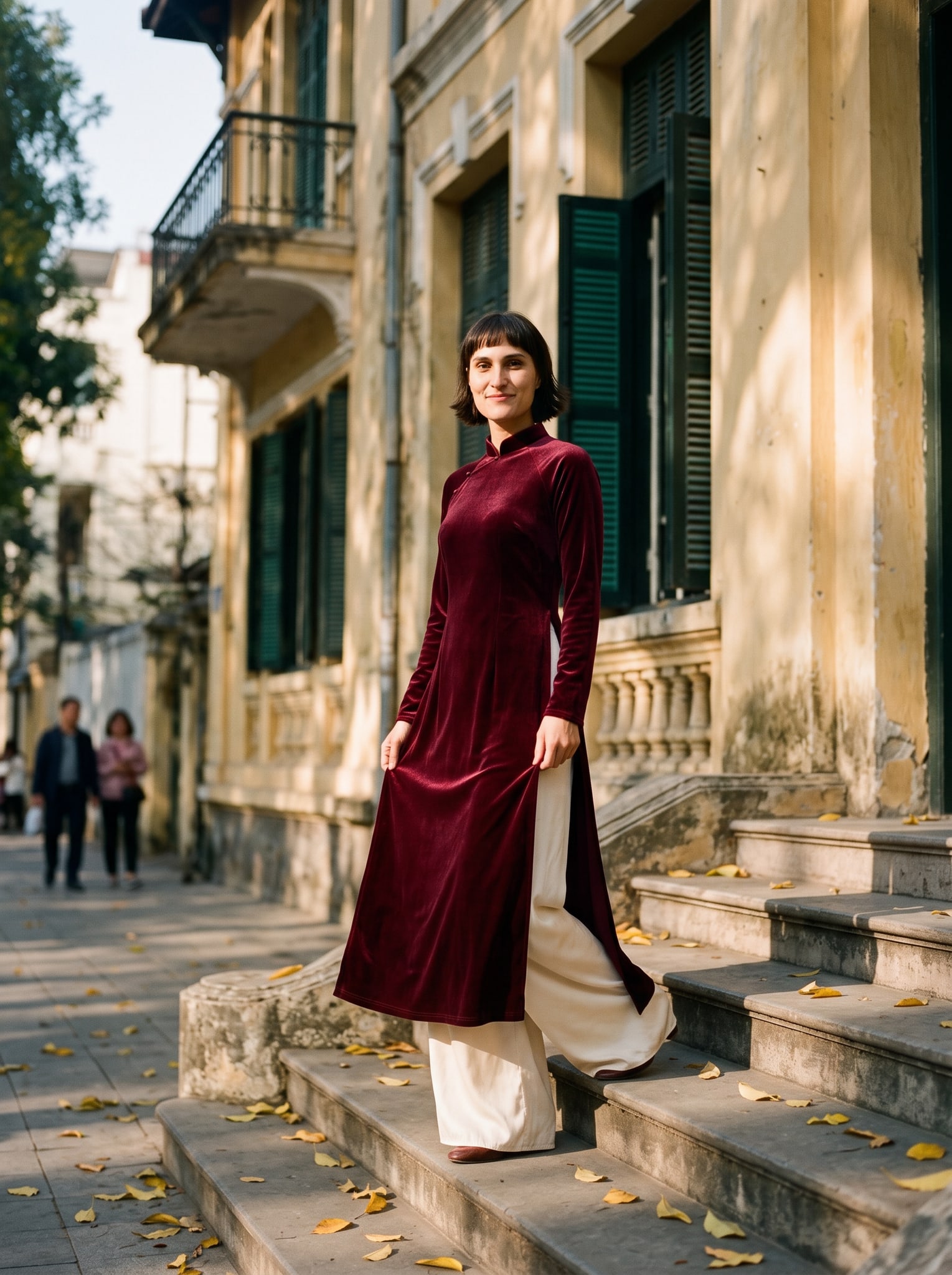
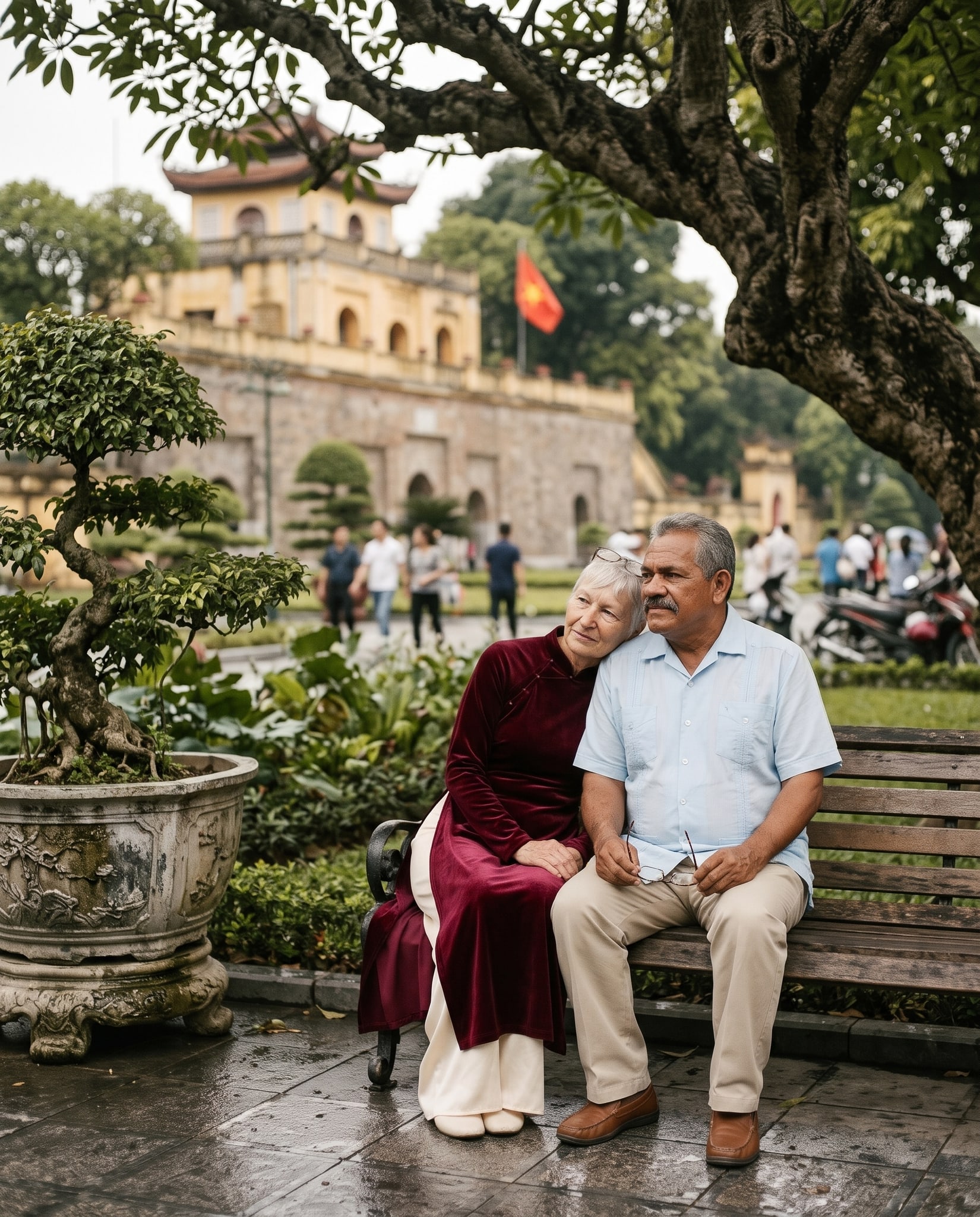
Narrow lanes and dusty rails mean clothes take real wear. We advise guests to bring a second outfit if they want contrast—many choose a modern dress for the first hour, then change into a rented áo dài (traditional Vietnamese tunic) for the second. Comfortable walking shoes are non-negotiable: you'll step over gravel, puddles, and gaps between stones. Hats, sunglasses, and a water bottle stay in a small backpack our assistant carries; we never clutter the frame with bags. Colors pop against the weathered brick: deep jewel tones (emerald, sapphire), pastels, or white linen work best. Avoid busy patterns that compete with the colonial architecture. If you're booking a couple photoshoot, coordinate outfits so one person wears warm tones and the other cool—the contrast reads better in shadows. Many guests ask about áo dài rentals; we don't supply them, but we know two tailors within 100 metres who offer same-day fits. One guest showed up in a 6-inch heel last month—we reshoot that whole section in flats. Conclusion: simple, comfortable, bold colors, and a backup outfit if you want variety.
See packages and prices on vietnamphotoshoot.com
How do we handle crowds and other tourists?
Train street sees 200–400 people per day, mostly tourist groups with selfie sticks. On our shoots, we arrive 20–30 minutes early to scout clear sightlines and negotiate "quiet zones" with shop owners we've worked with for years. The café on the corner of Phố Cầu Giấy lets us use their upper window for overhead shots (in exchange, we send them edited images they use on Instagram). We also time shots around tour groups—when a large cluster passes, we move guests into a side shophouse doorway and reframe the composition. This sounds chaotic, but it's actually an advantage: the authentic crush of Hanoi becomes part of your story, not something we try to erase. One strategic choice we make on every shoot: whether to position you in the middle of the tracks (dramatic, exposed) or nestled into a shopfront nook (intimate, safer). Solo travelers often choose the nook; couples want the bold middle shot for the scale. We've learned to read the energy 10 minutes in and offer a choice: "Do you want to feel small in this place, or do you want to own it?" Conclusion: crowds are real, but we use timing, local relationships, and positioning to turn them into texture rather than noise.
What's the difference between a solo, couple, or group train street session?
Our team runs three common bookings on this street, each with different pacing and storytelling.
| Session Type | Who It's For | Typical Length | What We Focus On |
|---|---|---|---|
| Solo vacation photoshoot | Travelers, digital nomads, profile pictures | 2 hours | Candid walking shots, portraits, you exploring shops, reflections in windows, one outfit change |
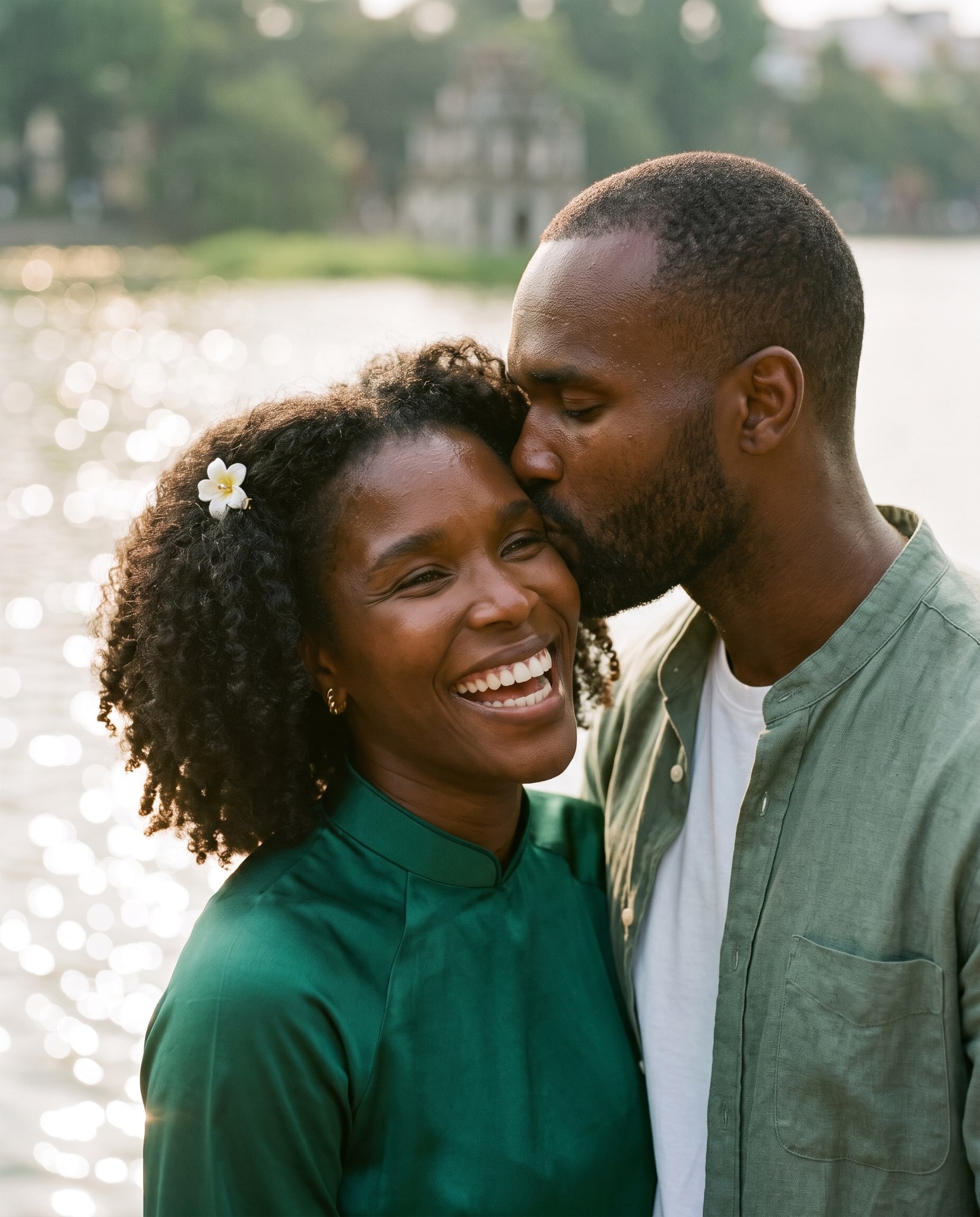
| Couple photoshoot | Partners, engagement, anniversaries | 2.5–3 hours | Interaction (holding hands, laughing), intimate details (rings, tattoos), one solo shot each, one outfit change per person |
| Family photoshoot | 3–5 people, multi-generational | 3–3.5 hours | Individual portraits, pairs, full group, slower pacing to manage kids and timing, often 1.5 outfit changes |
A solo shoot is fastest because we can move freely and recompose quickly—one person is easier to position and safer on the rails. A couple needs longer because we capture individual portraits and interaction shots, which means at least two distinct passes through the same spot. Family sessions are slowest: small children move unpredictably, weather bothers older relatives, and we take extra time to ensure everyone looks their best in the group shots. We also charge differently based on package: check vacation and solo or couple photoshoot options to compare. One insight: couples often want to skip the interaction shots and go straight to solo portraits—we've learned to ask, "Do you want this to feel candid or posed?" in the WhatsApp brief. That answer shapes how we block the entire session. Conclusion: longer sessions aren't always better; the right length depends on what story you want to tell.
What goes wrong on train street, and how do we prevent it?
Real disasters, not theory: a guest slipped on wet rails in August 2025 (minor scrape, we had first aid); another had a panic attack when a freight train came around the corner without warning (we moved to the side, waited 20 minutes, rebooked part of the session). Weather is our most common curveball—a afternoon drizzle turned the stones into a skating rink, so we switched to portraits only and extended the edit timeline to include rain-slick reflections. One couple booked a 9 a.m. slot without reading our email about the 8:45 freight run; they arrived to an active train passing, got startled, and felt rushed. Now we send a WhatsApp 24 hours before with a photo of that day's train schedule. Guests sometimes underestimate how exposed train street feels: the rails are narrow, the noise is real, and standing there for 40 minutes in sunlight is tiring. We break sessions into two 45-minute blocks with a café rest in between. Another common mistake: guests wear new clothes they've never moved in, then feel stiff in frames. We now ask, "What did you wear the last time you felt confident?" and recommend something familiar. One technical issue: phone notifications and tourist voices can ruin audio if you want video—we've started asking whether guests care about clean sound before we choose equipment. Conclusion: we prevent most problems through honest pre-shoot messaging and real-time flexibility.
How do you actually book a train street session with us?
The process is straightforward but requires two weeks' notice. Message us on WhatsApp with your desired dates, how many people, and whether you want one outfit or multiple changes. We respond within 12 hours with available time slots (we don't book back-to-back sessions on train street because timing is too tight). Once you choose a slot, you'll move to our booking site, vietnamphotoshoot.com, where you select your package type—vacation photoshoot for solos, couple photoshoot for pairs, family photoshoot for groups. You'll answer questions about your outfit choices, whether you want a stylist or makeup artist (add-ons available via makeup and hair at your hotel if you need prep before the shoot), and your preferred edit style (color, black and white, moody, bright). Payment can be made online via credit card, bank transfer, or cash on the day—we accept Visa and Mastercard. You'll receive edits within 10 days; we offer a 30-day policy if images need reshoots due to technical error on our end. Our Hanoi studio team handles all train street work, so booking is direct with us—no middlemen. A final piece: if this is your first time in Hanoi and you want context beyond train street, ask about vacation photoshoot combinations that bundle the train street session with a second location (Hoan Kiem Lake, the French Quarter, or Ninh Binh if you have a full day). Conclusion: book early, communicate outfit plans clearly, and rely on us to handle timing and safety on the day.
See packages and prices on vietnamphotoshoot.com
What to check before you book
- Train schedule: Ask us for that day's freight times in the WhatsApp confirmation; if a train conflicts with your preferred hour, we'll offer a swap.
- Weather forecast: Drizzle is fine (adds mood); heavy rain cancels or shifts to indoor locations. We'll decide together 24 hours before.
- Outfit comfort: Wear what you've worn before in similar heat and humidity. Test your shoes on a walk beforehand.
- Energy level: A 2–3 hour session on hot pavement is taxing. Eat a proper breakfast, bring water, and let us know if you have mobility concerns.
- Realism on crowds: Train street will have tourists, bikes, and shoppers. This isn't a private location. If you want solitude, book a different Hanoi spot (we can recommend).
- Edit timeline: Standard is 10 days. Rush service (3–5 days) costs more; ask in your booking form.
FAQ
Is it safe to shoot on actual train tracks?
We never position guests on the rails themselves. We use safe positions in the corridor, near alcoves and shopfronts, and we monitor the line constantly. If a train approaches, everyone steps back. We've shot over 200 sessions here with no serious incidents because we're obsessive about positioning and timing.
What happens if a train comes during my shoot?
We pause, move you to a safe spot (usually a shop doorway), wait for the train to pass (2–5 minutes), and resume. This is normal; trains come roughly every 30–90 minutes depending on the day. It's never ruined a session—sometimes it adds authentic energy to the images.
Do I need to rent an áo dài, or can I wear my own clothes?
Either works. If you own or bring an áo dài, great—we'll work it into the session. If you want to rent one for a second outfit, we know tailors nearby who do same-day rentals. Budget 1 extra hour if you're renting and trying it on for the first time.
Can I bring a friend to watch or help with a phone camera?
Yes, but friends stay behind our photographer and out of the frame. If a friend wants their own shots, they should book a separate session or sit in a café nearby. Train street is tight—too many people ruins safety and composition.
What's the best time of year to shoot train street in Hanoi?
October through March (cool, dry, clear light). April–May is hot but manageable. June–September is monsoon season—sudden heavy rain, humidity, and floods in the lower sections. We shoot year-round, but timing is most predictable in the cooler months.
Do you offer train street shoots on the same day I arrive, or do I need to wait?
We prefer 2 weeks' notice to scout and confirm train schedules. In rare cases, we can fit a rush booking with 48 hours' notice, but only if our team is already in Hanoi (not traveling to other cities). Message us directly to check availability.
Vacation & Solo Photoshoot
Inclusions, prices and booking are on our booking site.
FAQ
Is it safe to shoot on actual train tracks?
We never position guests *on* the rails themselves. We use safe positions in the corridor, near alcoves and shopfronts, and we monitor the line constantly. If a train approaches, everyone steps back. We've shot over 200 sessions here with no serious incidents because we're obsessive about positioning and timing.
What happens if a train comes during my shoot?
We pause, move you to a safe spot (usually a shop doorway), wait for the train to pass (2–5 minutes), and resume. This is normal; trains come roughly every 30–90 minutes depending on the day. It's never ruined a session—sometimes it adds authentic energy to the images.
Do I need to rent an áo dài, or can I wear my own clothes?
Either works. If you own or bring an áo dài, great—we'll work it into the session. If you want to rent one for a second outfit, we know tailors nearby who do same-day rentals. Budget 1 extra hour if you're renting and trying it on for the first time.
Can I bring a friend to watch or help with a phone camera?
Yes, but friends stay behind our photographer and out of the frame. If a friend wants their own shots, they should book a separate session or sit in a café nearby. Train street is tight—too many people ruins safety and composition.
What's the best time of year to shoot train street in Hanoi?
October through March (cool, dry, clear light). April–May is hot but manageable. June–September is monsoon season—sudden heavy rain, humidity, and floods in the lower sections. We shoot year-round, but timing is most predictable in the cooler months.
Do you offer train street shoots on the same day I arrive, or do I need to wait?
We prefer 2 weeks' notice to scout and confirm train schedules. In rare cases, we can fit a rush booking with 48 hours' notice, but only if our team is already in Hanoi (not traveling to other cities). Message us directly to check availability.
More from the team
Honeymoon Photoshoot in Hoi An: What Our Team Sees on Set
Hoi An draws newlyweds for its lantern-lit old town and riverbank light. We've shot hundreds of couples there—here's what actually happens during your session, hour by hour, and how to choose between what we offer.
Nhat Tan Peach Blossom Gardens Photoshoot: What We Book
Nhat Tan peach blossoms peak for just three weeks each January–February. We run morning sessions there to beat tourist crowds and capture soft light—here's how our studio plans them and what actually happens on the ground.
Truc Bach Lake Photoshoot: What to Book at Cáo Studio
Truc Bach Lake is one of Hanoi's most photographed water landmarks. We run sessions there 3–4 times weekly, and share how to get the best light, what to wear, and what actually happens during a shoot.