 Cáo Studio
Home › Blog › Vacation & Solo Photoshoot
Hoi An Central Market Photoshoot: What Our Team Books Most
By the Cáo Studio team · Hanoi & Saigon · 2026-11-02
Hoi An Central Market (Chợ Hội An) photoshoots run 2–3 hours starting before 8 a.m. when light is soft and vendor density is manageable. Cáo Studio books two photographers on these sessions because crowds, tight aisles, and moving subjects demand quick positioning and backup angles. Guests wear áo dài, casual dress, or a mix; we scout tight spots in the flower and produce sections, then move to the fabric and spice vendors for layered backgrounds. Cost sits between our standard vacation photoshoot and couple packages depending on group size. Morning arrival (7:30–8:00 a.m.) is non-negotiable—by 9:30 a.m., tour buses empty hundreds of people into the narrow lanes. Many guests expect a "clean" market; we warn them on WhatsApp that authenticity means chaos, wet floors, and vendors who sometimes ask not to be photographed. We negotiate on the spot, offer vendors small prints after, and reframe tight spaces as graphic opportunities rather than obstacles. Chat with us on WhatsApp
What time do you actually send guests to Hoi An Central Market?
We arrive between 7:30 and 8:00 a.m. Every session that started after 8:30 a.m. has delivered softer, flatter light and crowds that spoil framing. By 9:00 a.m. the main hall echoes with fifty voices; by 10:00 a.m. it's impassable. Our stylists have learned to treat the market as a one-act play: flower vendors (opening frames), produce sections (mid-shoot energy), fabric stalls (finale backgrounds). Leaving by 9:30 a.m. means we finish with confidence instead of fighting for space.
Why do you always bring two photographers to this location?
Market light bounces unpredictably off wet tile and metal stalls. One photographer captures wide, contextual shots while the other moves for close-ups and hand-details—chopping hands, vendor smiles, fabric textures. When a vendor blocks a frame or a delivery truck reverses through our shot, the second camera keeps rolling. We've also found that guests relax faster when one photographer frames while the other adjusts props or poses. In the flower section, this split lets us shoot simultaneous angles of a guest moving through rows of dahlias and marigolds, which gives editors twice the keepers per minute.
How do vendors react to a photoshoot, and what do you tell guests?
We brief guests on WhatsApp 48 hours before: "Many vendors appreciate a photo, but some are private or busy. We always ask. If 'no,' we move on immediately—no tension." Our stylists carry small printed samples of past shoots to show goodwill. Flower vendors rarely object; spice vendors sometimes do (family recipes, lighting reveals their setup too clearly). We've learned to photograph around objecting vendors—hands, fabric, the guest—rather than force it. Offering a printed photo (we return a week later with prints from our phone) has turned skeptical fish-stall owners into repeat subjects who save us the best spots. Guests initially surprised by this negotiation often find it the most human, unrepeatable part of the shoot.
When does the market get too crowded to shoot, and what's your backup plan?
By 9:45 a.m., the west hall (textiles, dried goods) becomes dense with tour groups. We've built three pivots: (1) move to the outer east perimeter near the vegetable unloading dock—fewer tourists, same market energy; (2) wrap the market session at 9:30 a.m. and transition to nearby Cửa Đại Beach (15 minutes by car) for the final hour in better light and breathing room; (3) if weather or crowd pressure peaks, we've pre-scouted Tra Que Herbal Village (8 km north) as a full replacement—same working-market vibe, much quieter. We confirm the backup with guests during pre-shoot calls, not on arrival. Pivoting mid-session with a guest who expected only market time creates frustration; naming it early means everyone adjusts mentally and we deliver the shot either way.
What should guests wear and bring to avoid regrets?
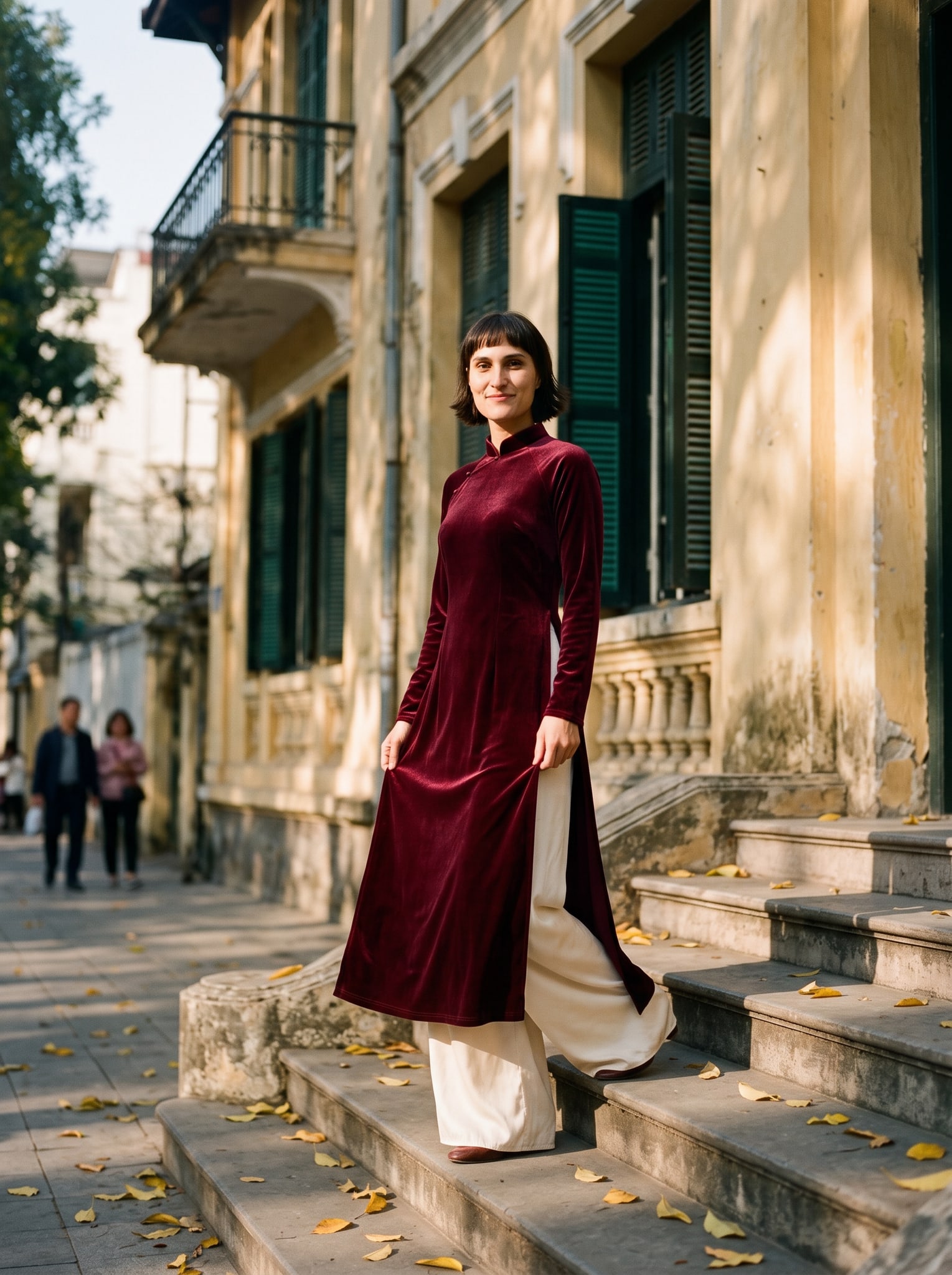
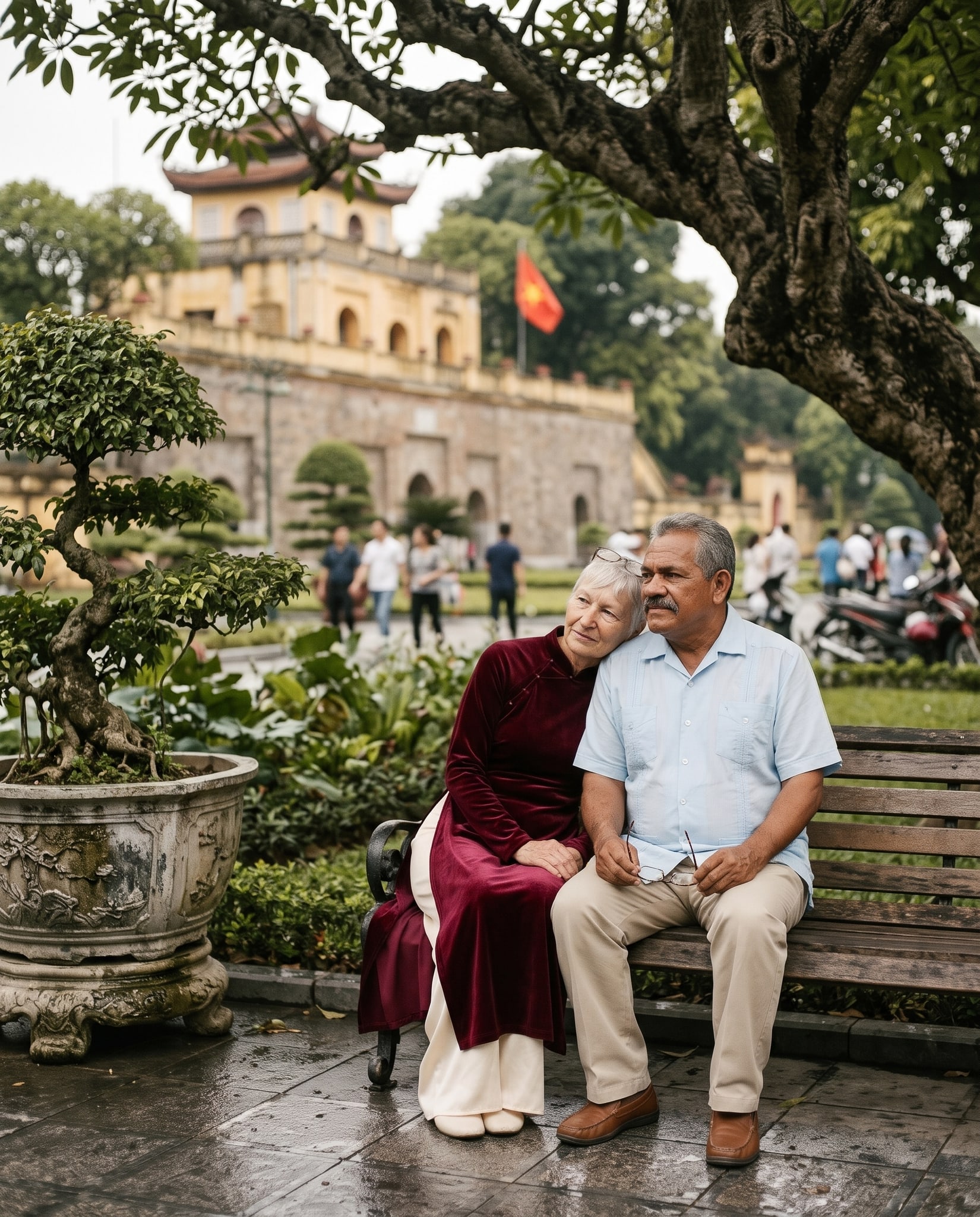
Most guests wear traditional áo dài (we can arrange rental if needed through our ao dai photoshoot partners) or casual sundresses and linen. Avoid loose sleeves—they catch on vendor displays and distract frames. Closed-toe shoes are essential; wet floors and scattered produce can turn an ankle. We tell guests to bring a small bag (phone, ID, cash for coffee or a market snack—vendors won't be suspicious if you buy small items) but nothing that needs babysitting. Long hair should be clipped or pinned; hair in a vendor's face or tangled in our equipment wastes time. Sunscreen, hat, water. One guest showed up in high heels and spent the second hour limping; we carried her bag and shot tighter crops, but the discomfort was audible in her voice by frame 300. Now we're explicit: "Shoes you've walked 3 km in already, not new ones."
See packages and prices on vietnamphotoshoot.com
| Shoot Type | Best For | Duration | Prep Level | When to Book |
|---|---|---|---|---|
| Vacation solo or with a friend | Single traveler or casual pair, cultural moment | 2–3 hours | Light (casual wear, no styling) | 1–2 weeks ahead |
| Ao dai in the market | Formal memory, anniversary, "I wore traditional dress" moment | 2–3 hours | Medium (áo dài rental, hair/makeup coordination) | 3 weeks ahead |
| Couple or pre-wedding | Engaged, honeymooning, or anniversary couples | 3–4 hours (market + beach backup) | High (styling, poses, story arc) | 4–6 weeks ahead |
| Market + makeup at hotel | Traveler wanting salon touch-up before the shoot | 3–4 hours total | Medium (we visit your hotel first, 1 hour; market 2–3 hours) | 2–3 weeks ahead |
How does light actually behave inside Hoi An Central Market, and why does timing matter?
The market's main hall has clerestory windows on the north wall and open-air sections that face east. At 7:30–8:30 a.m., direct east sun is soft and diffuses through the produce sections—greens and reds glow. By 9:00 a.m., sun angle hardens and casts deep shadows under vendor canopies, making a guest's face underlit. We always shoot with a small reflector (gold side facing north to lift shadows) and position guests near windows rather than under tent fabric. The flower section has west-facing skylights that are useless at 7 a.m. but excellent at 10 a.m.—but by then crowds are thick. We've learned the light map by shooting here 40+ times: the east vegetable rows at 7:45 a.m., the central flower stalls at 8:15 a.m., the fabric corridor (west wall) at 8:50 a.m., then pivot or wrap. Timing is rhythm, not rigidity.
What goes wrong most often, and how do you fix it on the spot?
Guest fatigue. Two hours on a market floor with hard shoes and mental focus is exhausting. By minute 90, posing becomes mechanical and light eyes flatten. We now schedule 15-minute breaks at the 60-minute mark: coffee at a vendor stall (doubles as a candid shooting moment), a bathroom stop if needed, water. Vendor conflicts. A fish vendor once shoed us away mid-shot because we were "blocking sales." We moved one stall over, reframed the same pose against dried squid and herb baskets instead, and got a better image. Lost light. A sudden cloud cover at 8:40 a.m. drained color from the produce section. We moved to the flower section 10 minutes early and adjusted the shot sequence. Rental issues. A guest's áo dài was sized for a size-4 frame; she was a size-8 (Vietnamese sizes run very small). We safety-pinned the side seams tight, shot closer from the front, and flagged this for future rentals. None of these stopped the shoot. Speed and permission are everything.
What to check before you book a market shoot with us:
- Light timing: Confirm your arrival in Hoi An the night before; we won't book same-day if you arrive after 5 p.m. (jet lag + early call = flat energy).
- Footwear readiness: Have you walked 5+ km in those shoes without pain? If no, we'll suggest alternatives or reduce walking scope.
- Backup comfort: If crowds or heat are deal-breakers, choose our couple photoshoot or pre-wedding package that includes a guaranteed beach transition; market-only bookings stay market-only unless you pay for location changes.
- Vendor consent: Understand that we ask first and sometimes hear "no." This isn't failure—it's respect and authenticity.
- Language barrier: We communicate with vendors in Vietnamese; you'll witness negotiation but not understand every word. That's part of the real texture. Ask us on WhatsApp if you want a detailed translation of a key moment.
- Weather contingency: If rain hits after 8:30 a.m., we pivot to the covered textile and spice halls (which we'd planned as finale anyway) without delay.
For a full sense of how Hoi An fits into your trip, read our guide to vacation photoshoots and explore makeup and hair at your hotel if you want a stylist touch before the market.
FAQ
Can I shoot inside Hoi An Central Market year-round?
Yes, but September–November sees smaller crowds and softer humidity. April–August is hotter and more humid; we add extra breaks. December–February brings cooler light but also more tourist buses. We adjust session times and hydration based on season; none are off-limits.
Do I need to book a vendor permit or ask permission from the market management?
No. We don't need a permit for individual photoshoots. We do ask each vendor's permission before photographing them closely—it's courtesy and practical. Market management is used to travelers and their phones; organized shoots are less common but not forbidden.
What if I don't want to wear an áo dài? Can I wear casual clothes?
Absolutely. Casual sundresses, linen shirts, jeans, and sneakers work well. Áo dài is traditional and photographs beautifully, but not mandatory. We've shot guests in both; each has different energy.
How many photos do I get from a 2–3 hour market shoot?
Typically 60–100 edited images (color-corrected, cropped). An hour in the market yields roughly 200–300 frames across two cameras; we edit and deliver the strongest shots. Quality over volume.
Can I bring my own photographer instead of using Cáo Studio's team?
If you bring a friend with a camera, that's fine—they won't interfere with our work. However, we recommend two professional cameras for the market's chaos and light. One camera (solo friend) often misses framing while chasing a vendor's movement. Ask us on WhatsApp about group rates if multiple guests want to share a shoot day.
Vacation & Solo Photoshoot
Inclusions, prices and booking are on our booking site.
FAQ
Can I shoot inside Hoi An Central Market year-round?
Yes, but September–November sees smaller crowds and softer humidity. April–August is hotter and more humid; we add extra breaks. December–February brings cooler light but also more tourist buses. We adjust session times and hydration based on season; none are off-limits.
Do I need to book a vendor permit or ask permission from the market management?
No. We don't need a permit for individual photoshoots. We do ask each vendor's permission before photographing them closely—it's courtesy and practical. Market management is used to travelers and their phones; organized shoots are less common but not forbidden.
What if I don't want to wear an áo dài? Can I wear casual clothes?
Absolutely. Casual sundresses, linen shirts, jeans, and sneakers work well. Áo dài is traditional and photographs beautifully, but not mandatory. We've shot guests in both; each has different energy.
How many photos do I get from a 2–3 hour market shoot?
Typically 60–100 edited images (color-corrected, cropped). An hour in the market yields roughly 200–300 frames across two cameras; we edit and deliver the strongest shots. Quality over volume.
Can I bring my own photographer instead of using Cáo Studio's team?
If you bring a friend with a camera, that's fine—they won't interfere with our work. However, we recommend two professional cameras for the market's chaos and light. One camera (solo friend) often misses framing while chasing a vendor's movement. Ask us on WhatsApp about group rates if multiple guests want to share a shoot day.
More from the team
Honeymoon Photoshoot in Hoi An: What Our Team Sees on Set
Hoi An draws newlyweds for its lantern-lit old town and riverbank light. We've shot hundreds of couples there—here's what actually happens during your session, hour by hour, and how to choose between what we offer.
Nhat Tan Peach Blossom Gardens Photoshoot: What We Book
Nhat Tan peach blossoms peak for just three weeks each January–February. We run morning sessions there to beat tourist crowds and capture soft light—here's how our studio plans them and what actually happens on the ground.
Truc Bach Lake Photoshoot: What to Book at Cáo Studio
Truc Bach Lake is one of Hanoi's most photographed water landmarks. We run sessions there 3–4 times weekly, and share how to get the best light, what to wear, and what actually happens during a shoot.