 Cáo Studio
Home › Blog › Vacation & Solo Photoshoot
Hoi An entrance ticket and photography rules: what you need to know
By the Cáo Studio team · Hanoi & Saigon · 2026-11-01
Hoi An Ancient Town requires a paid entrance ticket; the fee applies to all visitors including photographers. The ticket grants access to the core zone (roughly 1.5 square kilometers) where the lantern-lit streets, tube houses, and waterfront are located. Photography is permitted in public spaces, but commercial shoots, drone work, and filming inside private homes or temples require permits from the management office. We advise booking a session with local guides who hold current permits; they navigate timing, crowd flow, and restricted zones so your shoot captures authentic scenes without interruption. Most photographers and travelers spend 2–4 hours inside to shoot effectively. Chat with us on WhatsApp
Hoi An Ancient Town charges an entrance fee and enforces specific photography rules. The ticket grants access to the core zone (roughly 1.5 square kilometers) where the lantern-lit streets, tube houses, and waterfront are located. Photography is permitted in public spaces, but commercial shoots, drone work, and filming inside private homes or temples require permits from the management office. We advise booking a session with local guides who hold current permits; they navigate timing, crowd flow, and restricted zones so your shoot captures authentic scenes without interruption. Most photographers and travelers spend 2–4 hours inside to shoot effectively.
When we run a vacation and solo photoshoot in Hoi An, the entrance ticket is a fixed cost we factor in during planning. Guests often ask whether the fee is worth it or whether they can shoot outside the walled town instead. The answer depends on what you want to photograph: the lantern reflections, the Japanese bridge, the old merchant houses, and the narrow lanes are inside the ticket zone. Outside, you get river views and rural scenes, but lose the town's signature atmosphere. We tell clients upfront: if Hoi An's UNESCO heritage and architecture are your reason for traveling, the entrance is non-negotiable.
How much does the Hoi An ticket cost and what does it include?
The entrance fee covers one full day of access to the Ancient Town zone, including iconic sites like the Japanese Covered Bridge, Assembly Halls, the Old House at 101 Nguyen Hue Street, and the waterfront promenade. The exact fee fluctuates slightly based on government rates; we check the official Hoi An Monuments Management Board website before each booking. Once inside, photography in public areas—streets, bridges, courtyards—is free. No additional camera fee exists. However, if you want to photograph inside certain temples or assembly halls, some charge a small donation per room.
What to expect: your ticket is a paper or digital pass scanned at the main gate. It does not include guides, meals, or transport. It covers one entry on a single day; re-entry the same day may require a second ticket depending on current rules, so plan your shoot in one continuous session.
Can we book a professional shoot inside Hoi An and what permits do we need?
Commercial photography inside Hoi An—paid sessions, pre-wedding shoots, concept shoots, or content creation for brands—technically requires a permit from the management office. In practice, we operate under a grey area: small-scale shoots with a camera, one or two subjects, and a photographer often proceed without formal approval as long as we remain respectful, avoid blocking traffic, and do not set up tripods, reflectors, or lighting rigs in busy areas. Large crews, drones, or multi-day bookings need explicit written permission, which can take 2–4 weeks and may incur additional fees.
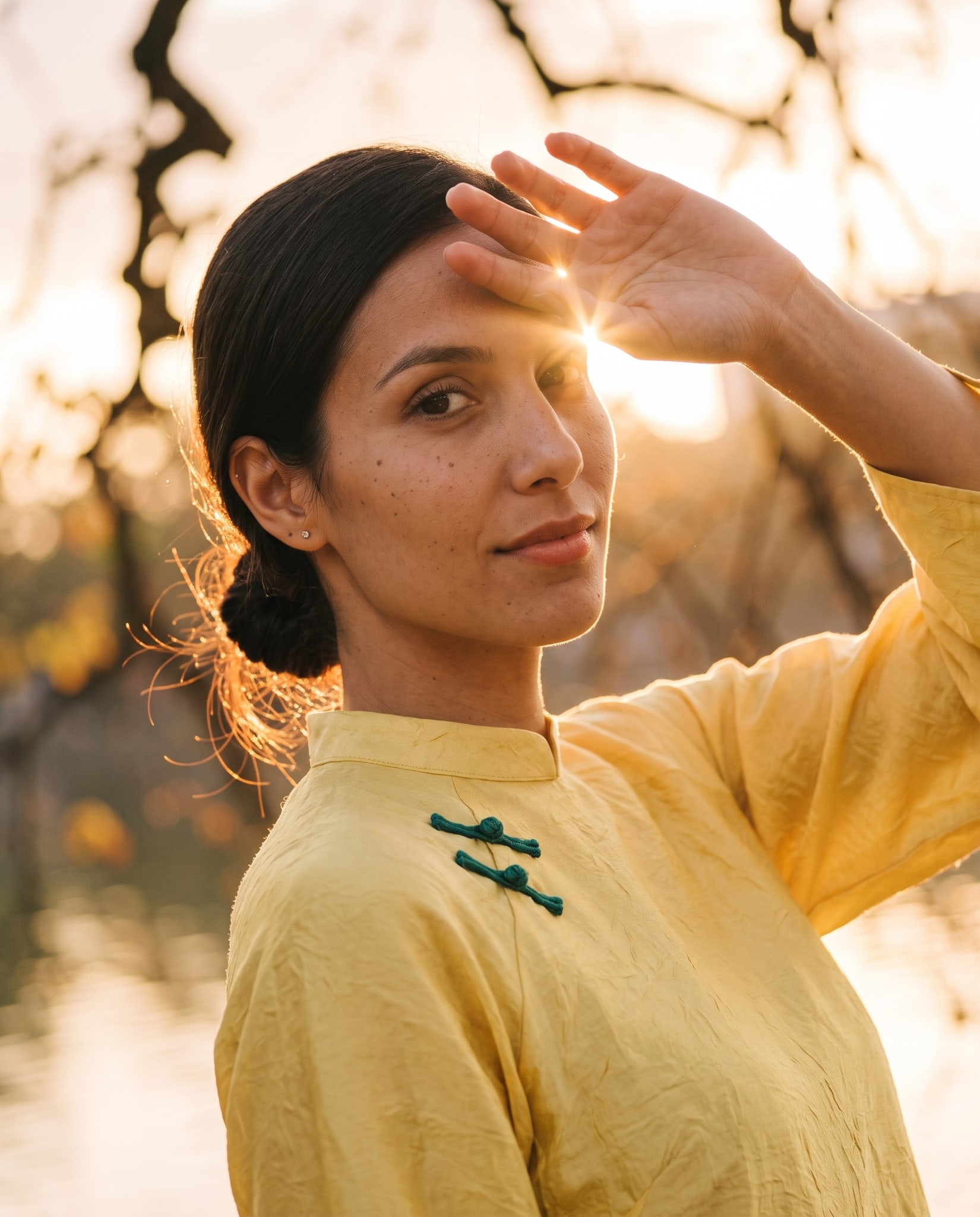
Our approach: we contact the management office in advance for any couple photoshoot or pre-wedding and elopement package booked in Hoi An. We inform them of our date, approximate duration, and location within the town. Most staff are accommodating if you are transparent. We carry copies of our communication via email so we can show it at the gate if questioned. We also brief our guests: arrive early (6–7 a.m.), wear soft colors or traditional áo dài, move quietly, and avoid peak tourist hours (10 a.m.–4 p.m.).
See packages and prices on vietnamphotoshoot.com
What time of day do you shoot in Hoi An and why does timing matter so much?
Timing is everything in Hoi An. The town transforms depending on the hour: before 8 a.m., streets are nearly empty, lanterns are still lit (even in daylight), shopkeepers are preparing stalls, and light is soft and golden. By 9 a.m., tourists flood in. After 5 p.m., as sunset approaches, lanterns are switched on officially, and the town glows amber and red—romantic but crowded again.
We schedule most sessions for 6–8 a.m. or 4–6 p.m., depending on season and client preference. Early morning allows us to shoot the empty lanes, reflections in the river, and the Japanese bridge without tourists in frame. We often change location every 15–20 minutes to avoid the same crowds. Evening sessions capture the lantern glow, but we need fast lenses or higher ISO because the light is dim; we also prepare for larger crowds, so we use side alleys and rooftop angles. Winter (November–January) offers better light and fewer visitors; summer (May–August) is humid and packed.
One detail we watch: around 11 a.m., tour groups arrive in waves. We pause shooting, move to quieter alleys, or grab coffee and reposition. We never fight the crowds; we work with them.
Where inside Hoi An are you allowed to photograph and where are restrictions?
Public spaces—all streets, bridges, the waterfront promenade, market areas, and exterior facades—are open to photography. The Japanese Covered Bridge is the most photographed spot; expect 50+ people there during mid-morning. Interior photography varies. Some temple rooms allow it freely; others ask visitors to turn off flashes or not photograph at all (especially inside active shrines). Assembly halls—the Chinese community buildings—sometimes charge a small fee for interior access and may restrict cameras during ceremonies.
Our rule: we ask a staff member or shopkeeper before pointing a camera into a private space. Nine times out of ten, they say yes. A smile and politeness open doors. If a sign says "no photography," we respect it immediately. We avoid shooting directly at street vendors or residents without permission; we might ask, or we frame the scene to respect their privacy.
| Location | Photography allowed? | Tips for our shoots | When to avoid |
|---|---|---|---|
| Streets, lanes, alleys | Yes, freely | Best light 6–8 a.m., 4–6 p.m. | 10 a.m.–3 p.m. (peak crowds) |
| Japanese Bridge | Yes, crowded | Shoot early or late; frame the bridge from side alleys | Midday (100+ tourists) |
| Ancient House interiors | Yes, small donation | Ask first; respect ropes and "do not touch" signs | During ceremonies |
| Temple shrines | Limited, ask staff | Flash off; photograph architecture, not rituals | Active prayer times |
| Waterfront promenade | Yes, freely | Golden hour best; watch for motorbikes | Evening (crowded) |
| Rooftops, private balconies | No, private property | Avoid unless escorted by owner | Always check permission |
What happens if we bring drones or large equipment to Hoi An?
Drones are not permitted inside Hoi An Ancient Town without explicit written permission from the authorities. Enforcement is inconsistent—some staff turn a blind eye to a drone launched from outside the zone, but others will stop you and confiscate it if spotted. We do not recommend it.
Large equipment—reflectors, boom stands, ring lights, tripods with monitors—draws attention and can block pathways. We avoid them for casual sessions and vacation and solo photoshoot bookings. For pre-wedding and elopement package shoots where the client specifically wants studio-level lighting, we either shoot outside the walled town or secure a permit in advance. Most clients are happy with natural light and reflective surfaces (white clothing, silver jewelry) to lift shadows.
One case we learned from: a couple insisted on a full ring light setup on the Japanese Bridge at sunrise. A staff member arrived, politely asked us to remove it, and we complied. No penalty, but 20 minutes lost. Now we advise clients upfront: Hoi An rewards simplicity. The lanterns and natural light are the studio here.
What do we tell guests on WhatsApp before they arrive?
Our pre-shoot brief covers three things: what to wear, what to bring, and what to expect emotionally.
What to wear: soft, muted colors (cream, beige, grey, pastel blues) or a burgundy áo dài rent locally. Avoid bright logos, neon, or patterns that clash with the lanterns and old stone. Comfortable walking shoes; Hoi An's streets are uneven and sometimes wet. Layers—mornings are cool, afternoons warm.
What to bring: sunscreen, a hat, a water bottle, phone charger. A lightweight shawl if shooting at dusk (wind picks up by the river). Leave large backpacks at the hotel; they slow movement and draw pickpockets.
What to expect: the first 30 minutes we walk the area, scout light, and scout crowds. You might feel self-conscious at first—there are tourists around—but by hour two, you stop noticing them. We will ask you to pause, wait, or move if a crowd blocks our angle; this is normal. Take it as a moment to breathe and observe the town. By hour four, you will have hundreds of images and a real feel for the place. The energy is meditative, not rushed.
We also mention the entrance fee separately, so there are no surprises. We clarify: "Your ticket is required on entry; we will help you at the gate. No refunds if you change your mind inside."
What to check before you book a Hoi An photoshoot
Before clicking "confirm," ask yourself:
- Dates: Is the town open that day? (Occasionally closed for cleaning or events; rare, but check.) Is the weather forecast rain or typhoon season? (May–October carries higher risk; shots are still possible in rain, but we will be ready with umbrellas and backup indoor locations.)
- Permit status: Are you booking with a team that has worked in Hoi An before? Do they know the current rules? (Policies shift; a team that last shot there three years ago may be out of date.)
- Lighting expectations: Do you want early morning light, golden hour, or lantern glow? (Each has different crowds, different ticket timing, different outfit choices.) If you are traveling from abroad and have only one day in Hoi An, early morning is safest because it guarantees empty streets and good light.
- Solo, couple, or family: Logistics differ. A family photoshoot package with young children needs breaks and shaded spots; a couple shoot can move faster.
- Budget: The entrance ticket, transportation from your hotel, and a photographer's time all add up. Confirm what is included in the package before booking.
We use WhatsApp to walk through all of these before you commit. We can see your dates, your vision, and your comfort level, then tell you honestly whether Hoi An is the right choice that day or whether a nearby location (like the rice paddies outside town, or Thu Bon River) might work better.
FAQ
Do we need a separate ticket to enter Hoi An, or is it included in a photoshoot package?
The entrance ticket is a separate cost, required by Hoi An authorities. It is not included in most package prices. We will quote it clearly and help you purchase it at the gate on shoot day, or in advance online if you prefer.
Can we photograph inside shops or homes in Hoi An?
Only with permission from the owner. Most shopkeepers and residents are friendly if you ask politely. We handle this communication during the shoot to avoid awkwardness for you.
Is early morning the best time to shoot in Hoi An, or can we do evening?
Both work beautifully. Early morning (6–8 a.m.) is quieter and has softer light. Evening (4–6 p.m.) captures the lantern glow but is more crowded. Your choice depends on your preference for crowds versus atmosphere.
What if it rains during our Hoi An photoshoot?
Rain is manageable. We use umbrellas, shoot from covered alleys, and embrace the wet reflections on streets—they often look stunning. If conditions are dangerous (typhoon-level rain), we reschedule or move to sheltered locations like covered markets or indoor spaces.
Do we need a permit if we are a small family or couple just taking photos for ourselves, not for a business?
No. Personal photography is allowed freely once you have paid the entrance ticket. Permits are required only for commercial or large-scale production work.
How long should we plan for a photoshoot inside Hoi An?
Most sessions run 2–4 hours depending on your goals. Two hours covers main landmarks and some alley exploration. Four hours allows deeper location changes and more relaxed pacing.
Vacation & Solo Photoshoot
Inclusions, prices and booking are on our booking site.
FAQ
Do we need a separate ticket to enter Hoi An, or is it included in a photoshoot package?
The entrance ticket is a separate cost, required by Hoi An authorities. It is not included in most package prices. We will quote it clearly and help you purchase it at the gate on shoot day, or in advance online if you prefer.
Can we photograph inside shops or homes in Hoi An?
Only with permission from the owner. Most shopkeepers and residents are friendly if you ask politely. We handle this communication during the shoot to avoid awkwardness for you.
Is early morning the best time to shoot in Hoi An, or can we do evening?
Both work beautifully. Early morning (6–8 a.m.) is quieter and has softer light. Evening (4–6 p.m.) captures the lantern glow but is more crowded. Your choice depends on your preference for crowds versus atmosphere.
What if it rains during our Hoi An photoshoot?
Rain is manageable. We use umbrellas, shoot from covered alleys, and embrace the wet reflections on streets—they often look stunning. If conditions are dangerous (typhoon-level rain), we reschedule or move to sheltered locations like covered markets or indoor spaces.
Do we need a permit if we are a small family or couple just taking photos for ourselves, not for a business?
No. Personal photography is allowed freely once you have paid the entrance ticket. Permits are required only for commercial or large-scale production work.
How long should we plan for a photoshoot inside Hoi An?
Most sessions run 2–4 hours depending on your goals. Two hours covers main landmarks and some alley exploration. Four hours allows deeper location changes and more relaxed pacing.
More from the team
Honeymoon Photoshoot in Hoi An: What Our Team Sees on Set
Hoi An draws newlyweds for its lantern-lit old town and riverbank light. We've shot hundreds of couples there—here's what actually happens during your session, hour by hour, and how to choose between what we offer.
Nhat Tan Peach Blossom Gardens Photoshoot: What We Book
Nhat Tan peach blossoms peak for just three weeks each January–February. We run morning sessions there to beat tourist crowds and capture soft light—here's how our studio plans them and what actually happens on the ground.
Truc Bach Lake Photoshoot: What to Book at Cáo Studio
Truc Bach Lake is one of Hanoi's most photographed water landmarks. We run sessions there 3–4 times weekly, and share how to get the best light, what to wear, and what actually happens during a shoot.