 Cáo Studio
Home › Blog › Pre-Wedding & Elopement
Hoi An or Quy Nhon for Pre-Wedding Photos: Which Fits Your Vision
By the Cáo Studio team · Hanoi & Saigon · 2026-11-02
Both destinations work for pre-wedding shoots—Hoi An suits couples who want heritage architecture, lantern-lit villages, and compact logistical footprints, while Quy Nhon offers longer golden-hour windows, emptier beaches, and a quieter pace ideal for intimate storytelling. Hoi An's narrow streets and river reflections mean coordinating crew and wardrobe changes in tight spaces; Quy Nhon's spread-out beaches demand more travel between setups but reward patient photographers with soft light and fewer tourists. Cáo Studio has shot both extensively. The real choice depends on whether you prioritize iconic, textured backdrops (Hoi An) or uncluttered natural light and solitude (Quy Nhon). Session length, crew size, and how many outfit changes matter too. Either location pairs well with our pre-wedding elopement packages, which we customize by season, tidal schedules, and local event calendars. Chat with us on WhatsApp | See packages and prices on vietnamphotoshoot.com
Why does Hoi An pull more pre-wedding shoots than Quy Nhon?
Hoi An's Ancient Town is textured, walkable, and unmistakably photogenic—lanterns hang over water, weathered facades frame silhouettes, and the scale lets us move a team of three or four people through tight alleyways without waiting for crowds to clear. We can book a morning slot at 06:00, shoot the bride and groom in golden light against the Japanese Bridge, walk fifty meters and find an entirely different visual language (silk shop interiors, riverside steps, market stalls). The compactness is both blessing and curse: we pack more backdrops per hour, but we also trip over tour groups and must communicate shot order precisely to avoid reshooting the same corner twice. Most couples choose Hoi An because they've seen the images—that specificity is powerful. The town's beauty is documented, recognizable, and feels like a destination in itself. Sessions typically run 3–4 hours and yield fifteen to twenty distinct locations.
See packages and prices on vietnamphotoshoot.com
What advantage does Quy Nhon offer that Hoi An cannot match?
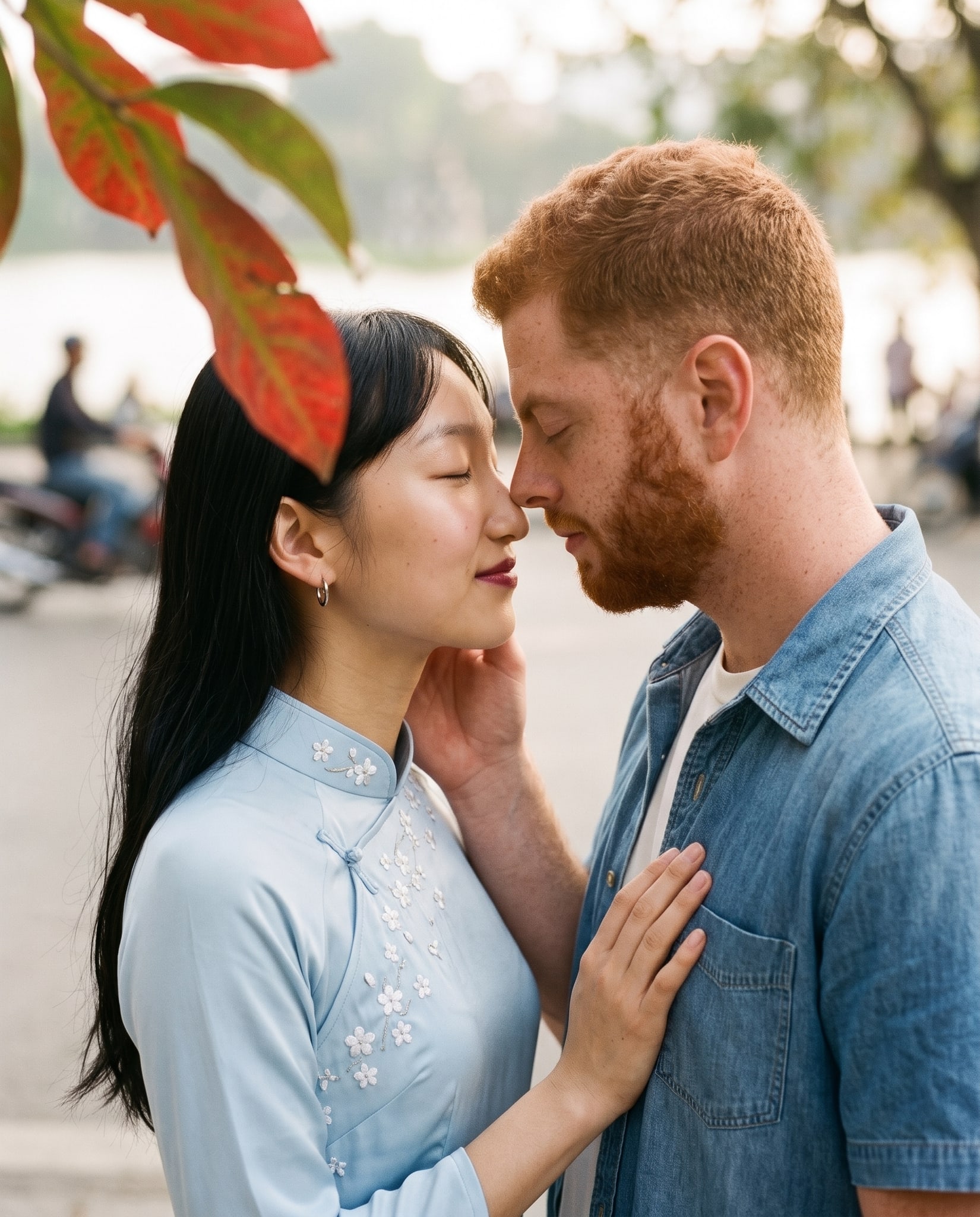
Quy Nhon stretches along a longer coastline with fewer named attractions, so the light, not the landmark, becomes the subject. We shoot sunrise or late afternoon and track the sun's movement across empty sand, rock formations, and fishing villages—no crowds, no schedules, just the couple and the weather. The beaches around Quy Nhon Pier and south toward Ghế Island let us position the camera during the exact minute the sun dips, creating halo effects and long shadows that are nearly impossible to replicate in Hoi An's constrained streets. Quy Nhon also suits couples who want a slower pacing: fewer location changes mean deeper work at each setup, more posing variation, and space for candid moments without the pressure of moving fast. Sessions stretch comfortably to four or five hours because travel between spots is less taxing and light is forgiving across a wider window. If your priority is peace and luminosity over architectural richness, Quy Nhon wins. Many couples pair Quy Nhon shoots with our couple photoshoot package to maximize flexibility on the day.
How do seasonal light patterns differ between these two locations?
Both sit on Vietnam's central coast, so they share the same seasons, but local geography shapes each differently. Hoi An's Ancient Town has narrow east-west lanes that create shade pockets by mid-morning; we schedule shoots for 06:00–09:00 or 16:30–18:30 to avoid harsh overhead light bouncing off stone. Quy Nhon's open beaches mean usable golden light extends from sunrise until 09:30 and again from 15:30 to sunset—about ninety minutes per window. Winter (November to January) brings stable, cloud-free skies to both; summer (May to September) introduces afternoon monsoons, especially around Quy Nhon, where we watch the weather radar and often shift sessions forward by two hours. Hoi An's river adds humidity year-round, so makeup holds differently than on the drier Quy Nhon coast. Based on our 2025 and early 2026 session logs, we've canceled fewer Hoi An shoots due to weather (about one in twelve) than Quy Nhon ones (one in eight), partly because Hoi An's tight spaces offer backup shelter. If weather flexibility matters, Hoi An is safer; if chasing optimal light is the goal, Quy Nhon's longer golden windows reward early planning.
What logistical differences should you plan for?
| Aspect | Hoi An | Quy Nhon | What We Tell Couples |
|---|---|---|---|
| Travel between setups | 100–300 m on foot | 2–8 km by car | Quy Nhon = more driving, fewer location transitions |
| Crew size needed | 2–3 (photographer, stylist, assistant) | 3–4 (photographer, stylist, driver, makeup for touch-ups) | Quy Nhon's distances demand a driver; Hoi An works leaner |
| Outfit changes | 2–4 in tight hotel spaces | 2–3 in beachside villas or car setup zones | Hoi An changes happen fast; Quy Nhon requires planning |
| Crowd management | High (tour groups, tour boats) | Very low (fishing boats, locals) | Hoi An early start essential; Quy Nhon forgiving |
| Weather shelter | Temples, shops, alleyways | Car, vendor stalls | Hoi An safer if weather turns |
| Backup locations | 5–10 within walking distance | 1–2 nearby, others require 15+ min drive | Hoi An flexibility; Quy Nhon demands route planning |
Hoi An concentrates logistics—three hours of shooting might span one neighborhood. We park once, brief the team, and move on foot. The bride and groom stay close, costume and makeup are managed in a single base, and we react quickly if light shifts or a tour group blocks a shot. Quy Nhon spreads the team across kilometers; we load the car after each location, apply makeup during drive time, and coordinate timing so the groom is suited by the time we reach sand. Couples who want a relaxed, single-venue vibe choose Hoi An; those who want a "journey" aesthetic prefer Quy Nhon. Both fit our standard pre-wedding photoshoot timeline, but Quy Nhon benefits from an extra hour or early start to account for travel.
How do you decide which location truly matches your story?
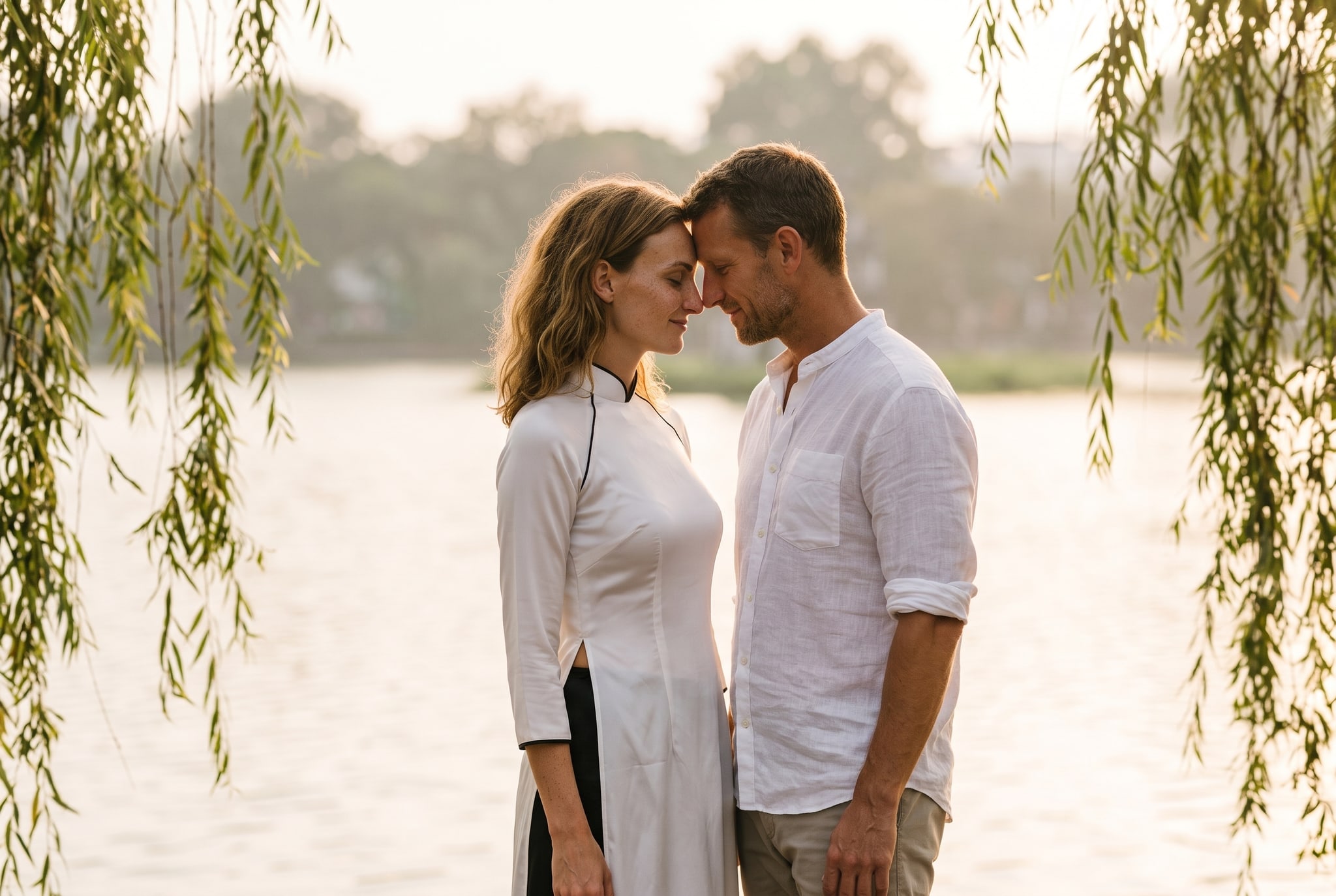
The right choice hinges on three questions we ask every couple on WhatsApp before they book. First: What aesthetic speaks to you—ornate heritage and intimate framing, or wide-open light and breathing room? Show us three Pinterest images you love; if they feature tight, textured alleyways and colored walls, Hoi An. If they show expansive sky, sand, and silhouettes, Quy Nhon. Second: How much time do you have? A two-hour express session fits Hoi An's density; a half-day or full-day option lets Quy Nhon shine. Third: Do you mind crowds, or do you need solitude? Hoi An has tourists even at dawn; Quy Nhon is yours alone. We've also noticed that couples who are anxious about posing prefer Hoi An because the landscape gives context and natural framing—you're part of a scene. Couples who enjoy extended posing and movement prefer Quy Nhon's open stages. Neither is objectively better; the difference is what your nervous system needs on the day. Once you land on one, we customize the timing and route so hair and makeup happen on schedule and light is captured at peak.
Chat with us on WhatsApp | See packages and prices on vietnamphotoshoot.com
What mistakes do we see couples make at each location?
At Hoi An, the top error is underestimating how early you must start. Many couples say "08:00 is early," but by 08:30 the narrow streets fill with walking tours and guides pointing cameras at the same bridge. We always recommend 06:00 departure from the hotel, hair and makeup from 05:15. Second: carrying large props. A bouquet or lantern looks beautiful in a still photo, but navigating Hoi An's wet cobblestones and steps with large objects means safety risk and slowed pace. We steer couples toward single stems or minimal hand pieces. At Quy Nhon, the common mistake is not protecting gear from salt spray and sand—we've had a couple's phone sand up a makeup artist's brush mid-session. We now carry waterproof cases and rinse all gear after beach shoots. The other Quy Nhon slip: assuming the beach is always empty. Fishing activity peaks 06:00–07:00 and again around 16:00; we schedule around those windows. Many couples also underestimate how quickly they tire walking soft sand in formal shoes; we recommend lightweight heels or going barefoot for beach portions and bringing a pair of sandals to slip on between locations.
See packages and prices on vietnamphotoshoot.com
How does the decision shape the rest of your pre-wedding day?
Your location choice ripples into team size, timeline, and what we bring. If you pick Hoi An, we typically propose a 3.5-hour session with two outfit changes, departing the hotel at 05:45 and wrapping by 10:00 (before heat and crowds peak). We'll include a makeup touch-up on-site at a café or temple. Hair and makeup prep happens at your hotel, usually 03:45–05:30, and moves fast because Hoi An is twelve minutes away. If you choose Quy Nhon, we plan for four to five hours with a more relaxed pace, often starting at 06:00 but with longer sits between locations. We bring a car for styling changes and prep makeup for salt-air durability—more powder, waterproof products, and a touch-up kit. Hoi An sessions feel like an energetic walkabout; Quy Nhon sessions feel meditative. Many couples pair either location with our proposal and anniversary packages if they want to mark the engagement or return-visit moments, or book a second day for a different setting. The location also informs which of our stylists leads the day—photographers who excel at reactive, fast-paced framing work Hoi An, while those patient with weather and light flow better in Quy Nhon.
What to check before you commit
- Travel time from your hotel or pickup point: Confirm the drive; Quy Nhon adds 20–40 minutes from town center to the best beaches.
- Sunrise and sunset times: Check the date you're shooting; golden hour windows change by fifteen minutes monthly.
- Weather forecast: Book a rain date or backup location if shooting during monsoon season.
- Accommodation for crew: If crew stays overnight, factor that into timeline and cost; Hoi An hotels are more plentiful and cheaper than Quy Nhon beachside villas.
- Outfit fabrics and weight: Silk and chiffon move beautifully in coastal wind but absorb salt and sand; discuss fabric care with your tailor.
- Local events or closures: Hoi An temples sometimes close for festivals; Quy Nhon beaches occasionally host fish-landing auctions or fishing competitions.
FAQ
Can we do Hoi An in the morning and Quy Nhon at sunset the same day?
Technically yes—they're about thirty minutes apart by car. However, fatigue and continuity suffer. Outfits, makeup, and light prep are separate for each location, and your energy (and the groom's suit) won't be fresh for a second round. We've done combined shoots only once, and we'd recommend a full day for one location instead, or two separate dates if you want both.
Is Hoi An still photogenic if we can't arrive at 06:00?
Yes, but differently. An 08:00 start means crowds and bright overhead light. We pivot to shaded alleyways, interior framing, and focus on detail shots (hands, rings, fabric). The aesthetic shifts from expansive light to intimate, textured moments. Many couples love this moody version—it's just a different story than early sunrise portraits.
Does Quy Nhon offer any protected or iconic backdrops besides the beach?
Quy Nhon Pier, the old French lighthouse (Lighthouse of Quy Nhon), and the fishing villages around Ghenh Rang offer texture and history. They're less famous than Hoi An's named landmarks, but we love them because they're photographic gold and almost never crowded. We scout these with couples during our WhatsApp planning.
What happens if we choose Quy Nhon but weather turns mid-session?
We watch radar and shift the session forward or pause under vendor stalls, boats, or the car. If rain is heavy, we pivot to nearby covered markets or fishing docks (authentic, moody backdrops). Full cancellation and rescheduling is rare; flexibility and quick thinking are standard on our team.
Can we mix formal wear with barefoot beach shots in either location?
Absolutely. Hoi An's wet streets and steps are better barefoot anyway. Quy Nhon sand ruins formal shoes, so barefoot or removable heels work better. We coach you on transitions: formal shots on firm sand near the pier, then bare feet for the softer, more intimate poses closer to water or vegetation.
How much does location choice affect the final photo count or editing style?
Not directly—both locations yield thirty to sixty edited frames from a standard session. Hoi An images tend warmer and more saturated (colors pop against stone and water); Quy Nhon images tend cooler and moodier (sky and sand dominate). Our retouching adapts to the location's natural palette, so Hoi An stays vibrant and Quy Nhon stays luminous.
Pre-Wedding & Elopement
Inclusions, prices and booking are on our booking site.
FAQ
Can we do Hoi An in the morning and Quy Nhon at sunset the same day?
Technically yes—they're about thirty minutes apart by car. However, fatigue and continuity suffer. Outfits, makeup, and light prep are separate for each location, and your energy (and the groom's suit) won't be fresh for a second round. We've done combined shoots only once, and we'd recommend a full day for one location instead, or two separate dates if you want both.
Is Hoi An still photogenic if we can't arrive at 06:00?
Yes, but differently. An 08:00 start means crowds and bright overhead light. We pivot to shaded alleyways, interior framing, and focus on detail shots (hands, rings, fabric). The aesthetic shifts from expansive light to intimate, textured moments. Many couples love this moody version—it's just a different story than early sunrise portraits.
Does Quy Nhon offer any protected or iconic backdrops besides the beach?
Quy Nhon Pier, the old French lighthouse (Lighthouse of Quy Nhon), and the fishing villages around Ghenh Rang offer texture and history. They're less famous than Hoi An's named landmarks, but we love them because they're photographic gold and almost never crowded. We scout these with couples during our WhatsApp planning.
What happens if we choose Quy Nhon but weather turns mid-session?
We watch radar and shift the session forward or pause under vendor stalls, boats, or the car. If rain is heavy, we pivot to nearby covered markets or fishing docks (authentic, moody backdrops). Full cancellation and rescheduling is rare; flexibility and quick thinking are standard on our team.
Can we mix formal wear with barefoot beach shots in either location?
Absolutely. Hoi An's wet streets and steps are better barefoot anyway. Quy Nhon sand ruins formal shoes, so barefoot or removable heels work better. We coach you on transitions: formal shots on firm sand near the pier, then bare feet for the softer, more intimate poses closer to water or vegetation.
How much does location choice affect the final photo count or editing style?
Not directly—both locations yield thirty to sixty edited frames from a standard session. Hoi An images tend warmer and more saturated (colors pop against stone and water); Quy Nhon images tend cooler and moodier (sky and sand dominate). Our retouching adapts to the location's natural palette, so Hoi An stays vibrant and Quy Nhon stays luminous.
More from the team
Boho pre-wedding photoshoot in Vietnam: Hanoi, Saigon, Hoi An
Boho pre-wedding shoots mix romantic, free-spirited aesthetics with Vietnam's landscapes and heritage sites. We run full-day sessions in three cities, handling styling, makeup, location scouts and edits.
Avoid crowds at Hoang Su Phi rice terraces: timing for wedding shoots
Hoang Su Phi's terraced landscape draws couples and tour buses in equal measure. We show how to shoot there alone, when to arrive, and what to arrange with us before you go.
Photography rules at Con Dao beaches: permits, drones and what to check
Con Dao's beaches demand prep before you shoot—permits, drone zones and tide timing all affect your day. We share what the Cáo Studio team verifies on every booking.