 Cáo Studio
Home › Blog › Ao Dai Photoshoot
How to Choose an Áo Dài Color for Photos: Studio Guide
By the Cáo Studio team · Hanoi & Saigon · 2026-11-02
Áo dài color choice depends on three things: your skin undertone, the location's light and background, and how the fabric reflects on camera. Warm undertones (golden, olive) photograph best in jewel tones—deep burgundy, emerald, sapphire—while cool undertones suit pastels and silvers. Neutral backgrounds (temple walls, rice paddies, lakes) let you wear bold colors; busy gardens favor whites, creams, or soft pinks. At Cáo Studio, we ask clients to send photos of three color options before booking, test them against their makeup and the venue's light during hair and makeup, and confirm the final choice one hour before the shoot starts. Avoid pure black (flattens on camera) and neon shades (bleed color); instead, choose rich darks or jewel tones. Most guests order 2–4 áo dài pieces to change outfits mid-session, so color variety matters for storytelling. Chat with us on WhatsApp | See packages and prices on vietnamphotoshoot.com
What Color Looks Good on Camera vs. In Real Life?
Your eye sees áo dài one way; the camera sees it differently. Bright whites blow out in direct sun, creating a flat, overexposed silhouette. Deep reds shift toward maroon or plum in shade. Pastels (cream, blush, lavender) hold detail and read softer—but they absorb sweat marks and dust from sitting. We've learned to test samples against the actual shoot location's light during our site scout, not in the studio. If a client chooses red, we shoot test frames on their skin tone and the background first, then adjust exposure and white balance to hold the color truth. Jewel tones—forest green, cobalt, wine—photograph rich and stay vibrant from morning to afternoon. Metallics (gold, silver thread) can flare if the sun hits them straight-on; we position you slightly away from direct light or use a reflector to bounce the glow. The rule we follow: if a color looks "too bright" when you hold up the fabric, it will photograph better than you think; if it looks "perfect" in daylight, test it on camera.
How Does Your Skin Tone Change Which Color Works?
Skin undertone—warm (golden, peachy), cool (pink, blue-based), or neutral—determines which hues flatter you most and photograph cleanly. Warm undertones sit under olive, tan, bronze, and darker skin; they glow in jewel tones (deep red, emerald, sapphire, mustard) and rich metallics. Cool undertones (fair, ruddy, or deep burgundy skin) shine in silvers, pastels, icy blues, whites, and soft pinks. We ask every client to send us a close-up photo of their wrist in natural light before they choose a color; this tells us their undertone in seconds. Then we cross-check against their makeup—warm undertones with gold eyeshadow benefit from warm-toned áo dài, not cool silvers, because camera color balance locks onto skin + fabric together. On the shoot day, if a client arrives in a color we predicted wouldn't suit them, we've had to stop and let them change before the main session (this costs us 20–30 minutes). Avoid guessing: compare your three color options against your foundation shade or ask your makeup artist on the day. A neutral-toned áo dài (cream, champagne, soft taupe) works across all undertones and is a safe second choice if you're unsure.
Which Background Demands Which Color?
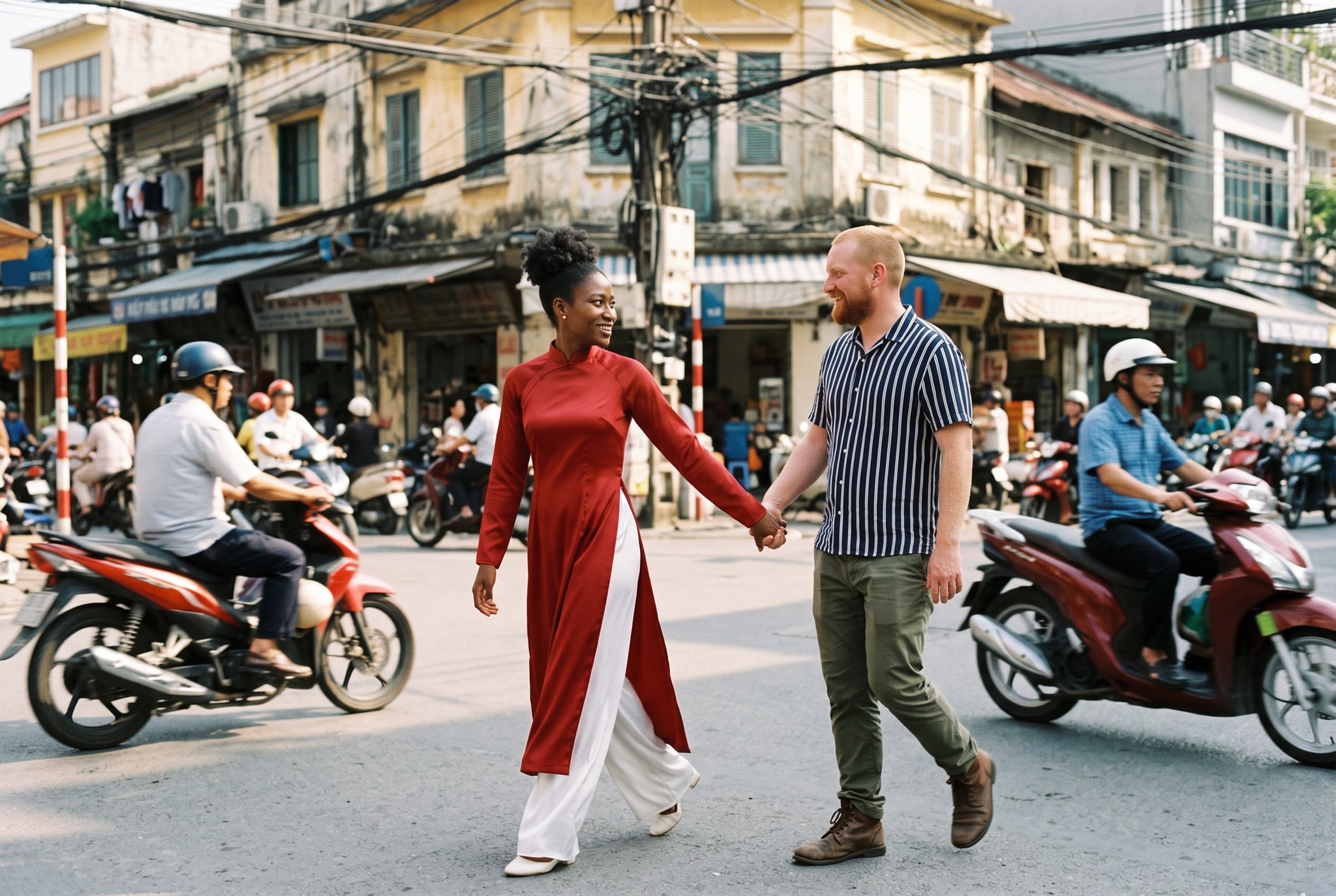
Location and áo dài color must work together, not compete. Urban backdrops—old shop fronts, temple courtyards in Hanoi, street alleys in Saigon—call for bold colors that stand out (deep blue, burgundy, gold-threaded white). Natural settings (rice paddies in Ninh Bình, lake shores, gardens in Hoi An) let you wear softer tones because the landscape is already busy; a cream or pale pink áo dài will read calmly against green and water. Architecture matters too: if your background is ornate (carved wooden frames, patterned tiles), wear a solid color áo dài to avoid visual chaos. Neutral or monochrome backgrounds (plain walls, white churches, grey stone) are your moment to shine in any color you love—bright red, gold brocade, any jewel tone. We always ask the client to describe their venue (or send us photos) when they book so we can suggest colors that will not blend into the background. For example, a burgundy áo dài disappears against dark wood temple doors; a white or gold option reads better. At your makeup and hair at your hotel session on the morning of the shoot, we'll take a test photo with your chosen color in the actual venue light and adjust if needed—though by then, switching isn't always possible, so choose wisely upfront.
Color Choice by Session Type: What Our Team Sees
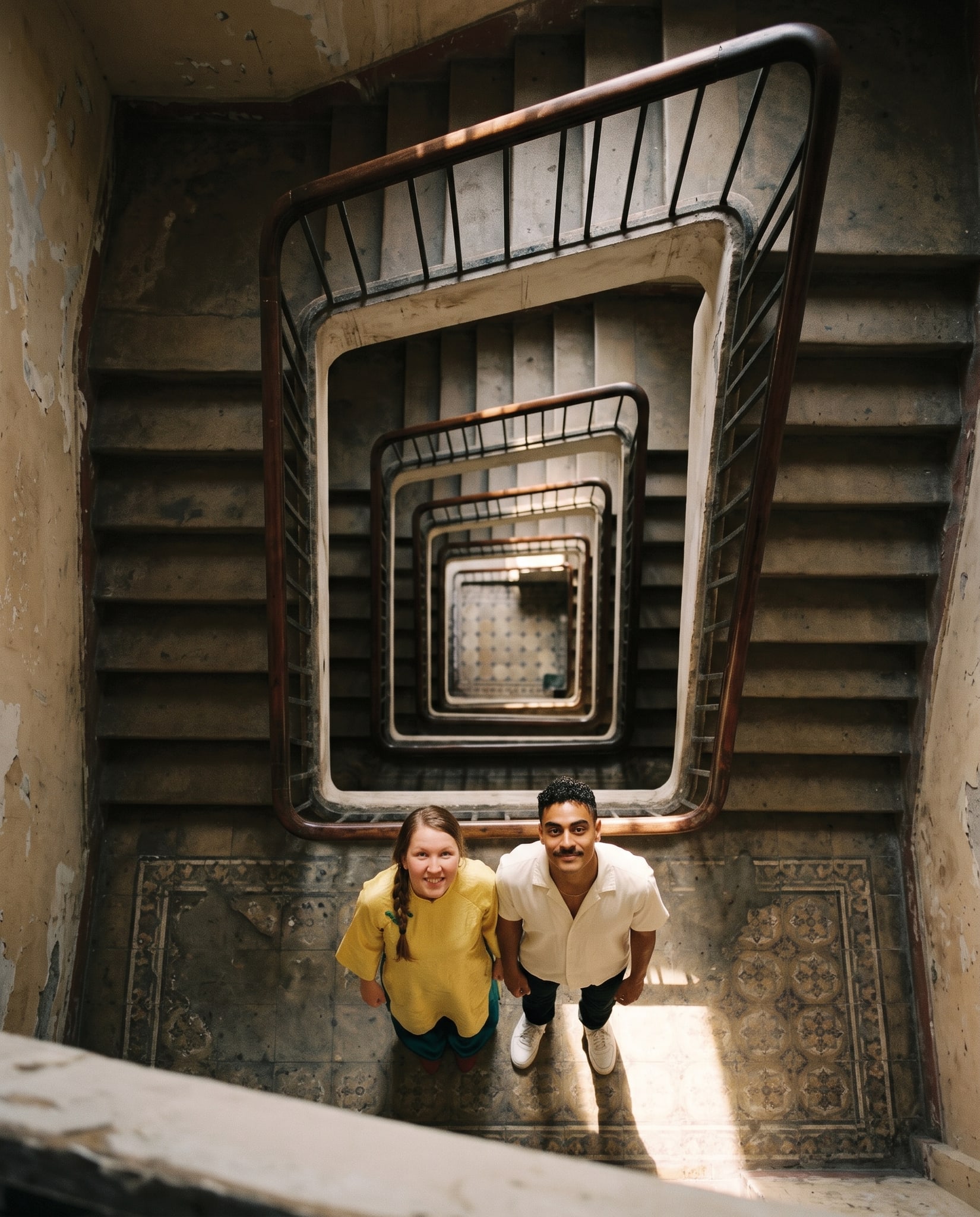
Different shoots call for different color strategies, based on what the photographs are meant to show. For áo dài photoshoot sessions, clients often pick 2–3 colors to change outfits and tell a story—start in white or cream for a classic look, shift to jewel tone mid-session for drama, finish in pastels for a soft, romantic ending. We've shot this arc hundreds of times, and it reads beautifully in albums. Couple photoshoot clients sometimes coordinate colors—one partner in deep blue, the other in rose—or both wear whites for unity. Proposal moments stay simple: one bold color (burgundy, sapphire) for impact, so the emotion reads first, not the outfit variety. Pre-wedding photoshoot sessions use 3–5 color changes because the timeline is longer and the narrative spans moods—ceremony solemnity, celebration joy, intimate evening. Family photoshoot groups often choose one coordinating color (all jewel tones, all pastels) so no one person dominates the frame. Concept shoot sessions—fashion editorials, cultural storytelling, period costumes—demand colors that fit the theme, not the person. When we brief clients, we explain that color choice is a narrative decision, not just a preference.
| Session Type | Color Strategy | Why It Works |
|---|---|---|
| Áo dài solo | 2–3 colors, warm → jewel → pastel | Showcases range; no distracting background |
| Couple | Coordinated tones or white match | Reads as intentional partnership |
| Proposal | One bold color only | Emotion dominates; outfit should not distract |
| Pre-wedding | 3–5 changes, mood-based progression | Tells a complete visual story over 4–6 hours |
| Family | All same tone family (jewel/pastel) | Creates visual harmony; no one overpowers |
| Concept/Editorial | Color matches theme, not person | Story comes first; color serves narrative |
What to Check Before You Buy or Borrow an Áo Dài
Before you order or borrow an áo dài, ask yourself three questions. First: does the color photograph well in test light? Ask the seller or lender for a photo of the fabric in daylight and indoors; compare it to your skin tone (hold the swatch against your arm). Second: does the fit allow you to move and sit? Áo dài are fitted at the bodice; too tight restricts arm movement and creates wrinkles on camera. We ask clients to practice sitting, turning, and stepping over cushions in their chosen áo dài at least once before the shoot. Third: are the seams, hem, and thread color clean? Cheap áo dài (borrowed from friends, fast-fashion brands) often have loose threads, faded seams, or hems that pucker under camera flash. Invest in an áo dài from a trusted seamstress or established brand; you'll see the difference in every frame. We recommend having your áo dài professionally steamed the day before your shoot, not ironed (heat can damage embroidery and silk). If you're borrowing, inspect it for stains, odors, or loose beads—these become obvious on close-up shots. Send us a photo of your final choice at least one week before your session so we can brief your makeup artist and photographer.
Chat with us on WhatsApp | See packages and prices on vietnamphotoshoot.com
When to Pick Metallics, Pastels, and Bold Shades
Metallic áo dài (gold or silver thread woven into silk) are stunning but require specific conditions. Shoot them in soft, diffused light (overcast skies, shaded courtyards, golden hour) so the thread shimmers without flaring. Direct noon sun causes blown highlights and harshens metallics on camera. We've rescheduled outdoor shoots before to avoid peak sunlight when a client chose heavy gold brocade. Pastels—creams, blush, lavender, pale yellow—suit clients who want a soft, dreamy mood. They're forgiving on fair skin, photograph well with natural makeup, and age beautifully in albums. The catch: pastels show wrinkles, dust, and moisture easily, so wear an undershirt beneath, and avoid sitting on dark fabrics. Bold shades (deep burgundy, forest green, sapphire, mustard) demand confidence and clear skin. They photograph rich and dramatic, age well in print, and work across all skin tones if chosen by undertone. White and cream áo dài are timeless; every client should own one. They're the baseline—the look that never dates, works everywhere, and reads fresh on camera across three decades of photos. If you're buying, white first; color second.
See packages and prices on vietnamphotoshoot.com | Chat with us on WhatsApp
FAQ
What if my chosen color looks bad in the test photo on the day of the shoot?
We have 30–40 minutes during hair and makeup to assess the color in the actual venue light and adjust exposure/white balance. If it's truly wrong, we alert you immediately—and yes, if you have a backup áo dài or can borrow one nearby, we reschedule that color block. It's rare, but we always have a solution ready.
Should I choose a color based on my favorite color, or what photographs best?
Both matter, but photography comes first. Your favorite color is personal joy; the photograph is permanent. If your favorite color doesn't photograph well on you, wear it for behind-the-scenes snaps, not the main poses. We advise: pick your top three colors, test them against your skin and a photo of the venue, then commit to the one that reads best on a small screen—that's closest to how others will see it.
Can I change áo dài colors mid-shoot without losing continuity?
Yes—in fact, most sessions include 2–3 color changes. The key is to group similar moods together. Don't jump from burgundy to pale pink to gold; instead, go burgundy → deep blue → cream. The shift feels natural in the album flow, and each color has space to breathe.
What if I'm buying an áo dài online and can't see it in person first?
Request a video of the fabric in daylight and indoors, under both bright and soft light. Ask the seller about thread quality, lining, and fit reviews. Compare the color to your skin tone via video call if possible. Order from a seller with a return policy; don't commit to non-returnable purchases. Most reliable áo dài sellers accept returns within 14–30 days if the fit is wrong.
Do I need to buy a new áo dài, or can I borrow or rent one?
Borrow or rent if you're having a one-time session. Buy if you plan multiple shoots, want a perfect fit, or love a specific color. Rented áo dài sometimes have a subtle smell or uneven wear; borrowed ones may not suit your undertone perfectly. If you buy, budget for tailoring—off-the-rack fits rarely match your body exactly.
How far in advance should I choose my áo dài color?
Ideally, 3–4 weeks before your shoot. This gives you time to order, receive, try on, and request alterations if needed. Send us photos of your final choice at least one week prior so we brief your team. Last-minute color changes (the day before or day of) are stressful and limit our ability to adapt the shoot plan.
What's the most popular color you see clients choose, and does it always work?
White or cream—it's classic, safe, and flatters almost everyone. It photographs beautifully across all light conditions and ages gracefully in albums. Red is second; jewel tones third. Yes, they all work when chosen thoughtfully, but we've seen clients regret neon pinks or pure blacks because they photograph flat or unforgiving. Stick with rich, saturated colors or soft pastels; avoid the extremes. ===CONTENT ENDS===
Ao Dai Photoshoot
Inclusions, prices and booking are on our booking site.
FAQ
What if my chosen color looks bad in the test photo on the day of the shoot?
We have 30–40 minutes during hair and makeup to assess the color in the actual venue light and adjust exposure/white balance. If it's truly wrong, we alert you immediately—and yes, if you have a backup áo dài or can borrow one nearby, we reschedule that color block. It's rare, but we always have a solution ready.
Should I choose a color based on my favorite color, or what photographs best?
Both matter, but photography comes first. Your favorite color is personal joy; the photograph is permanent. If your favorite color doesn't photograph well on you, wear it for behind-the-scenes snaps, not the main poses. We advise: pick your top three colors, test them against your skin and a photo of the venue, then commit to the one that reads best on a small screen—that's closest to how others will see it.
Can I change áo dài colors mid-shoot without losing continuity?
Yes—in fact, most sessions include 2–3 color changes. The key is to group similar moods together. Don't jump from burgundy to pale pink to gold; instead, go burgundy → deep blue → cream. The shift feels natural in the album flow, and each color has space to breathe.
What if I'm buying an áo dài online and can't see it in person first?
Request a video of the fabric in daylight and indoors, under both bright and soft light. Ask the seller about thread quality, lining, and fit reviews. Compare the color to your skin tone via video call if possible. Order from a seller with a return policy; don't commit to non-returnable purchases. Most reliable áo dài sellers accept returns within 14–30 days if the fit is wrong.
Do I need to buy a new áo dài, or can I borrow or rent one?
Borrow or rent if you're having a one-time session. Buy if you plan multiple shoots, want a perfect fit, or love a specific color. Rented áo dài sometimes have a subtle smell or uneven wear; borrowed ones may not suit your undertone perfectly. If you buy, budget for tailoring—off-the-rack fits rarely match your body exactly.
How far in advance should I choose my áo dài color?
Ideally, 3–4 weeks before your shoot. This gives you time to order, receive, try on, and request alterations if needed. Send us photos of your final choice at least one week prior so we brief your team. Last-minute color changes (the day before or day of) are stressful and limit our ability to adapt the shoot plan.
What's the most popular color you see clients choose, and does it always work?
White or cream—it's classic, safe, and flatters almost everyone. It photographs beautifully across all light conditions and ages gracefully in albums. Red is second; jewel tones third. Yes, they all work when chosen thoughtfully, but we've seen clients regret neon pinks or pure blacks because they photograph flat or unforgiving. Stick with rich, saturated colors or soft pastels; avoid the extremes. ===CONTENT ENDS===
More from the team
Ao Dai Photos at Hoi An Lantern Street at Night
Hoi An Lantern Street (Nguyen Hoan) glows at dusk with silk lanterns and reflected light. Our team shoots ao dai here after dark, navigates tight vendor spaces, and handles the low-light challenge with experience from 100+ night sessions.
Ao dai for wedding photos in Quy Nhon: renting, fitting and styling
Quy Nhon's coastal backdrops pair beautifully with traditional ao dai. We walk through rental choices, fitting logistics and how our team coordinates styling on shoot day.
Vietnam Pre-Wedding Photoshoot: What We Book at Cáo Studio
Pre-wedding shoots in Vietnam mean morning light in Hoi An's Old Town, cyclos in Saigon, or terraced fields near Ninh Binh. We walk you through what a session actually costs, how we schedule it, and what goes wrong on the day.