 Cáo Studio
Home › Blog › Pre-Wedding & Elopement
Is Ta Phin Village Good for Pre-Wedding Photos? Pros, Cons, Alternatives
By the Cáo Studio team · Hanoi & Saigon · 2026-11-01
Ta Phin village, a Zay ethnic community in Sapa district near the Chinese border, sits 1,600 metres above sea level with terraced rice fields, stone houses, and morning mist. It takes 5–6 hours by road from Hanoi (or 2.5 hours from Sapa town). A full day-long pre-wedding photoshoot there costs less than city sessions but demands early starts, fitness for steep paths, and acceptance of crowds during harvest season (September–November). Cáo Studio has shot Ta Phin for couples seeking ethnic authenticity, but we always warn clients: the light is golden only 6–8 am, the trails turn muddy after rain, and local permissions are required. It works best for adventurous couples willing to wake at 4 am; families or older guests struggle with the hike.
What makes Ta Phin a pre-wedding favourite—and what frustrates us on set?
We arrived at 5:30 am in September with a couple from Melbourne. The mist hung perfectly over the terraces; by 7 am it had burned off. We had one window for the iconic shots everyone wants. Three other couples were already positioned at the best overlook. The stone pathways between paddies were slick from overnight dew—the bride's heels got stuck twice. By 9 am, local vendors appeared, and it became a negotiation to keep frames clear. The light turned flat and harsh. We moved deeper into the village where Zay women were working, but without a guide and permissions, we felt like intruders. The ethnic aesthetic is real, but it requires respect, planning, and a local fixer—not a spontaneous drive-up. This is why we structure Ta Phin shoots with a pre-dawn start, a Sapa-based guide, and a 4–5 hour window, not a full day.

How does Ta Phin compare to Ninh Binh's temples and karst?
Ninh Binh (2.5 hours south of Hanoi) offers dramatic limestone cliffs, river valleys, and ancient temples without the altitude or village intrusion. Mua Cave and Tam Coc provide cinematic backgrounds with fewer crowds before 7 am. Unlike Ta Phin's narrow footpaths, Ninh Binh has paved walkways and boat access. We've shot both, and the light quality is similar, but Ninh Binh is gentler on guests' bodies and permits are simpler. Ta Phin wins for ethnic storytelling; Ninh Binh wins for dramatic geology and accessibility. A couple with older parents or tight knees always asks us: Ninh Binh. A couple seeking "real Vietnam" and happy to hike asks for Ta Phin.
| Location | Altitude | Crowd level | Best time | Physical demand | Permit needs | Light window |
|---|---|---|---|---|---|---|
| Ta Phin | 1,600 m | High Sept–Nov | May–Aug | High (steep) | Local guide + village chief | 6–8 am |
| Ninh Binh | 200 m | Moderate | Apr–Oct | Low (paved paths) | Mua Cave or Tam Coc fee | 6–9 am |
| Hoi An | 20 m | High (town) | Sep–Apr | None (urban) | Photo permit | 5–7 am |
When does Ta Phin become a bad choice for a couple?
We turned back a session once in August. The bride was 6 months pregnant, the groom had a knee injury from rugby, and neither had told us. The first 20 minutes of climbing was agony; by the second ridge, the bride felt dizzy from altitude. We'd wasted transport and morning light. Had they chosen Hoi An's ancient town or Saigon's colonial streets instead, we'd have made their day memorable instead of uncomfortable. Skip Ta Phin if: you are physically unfit or injured; you're travelling with young children (under 8) or guests over 70; you need bathroom access (there are none); you have mobility issues; your wedding outfit is heavy or delicate silk (mud and moisture ruin it); you're uncomfortable with heights or crowds; you dislike waking before 4 am; or you want a relaxed, chatting shoot. Forced fitness is not romantic.
What's the real cost picture—and hidden extras to know?
Pre-wedding packages to Ta Phin include the photographer, makeup and hair, a guide, and transport from Sapa or Hanoi—but they do not always include a local village liaison, which costs extra and takes 1–2 hours to arrange on the ground. Food, water, and emergency medical insurance are your responsibility. Many couples underestimate how much energy a 4-hour shoot drains at altitude; we've seen dehydration and dizziness because guests skipped breakfast. We advise: bring 2 litres of water per person, eat a proper meal before 4 am, wear moisture-wicking clothes and proper hiking shoes (not heels or sandals), and budget 1–2 days in Sapa before the shoot to acclimatize. A couple who ignores this will have blurry frames and exhausted faces, even if the scenery is perfect.
See packages and prices on vietnamphotoshoot.com
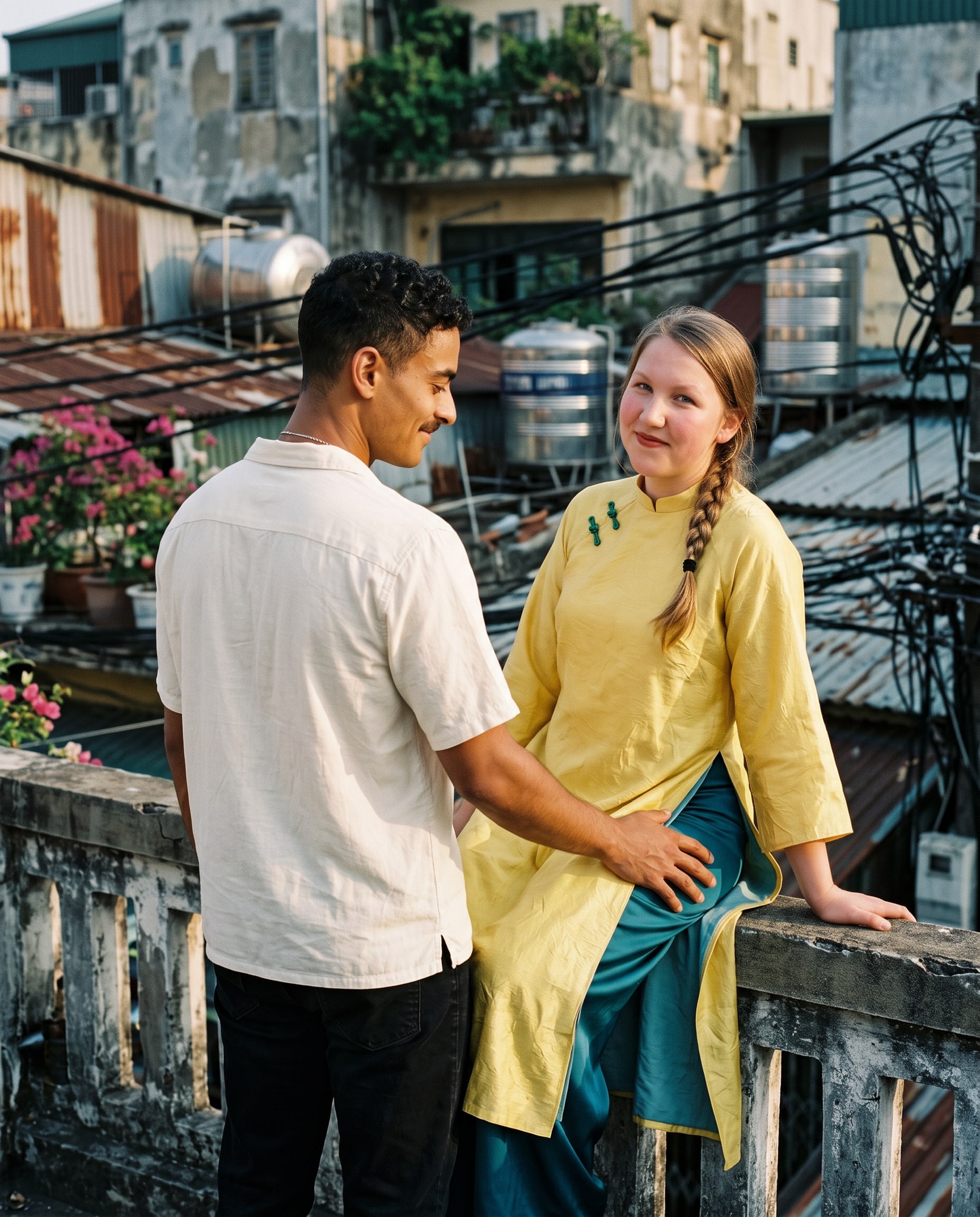
How do we decide on-set which shots work and when to move?
We use a three-signal system. First: light quality (is the sun creating shape or washing out colour?). Second: crowd density (are strangers visible or can we frame tight?). Third: weather (is the mist breaking fast or slow?). If any two signals fail, we pivot. In September, we might shoot terraces at sunrise, then move to village doorways by 8 am (softer light, fewer tourists), then finish in a Zay woman's home or field with her permission and a modest gift. This flexibility is why hiring a studio like Cáo Studio matters—we're not locked into "the Ta Phin shot" if conditions say move. A freelancer who promises you five specific poses at Ta Phin is overselling. Weather and crowds always interrupt.
Which Cáo Studio locations handle Ta Phin prep best?
Our Hanoi studio is the hub for Ta Phin coordination; we manage transport, guide booking, and makeup/hair there before 3 am departures. We've learned the vendors, timing, and backup spots over years of shoots. If you're flying into Saigon, we can arrange makeup and hair at your hotel the night before, then coordinate with Hanoi on the morning shoot. Some couples choose to stay in Sapa town and do a smaller shoot—that cuts fatigue but increases costs. We also offer special concept shoots combining Ta Phin's morning with a Sapa town sunset session, spreading effort across two days. This is smarter for guests who tire easily.
What to check before you book
- Fitness level: Can you walk uphill for 45 minutes without stopping? If no, talk to us first.
- Schedule flexibility: Can you wake at 4 am and move fast if weather shifts? Fixed itineraries break here.
- Outfit choices: Will your wedding dress or suit handle mud, dust, and moisture? Discuss fabrics and hemming before you arrive.
- Permissions: We handle the local liaison, but expect a 30–60-minute chat with the village chief or a local family. It's not intrusive, but it's part of the experience.
- Weather backup: Typhoon season is June–September. If Ta Phin is unsafe, do you want to reshuffle to Ninh Binh temples or stay in Hanoi for an urban couple photoshoot?
- Group size: Fewer is better. A bride, groom, and one attendant move fast. A bridal party of six slows us down and breaks the frame.
FAQ
How early do we really need to wake for Ta Phin?
4–4:30 am to leave Sapa by 5 am and shoot by 5:45 am. The mist and light are golden only until 7:30 am. Sleep the night before; caffeine and water matter more than extra minutes in bed.
Can we hire a local guide separately and save money?
You can, but we coordinate permits, safety, and photo timing that a generic guide won't know. We've shot there 40+ times; a random guide has not. Worth the package.
What if it rains the morning of the shoot?
We reschedule to the next clear dawn or pivot to Hoi An indoor/covered locations if you're on a tight timeline. Rain at Ta Phin makes terrain dangerous and light grey—not a romantic trade-off.
Is Ta Phin safe for solo or couple travellers?
Yes, with a guide and daylight. Stick to main paths, carry a phone, and go with a studio or registered tour operator. Never hike alone or after 6 pm.
Can we do Ta Phin plus another location in one day?
Not comfortably. Ta Phin takes 4–5 hours with setup, shooting, and breakdown. Pair it with a Sapa town sunset session instead, or choose Ninh Binh for a faster full-day shoot.
What's the weather risk between December and March?
Winter brings cloud cover, colder mornings, and occasional frost. Light is soft but mist can be thick (limiting visibility to 20 metres). Spring (April–May) and autumn (September–October, before typhoons) are safer bets.
Pre-Wedding & Elopement
Inclusions, prices and booking are on our booking site.
FAQ
How early do we really need to wake for Ta Phin?
4–4:30 am to leave Sapa by 5 am and shoot by 5:45 am. The mist and light are golden only until 7:30 am. Sleep the night before; caffeine and water matter more than extra minutes in bed.
Can we hire a local guide separately and save money?
You can, but we coordinate permits, safety, and photo timing that a generic guide won't know. We've shot there 40+ times; a random guide has not. Worth the package.
What if it rains the morning of the shoot?
We reschedule to the next clear dawn or pivot to [Hoi An indoor/covered locations](/go/vacation-photoshoot) if you're on a tight timeline. Rain at Ta Phin makes terrain dangerous and light grey—not a romantic trade-off.
Is Ta Phin safe for solo or couple travellers?
Yes, with a guide and daylight. Stick to main paths, carry a phone, and go with a studio or registered tour operator. Never hike alone or after 6 pm.
Can we do Ta Phin plus another location in one day?
Not comfortably. Ta Phin takes 4–5 hours with setup, shooting, and breakdown. Pair it with a Sapa town sunset session instead, or choose [Ninh Binh for a faster full-day shoot](/go/pre-wedding-photoshoot).
What's the weather risk between December and March?
Winter brings cloud cover, colder mornings, and occasional frost. Light is soft but mist can be thick (limiting visibility to 20 metres). Spring (April–May) and autumn (September–October, before typhoons) are safer bets.
More from the team
Boho pre-wedding photoshoot in Vietnam: Hanoi, Saigon, Hoi An
Boho pre-wedding shoots mix romantic, free-spirited aesthetics with Vietnam's landscapes and heritage sites. We run full-day sessions in three cities, handling styling, makeup, location scouts and edits.
Avoid crowds at Hoang Su Phi rice terraces: timing for wedding shoots
Hoang Su Phi's terraced landscape draws couples and tour buses in equal measure. We show how to shoot there alone, when to arrive, and what to arrange with us before you go.
Photography rules at Con Dao beaches: permits, drones and what to check
Con Dao's beaches demand prep before you shoot—permits, drone zones and tide timing all affect your day. We share what the Cáo Studio team verifies on every booking.