 Cáo Studio
Home › Blog › Vacation & Solo Photoshoot
Japanese Covered Bridge Photoshoot: Booking Your Hoi An Session
By the Cáo Studio team · Hanoi & Saigon · 2026-11-02
A Japanese covered bridge photoshoot in Hoi An means a 2–3 hour session at the 16th-century Japanese Bridge during golden hour or early morning, typically wearing a traditional áo dài that our stylists help you select. Cáo Studio books these shoots year-round; expect crowds around 7–9 a.m. and 5–6 p.m., so we often arrive at 6 a.m. or shoot between 10 a.m.–4 p.m. when light is flatter but tourist foot-traffic drops. The bridge itself is narrow and wet after rain, so we scout the day before, confirm footing with our photographer, and always have a backup location (nearby lantern shops, riverside alleys, or the old town walls) within walking distance. Cost varies by package—solo, couple, or family options all work here. What to avoid: wearing white áo dài on rainy days (fabric clings, photos look heavy), scheduling midday in summer (heat exhaustion, harsh shadows), or assuming you can pose alone on the bridge during peak hours without paying the entrance fee or managing tourist interruptions. Chat with us on WhatsApp
What happens the morning of your shoot?
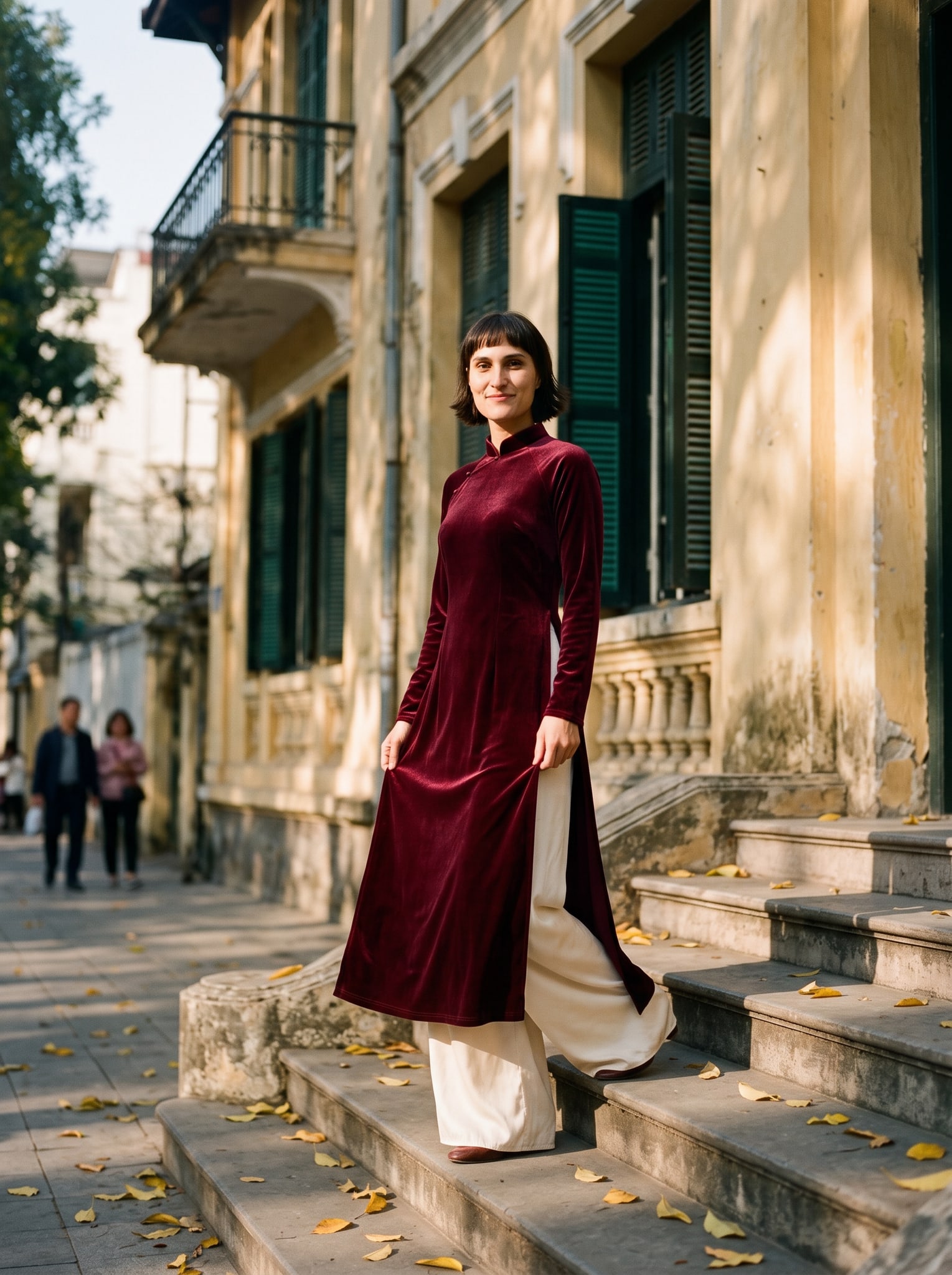
We arrive at the Japanese Bridge location about 45 minutes before your booked start time. Our photographer scouts the exact spot we'll use—angle to the bridge, where the sun will be, whether wet stones are slippery, which nearby walls or doorways work as backups if crowds arrive. Our stylist confirms your áo dài fits, pins it at the back if needed (the silk catches wind and looks messier in photos without a tuck), and checks your makeup in natural light—what looks good indoors under shop lights often looks washed out on a bridge. We check our phone: if a tour group has just entered or rain started upstream, we delay start by 10 minutes and shoot the smaller lantern-shop alley nearby first, then return to the bridge when it clears. On a typical morning, this happens twice. Never has a guest complained about starting on a backup shot; most don't realize we moved.
Why does timing matter more on this shoot than others?
The Japanese Bridge is crowded, narrow, and changes character hour by hour. At 6–7 a.m., light is soft and flat (fewer shadows on your face), but the bridge is slippery and Hoi An staff are still unlocking shops. By 8 a.m., tour groups arrive; we have maybe 3 minutes between groups for clear shots. By noon, the light is harsh and tourists triple. At 4–5 p.m., the light turns golden again, but crowds return for sunset; our photographer has to shoot fast, frame tightly, and crop out strangers. Early morning is calm but dull light; evening is beautiful but chaotic. We recommend asking yourself: do you want peaceful, soft photos (6–7 a.m.), or dramatic golden-hour images with a higher chance of photobombs (5–6 p.m.)? Neither is wrong—it's a choice about what mood you want and how much post-shoot stress you'll tolerate.
How do we handle the áo dài color choice for this location?
The bridge has dark wood railings, weathered stone, and a backdrop of old shopfronts in terracotta and cream. We keep a color palette in mind: jewel tones (emerald, sapphire, burgundy) pop; pastels (pale pink, mint) blend; white gets lost in midday glare and looks dingy in shadow. On the morning of your shoot, our stylist will ask if you'd like to try two áo dài—one for the bridge (jewel tone or deep rose, usually), one for backup locations (lighter shade for contrast). This takes no extra time; we bring both and swap in 2 minutes if you like the variety. If you're shooting with a partner, we often style one in a warm tone and one in cool—it creates visual balance in the frame. If you arrive undecided, our stylist has shot here 50+ times and will guide you based on the light that morning.
What can go wrong, and how do we prevent it?
Rain and slippery stones are the most common issue. We check the 7-day forecast daily; if rain is forecast between 6–9 a.m., we suggest moving your shoot to afternoon or a dry day. Wet áo dài fabric is heavy in photos and takes 2 hours to dry; we've had guests slip on the bridge and torn silk. Second: photobombs from tour groups. Our photographer knows how to shoot fast and frame out bystanders, but if a large group arrives mid-pose, we pause and reset rather than force a shot. This costs 5–10 minutes; it's worth it. Third: áo dài that's too loose or too tight. Loose fabric flutters and looks chaotic; tight fabric restricts your natural posture and shows tension in your shoulders. Our stylist will adjust pins and ask you to breathe and walk a few steps before we start—if something feels pinched, we fix it immediately. Fourth: guests standing stiffly on the narrow bridge. We always do a 30-second walk-through where you just walk toward our photographer naturally, then we capture candid shots before asking for posed ones. Candids almost always look better here because the bridge is visually distracting—movement and genuine expression outweigh perfect stillness.
How to choose between the bridge and our Hoi An backup locations?
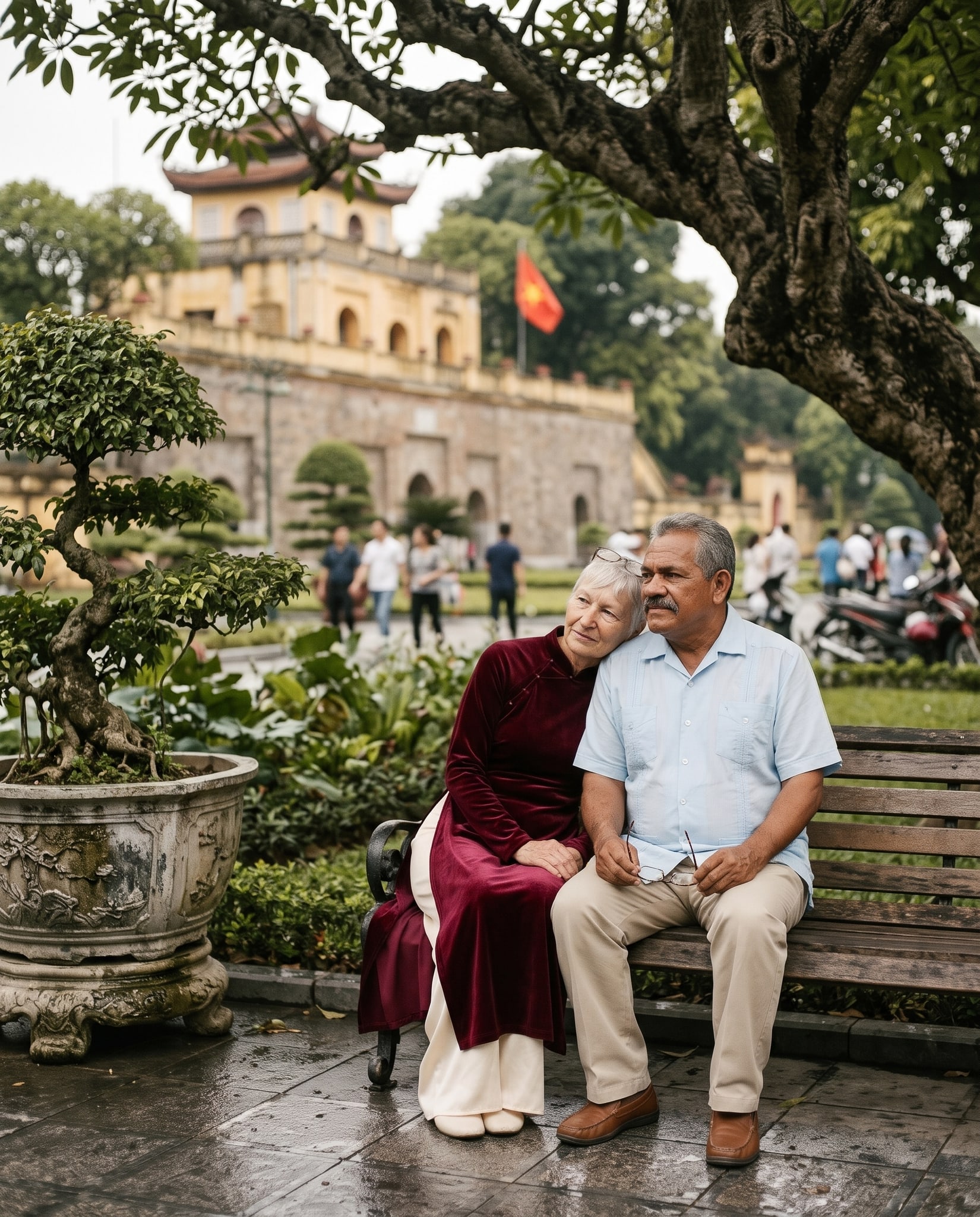
Some guests want only the covered bridge; others want variety. We built a comparison table to help you decide what to book:
| Location | Best For | Light Quality | Crowd Level | Time Needed |
|---|---|---|---|---|
| Japanese Bridge | Icon photo, áo dài drama | Golden hour (5–6 p.m.) / soft (6–7 a.m.) | High (8 a.m.–5 p.m.) | 45 min–1 hour |
| Lantern shops (nearby alleys) | Warm, intimate, fewer people | Soft & golden (best 6–7:30 a.m., 4–5 p.m.) | Low | 30–40 min |
| Old-town walls & heritage houses | Texture, layered backgrounds | Morning (7–9 a.m.) is best | Very low | 45 min–1 hour |
| Riverside path (north bank) | Movement, flowing fabric, broader vistas | Golden hour only | Low–moderate | 1 hour |
Most couples and families book 2–2.5 hours and split time between the bridge (30 min) and alleys or riverside (1–1.5 hours). Solo travelers often prefer the bridge-only hour because it's meditative and compact. If you're booking a couple photoshoot package, two locations are standard; if you're doing a family shoot, we recommend three because children move and you'll want variety.
See packages and prices on vietnamphotoshoot.com
What should you check before you book?
Ask yourself these questions:
- Arrival logistics. Do you have transport to Hoi An by your start time? (It's a 45-minute drive from Da Nang airport; traffic can add 20 min in morning rush). We book sessions; we don't arrange transport, but we send a WhatsApp reminder 48 hours before with the exact meeting point and what to bring.
- Áo dài fit and comfort. If you've never worn a traditional Vietnamese tunic, wear light layers underneath (not heavy clothing). The silk is soft but can feel foreign on skin. Our stylist will help you sit, move, and stand in the garment; we always do a 5-minute comfort walk before photos start.
- Backup date flexibility. Bad weather or unexpected crowds might push your session to a second morning. Can you stay an extra day, or do you need a guarantee? (We can't guarantee no crowds, but we can move to an earlier time or next-day option with notice.)
- Partner/family coordination. If you're shooting with others, confirm everyone's energy and mood in advance. A tired child or grumpy partner shows in photos. We always ask guests to eat breakfast and drink water beforehand; dehydration makes skin look dull and people irritable after 40 minutes in the sun.
- Post-shoot timeline. When do you need photos? We deliver edited shots within 10 days (sooner if you're leaving Vietnam). If you need them for a same-day event, tell us on WhatsApp when you book—we can often rush 10–15 hero shots within 4 hours.
Which Cáo Studio session suits a covered bridge shoot?
The vacation and solo photoshoot package works for independent travelers and anyone who wants a curated morning in Hoi An with light styling and natural poses. The couple photoshoot package is built for partners and honeymoon travelers; it includes the bridge, a second location, and couple-focused posing guidance. If you're traveling with kids, the family photoshoot is designed for this bridge setting—we know how to work with energy and patience. Pre-wedding and elopement sessions sometimes include the bridge as one of several Hoi An stops over a longer morning or full day.
We also offer makeup and hair at your hotel the morning of your shoot—our makeup artist can meet you at your Hoi An accommodation 1–1.5 hours before your start time, so you arrive at the bridge camera-ready. Many guests who've never worn an áo dài choose this add-on because the makeup artist also advises on what looks good in the soft, shadowed bridge light and what will photograph well from 10 feet away.
FAQ
Do we need a permit to shoot at the Japanese Bridge, or do we pay a fee?
The bridge is a heritage site; daytime visitors pay a small entrance fee (included in tickets to Hoi An's old-town complex). Professional photographers like ours sometimes notify local authorities; we handle this. You won't face extra costs, but be aware a ticket booth is nearby and staff may check bags early morning.
How does rain affect the shoot, and can we reschedule without penalty?
Light rain doesn't stop us—it softens light and can look romantic—but heavy rain makes the bridge dangerously slippery and áo dài fabric heavy. We'll suggest moving to afternoon or next morning. Our package terms include one free reschedule due to weather; check vietnamphotoshoot.com for specific terms when you book.
What if someone in our group is uncomfortable in an áo dài or doesn't want to wear one?
Not everyone needs to wear traditional dress. Some guests wear their own clothes on the bridge (jeans, sundresses, linen shirts) and rent an áo dài for backup-location shots. Our stylist will show options; there's no judgment. Photos still look beautiful with mixed styling.
How many usable photos do we get from a covered bridge session?
From a 1-hour bridge-focused shoot, we typically deliver 50–80 edited photos (our photographer shoots in batches). From a 2-hour session with two locations, expect 100–150. You'll receive a digital gallery; prints and albums are optional add-ons ordered separately.
Can we bring extended family (8+ people) for a group photo on the bridge?
The bridge is narrow and crowded. Groups of 8+ are difficult to pose and photograph without blocking tourists. We recommend splitting into smaller groups (couples, kids + parents) and doing 2–3 shorter sessions, or choosing a larger backup location like the riverside or a heritage-house courtyard for your full-group shot, then bridge shots for pairs or individuals.
Is early morning (6–7 a.m.) worth it, or should we shoot at sunset?
Early morning is quieter and has even light but softer colors. Sunset is golden and warm but crowded and requires faster shooting. It depends on your mood: calm and meditative (sunrise) or dramatic and energetic (sunset). Both produce beautiful photos; neither is objectively better. Ask yourself what energy you want in the images.
Vacation & Solo Photoshoot
Inclusions, prices and booking are on our booking site.
FAQ
Do we need a permit to shoot at the Japanese Bridge, or do we pay a fee?
The bridge is a heritage site; daytime visitors pay a small entrance fee (included in tickets to Hoi An's old-town complex). Professional photographers like ours sometimes notify local authorities; we handle this. You won't face extra costs, but be aware a ticket booth is nearby and staff may check bags early morning.
How does rain affect the shoot, and can we reschedule without penalty?
Light rain doesn't stop us—it softens light and can look romantic—but heavy rain makes the bridge dangerously slippery and áo dài fabric heavy. We'll suggest moving to afternoon or next morning. Our package terms include one free reschedule due to weather; check vietnamphotoshoot.com for specific terms when you book.
What if someone in our group is uncomfortable in an áo dài or doesn't want to wear one?
Not everyone needs to wear traditional dress. Some guests wear their own clothes on the bridge (jeans, sundresses, linen shirts) and rent an áo dài for backup-location shots. Our stylist will show options; there's no judgment. Photos still look beautiful with mixed styling.
How many usable photos do we get from a covered bridge session?
From a 1-hour bridge-focused shoot, we typically deliver 50–80 edited photos (our photographer shoots in batches). From a 2-hour session with two locations, expect 100–150. You'll receive a digital gallery; prints and albums are optional add-ons ordered separately.
Can we bring extended family (8+ people) for a group photo on the bridge?
The bridge is narrow and crowded. Groups of 8+ are difficult to pose and photograph without blocking tourists. We recommend splitting into smaller groups (couples, kids + parents) and doing 2–3 shorter sessions, or choosing a larger backup location like the riverside or a heritage-house courtyard for your full-group shot, then bridge shots for pairs or individuals.
Is early morning (6–7 a.m.) worth it, or should we shoot at sunset?
Early morning is quieter and has even light but softer colors. Sunset is golden and warm but crowded and requires faster shooting. It depends on your mood: calm and meditative (sunrise) or dramatic and energetic (sunset). Both produce beautiful photos; neither is objectively better. Ask yourself what energy you want in the images.
More from the team
Honeymoon Photoshoot in Hoi An: What Our Team Sees on Set
Hoi An draws newlyweds for its lantern-lit old town and riverbank light. We've shot hundreds of couples there—here's what actually happens during your session, hour by hour, and how to choose between what we offer.
Nhat Tan Peach Blossom Gardens Photoshoot: What We Book
Nhat Tan peach blossoms peak for just three weeks each January–February. We run morning sessions there to beat tourist crowds and capture soft light—here's how our studio plans them and what actually happens on the ground.
Truc Bach Lake Photoshoot: What to Book at Cáo Studio
Truc Bach Lake is one of Hanoi's most photographed water landmarks. We run sessions there 3–4 times weekly, and share how to get the best light, what to wear, and what actually happens during a shoot.