 Cáo Studio
Home › Blog › Pre-Wedding & Elopement
Ke Ga Lighthouse Wedding Photos: Best Time of Day and Light
By the Cáo Studio team · Hanoi & Saigon · 2026-11-02
Ke Ga lighthouse shoots work best between 16:00–18:30, when the sun drops to the southwest and hits the white tower with warm, directional light. The hour before sunset—what photographers call the "golden hour"—delivers that signature glow. The journey from Saigon takes 4–5 hours by car, so plan a full-day session; we collect couples at their hotel, shoot during peak light, and return by late evening. Our Cáo Studio team handles timing, reflector angles, and fast outfit changes to maximize light windows. Avoid midday (11:00–14:00) when harsh shadows flatten the tower, and skip heavy cloud cover—Phan Thiết's open coastline leaves no softening. Budget for a dedicated driver, a full styling kit, and backup indoor shots at your resort if light fails. Check weather forecasts 48 hours before; the lighthouse sits exposed to coastal winds, so confirm conditions with us on WhatsApp before finalizing. Chat with us on WhatsApp | See packages and prices on vietnamphotoshoot.com
Ke Ga lighthouse—a white, columnar beacon on Phan Thiết's rocky shore—has become one of Vietnam's most requested pre-wedding backdrops in the past three years. We've shot there on over 60 sessions since 2022, and every couple asks the same question: When is the light actually good? The answer depends entirely on sun angle, time of year, and what you want the photos to feel like.
The journey from Ho Chi Minh City takes 4–5 hours by car. On our sessions, we pick up couples at their hotel, brief them on what to expect (wind, rocks, water spray), and arrive at the lighthouse by early afternoon. We never arrive at midday. Here's why: at 12:00–14:00, the sun is directly overhead or slightly behind you. The lighthouse casts a sharp, inky shadow on one side and floods the other with flat, hot light. We've tried shooting then, backlit the couple, used every reflector trick—the tower still looks dull and the photos feel clinical. Our stylists learned to resist the pressure to "go early" and maximize time on-site instead.
What time of day does the lighthouse actually look its best?
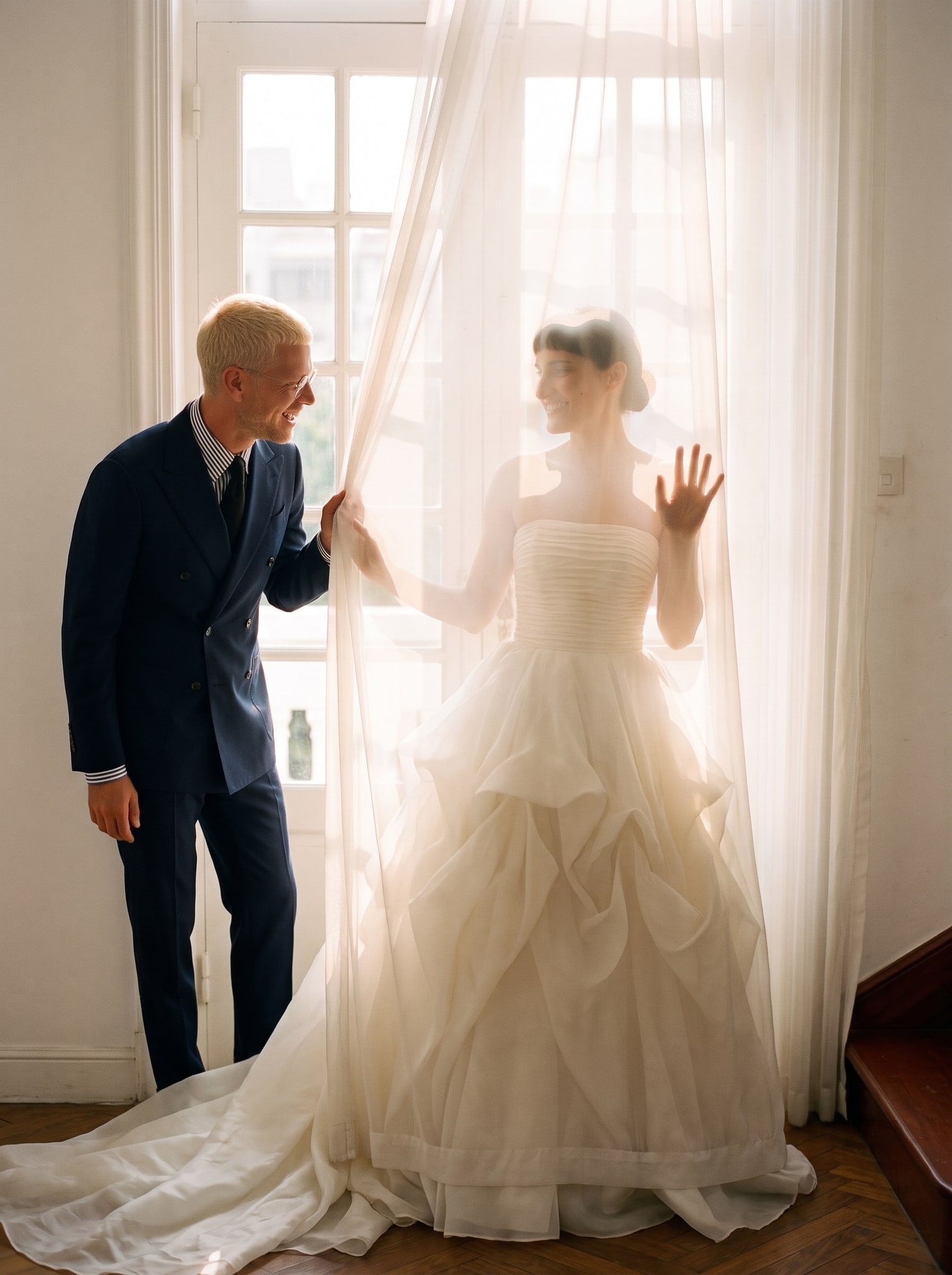
Golden hour—roughly 16:00–18:30 in most of the year—is when the lighthouse transforms. The sun slides from the southwest, wrapping the white tower in warm, directional light that brings out its cylindrical form and the texture of the paint. At 16:30, shadows begin to sculpt the stone. By 17:15, the light is unambiguous: warm, angled, and forgiving for skin tones. This window closes by 18:45, when the sun dips below the horizon and the light flattens to a cool, bluish dusk. Our team has found that 17:00–18:00 offers the tightest window of truly excellent light—not too warm, not too cool, and strong enough to expose the couple's faces and the lighthouse detail in a single frame without blown-out skies.
Why does midday shooting fail at Ke Ga?
The lighthouse sits on a rocky peninsula jutting into open water with zero shade or natural reflectors behind it. At noon, overhead sun turns the white tower nearly white-on-white and bleaches color from the ocean behind it. Shadows under the couple's eyes become severe; the tower loses form. We once shot a couple midday for a pre-event walk-through (they wanted test shots), and every frame looked flat despite a clear blue sky. Our photographer had to dial back saturation and boost contrast in post-production just to recover dimension. By contrast, golden-hour frames needed only light skin-tone adjustments. The lesson: never plan a full session before 15:30. If you arrive earlier, use that time for styling, location scouting, or rest—we typically tell couples to relax at their resort until we leave for the lighthouse around 14:00.
How do season and cloud cover affect the light window?
Vietnam's monsoon patterns shift the usable light window by up to 45 minutes between winter and summer. In November–February (cool, dry season), sunset approaches by 17:15, compressing golden hour to a single tight hour. In July–August (monsoon), sunset drifts to 18:45, but humidity and scattered clouds soften the light, making the 16:30–17:45 window less dramatic. Our stylists prefer November–March: sharper light, lower humidity, and more stable forecasts. Cloud cover is unpredictable; heavy clouds (4/5 to 5/5 overcast) wash out the tower's texture, though the softer light suits delicate makeup and pale complexions. Partial clouds (2/5 to 3/5) are ideal—they diffuse the sun slightly while keeping it directional. We check Phan Thiết's hourly weather 48 hours before every session and again at 10:00 the morning of the shoot. If clouds are forecast to dominate, we discuss backup options (your resort courtyard, nearby temples, or an indoor session) with you by 12:00 noon, leaving time to adjust.
| Scenario | Best Time Window | Light Feel | Who It Suits | What to Check |
|---|---|---|---|---|
| Dry season (Nov–Mar), clear skies | 17:00–18:00 | Warm, directional, sharp | Couples wanting rich color and contrast | Forecast after 10:00 a.m. |
| Monsoon (Jun–Aug), humid, partial clouds | 16:30–17:45 | Soft, diffused, golden | Brides wanting gentle highlights and pale skin | Check 48 hours ahead |
| Winter, cooler light, early sunset | 16:30–17:30 | Cool-warm blend, minimal haze | Couples who prefer cooler tones | Arrive by 14:00 |
| Heavy cloud cover predicted | 15:00–18:00 or reschedule | Flat, neutral | Skip full session; use for styling or reschedule | Confirm backup plan by noon |
How does the studio prepare a full-day session to use light efficiently?
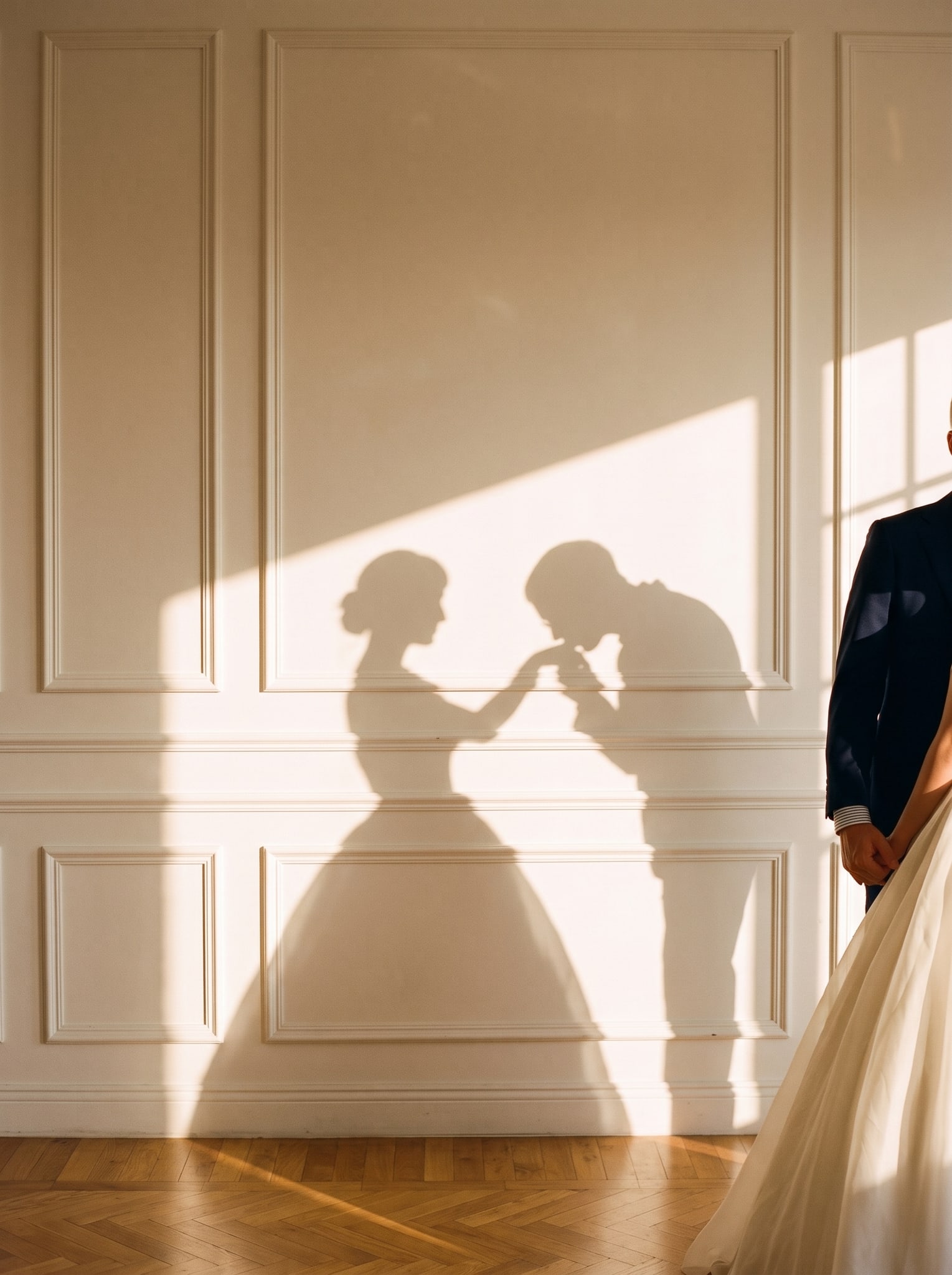
Our team arrives at your hotel by 08:00 or 09:00 with hair, makeup, and styling kits. We spend 2–3 hours on hair and makeup in your room, discussing the mood and ensuring looks suit the soft, warm light we'll encounter. By 11:30, your outfit is checked, jewelry confirmed, and any touch-up products are packed. We then rest or eat lunch—important, because couples often feel rushed and anxious. At 14:00, we leave for Phan Thiết in our car or a dedicated van (our driver knows the route, parking, and timing). We arrive at the lighthouse by 15:30–15:45, giving time to scout angles, test light positions with a phone, and let you acclimate to wind and rocks. Our photographer conducts a 10-minute briefing: where to stand, how to move on uneven ground, what to expect from wind and spray. The first few frames at 15:50 are always test shots; we check skin exposure and adjust reflectors. By 16:15, we're shooting full sets. We do outfit changes—one at 16:45 (quick), another at 17:20 if time permits—and wrap by 17:50 to avoid the light shift at dusk. The drive home is 4–5 hours; we depart by 18:15. Full day cost includes the car, team time, all styling products, and digital files delivered within 7 days.
See packages and prices on vietnamphotoshoot.com
What goes wrong on location and how do we fix it?
Three things consistently test us. First: wind. The lighthouse's exposed position creates gusts that lift veils, scatter hair, and move reflectors. Our team packs hair spray (industrial-grade), bobby pins in backup bundles, and a weighted reflector stand. If wind is too strong (above 30 km/h per forecast), we still shoot but angle you away from the worst gusts and do more hair checks between frames. Second: timing slips. Traffic on the way back to Saigon occasionally causes delays; we build in 30-minute buffers and communicate expected arrival times by 17:00. Third: light shifts faster than expected on cloudy days. A partial cloud can disappear in 10 minutes, changing the entire mood. Our photographer watches the light in real time and calls out adjustments—"move left for backlight," "pause for that cloud to pass." If the light flat-lines (heavy cloud rolls in), we pivot: we either move to an undercover spot at the lighthouse base or suggest we shoot your second outfit indoors at your resort and return to the lighthouse tomorrow if weather clears.
Our pre-wedding photoshoot packages include a full day at one location with outfit changes, hair and makeup, and digital delivery. We also offer couple photoshoot sessions at Ke Ga if you'd prefer a shorter, focused 2–3 hour window; these are ideal if you're time-limited or want to test the location before a full pre-wedding day.
What to check before you book a Ke Ga lighthouse session
Light timing: Confirm with us that you're available for a 15:30–18:15 on-site window (including arrival). If you must leave earlier or arrive later, the session will feel rushed or catch poor light.
Distance and travel: Expect 4–5 hours round-trip driving. Bring snacks, water, and comfortable car shoes. Let us know if motion sickness is a concern; we'll adjust.
Weather fall-back: Discuss what you'll do if heavy rain or extreme wind occurs. Options include rescheduling, moving to your resort, or a partial refund if we can't deliver the light you're paying for.
Outfit practicality: Dresses with long trains, very high heels, or delicate fabrics (silk, organza) are riskier on rocks and around spray. We'll advise during planning calls on WhatsApp.
Physical stamina: The lighthouse climb and rocky terrain aren't intense, but they require mobility. If you have knee or joint concerns, flag them early so we can scout easier angles.
Visit our Saigon studio location page to book or ask questions about Ke Ga shoots, which depart from our Ho Chi Minh City base. For broader pre-wedding planning, explore our full pre-wedding and elopement package details, and read more on wedding photography in Vietnam from our team's experience.
FAQ
Is golden hour the only time the lighthouse looks good?
No, but it's the most reliable. Blue hour (dusk, 18:45–19:15) works if you want moody, romantic light, but only on days with clear skies. Cloudy golden hour often produces softer, more flattering light than cloudless dusk. Test light quality in our WhatsApp preview calls.
What if I can only shoot in the morning?
Morning light at Ke Ga is typically cool and flat; the lighthouse doesn't catch directional sun until early afternoon. If morning is your only option, we'd recommend a different location (Ninh Binh, Hoi An, or Saigon temples) where morning light is stronger. Let's discuss alternatives.
How do you handle wind damage to hair and makeup on the day?
We pack industrial hairspray, extra bobby pins, and touch-up makeup (powder, lip color, mascara). Our stylists refresh you between outfit changes (roughly every 45 minutes). If wind is extreme, we shelter behind the lighthouse or move to the gift-shop building temporarily for quick fixes.
Can we reschedule if weather forecast looks bad?
Yes. We check forecast 48 hours before and again at 10:00 a.m. the morning of your session. If rain or extreme wind is predicted, we'll contact you by 12:00 noon to reschedule or pivot to an indoor backup plan. You'll never show up to bad light if we can help it.
What's included in a Ke Ga full-day session?
Hotel pickup, hair and makeup in your room, car transport, 2–3 outfit changes on-site, our photographer and stylists for 10–12 hours, all styling products, and digital files delivered within 7 days. Meals and travel time are your own, though we recommend light snacks. Confirm exact inclusions during booking on vietnamphotoshoot.com.
Do we need a second outfit, or is one enough?
One outfit is fine if you want a shorter session or budget is tight. Two outfits let us capture different moods (elegant and playful, or traditional and modern) and maximize the 2-hour light window without rushing. Most couples choose two; it's worth the time investment given the travel distance.
Pre-Wedding & Elopement
Inclusions, prices and booking are on our booking site.
FAQ
Is golden hour the only time the lighthouse looks good?
No, but it's the most reliable. Blue hour (dusk, 18:45–19:15) works if you want moody, romantic light, but only on days with clear skies. Cloudy golden hour often produces softer, more flattering light than cloudless dusk. Test light quality in our WhatsApp preview calls.
What if I can only shoot in the morning?
Morning light at Ke Ga is typically cool and flat; the lighthouse doesn't catch directional sun until early afternoon. If morning is your only option, we'd recommend a different location (Ninh Binh, Hoi An, or Saigon temples) where morning light is stronger. Let's discuss alternatives.
How do you handle wind damage to hair and makeup on the day?
We pack industrial hairspray, extra bobby pins, and touch-up makeup (powder, lip color, mascara). Our stylists refresh you between outfit changes (roughly every 45 minutes). If wind is extreme, we shelter behind the lighthouse or move to the gift-shop building temporarily for quick fixes.
Can we reschedule if weather forecast looks bad?
Yes. We check forecast 48 hours before and again at 10:00 a.m. the morning of your session. If rain or extreme wind is predicted, we'll contact you by 12:00 noon to reschedule or pivot to an indoor backup plan. You'll never show up to bad light if we can help it.
What's included in a Ke Ga full-day session?
Hotel pickup, hair and makeup in your room, car transport, 2–3 outfit changes on-site, our photographer and stylists for 10–12 hours, all styling products, and digital files delivered within 7 days. Meals and travel time are your own, though we recommend light snacks. Confirm exact inclusions during booking on vietnamphotoshoot.com.
Do we need a second outfit, or is one enough?
One outfit is fine if you want a shorter session or budget is tight. Two outfits let us capture different moods (elegant and playful, or traditional and modern) and maximize the 2-hour light window without rushing. Most couples choose two; it's worth the time investment given the travel distance.
More from the team
Boho pre-wedding photoshoot in Vietnam: Hanoi, Saigon, Hoi An
Boho pre-wedding shoots mix romantic, free-spirited aesthetics with Vietnam's landscapes and heritage sites. We run full-day sessions in three cities, handling styling, makeup, location scouts and edits.
Avoid crowds at Hoang Su Phi rice terraces: timing for wedding shoots
Hoang Su Phi's terraced landscape draws couples and tour buses in equal measure. We show how to shoot there alone, when to arrive, and what to arrange with us before you go.
Photography rules at Con Dao beaches: permits, drones and what to check
Con Dao's beaches demand prep before you shoot—permits, drone zones and tide timing all affect your day. We share what the Cáo Studio team verifies on every booking.