 Cáo Studio
Home › Blog › Makeup & Hair at Your Hotel
Makeup for mature skin before a photoshoot: what our artists change
By the Cáo Studio team · Hanoi & Saigon · 2026-11-01
Makeup for mature skin before a photoshoot requires three shifts from standard bridal or portrait prep: we use thinner, hydrating base products instead of full-coverage matte formulas; we skip powder in fine-line areas and use it only where the camera catches light; and we apply cream blush and highlight high enough to lift the face without settling into creases. Cáo Studio artists spend an extra 10–15 minutes on skin prep—massage, hydration spray, primer that fills (not flattens)—because the camera exaggerates texture if the base is dry or too thick. The goal is luminous, not matte; dimensional, not flat. We do this in every shoot for guests over 40 in Hanoi, Saigon, Hoi An, and Ninh Binh, and it costs no extra fee within the makeup service. Avoid heavy contouring, dark liner all around the eye, and powders with shimmer; these photograph as aging rather than sculpting on mature skin. --- Chat with us on WhatsApp | See packages and prices on vietnamphotoshoot.com
Why standard makeup looks wrong on mature skin in photos
Most makeup artists use the same base routine for every age group. On younger skin, full-coverage matte foundation reads as polished. On mature skin, it settles into expression lines, collects in pores, and photographs as cakey under studio lights. The camera amplifies texture: what feels smooth on the skin reads as a mask on film. We learned this the hard way five years ago when a 52-year-old guest saw her first look and said, "I look older than in real life." We remade her face in 20 minutes using a tinted moisturizer instead, and she cried when she saw the proofs. Now it's our standard protocol.
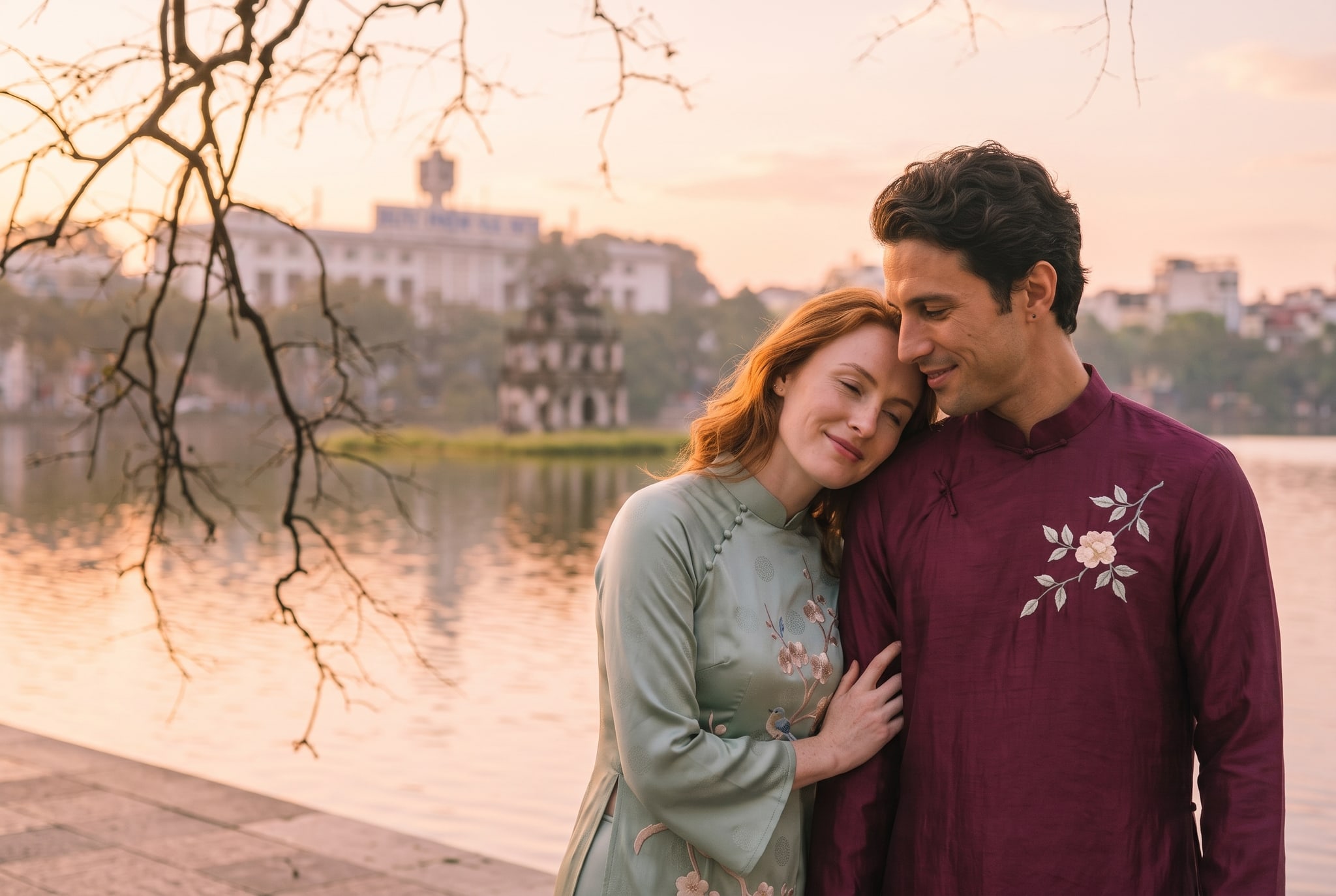
How hydration changes the entire makeup application
Mature skin loses moisture year on year, and a dry base sabotages even perfect blending. We arrive 45 minutes early for makeup when the guest is over 45—first step is a facial massage (three minutes) to boost circulation, then a hydrating essence, then a silicone-based primer that sits on top of moisture rather than replacing it. This single shift lets us use 30% less foundation and still achieve even coverage. The primer fills micro-texture without flattening the skin; it's the invisible hero. A dry base, by contrast, makes powder clumpy and every line visible. We've seen guests book a reshoot just because their first artist skipped hydration prep.
Foundation: tint, not coverage; luminosity, not matte
Here's the choice we present at every mature-skin makeup call:
| Decision | Result | Why it matters |
|---|---|---|
| Full-coverage foundation matte finish | Flat, settled in creases, heavy in photos | Emphasizes texture |
| Tinted moisturizer or light coverage fluid | Luminous, skin still visible, camera-friendly | Shows dimension and health |
| Powder everywhere (traditional) | Dry patches, visible in high-def | Collects in fine lines |
| Strategic powder (eyes only, T-zone) | Natural, fresh, three-dimensional | Keeps texture subtle |
We use tinted moisturizer or a ultra-light coverage fluid (one layer only, never two) as the base for 90% of mature-skin shoots. Over 45, we apply it with a damp beauty sponge, pressing rather than rubbing. The sponge grabs only what skin needs; brushes deposit too much product. Foundation should feel like a second skin, not armor. If the guest can't forget they're wearing it, we've used too much.
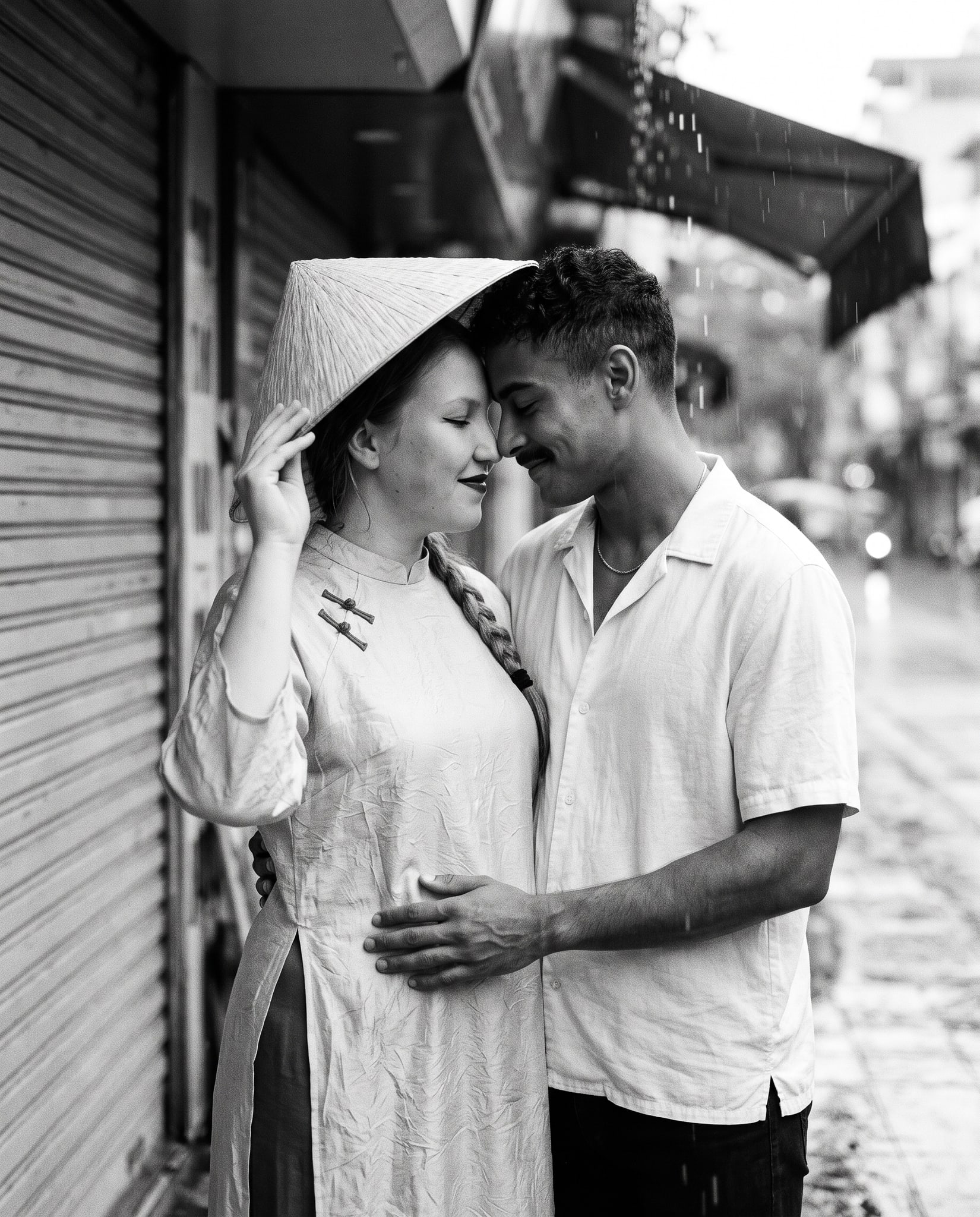
Eye makeup: line placement and color depth matter more than technique
Eyeliner drawn all the way around a mature eye photographs as harsh and closes the eye. We use a tightline (inside the upper lash line only) in dark brown or graphite instead of black, then a thin upper lash line in the same color—stopping before the outer corner rather than extending beyond it. This keeps the eye open and awake without the Dramatic look that reads as overdone on camera. Eyeshadow color also shifts: we avoid pale mattes that flatten the lid and cool grays that can read as tired. Instead, we use warm neutrals (warm bronze, soft taupe, warm gold) and apply them above the crease rather than all over the lid. This lifts the eye naturally. Mascara stays brown-black (not jet black) and we apply it only to the upper lashes unless the guest specifically wants lower-lash definition.
Blush and highlight: height and placement redirect the eye upward
Blush placement is the single biggest difference between mature and younger makeup. On younger faces, blush sits on the apples of the cheeks. On mature skin, it sits one finger higher—on the cheekbone itself, blended upward toward the temple. This lifts the face and draws the eye up, away from any jawline softness. We use cream blush instead of powder because it blends seamlessly into the skin without settling into texture. The color is warm (terracotta, peach, warm rose) rather than cool or gray-toned. Highlight goes even higher—on the inner corner of the eye, down the center of the nose, and on the tops of the cheekbones—never on the apples. This creates lift and dimension without looking glittery. A mature face with highlight on the apples looks wider; highlight on the bones looks sculpted.
What to check before your mature-skin photoshoot makeup
Before booking or arriving, confirm three things with your artist:
- Ask about hydration protocol. Does the artist plan to use primer and essence, or skip it? If they skip it, ask them to add 15 minutes to allow time. Dry skin under lights is your biggest enemy.
- Show reference photos of makeup you like. Bring images of people your age (not younger) wearing makeup that makes you feel confident. A 55-year-old looks different from a 35-year-old in the same blush placement—your artist needs to see what you want.
- Confirm the base product type. Ask if they're using matte foundation or a luminous base. Luminous reads better on camera. If they assume matte is always right, that's a flag.
Mature skin is not a limitation—it's a design challenge. Our artists treat it as an opportunity to create something that photographs beautifully because it respects the skin's texture and age. Explore our makeup and hair services to understand how we adapt every routine. For a full experience—photoshoot plus makeup—consider an ao dai photoshoot, couple session, or pre-wedding package where mature-skin makeup is built into the timeline.
We also offer makeup and hair at your hotel if you prefer not to travel to our studios in Hanoi or Saigon.
See packages and prices on vietnamphotoshoot.com
FAQ
Does mature skin need a different type of primer?
Yes. Silicone-based primers work better than water-based because they sit on top of the skin's moisture rather than replacing it. They fill micro-texture without flattening, and they hold makeup longer under lights and heat. We always ask about primer type before booking.
How often should I powder if I have mature skin?
Use powder only on the eyelids (to set eyeshadow) and the T-zone if you get oily there. Avoid powder on cheeks, temples, and the jawline—it settles into fine lines and looks chalky on camera. One light layer, not two.
Can I wear bold colors on mature skin for photos?
Yes, but placement changes. Bold eyeshadow works best when applied above the crease (lifting the eye) rather than all over the lid. Bold blush works when applied high on the cheekbone. Cool, dark colors (charcoal, deep plum) read better on camera than pale ones because they create definition without looking heavy.
What's the difference between cream and powder blush on mature skin?
Cream blush blends seamlessly and doesn't settle into texture. Powder can look dry and emphasize fine lines if the skin isn't perfectly prepped. For mature skin, cream is our default—it sits on the skin rather than in it. If the guest prefers powder, we use only a light hand.
How long does makeup take for a mature-skin photoshoot?
We plan 60–75 minutes: 15 minutes for hydration and primer prep, 45 minutes for makeup application, and 15 minutes for touch-ups before the shoot starts. Younger guests often take 45 minutes; the extra time on mature skin ensures the base is hydrated and blended perfectly.
Should I get my makeup done the day before to "test" it?
Yes if you're nervous, but tell your artist it's a test and you'll redo it the day of the shoot. Makeup changes slightly on skin over 24 hours (settles differently, oxidizes slightly). A test run lets you see the colors and placement on your face in daylight and decide if you want adjustments.
Makeup & Hair at Your Hotel
Inclusions, prices and booking are on our booking site.
FAQ
Does mature skin need a different type of primer?
Yes. Silicone-based primers work better than water-based because they sit on top of the skin's moisture rather than replacing it. They fill micro-texture without flattening, and they hold makeup longer under lights and heat. We always ask about primer type before booking.
How often should I powder if I have mature skin?
Use powder only on the eyelids (to set eyeshadow) and the T-zone if you get oily there. Avoid powder on cheeks, temples, and the jawline—it settles into fine lines and looks chalky on camera. One light layer, not two.
Can I wear bold colors on mature skin for photos?
Yes, but placement changes. Bold eyeshadow works best when applied above the crease (lifting the eye) rather than all over the lid. Bold blush works when applied high on the cheekbone. Cool, dark colors (charcoal, deep plum) read better on camera than pale ones because they create definition without looking heavy.
What's the difference between cream and powder blush on mature skin?
Cream blush blends seamlessly and doesn't settle into texture. Powder can look dry and emphasize fine lines if the skin isn't perfectly prepped. For mature skin, cream is our default—it sits on the skin rather than in it. If the guest prefers powder, we use only a light hand.
How long does makeup take for a mature-skin photoshoot?
We plan 60–75 minutes: 15 minutes for hydration and primer prep, 45 minutes for makeup application, and 15 minutes for touch-ups before the shoot starts. Younger guests often take 45 minutes; the extra time on mature skin ensures the base is hydrated and blended perfectly.
Should I get my makeup done the day before to "test" it?
Yes if you're nervous, but tell your artist it's a test and you'll redo it the day of the shoot. Makeup changes slightly on skin over 24 hours (settles differently, oxidizes slightly). A test run lets you see the colors and placement on your face in daylight and decide if you want adjustments.
More from the team
Bridal hair and makeup for Ninh Binh photoshoots: heat, humidity, timing
Ninh Binh's tropical climate demands a different approach to bridal beauty than studio work. We walk through the timing, products and real decisions our team makes during shoots in the limestone hills.
Bridal Hair and Makeup for Mu Cang Chai Photoshoots: Heat and Timing
Mu Cang Chai's terraced rice fields and high altitude demand different bridal prep than studio work. We share how we protect makeup and hair through 8+ hours of humidity and sun.
Hair Accessories for Áo Dài: Choose the Right Style
Áo dài photoshoots require hair accessories that stay secure during movement, match the gown's color and era, and look polished on camera. We help you choose.