 Cáo Studio
Home › Blog › Vacation & Solo Photoshoot
Photo spots near Hoi An ancient town hotels
By the Cáo Studio team · Hanoi & Saigon · 2026-11-02
Hoi An ancient town sits within walking distance of photo-friendly hotels in the town core, riverside areas, and the outskirts toward rice fields. Most premium backdrops—old French colonial buildings, lantern-lit streets, water reflections, rural paddy scenes—fall within 1–3 km of the town center; photo sessions here run 2–4 hours depending on location hops and outfit changes. Cáo Studio guides guests through timing (golden hour 6–7 a.m. or 5–6 p.m., midday harsh light avoided) and handles permit logistics for temple access. Cost basis depends on the package: solo vacation shoots, couple sessions, or concept work each scale differently. Key is booking transport and confirming with your hotel concierge if your shoot crosses private or sacred grounds. Chat with us on WhatsApp | See packages and prices on vietnamphotoshoot.com
How close are the best photo spots to central Hoi An hotels?
The old town's lantern-lit streets and shophouse facades line Nguyen Hue and Tran Phu streets—both 50–200 meters from mid-range hotels like Hoi An Riverside or Alkemist. The Thu Bon River frontage and wooden boat mooring areas lie 300–500 meters east, a 10-minute walk. Rice paddies and palm-lined rural roads start 2–3 km north and west; we hire motorbikes or arrange hotel car transfers for these (usually 10–15 minutes travel). We've learned that walking shoots through town work best early (before 7 a.m.) when foot traffic is light; by 9 a.m., tourist groups crowd narrow alleys and diffuse natural light with umbrellas. Riverside sessions work midday if clouds provide cover, but we usually schedule them for late afternoon when the sun angles lower and reflections sharpen. Concept shoots that hop multiple zones (old town, river, rural backdrop, silk village) need 4–5 hours plus transport time.
What does light look like at each location throughout the day?
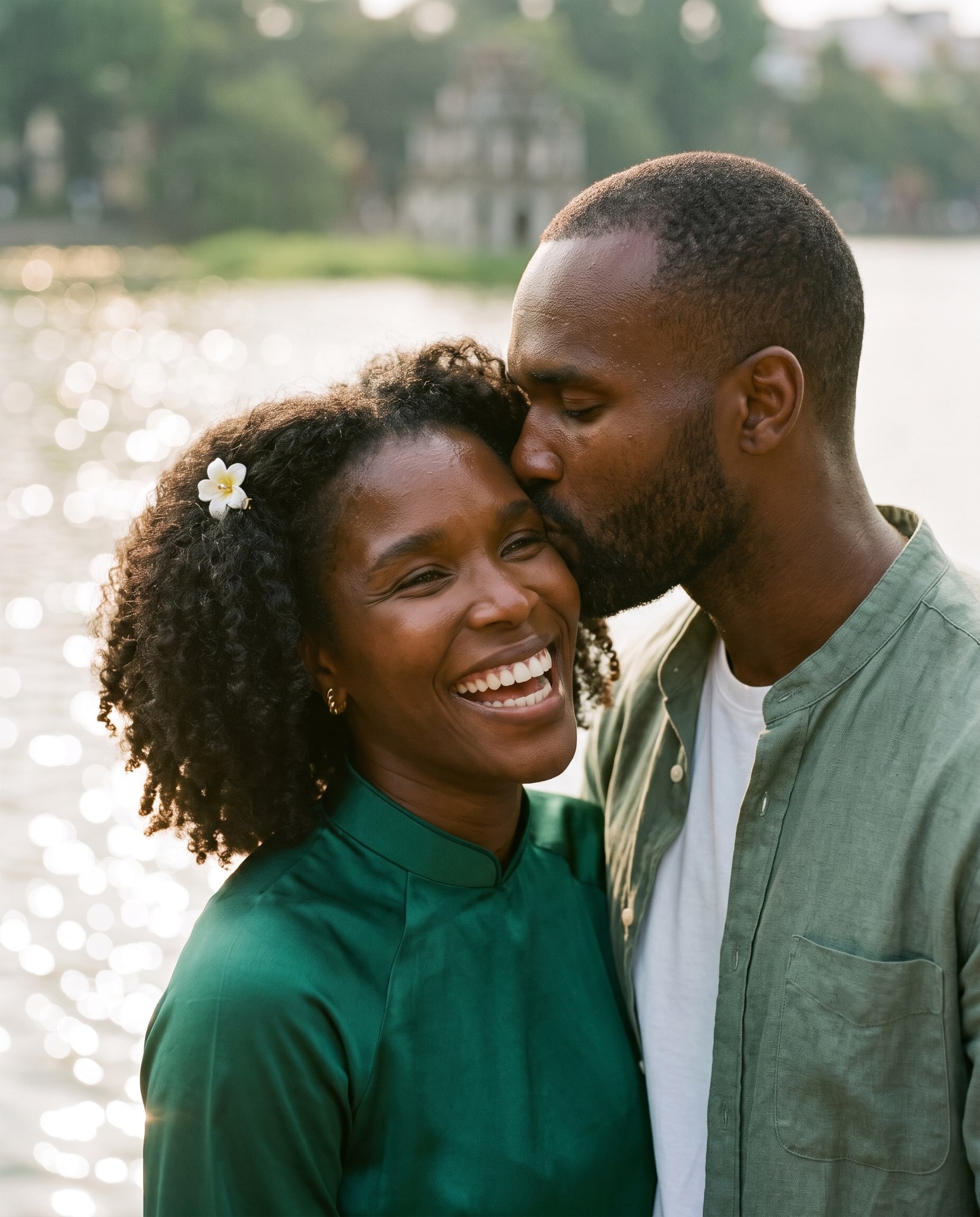
Old-town alley light shifts hard: 6–7 a.m. shows soft directional glow on stone walls, no harsh shadows. By 9 a.m., sunlight reflects harshly off narrow passages; 11 a.m.–3 p.m. creates dark, flat results unless you step into courtyards for overhead shade. River shots peak 5–6 p.m., when sun hits the far bank and water surface acts as a natural reflector, lifting faces without overexposure. Rice paddies favor early morning (mist lingers, green saturates) or late afternoon (golden tones across water, long shadows toward mountains). Temple interiors (like Chua Ong or Quan Cong) stay dim year-round; we pack reflectors or shoot with high ISO to preserve stone detail and lantern glow. Cloudy days flatten contrast but let us shoot anywhere 10 a.m.–4 p.m. without harsh shadow lines. We tell guests: if your hotel is near the river, pick a 5 p.m. start; if you're old-town center, arrive by 6:15 a.m. or expect to reschedule.
See packages and prices on vietnamphotoshoot.com
Which hotel areas offer the best backup indoor options on rainy days?
Hoi An Riverside and similar riverside hotels have covered terraces and lantern-lit interior courtyards; we've shot there on wet mornings using the courtyard's soft overhead light and lantern reflections. Alkemist features colonial archways and tiled corridors that photograph well under cloud cover. Angsana Hoi An has garden spaces and covered walkways near the river—good for midday backup without leaving the property. We always scout hotels during initial calls; some concierges let us book heritage rooms with period furniture as secondary backdrops. Hoi An Museum (closed Mondays) allows shoots if arranged ahead; we've used its silks and historical displays for concept work on rainy mornings. The covered market area (Ben An) provides texture but loses charm once crowded; we shoot there 6–6:45 a.m. only. Our team learned the hard way: never assume a backup location is open or photo-friendly without direct contact. We call 48 hours before any shoot and confirm rain-day permission in writing via WhatsApp. Rainy seasons (September–November) happen; we build a 24-hour reschedule option into bookings.
Which session types work best for each photo spot type?
| Session Type | Best Locations | Light Timing | Package Length | Why It Works |
|---|---|---|---|---|
| Solo vacation shoot | Old-town alleys, river walk | 6–7 a.m. or 5–6 p.m. | 2–3 hours | Solo movement feels natural in quiet, narrow streets; evening light flatters solo portraits. |
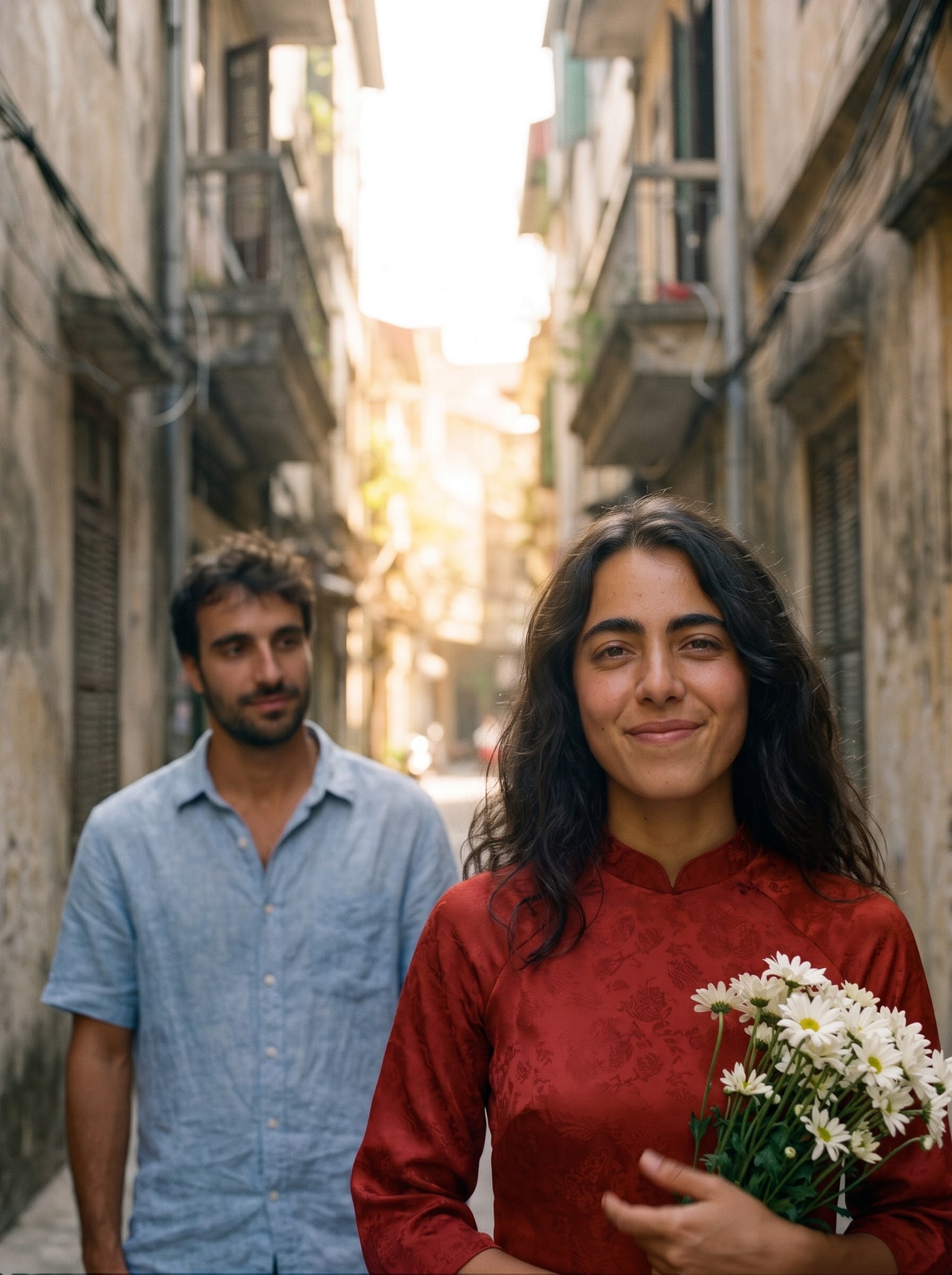
| Couple session | Riverside, lantern streets, rice paddies | 5–6 p.m. or early morning | 3–4 hours | Couples benefit from golden hour and water reflections; multiple zones keep energy high. |
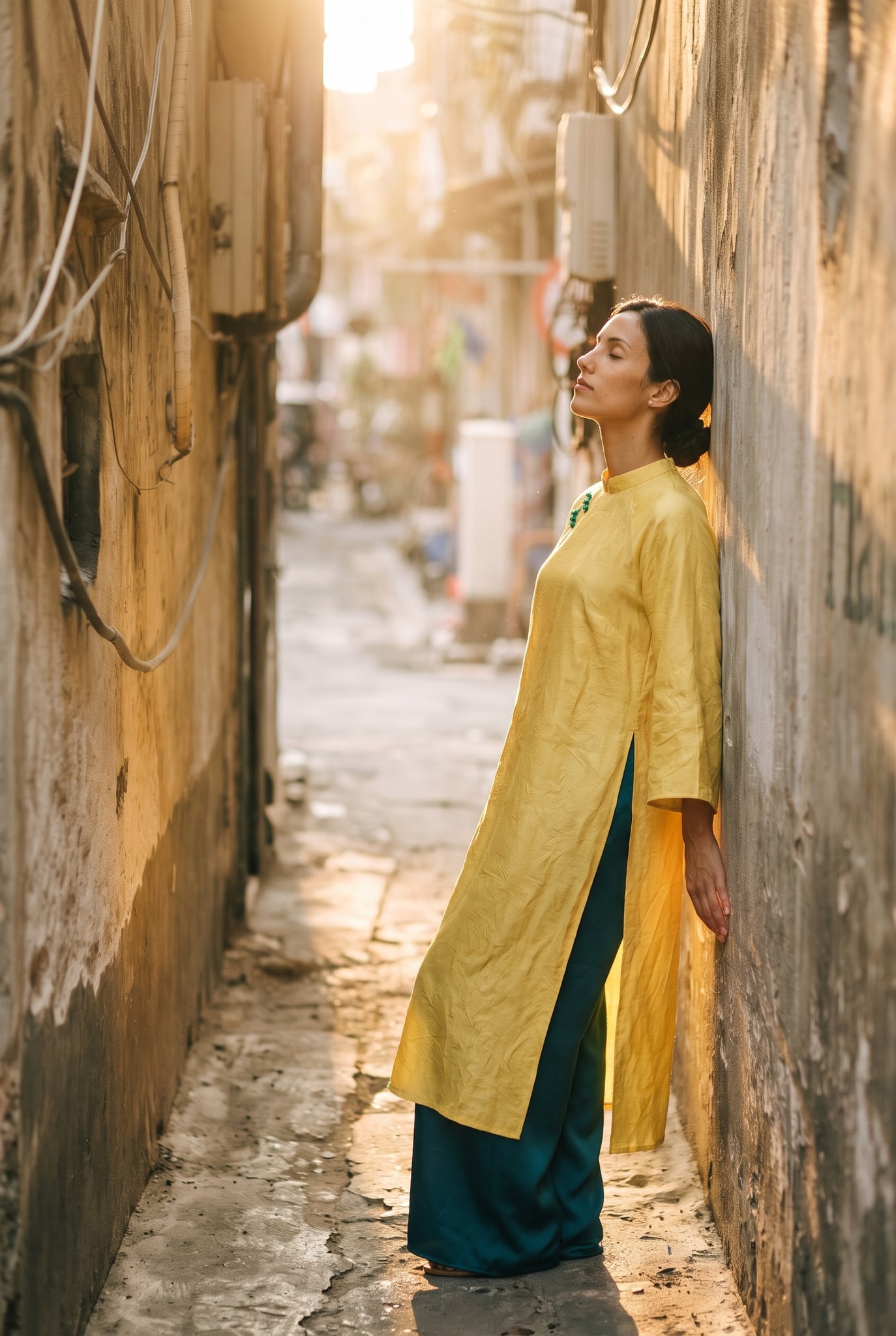
| Concept/traditional áo dài | Temple, lantern bridge, rural backdrop | Early 6–7 a.m., late 5 p.m. | 4–5 hours | Áo dài silhouettes pop against heritage architecture and landscape depth; rural backdrop adds cultural context. |
| Family group shot | River promenade, temple courtyard | 4–5 p.m. (cloud cover helps) | 2–3 hours | Flat overhead light reduces squinting; river breeze keeps children relaxed; outdoor space eases positioning. |
Most guests book vacation photoshoot packages for 2–4 hours; couples often add a second location for which we adjust timing to catch light at both. Áo dài sessions lean toward concept shoots because heritage sites demand permits and traditional timing; we coordinate this during booking. Families prefer afternoon slots when younger guests are alert; we build in movement and play time rather than static posing.
What do we actually tell guests to pack and expect on shoot day?
We send a WhatsApp checklist 5 days before: bring a light shawl or long sleeves (sun and temple etiquette), flat walking shoes (alleys are cobblestone and uneven), water bottle, phone charger, and any jewelry or accessories that match your outfit theme. We ask about allergies (motorbike drivers, floral scents in gardens) and physical limits (steep temple stairs, rural mud after rain). On arrival, our lead photographer and stylist meet guests at the hotel 15–30 minutes early; we confirm transport, location sequence, and any last-minute outfit swaps. We do a 5-minute test shot near the hotel to check outfit fit, hair hold in breeze, and makeup under natural light. If the outfit looks stiff or makeup yellows (common in Hoi An's greenish tungsten hotel mirrors), we adjust right then. We've learned: never skip this check because guests spend hours in these clothes, and tight fabric or loose hair becomes obvious only when moving. We bring safety pins, hair clips, and blotting sheets in our kit. If you're on a couple photoshoot, we coach both of you on posture during the car ride; if you're solo, we talk about where to look, how to breathe, and what makes the shot feel genuine rather than stiff. By the time we arrive at location one (the river, say, at 5:15 p.m.), guests are calm and ready.
How do we handle permits and respect at temples and heritage sites?
Hoi An temples and heritage buildings require verbal permission from on-site monks or caretakers; we never assume access. Our team arrives 30 minutes early, finds the keeper, explains the shoot in Vietnamese, and offers a small donation (common practice, not a fee). Most allow 15–20-minute sessions if you're respectful: no flash inside, no sitting on altars, no loud voices. Chua Ong (Quang Dong Assembly Hall) usually permits shoots 6–7 a.m. or after 5 p.m., when tourist traffic drops. Quan Cong temple is stricter; we've been turned away and immediately pivoted to the river or silk weaving villages (less restrictive). For rural shoots near paddies, we confirm with the landowner through our hotel contact; theft and property disputes are rare but real, so we never stray off visible paths. We brief guests: these spaces are living, sacred or working environments—phones silent, voices low, no posing on someone's family altar. We've found that guests who understand this context actually slow down and feel more present, which shows in photos. If permission gets denied, we spend the extra time at the river or old-town alleys where no permission is needed; the backup is never a lesser experience, just different.
What to check before you book
- Hotel location: Confirm your hotel's street address in WhatsApp; we map walking distance to photo zones (old town vs. riverside vs. rural require different travel times).
- Light preference: Tell us if you prefer soft morning gold (means 6 a.m. start, early hotel breakfast) or golden hour (means 5 p.m. start, twilight shots, dinner after).
- Outfit count: Each outfit change costs time; 1 outfit = 2–3 hours, 2 outfits = 3–4 hours. We confirm this affects package choice.
- Pace and walking: Some guests move slowly; tell us if you have knee or hip limits so we don't book three rural zones in one day.
- Rainy season: September–November means 60 % chance of afternoon rain; we discuss reschedule policy and backup indoor zones upfront.
- Rental outfits: If you're wearing áo dài from a rental shop, collect it the evening before and do a fitting 24 hours ahead; we've seen rushed tailors deliver wrinkled silk or wrong sizing an hour before the shoot.
Why guests choose Cáo Studio for Hoi An sessions
We've shot hundreds of sunset river scenes, golden-hour alley walks, and rice-paddy concept pieces here. We know which temple keeper says yes at 6:30 a.m., which streets flood after rain, and how to pivot when tour groups block a lane. We speak with concierges at 20+ hotels and arrange transport seamlessly. We handle permits, timing, and backup locations—you arrive at your hotel, step into your outfit, and follow our lead. Our family photoshoot packages include child patience coaching; our couple sessions build in guided movement so you're not frozen posing. Want something more? Concept and special shoots weave Hoi An's culture (lantern art, silk weaving, rural labor) into the story, not just the backdrop.
See packages and prices on vietnamphotoshoot.com
FAQ
How early do we need to wake up for a golden-hour shoot in Hoi An?
If your hotel is in the old town center, plan a 5:30 a.m. meeting; we need 15 minutes travel to reach prime river or alley light by 6 a.m. Riverside hotels can start by 5:45 a.m. light is best 6–7 a.m., so delaying arrival cuts into your peak window.
Can we shoot áo dài if we rented it from a tailor in town the day before?
Yes, and we recommend it. Collect the rental the day before, do a fitting 24 hours early, and bring it to your 6 a.m. hotel meeting in a garment bag. We've seen last-minute tailors deliver wrinkled or mis-hemmed áo dài; early collection avoids this stress and gives time for fixes.
What if it rains the morning of our shoot?
We call you by 6 p.m. the day before to confirm conditions; if heavy rain is forecast, we offer a 24-hour reschedule at no extra charge (per standard package terms). Light drizzle is fine—we have rain covers and often shoots look moody and romantic in mist.
Do we need a guide to walk Hoi An streets, or does your photographer handle that?
Our photographer leads all movement and location logistics. You follow; we handle temple access, traffic, timing, and posing. A separate tour guide is not needed—we embed cultural context into the shoot conversation (silk history, colonial architecture, farming life) as we move.
Can we book a shoot that includes both old-town and rural rice-paddy backdrops?
Yes, this is our 4–5 hour concept session. We hop two zones, adjust timing so light works at both (usually early morning old town, then midday rural, or late-afternoon river if clouds help), and include outfit or hair refreshes between. This is ideal for concept and special shoots or extended couple packages.
Vacation & Solo Photoshoot
Inclusions, prices and booking are on our booking site.
FAQ
How early do we need to wake up for a golden-hour shoot in Hoi An?
If your hotel is in the old town center, plan a 5:30 a.m. meeting; we need 15 minutes travel to reach prime river or alley light by 6 a.m. Riverside hotels can start by 5:45 a.m. light is best 6–7 a.m., so delaying arrival cuts into your peak window.
Can we shoot áo dài if we rented it from a tailor in town the day before?
Yes, and we recommend it. Collect the rental the day before, do a fitting 24 hours early, and bring it to your 6 a.m. hotel meeting in a garment bag. We've seen last-minute tailors deliver wrinkled or mis-hemmed áo dài; early collection avoids this stress and gives time for fixes.
What if it rains the morning of our shoot?
We call you by 6 p.m. the day before to confirm conditions; if heavy rain is forecast, we offer a 24-hour reschedule at no extra charge (per standard package terms). Light drizzle is fine—we have rain covers and often shoots look moody and romantic in mist.
Do we need a guide to walk Hoi An streets, or does your photographer handle that?
Our photographer leads all movement and location logistics. You follow; we handle temple access, traffic, timing, and posing. A separate tour guide is not needed—we embed cultural context into the shoot conversation (silk history, colonial architecture, farming life) as we move.
Can we book a shoot that includes both old-town and rural rice-paddy backdrops?
Yes, this is our 4–5 hour concept session. We hop two zones, adjust timing so light works at both (usually early morning old town, then midday rural, or late-afternoon river if clouds help), and include outfit or hair refreshes between. This is ideal for [concept and special shoots](/go/special-concept) or extended [couple packages](/go/couple-photoshoot).
More from the team
Honeymoon Photoshoot in Hoi An: What Our Team Sees on Set
Hoi An draws newlyweds for its lantern-lit old town and riverbank light. We've shot hundreds of couples there—here's what actually happens during your session, hour by hour, and how to choose between what we offer.
Nhat Tan Peach Blossom Gardens Photoshoot: What We Book
Nhat Tan peach blossoms peak for just three weeks each January–February. We run morning sessions there to beat tourist crowds and capture soft light—here's how our studio plans them and what actually happens on the ground.
Truc Bach Lake Photoshoot: What to Book at Cáo Studio
Truc Bach Lake is one of Hanoi's most photographed water landmarks. We run sessions there 3–4 times weekly, and share how to get the best light, what to wear, and what actually happens during a shoot.