 Cáo Studio
Home › Blog › Pre-Wedding & Elopement
Pre-wedding photo ideas and poses at Fairy Stream
By the Cáo Studio team · Hanoi & Saigon · 2026-11-02
Fairy Stream near Hoi An offers moss-covered rocks, crystal water and soft jungle light—ideal for pre-wedding photography. Sessions typically run 2–3 hours, including outfit changes and repositioning for different angles. Cáo Studio books couples with our photographers trained in water safety and natural posing; we bring waterproof gear and advise on footwear before arrival. Cost varies by package length and team size; base pre-wedding sessions start from our booking site. The main challenge is crowd management during peak hours (8–10 a.m., 4–6 p.m.)—we schedule early morning or late afternoon slots to ensure calm water and minimal tourists. Ao dai shoots here require careful fabric management on wet rocks; our stylists plan which changes happen in advance. Chat with us on WhatsApp | See packages and prices on vietnamphotoshoot.com
Fairy Stream in Hoi An is a natural waterfall backdrop loved by couples. Sessions typically run 2–3 hours, including outfit changes and repositioning for different angles. Cáo Studio books couples with our photographers trained in water safety and natural posing; we bring waterproof gear and advise on footwear before arrival. Cost varies by package length and team size; base pre-wedding sessions start from our booking site. The main challenge is crowd management during peak hours (8–10 a.m., 4–6 p.m.)—we schedule early morning or late afternoon slots to ensure calm water and minimal tourists. Ao dai shoots here require careful fabric management on wet rocks; our stylists plan which changes happen in advance.
What poses work best on wet rocks without looking forced?
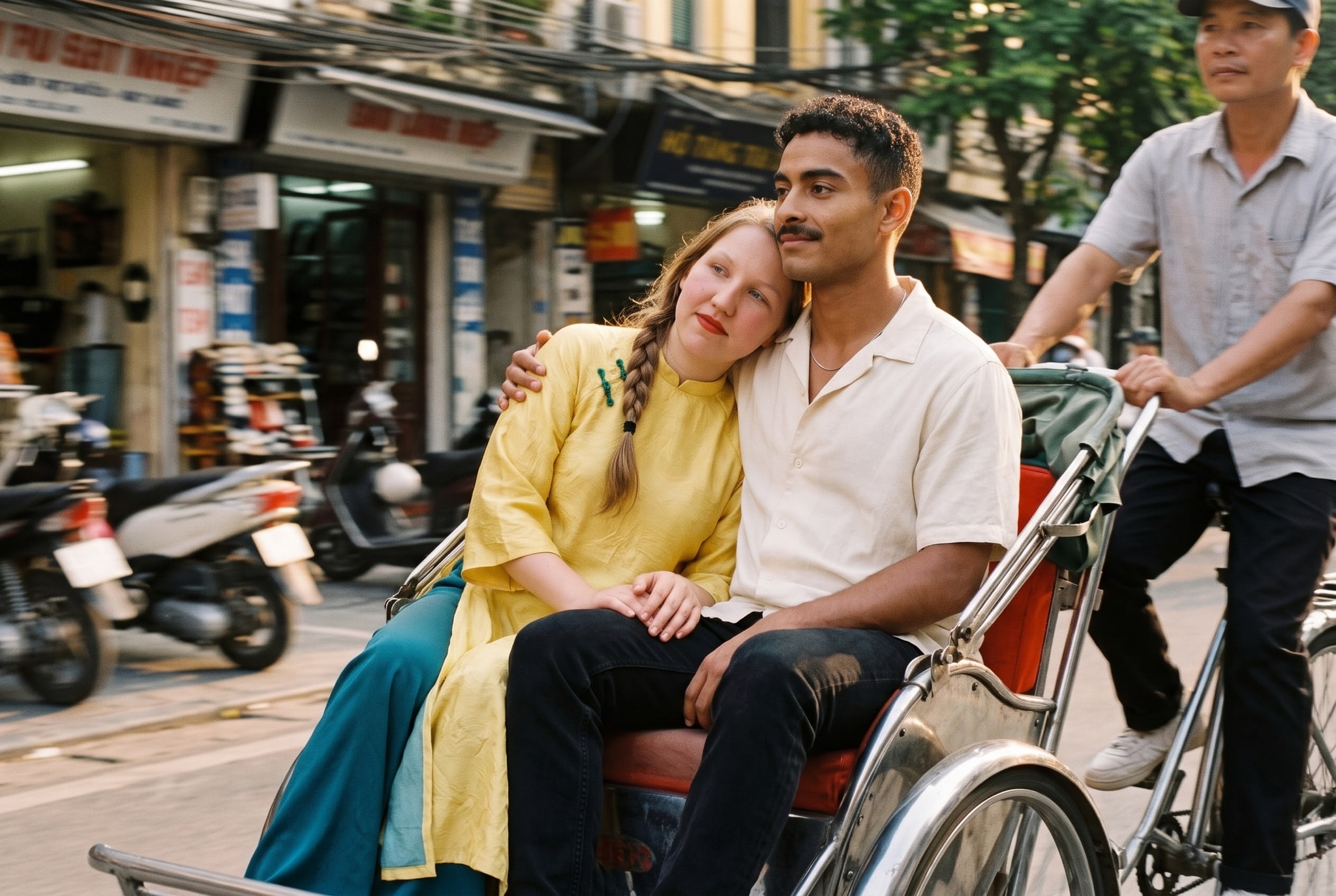
We avoid anything that asks a couple to balance unnaturally. Instead, we position you sitting side-by-side on stable moss-covered rocks with feet just above waterline, one arm around the other, eyes toward the stream rather than the camera. This feels intimate and reads well in close-ups. For standing shots, we use a shallow rock closer to shore and ask you to hold hands while walking slowly through knee-deep water—the motion feels organic and breaks the "stand still" tension. We never ask for piggyback or one-leg-up poses here; the substrate is genuinely slippery, and a slip ruins the image and potentially causes injury. Our photographers scout the rocks on arrival to identify which ones are safest and best lit. The key is posing with the landscape, not fighting it.
How does timing of day change the light and mood at Fairy Stream?
Early morning (6:30–8 a.m.) gives soft, diffused light filtering through the canopy—colors are muted, shadows are gentle, and the water reflects sky without harsh glare. By 10 a.m. the sun climbs higher and creates dappled patches that can look beautiful or scattered depending on position. Midday (11 a.m.–2 p.m.) is too bright and creates unflattering shadows under the chin and eyes; we avoid booking here then. Late afternoon (4–5:30 p.m.) brings warm, directional light that emphasizes texture in fabric and skin, ideal for ao dai close-ups. After 6 p.m. the gorge darkens fast and we lose usable light. Based on our 2025–2026 shoots here, early morning and late afternoon sessions yield the highest keeper rate for color and mood. We tell couples this when scheduling and recommend the early slot if they have flexibility.
Should we wear ao dai, Western dress, or both at Fairy Stream?
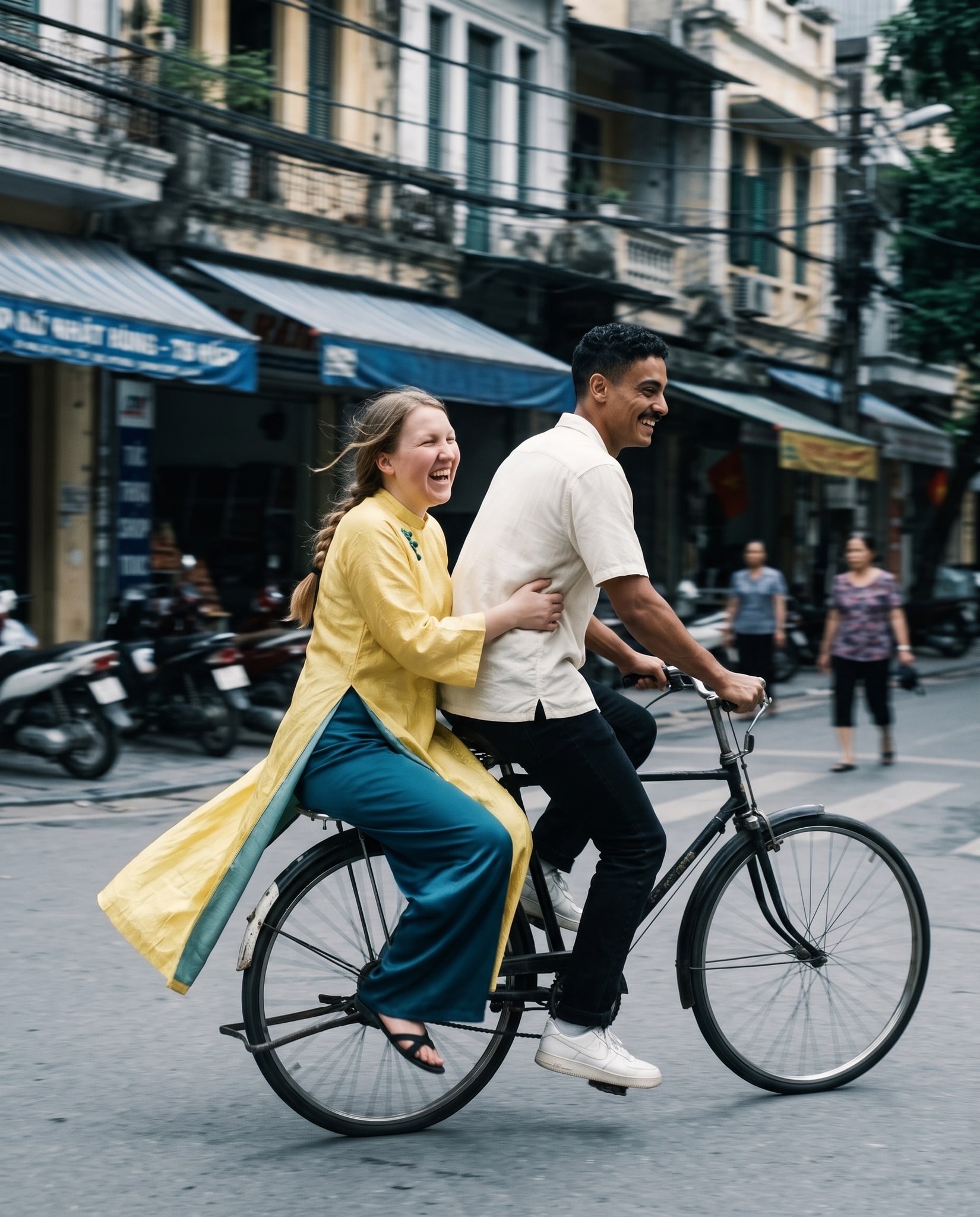
This depends on your overall pre-wedding vision and how much time you want to spend there. Ao dai is stunning at Fairy Stream because the fabric's flow photographs beautifully against water and stone, and the traditional styling feels timeless in this natural setting. However, wet rocks are harsh on silk, and water damage is a real risk—our stylists recommend a trial run in the creek first, wearing a lower-cost traditional outfit, to build confidence. Western dress (gown or suit) reads more formal and editorial but is equally risky in water. Many couples choose to do one outfit change: start in casual dress for candid, playful shots in the shallows, then change into ao dai (kept dry in a bag) for final romantic frames on the rocks. This approach minimizes fabric exposure and gives you two distinct visual stories. We bring a portable changing tent and help coordinate the swap logistically.
What should you pack and what do we bring on the day?
You should bring: a spare phone or camera in a waterproof case, non-slip water shoes or grip socks (not flip-flops—the rocks are slippery when wet), a light robe or cover-up for changing, and a small towel. Avoid jewelry that rusts or tarnishes; save gold and silver for the dry parts of the shoot. We bring: waterproof camera housings, a backup camera body, reflectors and diffusers weighted against wind, a first-aid kit, and a portable changing tent. We also bring shoe bags so you can store dress shoes safely while in the water. A critical detail: we test our gear in the water before the session begins, and we have emergency contact numbers for the Hoi An local clinic on standby. Based on our experience, most couples underestimate how cold the water is (year-round, it stays around 20–22°C); we advise a wetsuit layer under ao dai if you're sensitive to cold, or a shorter session (90 minutes instead of 180) to minimize exposure.
See packages and prices on vietnamphotoshoot.com
How do we manage crowds and other tourists walking through during your shoot?
Fairy Stream is a public attraction, and during peak hours (8–10 a.m., 4–6 p.m.) you will encounter tour groups. We have three tactics: first, we schedule sessions outside peak hours whenever the couple is flexible. Early morning (6:30–7:30 a.m.) and late afternoon (5–6 p.m.) are quietest. Second, if the couple books a midday slot, we arrive 45 minutes early and scout for a secondary location within the stream—a bend or deeper pool away from the main photo zone—so we can shoot while tourists pass elsewhere. Third, we use fast shutter speeds and directional lighting to minimize background blur of people; a clean water reflection often substitutes for a completely empty background. We've also found that shooting in the water with you (camera at water level) actually excludes most tourists from the frame naturally. On days when crowds are unavoidable, we shift to tighter framing—close-ups of hands, faces, details—which sidestep the background problem entirely. We tell couples this upfront in our WhatsApp chat so there are no surprises.
| Outfit choice | Best for | Water risk level | Keeper rate | Why it works |
|---|---|---|---|---|
| Casual Western dress | Playful, candid opening shots | Low | High | Easy to move, quick dry time, natural feel |
| Ao dai (silk) | Romantic, traditional frames | High | Medium | Stunning visuals but fabric damage risk; requires post-planning |
| Two outfits (casual + ao dai) | Complete visual story | Medium | Highest | Covers both moods, ao dai used for dry rock shots only |
| Swimwear + cover-up | Full immersion, fun energy | Low | High | Freedom to move and splash; stylistically casual |
What to check before you book
Confirm the exact water level and weather forecast 2–3 days before; heavy rain upstream can make the stream unsafe. Ask us if any sections will be too cold for your comfort level. Verify that you're comfortable getting wet to thigh or knee height; if not, we can shoot mostly from the rocks with water in background only. Check our WhatsApp for the final itinerary the night before—we may adjust timing if weather or crowds change. Bring the right footwear; athletic water shoes cost less than torn feet.
For a full pre-wedding experience that includes multiple locations, explore our pre-wedding photoshoot package which often pairs Fairy Stream with nearby Hoi An Old Town or rice fields. If you're considering ao dai as your primary outfit, our ao dai photoshoot package includes styling consultation specific to water shoots. Couples who want to add makeup and hair touch-ups before or after the shoot should book our makeup and hair at your hotel service in Hoi An town. For ideas on how to combine Fairy Stream with other shoots, visit our blog for session stories from other couples.
FAQ
Can we do an ao dai shoot at Fairy Stream without getting it damaged?
Yes, but only if you keep the outfit dry until the final 20–30 minutes on the rocks. We bring a waterproof bag and stylist to coordinate the change carefully. Wet silk can stain or weaken the fabric; we advise a more affordable practice ao dai for water immersion, then a formal one for dry final shots.
Is Fairy Stream safe for couples who can't swim?
Yes. We shoot only in knee-to-thigh-deep water and stay in areas where you can stand safely. Our photographers are trained in water safety and stay close. We brief you on footing before entering and adjust positions if you feel unsteady.
What's the best time of year to shoot at Fairy Stream?
October to March (cool and dry season) gives the clearest water and most comfortable temperature. May to September is rainy; water levels rise and visibility drops. Based on our bookings, November and December have the best balance of light, crowd levels, and comfort.
How long does a typical Fairy Stream pre-wedding session take?
We usually book 2–3 hours. The first 30 minutes includes arrival, scouting, outfit change, and posing direction. The next 90–120 minutes covers active shooting across 2–3 locations within the stream. The final 30 minutes includes a second outfit change and final close-ups. Shorter sessions (90 minutes) are possible but limit how many angles we can capture.
Do we need to book permits or pay entry fees at Fairy Stream?
No permits are required for personal photo sessions. There is a small entry fee (around a quoted price per person, paid on arrival) to access the site. We provide directions and advise you to arrive 15 minutes early to pay and allow our photographer time to scout the light and water level.
What if the weather is bad on our shoot date?
We monitor forecasts and offer to reschedule if heavy rain is predicted, which can make rocks unsafe and muddy the water. Light rain is workable and often creates moody, atmospheric frames. We confirm final timing the day before via WhatsApp and have insurance to cover postponements on our end.
Pre-Wedding & Elopement
Inclusions, prices and booking are on our booking site.
FAQ
Can we do an ao dai shoot at Fairy Stream without getting it damaged?
Yes, but only if you keep the outfit dry until the final 20–30 minutes on the rocks. We bring a waterproof bag and stylist to coordinate the change carefully. Wet silk can stain or weaken the fabric; we advise a more affordable practice ao dai for water immersion, then a formal one for dry final shots.
Is Fairy Stream safe for couples who can't swim?
Yes. We shoot only in knee-to-thigh-deep water and stay in areas where you can stand safely. Our photographers are trained in water safety and stay close. We brief you on footing before entering and adjust positions if you feel unsteady.
What's the best time of year to shoot at Fairy Stream?
October to March (cool and dry season) gives the clearest water and most comfortable temperature. May to September is rainy; water levels rise and visibility drops. Based on our bookings, November and December have the best balance of light, crowd levels, and comfort.
How long does a typical Fairy Stream pre-wedding session take?
We usually book 2–3 hours. The first 30 minutes includes arrival, scouting, outfit change, and posing direction. The next 90–120 minutes covers active shooting across 2–3 locations within the stream. The final 30 minutes includes a second outfit change and final close-ups. Shorter sessions (90 minutes) are possible but limit how many angles we can capture.
Do we need to book permits or pay entry fees at Fairy Stream?
No permits are required for personal photo sessions. There is a small entry fee (around 30,000 VND per person, paid on arrival) to access the site. We provide directions and advise you to arrive 15 minutes early to pay and allow our photographer time to scout the light and water level.
What if the weather is bad on our shoot date?
We monitor forecasts and offer to reschedule if heavy rain is predicted, which can make rocks unsafe and muddy the water. Light rain is workable and often creates moody, atmospheric frames. We confirm final timing the day before via WhatsApp and have insurance to cover postponements on our end.
More from the team
Boho pre-wedding photoshoot in Vietnam: Hanoi, Saigon, Hoi An
Boho pre-wedding shoots mix romantic, free-spirited aesthetics with Vietnam's landscapes and heritage sites. We run full-day sessions in three cities, handling styling, makeup, location scouts and edits.
Avoid crowds at Hoang Su Phi rice terraces: timing for wedding shoots
Hoang Su Phi's terraced landscape draws couples and tour buses in equal measure. We show how to shoot there alone, when to arrive, and what to arrange with us before you go.
Photography rules at Con Dao beaches: permits, drones and what to check
Con Dao's beaches demand prep before you shoot—permits, drone zones and tide timing all affect your day. We share what the Cáo Studio team verifies on every booking.