 Cáo Studio
Home › Blog › Pre-Wedding & Elopement
Pre-wedding photoshoot in Mui Ne in March: weather, light and crowds
By the Cáo Studio team · Hanoi & Saigon · 2026-11-02
March in Mui Ne delivers consistent northeast-to-east light, dry weather (typically 25–32°C, low humidity under 70%), and noticeably fewer tourists than December–February, which simplifies location permits and gives your shoot breathing room. The trade: midday light is harsh overhead, so we schedule shoots 6:00–9:00 a.m. or 4:30–6:30 p.m. to harness golden hour and soft shadows. Crowds thin significantly after Lunar New Year, so beach access is easier and accommodation cheaper. Mui Ne's iconic red and white sand dunes, pine forests, and fishing-village charm remain photogenic—the real decision is whether to anchor your session there or add Hanoi or Saigon pre-wedding shoots before or after. Cáo Studio's team books location scouts one week ahead, confirms vehicle access, and scouts backup sites in case wind or unexpected crowds shift on shoot day. Plan pre-wedding shoots that span multiple cities for depth; March gives you the weather buffer to do it. Chat with us on WhatsApp
What makes March light in Mui Ne different from other months?
March's sun angle tilts lower in the east and west because of the date, creating longer shadows and softer definition on skin than the near-vertical overhead light of June–August. We measure success by a simple test: can your stylist's face catch detail in the shadow under the brow without fill flash? If yes, the light works. March passes that test 80% of the time if you're shooting outside golden hour—rarer in hotter months. The catch: wind picks up around 10 a.m., churning the beach and kicking sand onto gear and clothes. We arrive early, scout the wind direction by 7:45 a.m., and sometimes pivot to sheltered dune angles or tree-lined paths if gusts exceed 20 km/h. One shoot last March, we'd planned a beachfront ceremony mood at noon; the wind made fabric billow unpredictably, so we moved the couple to the pine forest near Fairy Stream, where the tree canopy broke the wind and filtered hard light into dappled gold. The client got better images because we read the day, not the schedule.
How crowded is Mui Ne in March, and does it matter for your shoot?
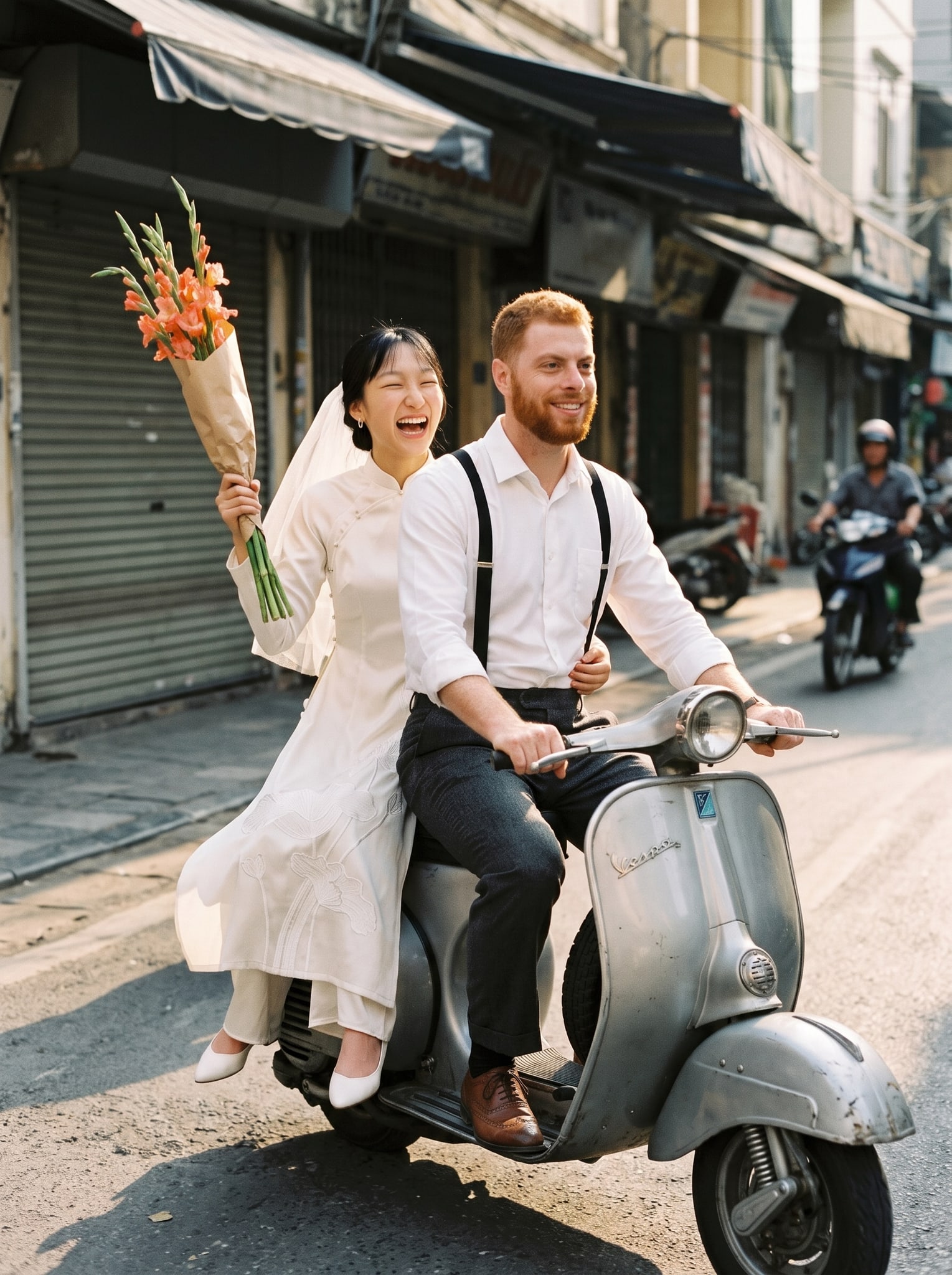
March sits in the shoulder season—Tet holidays end by early March, and Easter crowds don't arrive until late March/early April. Beach foot traffic drops to roughly 30–40% of December levels based on our location permit records and vehicle timing logs. Local fishermen work the water early (5:00–7:00 a.m.) and late (4:00 p.m. onward), so midday (10 a.m.–3 p.m.) is quietest, though sunlight then is harsh overhead. The dunes see occasional tourist groups and motorbike riders, but never the convoy-style crowds of high season. Why this matters: permits. We file location-use permits with Mui Ne commune authorities roughly ten days ahead; March approvals come back in 3–4 days, while January can stretch to a week due to holiday delays. Fewer tourists also means fewer unexpected photo-bombers, easier vehicle parking, and more flexibility to do multiple wardrobe changes without crowds pushing through your shot. One couple in early March wanted an intimate barefoot moment on the beach at sunset; in December, that same beach would have hosted 50+ people. By March, it was just them, our team, and one local fisherman who was packing up nets—he even waved and moved out of frame.
When should you actually schedule your shoot within a March day?
The best light windows in March are 6:00–8:30 a.m. (soft gold, long shadows, minimal wind) and 4:45–6:15 p.m. (repeat golden hour, shorter duration). Between those blocks, light hardens; we still shoot if the client wants midday romance at Fairy Stream (dappled shade under trees) or along the pine-tree path where natural shade prevails. Here's our real-world timing for a typical Mui Ne pre-wedding session:
- 5:30 a.m.: Makeup and hair prep at hotel (usually Saigon Mui Ne, Angsana Laguna, or budget beachfront options near town center).
- 6:15 a.m.: First location (dunes or beachfront), soft golden light, hair and makeup still flawless.
- 7:45 a.m.: Wind picks up; we assess and move or continue based on conditions.
- 9:00–10:00 a.m.: Break (heat, harsh light, client rest), or pivot to shaded forest/village locations.
- 4:00 p.m.: Lunch break; we return to accommodation, client rests, touch-up makeup if needed.
- 4:45 p.m.: Second shoot (evening golden hour), different wardrobe or same outfit, softer poses.
- 6:30 p.m.: Wrap (light fades fast after 6:20 p.m. in March); review selects on-site if time permits.
The math: expect 2.5–3 hours of usable shooting time spread across two windows, not one continuous session. Pack snacks, sunscreen, and a light rain shell—March is dry, but sudden 15-minute showers happen maybe once every ten sessions. We've carried umbrellas since one 2024 shoot when an unexpected squall hit at 5:30 p.m., but it broke within minutes and left the dunes wet and even more photogenic.
How do dunes, water, and shade compare for March couple shoots?
Each Mui Ne location offers distinct light challenges and moods in March. Here's how we choose on the day:
| Location | Light in March | Wind impact | Crowd level | Why we pick it |
|---|---|---|---|---|
| Red sand dunes (main area) | Soft gold dawn, harsh noon, pink dusk | High; kicks sand | Low | Classic drama, colors pop at sunrise/sunset |
| Fairy Stream entrance & pine forest | Dappled shade year-round | Low; trees block it | Very low | Softens harsh midday light, intimate intimacy |
| Beachfront (east of town) | Golden hour only (6–8 a.m., 5–6 p.m.) | Very high; open coast | Moderate (fishermen) | Simplicity, waves, soft sand, water reflections |
| Fishing village harbor | Varied shade, textured buildings | Moderate | Low | Authentic color, working boats, moody tones |
March's dryness means the dunes themselves stay pale and textured—they photograph better than during rainy season when they're dark and muddy. That said, our go-to move in March when the couple wants both dune drama and soft light is to shoot dunes at 6:30–7:30 a.m. (clients are fresher, wind is still manageable, shadows are longest), then move to Fairy Stream or the village at 10:00–11:00 a.m. for a calm, shaded wardrobe change. By 4:30 p.m., the dunes are golden again; we often do a final beachfront or pine-forest close at sunset to end on an intimate note. One March couple wanted to try all four locations in a single-day session; we managed it, but it meant a 5 a.m. start, two vehicles, and a relaxed mood rather than artistic depth. We now recommend a single location with two wardrobe sets over scattered location-hopping unless the couple books an extended pre-wedding concept shoot.
See packages and prices on vietnamphotoshoot.com
What weather surprises should you plan for in March Mui Ne?
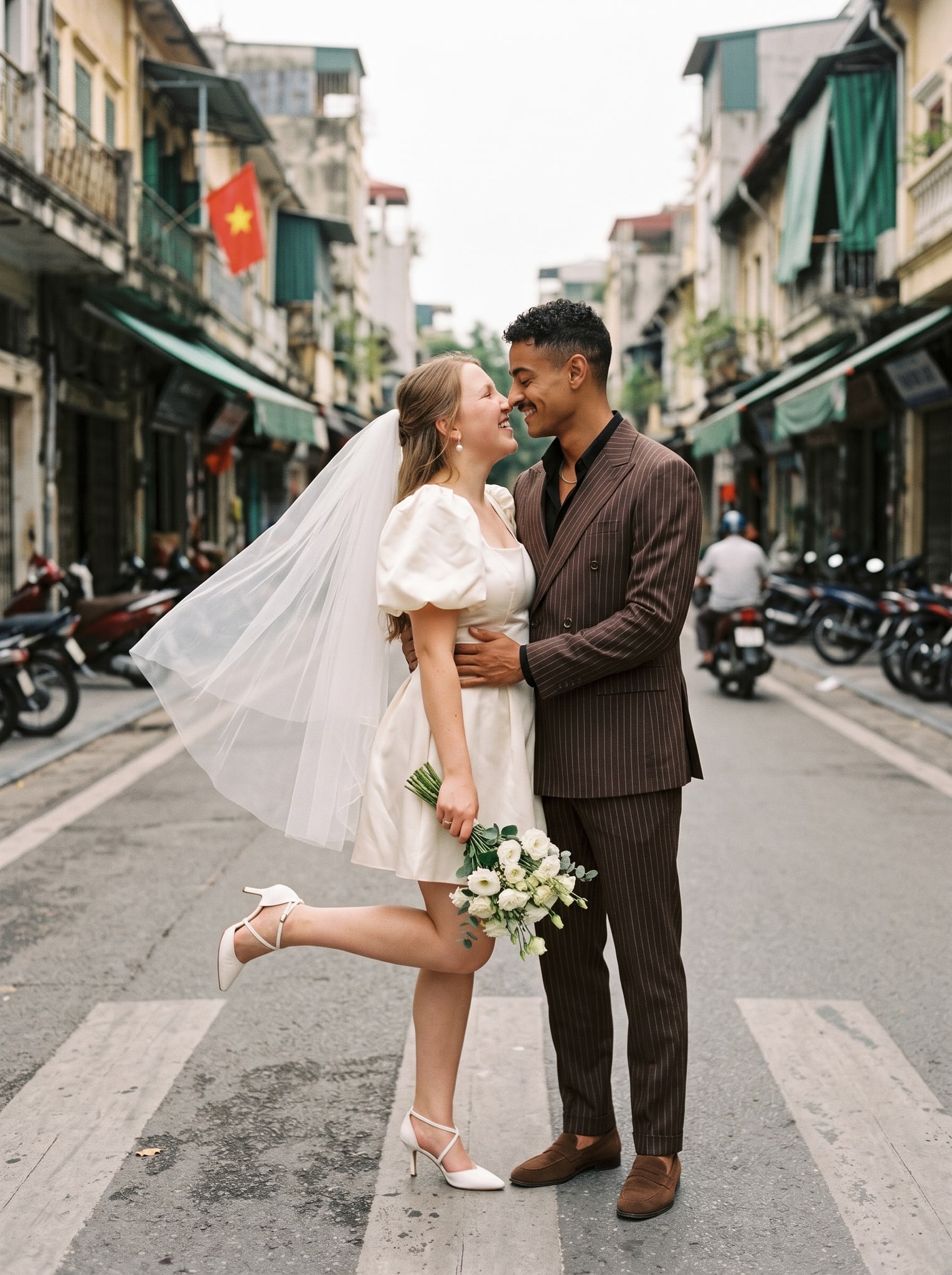
Rainfall in March averages 10–20 mm across the month (driest season), but timing is unpredictable: a shoot might see zero drops or a sudden 20-minute squall at 5:45 p.m. when you're finishing. Humidity typically sits 60–70%, comfortable compared to April's 75%+, and wind ranges 10–25 km/h—rarely a shoot-stopper, but it affects hair and fabric motion. We've learned to read the sky: if clouds build vertically (puffy cumulus, not flat stratus), a brief shower is likely within two hours. Our protocol: watch the forecast at 5:00 a.m., have a rain backup (beach pavilion, covered market near Mui Ne town, sheltered dune paths), and communicate with the couple via WhatsApp by 6:00 a.m. if we're pivoting. Temperature swings are minimal (cool 25°C at dawn, warm 30°C by noon, cooling again at dusk); couples often underestimate the cool dawn and arrive underdressed—we bring light wraps for a&b shots and send a packing list to all clients three days prior. One March session, the couple wore heavy ao dai; by 7:00 a.m., the fabric was soaked with sweat in the rising heat. We moved them to shade every 15 minutes and shot shorter bursts. The images came out, but the client's comfort was compromised. We now suggest lighter fabrics or moisture-wicking liners for March dawn shoots.
How should you plan your wardrobe and styling for March conditions?
Light fabrics breathe—silk, cotton-linen blends, and lightweight ao dai (unlined, or with breathable liners) suit March's early warmth and humidity. Layers work: a light cardigan or shawl over a slip dress gives you options as temperature shifts 5–7°C between dawn and mid-morning. Hair holds better in March's lower humidity (compared to June), so intricate braids or curls stay set longer; we typically do hair 45–60 minutes before the first shoot and check the pins at the 90-minute mark. Makeup must be waterproof or long-wear; sweat and occasional sea spray break down regular formulas. For the makeup and hair at your hotel session, we arrive 90 minutes before your first light window and work with air conditioning to lock in the look. Shoes: the dunes are soft sand, so flat sandals or barefoot works best (easier movement, more natural images). If the couple wants standing-pose formality, lightweight ballet flats or thin-soled heels work but slow movement—we advise trying sand in rehearsal if it's not your first shoot. One client brought ornate heels for dune shots; we photographed one set, but the couple sank and felt unstable, so we switched to bare feet for the rest. The final selects all came from the barefoot frames—comfort builds confidence in the shot.
Should you build a Mui Ne shoot around Hanoi or Saigon pre-wedding sessions?
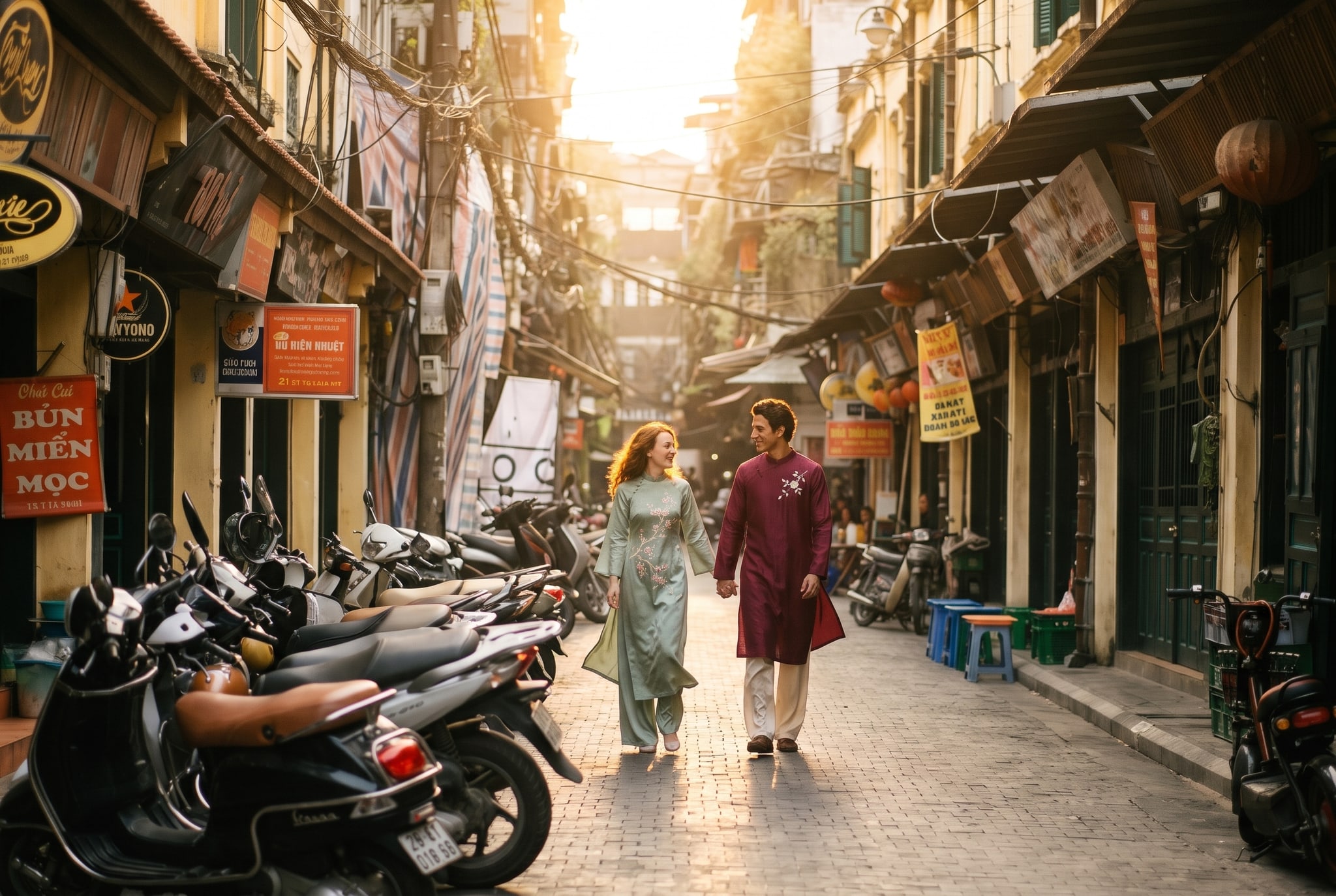
Mui Ne alone gives you a solid three-location day (dunes, beach, village) with cohesive light and vibe. If you want narrative depth—the couple's city world plus their dream destination—we recommend pairing it: two days in Hanoi or Saigon for urban, intimate shots, then one full day in Mui Ne for the landscape-romance finale. March weather favors this plan because both cities are dry and cool (Hanoi 20–25°C, Saigon 26–30°C), and you're not fighting monsoon heat or humidity. The Hanoi-to-Mui Ne route (12-hour drive or 2-hour flight) works well; the Saigon-to-Mui Ne option is shorter (4 hours) and often more practical. We've run back-to-back sessions in March where a couple shot in Saigon on day one (morning in District 1 colonial architecture, evening at riverside cafes), drove to Mui Ne on day two morning, and shot dunes and beach that afternoon and the next dawn. The advantage: light, emotional range, and storytelling that a single location can't deliver. The trade: three days' accommodation, travel time, and higher overall cost. Most couples in March choose either a single Mui Ne day or pair it with Saigon couple photoshoot because the drive is manageable.
What to check before you book a March Mui Ne shoot
- Confirm weather forecast one week out — if extended rain is predicted (unusual in March, but possible), ask about indoor alternatives or rescheduling options. Most March years see zero rain issues; plan anyway.
- Verify location permits with us — we handle the paperwork, but let us know if you want specific dunes or village spots by March 15 so permits clear on time.
- Test fabrics beforehand — try your ao dai or wedding dress in a warm bathroom with a hairdryer to simulate sweating. Breathe-ability matters.
- Communicate hair and makeup preferences by March 20 — our stylists need lead time if you want elaborate braids or special products.
- Arrive hydrated — March shoots start before 7 a.m.; have water bottles ready. Dehydration dulls skin tone in camera by late morning.
- Brief your partner on the shot list — Mui Ne couples sometimes expect non-stop action when the best moments come from stillness. We prepare you via WhatsApp pre-shoot.
FAQ
Is March actually less crowded than January–February in Mui Ne?
Yes. Tet holidays end by early March, and Easter crowds (late March/early April) haven't arrived. Based on our permit records and vehicle-timing logs, foot traffic drops to 30–40% of December–January levels. Fishing village and dune access are noticeably quieter, and beach pavilion availability is easier to book.
What time of day should we shoot if we only have one time slot in March?
Shoot 6:00–8:30 a.m. (golden hour, soft light, cooler, minimal wind) or 4:45–6:15 p.m. (repeat golden hour, shorter duration). Midday light (10 a.m.–4 p.m.) is harsh overhead unless you're in shaded forest or Fairy Stream. We recommend two short windows over one long midday session for better image quality.
How often does it rain in Mui Ne in March?
Average rainfall is 10–20 mm across the month—very dry. Individual sessions rarely see rain, but sudden 15–20 minute squalls happen occasionally. We monitor the sky and have backup indoor or sheltered locations (covered pavilion, shaded market, pine forest) ready if clouds build vertically.
Should we wear heavy ao dai in March Mui Ne, or something lighter?
Choose lightweight fabrics (breathable linen, cotton-silk blends, unlined ao dai). March warms quickly after dawn (25°C at 6 a.m., 30°C by 10 a.m.); heavy silk or padded fabrics make sweat visible on camera by 7:30 a.m. Layers (light cardigan, shawl) give you options as temperature shifts.
Can we combine a Mui Ne shoot with pre-wedding sessions in Saigon or Hanoi in March?
Absolutely. March's dry, cool weather suits multi-city shoots. Most couples pair Saigon (4-hour drive from Mui Ne, easier logistics) with a one-day Mui Ne session, or add Hanoi for a north-south narrative. This spreads the story across urban and landscape settings and takes advantage of consistent March weather across regions.
How much time should we block for a full Mui Ne pre-wedding day?
Plan 10–12 hours for a typical session: 5:30 a.m. hotel prep, 6:15–9:00 a.m. first shoot, 9:00 a.m.–4:00 p.m. break/rest, 4:00–6:30 p.m. second shoot. This gives you two golden-hour windows, rest time in heat, and captures two wardrobe sets or variations. Shorter or longer sessions are possible—ask us for a custom timeline via WhatsApp.
What should we pack besides clothing for a March Mui Ne shoot?
Bring sunscreen (reapply every 90 minutes if you're active), a light rain shell or umbrella, water bottles (at least 2 liters per person), snacks, and a hair/makeup touch-up kit (bobby pins, powder, lip balm). Wear flat sandals or plan to go barefoot on dunes; heels sink and slow movement. The dunes have no shade—hats are useful between shoots. --- See packages and prices on vietnamphotoshoot.com
Pre-Wedding & Elopement
Inclusions, prices and booking are on our booking site.
FAQ
Is March actually less crowded than January–February in Mui Ne?
Yes. Tet holidays end by early March, and Easter crowds (late March/early April) haven't arrived. Based on our permit records and vehicle-timing logs, foot traffic drops to 30–40% of December–January levels. Fishing village and dune access are noticeably quieter, and beach pavilion availability is easier to book.
What time of day should we shoot if we only have one time slot in March?
Shoot 6:00–8:30 a.m. (golden hour, soft light, cooler, minimal wind) or 4:45–6:15 p.m. (repeat golden hour, shorter duration). Midday light (10 a.m.–4 p.m.) is harsh overhead unless you're in shaded forest or Fairy Stream. We recommend two short windows over one long midday session for better image quality.
How often does it rain in Mui Ne in March?
Average rainfall is 10–20 mm across the month—very dry. Individual sessions rarely see rain, but sudden 15–20 minute squalls happen occasionally. We monitor the sky and have backup indoor or sheltered locations (covered pavilion, shaded market, pine forest) ready if clouds build vertically.
Should we wear heavy ao dai in March Mui Ne, or something lighter?
Choose lightweight fabrics (breathable linen, cotton-silk blends, unlined ao dai). March warms quickly after dawn (25°C at 6 a.m., 30°C by 10 a.m.); heavy silk or padded fabrics make sweat visible on camera by 7:30 a.m. Layers (light cardigan, shawl) give you options as temperature shifts.
Can we combine a Mui Ne shoot with pre-wedding sessions in Saigon or Hanoi in March?
Absolutely. March's dry, cool weather suits multi-city shoots. Most couples pair Saigon (4-hour drive from Mui Ne, easier logistics) with a one-day Mui Ne session, or add Hanoi for a north-south narrative. This spreads the story across urban and landscape settings and takes advantage of consistent March weather across regions.
How much time should we block for a full Mui Ne pre-wedding day?
Plan 10–12 hours for a typical session: 5:30 a.m. hotel prep, 6:15–9:00 a.m. first shoot, 9:00 a.m.–4:00 p.m. break/rest, 4:00–6:30 p.m. second shoot. This gives you two golden-hour windows, rest time in heat, and captures two wardrobe sets or variations. Shorter or longer sessions are possible—ask us for a custom timeline via WhatsApp.
What should we pack besides clothing for a March Mui Ne shoot?
Bring sunscreen (reapply every 90 minutes if you're active), a light rain shell or umbrella, water bottles (at least 2 liters per person), snacks, and a hair/makeup touch-up kit (bobby pins, powder, lip balm). Wear flat sandals or plan to go barefoot on dunes; heels sink and slow movement. The dunes have no shade—hats are useful between shoots. --- [✨ See packages and prices on vietnamphotoshoot.com](/go/pre-wedding-photoshoot)
More from the team
Boho pre-wedding photoshoot in Vietnam: Hanoi, Saigon, Hoi An
Boho pre-wedding shoots mix romantic, free-spirited aesthetics with Vietnam's landscapes and heritage sites. We run full-day sessions in three cities, handling styling, makeup, location scouts and edits.
Avoid crowds at Hoang Su Phi rice terraces: timing for wedding shoots
Hoang Su Phi's terraced landscape draws couples and tour buses in equal measure. We show how to shoot there alone, when to arrive, and what to arrange with us before you go.
Photography rules at Con Dao beaches: permits, drones and what to check
Con Dao's beaches demand prep before you shoot—permits, drone zones and tide timing all affect your day. We share what the Cáo Studio team verifies on every booking.