 Cáo Studio
Home › Blog › Pre-Wedding & Elopement
Pre-wedding photoshoot in Sapa in March: weather, light and crowds
By the Cáo Studio team · Hanoi & Saigon · 2026-11-02
Sapa in March sits at the shoulder of dry season—still cool (6–16°C), with morning mist and clearer afternoons than winter. We typically book shoots for 6–8 hours starting by 7 a.m. to catch golden light in the rice terraces before clouds thicken by noon; afternoon mist often creates moody backdrops. Crowds peak on weekends but weekday mornings stay quiet until 10 a.m. Rain is rare (5–10% chance) but mud affects field access. Layering matters: guests wear the áo dài over warm base layers, and we carry backup outfits for wet grass. The light here is soft and directional—perfect for intimate couple shots—but you need a fast workflow because weather windows close fast. Cáo Studio's approach is to lock locations at sunrise, scout backup spots, and brief guests on WhatsApp about what to wear before arrival. Chat with us on WhatsApp | See packages and prices on vietnamphotoshoot.com
What makes Sapa's light special in early March?
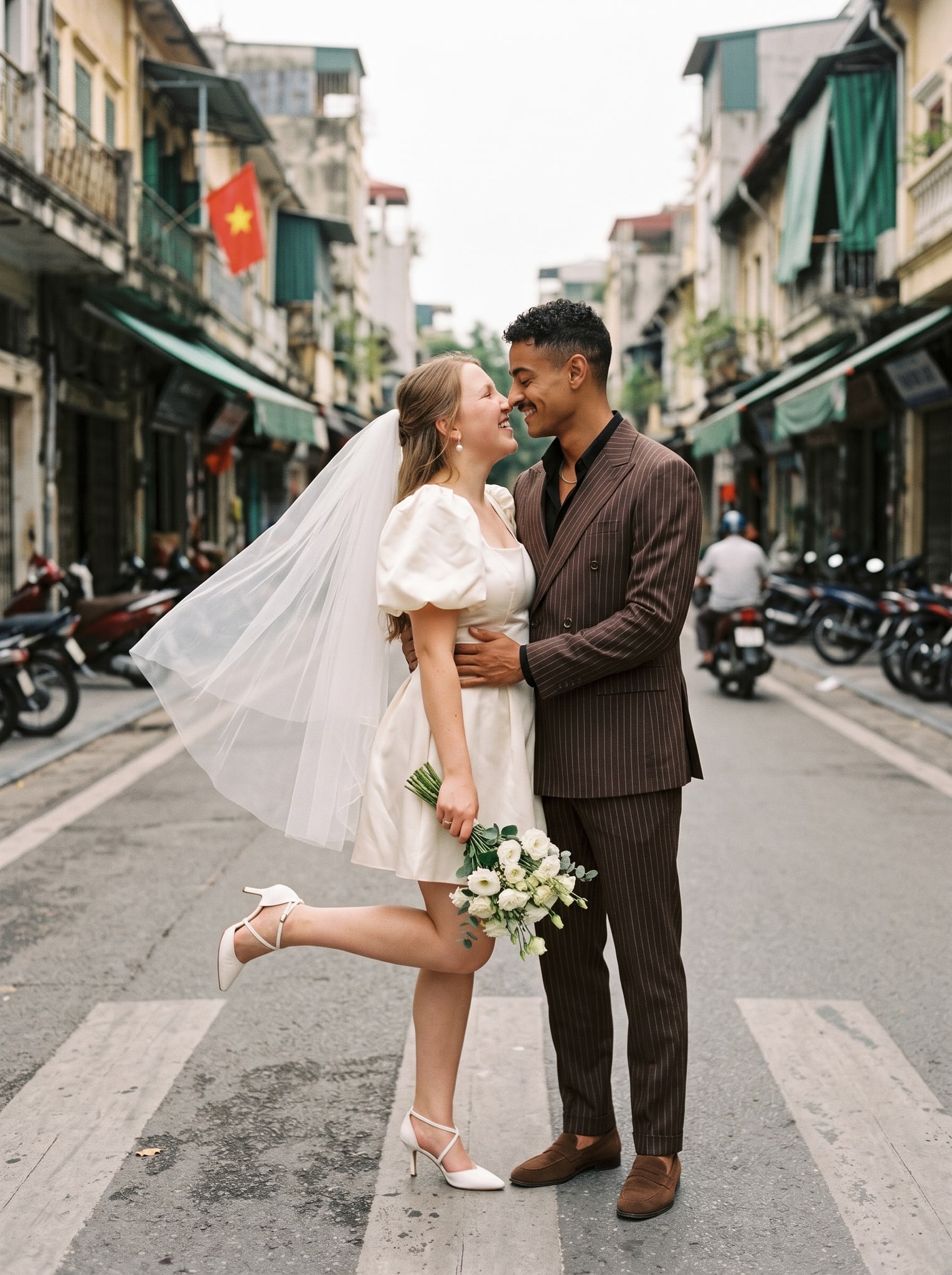
March light in Sapa is directional and low—the sun rises around 6:20 a.m. and sits at 50° by 9 a.m., casting long shadows across terraced slopes. We see golden tones in rice fields and skin tones stay warm without the harsh midday glare that kills detail in eyes. The air is still crisp enough to feel clear; haze worsens as spring deepens. One mistake we often see: couples booking 11 a.m. starts thinking they'll catch "morning light." By then the sun has climbed too high. We always propose first light (6:30–9:00 a.m.) for terrace work, then move to shaded valley locations or indoors by 10:30 a.m. The mist acts as a natural diffuser—when it sits at waist height across slopes, it softens shadows and creates depth. We time outfit changes around this: áo dài shots while mist is visible, then switch to simpler looks for clearer afternoon sessions. On our Sapa location scout in February, we marked which terraces get direct sun at 7:15 a.m. versus which stay in shadow until 8:45 a.m.; this matters hugely for skin tone consistency across an album.
How does Sapa's March weather affect your shoot timeline?
Temperature swings fast: we've seen 8°C at 7 a.m. and 14°C by noon. Rain happens on 5–10 days per month, usually in afternoon showers that last 20–30 minutes. We always check the 7-day forecast 10 days out and keep backup dates flexible. The real issue is ground moisture: morning dew soaks grass and áo dài hems. We bring microfiber cloths, pack extra fabric, and position shoots away from wet patches. One session in March 2025, we rescheduled the terrace segment to afternoon and moved morning work to the paved town center because overnight rain had soaked the upper fields. The couple was frustrated until they saw the moody mist shots—unpredictable weather sometimes creates the best backdrops. We tell guests: "Bring two pairs of shoes and socks; we'll switch if the first gets muddy." Cloud cover is actually useful here; full sun between 11 a.m.–2 p.m. creates harsh shadows on faces. We use overcast windows for flat, even light on couple portraits. March's cloud patterns are more predictable than later months—rain usually comes in afternoon pulses, not all-day systems.
When do tourist crowds peak—and how do we work around them?
Weekday mornings (Mon–Thu) before 10 a.m., the main terraces around Muong Hoa Valley stay mostly clear. We've shot 50+ pre-wedding sessions in Sapa; our crew knows which paths avoid the tour groups. Weekend mornings get busy by 8:30 a.m.—tour buses arrive from Hanoi. We stagger timing: sunrise work (6:30–8:30 a.m.) happens when only local farmers are on the terraces, then we move to less-photographed valleys or waterfalls by 9 a.m. March has fewer visitors than April–May (school holidays); our advantage is longer quiet windows. One 2025 session, a couple wanted the iconic stepped-terrace shot; we booked them at 6:45 a.m., finished those frames by 8 a.m., then moved to a side valley for costume changes. The same location at 10 a.m. had 30+ tourists. We also use indoors—homestays, Sapa Stone Church interiors, local cafés—as filler for busy windows. Those shots often surprise couples because stone walls and low light create intimate backdrops impossible outdoors when crowds arrive. Our booking calendar holds at most 2 couples per weekend in Sapa; this prevents rushed timelines and lets us guarantee quiet access.
Why does March's weather affect outfit and makeup choices?
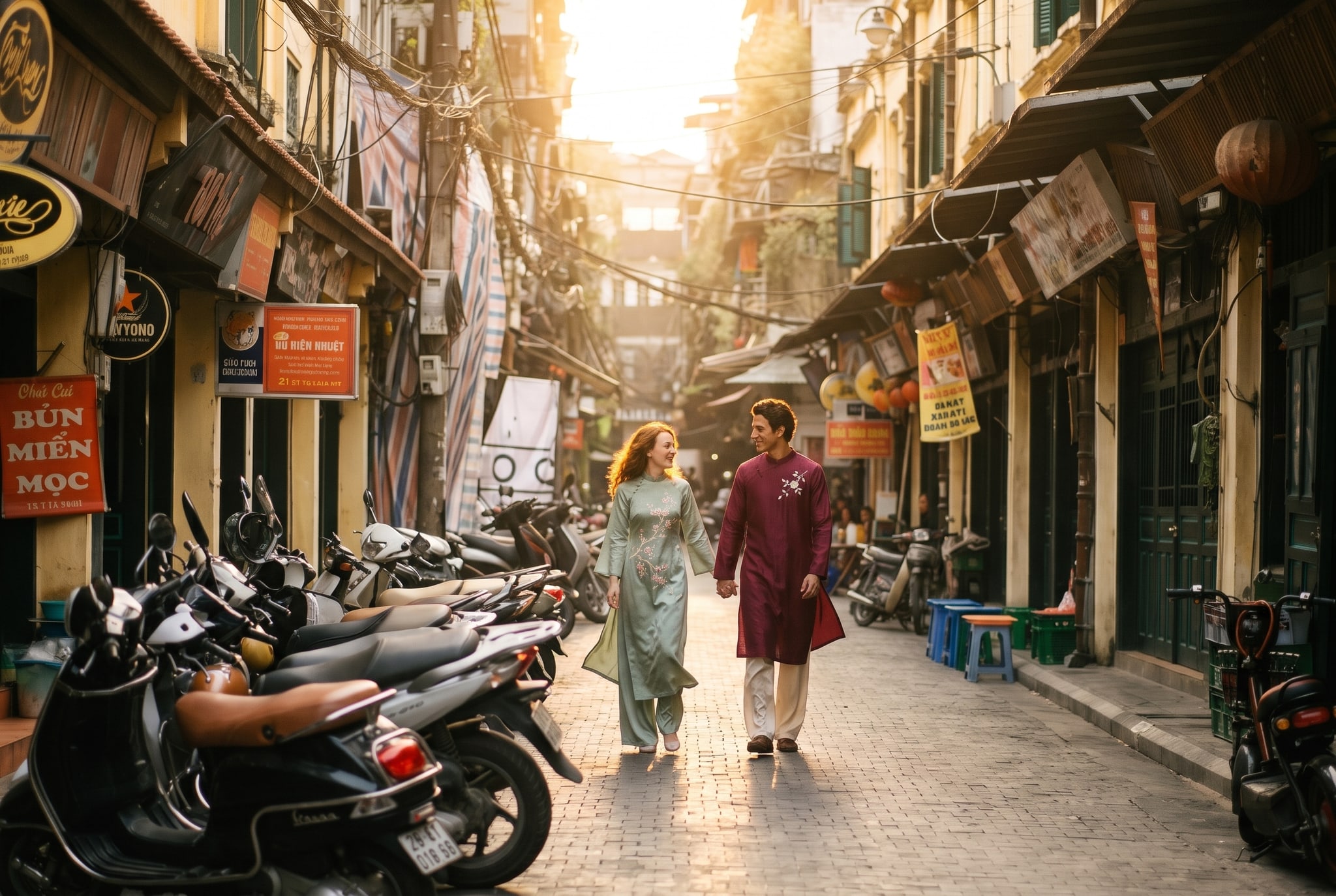
Humidity sits around 60–70% in March (lower than rainy season), but morning mist means makeup needs setting spray and lip color that won't fade if exposed to mist. We brief makeup artists on this: contour must be blended into the natural fade, not sharp, because overcast light flattens harsh makeup. Base coverage should be light; the soft light means you don't need heavy foundation. Áo dài fabrics matter: silk dampens easily (we've seen them absorb dew and turn heavy), so we prefer cotton-blend or linen áo dài for Sapa. Layering is essential. One couple arrived with no undershirts in 9°C air; they were shaking in their shots. Now we send a pre-shoot note: "Base layer long sleeves, then áo dài, then a warm jacket you'll remove for photos." Hair pins need extra hold in mist; we use waterproof spray and secure everything below the shoulder in windy spots. March wind is mild compared to winter, but terraced slopes funnel air. We've learned to shoot facing away from ridgelines when wind is visible in photos. Makeup touch-ups every 90 minutes are standard in Sapa; the mist settles on foreheads and cheeks. We carry powder blotters and lip color in the field kit.
How do we choose between March dates and manage expectations around unpredictability?
The first two weeks of March tend to be slightly drier than the second half (based on 5 years of Sapa weather logs we keep). We recommend checking the forecast with 7–10 days' lead time and building in a 1-day buffer option when we can. A 2025 couple originally booked March 22; a weather system was forecast March 21–22. We offered March 20 (the day before) as an alternate; they agreed and got clear skies. The original date did rain. This cost us no stress because we had pre-scouted both days and had both backup dates locked with the location coordinator. We tell clients: "March weather is 85% favorable for full 6–8 hour shoots; 10% requires 2–3 hour reschedules; 5% pushes to the next available date." This honesty reduces complaints. We also explain: moody, misty shots are often the most romantic—not a failure, a feature. The couple's mood shifts when they see proofs and realize the mist created atmosphere their sunny-day friends' beach weddings didn't have. Our honest framing from the start (on WhatsApp before arrival) prevents disappointment.
| Scenario | Light quality | Crowd level | Ground condition | Best location type |
|---|---|---|---|---|
| 6:30–8:30 a.m., clear | Golden, sharp shadows | Very quiet | Damp grass | Open terraces, full landscape |
| 8:30–10 a.m., partly cloudy | Soft, directional | Filling up | Drying | Terraces + valley overlooks |
| 10 a.m.–1 p.m., overcast | Flat, even | Busy | Mostly dry | Indoors, stone church, town paths |
| 1–3 p.m., afternoon sun | Harsh, overhead | Peak tourists | Dry | Shaded valleys, café interiors |
| 3–5 p.m., clouds return | Moody, dimming | Clearing | Dry | Misty overlooks, forest edges |
What should couples check before booking a Sapa pre-wedding shoot in March?
Visa and location access. Sapa is near the China border; some foreign citizens need special permits (rare, but confirm with us before booking).
Altitude and fitness. Sapa town sits at 1,500m; terrace walks involve slopes and uneven ground. One couple in 2025 underestimated the climb; we adjusted scope and did more seated/standing shots on less steep paths. Tell us your fitness level honestly.
Áo dài fit and comfort. Custom áo dài takes 3–4 weeks; ready-made takes 1–2. Order early. Rental is fast but fit varies. We recommend booking your áo dài by late January for a March shoot.
Shoe grip. Terraces are slippery when damp. Shoes with tread (hiking boots, outdoor flats) are necessary. We've seen guests in borrowed smooth-soled shoes nearly slip; not safe. Bring two pairs.
Local access and transportation. Sapa is a 5–6 hour drive from Hanoi. We coordinate vehicle pickups and hotel timing. If you're flying in from abroad, plan your arrival for the day before or early morning of the shoot.
Backup date flexibility. March has 90%+ shoot-day success, but keeping a flexible second date within a week removes rescheduling stress if weather pushes plans.
See packages and prices on vietnamphotoshoot.com
Real decisions we make on a Sapa shoot day
Our WhatsApp group chat (usually 4 people: photographer, videographer, stylist, makeup artist) starts at 5:30 a.m. Someone has already checked the light forecast (cloud cover, wind, visibility). By 6 a.m., we're on location scouting the exact angle. If mist is thicker than expected, we move the first segment 15 minutes earlier. If a terrace path is muddier than Friday's scout revealed, we swap locations and text the couple's location coordinator. We shoot in 90-minute blocks with 15-minute breaks for outfit/makeup refresh. After 9 a.m., we're already thinking: "Is wind picking up? Do we do the standing poses now or in 10 minutes?" Around 10:30 a.m., we're moving to Plan B (usually an indoor or sheltered location) because the light quality has changed and tourist groups are arriving. Couples are often surprised by how much we talk and adjust; some expect a rigid schedule. We explain: "We're reading the light and people in real time. That flexibility is why your shots look better than the rigid 10–4 studio sessions."
Our gear reflects this: we carry two full camera bodies, a range of lenses (16–200mm), two light reflectors, backups for every battery, and a small emergency kit (safety pins, tape, extra bobby pins, stain remover, blotting papers, a small sewing kit). We've learned the hard way that Sapa's stone paths and wet grass destroy equipment. Weatherproof bags and lens caps are non-negotiable. One 2024 session, our videographer's gimbal malfunctioned in the damp; we had a backup gimbal body ready (not the same camera, but salvaged 80% of video). The couple never knew there was a problem.
Sapa shoots are demanding but rewarding. The mist, the light, the labor of climbing these ancient terraces—couples feel the effort invested in their images. We've never regretted a March Sapa booking, even the rainy ones.
For couples considering Sapa, we offer pre-wedding and elopement packages with built-in location flexibility and our team's full experience in highland weather. If you'd like to mix Sapa with áo dài portraits in Hanoi's French Quarter, we can design a multi-day shoot; check our Hanoi location guide and áo dài photoshoot options. We also tailor couple photoshoot packages for brides and grooms wanting intimate sessions before wedding day. Reach out on WhatsApp with dates and we'll assess the forecast together.
FAQ
Is March too cold for an outdoor Sapa shoot?
No. Temperatures range 6–16°C, which is cool but manageable with base layers. Layering under the áo dài keeps warmth in; jackets are removed for shots. Movement and natural adrenaline keep couples warm during active shooting.
Does mist ruin photos in March?
Mist is not a flaw; it's a feature in Sapa. Soft, directional light through mist creates intimacy and depth. Many couples later say misty shots are their favorites because they feel romantic and mood-driven, not generic.
How many hours should we book for a March Sapa pre-wedding shoot?
We recommend 6–8 hours to capture sunrise terrace light, outfit transitions, and afternoon valley or indoor segments. Shorter sessions (4 hours) are possible but reduce location variety and outfit options.
Will March crowds affect our photos?
Weekday mornings before 10 a.m. have minimal tourists. Weekend mornings fill up by 8:30 a.m. We schedule sunrise shoots (6:30–8:30 a.m.) to avoid crowds, then move to less-visited locations afterward. Proper timing eliminates crowd issues.
What if it rains on our March Sapa shoot date?
March rain is rare (5–10% chance) and usually short afternoon showers. We have indoor backup locations (temples, cafés, homestays) ready. If rain is forecast 48 hours before, we discuss rescheduling to a nearby dry date; your deposit holds for that new date.
Should we rent or buy an áo dài for a Sapa shoot?
Custom áo dài takes 3–4 weeks; order by late January for March shoots. Rental is faster (1–2 weeks) but fit varies. We recommend custom for the best fit and longevity. Budget time accordingly when booking.
Do we need special permits to shoot in Sapa as foreign nationals?
Sapa itself requires no special permit. Some nationalities may have visa restrictions; confirm with your embassy or ask us on WhatsApp. We coordinate all location access and will flag any permit needs early.
Pre-Wedding & Elopement
Inclusions, prices and booking are on our booking site.
FAQ
Is March too cold for an outdoor Sapa shoot?
No. Temperatures range 6–16°C, which is cool but manageable with base layers. Layering under the áo dài keeps warmth in; jackets are removed for shots. Movement and natural adrenaline keep couples warm during active shooting.
Does mist ruin photos in March?
Mist is not a flaw; it's a feature in Sapa. Soft, directional light through mist creates intimacy and depth. Many couples later say misty shots are their favorites because they feel romantic and mood-driven, not generic.
How many hours should we book for a March Sapa pre-wedding shoot?
We recommend 6–8 hours to capture sunrise terrace light, outfit transitions, and afternoon valley or indoor segments. Shorter sessions (4 hours) are possible but reduce location variety and outfit options.
Will March crowds affect our photos?
Weekday mornings before 10 a.m. have minimal tourists. Weekend mornings fill up by 8:30 a.m. We schedule sunrise shoots (6:30–8:30 a.m.) to avoid crowds, then move to less-visited locations afterward. Proper timing eliminates crowd issues.
What if it rains on our March Sapa shoot date?
March rain is rare (5–10% chance) and usually short afternoon showers. We have indoor backup locations (temples, cafés, homestays) ready. If rain is forecast 48 hours before, we discuss rescheduling to a nearby dry date; your deposit holds for that new date.
Should we rent or buy an áo dài for a Sapa shoot?
Custom áo dài takes 3–4 weeks; order by late January for March shoots. Rental is faster (1–2 weeks) but fit varies. We recommend custom for the best fit and longevity. Budget time accordingly when booking.
Do we need special permits to shoot in Sapa as foreign nationals?
Sapa itself requires no special permit. Some nationalities may have visa restrictions; confirm with your embassy or ask us on WhatsApp. We coordinate all location access and will flag any permit needs early.
More from the team
Boho pre-wedding photoshoot in Vietnam: Hanoi, Saigon, Hoi An
Boho pre-wedding shoots mix romantic, free-spirited aesthetics with Vietnam's landscapes and heritage sites. We run full-day sessions in three cities, handling styling, makeup, location scouts and edits.
Avoid crowds at Hoang Su Phi rice terraces: timing for wedding shoots
Hoang Su Phi's terraced landscape draws couples and tour buses in equal measure. We show how to shoot there alone, when to arrive, and what to arrange with us before you go.
Photography rules at Con Dao beaches: permits, drones and what to check
Con Dao's beaches demand prep before you shoot—permits, drone zones and tide timing all affect your day. We share what the Cáo Studio team verifies on every booking.