 Cáo Studio
Home › Blog › Pre-Wedding & Elopement
Pre-wedding photoshoot Sapa guide: what to book before you arrive
By the Cáo Studio team · Hanoi & Saigon · 2026-11-01
A pre-wedding photoshoot in Sapa means a 1–2 day shoot in Vietnam's northern hill station, featuring rice terraces, colonial architecture, and weather that changes hourly. Most couples book pre-wedding and elopement packages in May–September (dry season) or October–November (clear light, cooler); expect sunrise starts (4:30–5:00 am), multiple outfit changes, and 6–10 hours on foot or motorbike between locations. Sessions typically include 200–400 edited images. The mountain terrain rules out all-day studio shoots; instead, we structure shoots around golden hour and weather windows. Check altitude tolerance, footwear comfort, and whether your wedding dress can survive mud and steps before booking. Cáo Studio coordinates logistics from Hanoi or Saigon, managing timing, local guides, and contingency moves if clouds or rain strike. Chat with us on WhatsApp
Why does Sapa's light and weather dominate shoot planning?
Sapa sits at 1,500 meters elevation, where clouds roll in from the north and visibility can drop from 50 meters to zero in 20 minutes. We've scrapped entire morning setups twice and pivoted to the afternoon valley view instead. The real gain: October–November light is so clear that terraces 2 kilometers away look sharp. May–June brings green rice (dramatic) but also 60% cloud cover and afternoon downpours; we always build a rain-day alternative. Sunrise shoots demand a 4:30 am hotel pickup and 45 minutes driving uphill—fatigue is real. Our team now scouts weather 5 days before and warns couples via WhatsApp if conditions are marginal, offering rescheduled dates. The decision: dry season months matter more than any location scouting.
Which Sapa locations work best for different shoot aesthetics?
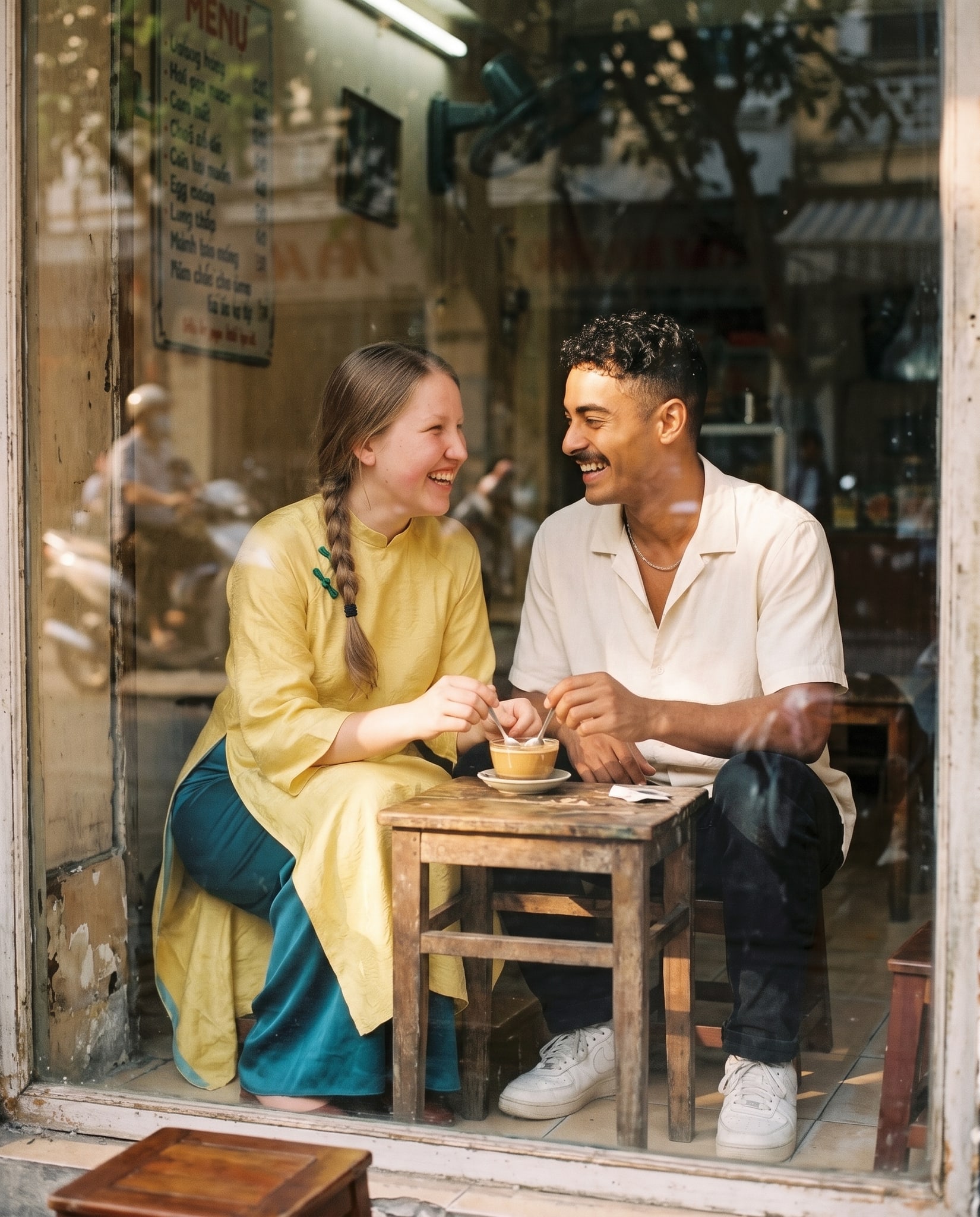
We rotate between four zones: rice terraces around Muong Hoa village (50 km of switchbacks, iconic but exhausting), O Quy Ho pass (cold, misty, dramatic), the French colonial town core (quieter, styled outfits), and the Monday market area (candid, textured, crowd-heavy). Terraces demand full-day energy and strong calves; town shoots squeeze into 3–4 hours and suit couples preferring one outfit. We ask clients early: are you hiking in heels or sneakers? Can you walk 8 km uphill in a wedding dress? The answer changes the entire itinerary. Last October a couple wanted dress photos on a specific terrace but underestimated the climb; we switched to the lower Tay Phung village loop instead and finished by 10 am, avoiding midday haze. Conclusion: know your fitness level and dress constraints before choosing locations.
What do you actually pack and wear for a Sapa pre-wedding shoot?
Forget heavy formal wear. We advise: lightweight dress (chiffon or silk that dries fast), waterproof shoes or hiking boots, a backup casual outfit (jeans + linen shirt for candid shots), and a light rain jacket stuffed in a day pack. Makeup must include long-wear primer and setting spray—we touch up every two hours because sweat, wind and altitude change faces. Our makeup artist always carries powder, blush, and lip color, reapplying after steep climbs. Sunscreen is non-negotiable: Sapa's UV is stronger at height. We've seen brides' makeup run after humidity spikes, and grooms' faces shine on video because altitude shifts blood flow. One couple arrived with a 5-kilogram ball gown and a heeled train; we repacked into layers and restyled it into three separate looks. Bring less than you think, wear layers, and assume everything will get damp. Plan outfit changes around rest points, not arbitrary times.
See packages and prices on vietnamphotoshoot.com
How do we schedule your Sapa shoot across two days versus one?
Single-day shoots (8–10 hours) hit sunrise + one golden-hour slot, yielding 150–250 images but at sprint pace; couples report feeling rushed. Two-day shoots let us shoot sunrise one morning, explore town/market midday (with a nap break), then sunset the next day—yielding 350–500 images and visible relief on faces by photo 200. We build in two 45-minute breaks (hotel rest, meal, makeup refresh) and stop by 6 pm both days to avoid night driving on mountain roads. The trade-off: travel time increases (two hotel nights, two pre-dawn starts), but light quality and couple mood improve measurably. Our calendar shows May and October book two-day Sapa shoots; January–March, couples choose one-day because of tight holiday schedules. Duration affects your pre-wedding package tier and timeline—confirm early whether you want depth or speed.
What backup and contingency plans do we run on location?
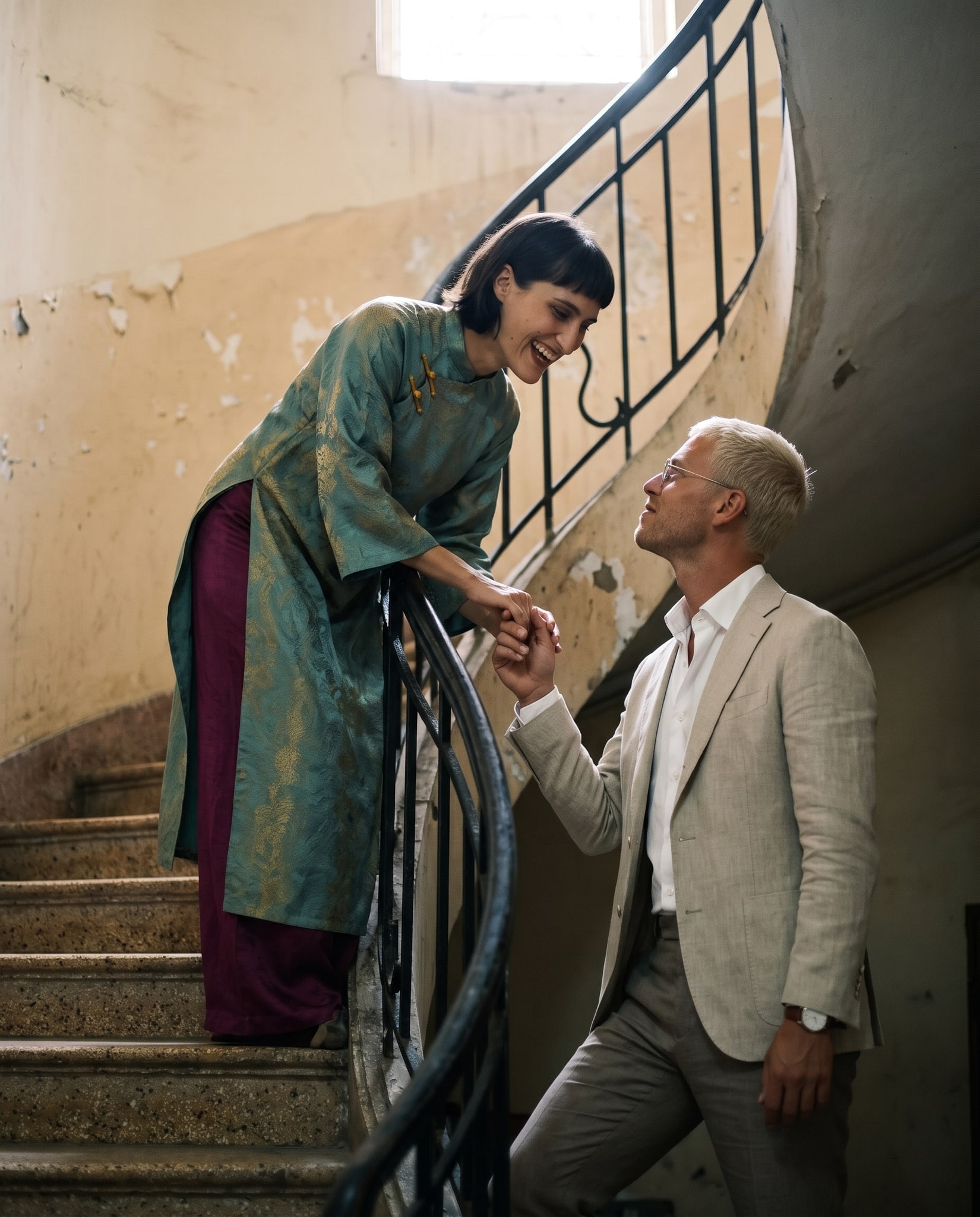
Rain in Sapa is not "might happen"—it's 60% likely May–June, 30% likely Sep–Nov. We pre-book a secondary indoor location (usually a homestay or café in town) and have three outdoor fallbacks if clouds exceed 80% coverage. On shoot day, we text couples at 6:00 am with the weather call and a "Plan A, Plan B, Plan C" breakdown. Two weeks ago we switched from O Quy Ho (clouds at 300m altitude) to the Monday market at 8:15 am—different vibe, unplanned but rich—and delivered 340 images instead of 200. Afternoon downpours we absorb into rest breaks; light rain we embrace (moodier images, fewer tourists). We carry protective rain sleeves for camera gear and a small pop-up umbrella for couple transitions. The real contingency: a flexible couple. If you've booked specific locations and refuse alternatives, a rainy day becomes a loss. Book pre-wedding packages with understanding that Sapa adapts—don't arrive with a rigid shot list.
Comparison: one-day versus two-day Sapa shoots
| shoot type | Duration | Image count* | pace | Best for | When to book |
|---|---|---|---|---|---|
| One-day | 8–10 hrs | 150–250 | High | couples on tight schedules, tight budgets | Jan–Mar, Sep–Nov only |
| Two-day | Two full days + two nights | 350–500 | Moderate, with breaks | couples wanting depth, mood, multiple outfits | May, Oct–Nov |
*Based on Cáo Studio's 2025–26 shoot logs. Image count varies by location complexity, light quality, and outfit changes.
What to check before you book
- Altitude comfort: Have you hiked 1,500 m before? Test it or allow extra break time.
- Dress logistics: Can your wedding outfit survive mud, wet grass, and 8+ km of walking? Bring a backup.
- Weather tolerance: Are you flexible if rain moves the schedule, or do fixed dates require a reschedule option?
- Guides and transport: Is a local guide + motorbike included in your package, or separate cost? Clarify with our team.
- Editing timeline: Sapa shoots deliver finals 4–6 weeks post-shoot due to volume and retouching. Confirm this matches your wedding date.
- Couple fitness: If either partner has knee or breathing issues, terrain matters—discuss it before booking.
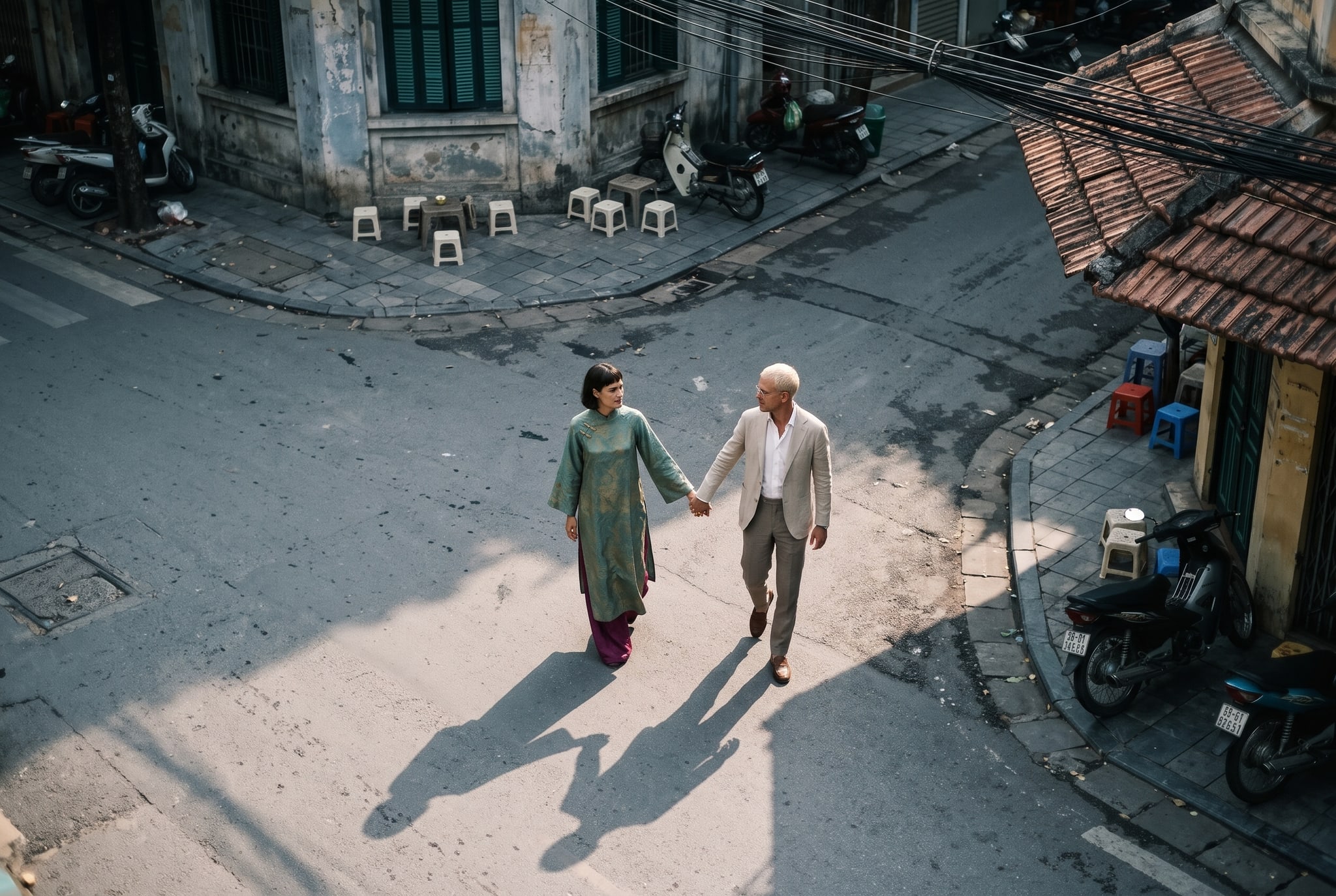
For an ao dai shoot in Sapa, traditional silk against terraces is striking but heavy in heat; we book these in October–November only. For a couple photoshoot in town, the French church and colonial storefronts compress into a 4-hour session, ideal for January–March. Need makeup support in your Sapa hotel before sunrise? We offer makeup and hair at your hotel starting at 5:00 am—factor in 60–90 minutes for full glam. Already in Hanoi and want to add a quick shoot day after a Sapa elopement? Visit our Hanoi studio for a same-day or next-day couple session.
Book your Sapa pre-wedding shoot at least 8 weeks ahead of your travel date—mountain weather windows fill fast, and local transport (guides, motorbikes) book out in peak season. WhatsApp us your dates, fitness level, and dress style; we'll map a realistic itinerary, give you outfit and packing notes, and confirm backup plans before you land.
FAQ
Can we do a Sapa pre-wedding shoot in February or March?
Yes, but with trade-offs. February–March is drier than May–June, but light is softer (good for skin, but less dramatic), and morning mist obscures terraces until 9–10 am. We recommend one-day shoots in this window—two days risk poor visibility on the second day. Late February can work; early March is hit-or-miss.
How much walking is actually involved?
Typically 8–12 km spread across a full day, with 45-minute breaks for meals and makeup. Terrain is steep (rice terraces = constant uphill/downhill), not flat. If either of you has knee pain or limited cardio, tell us—we'll shorten routes or adjust pacing.
What if it rains all day?
We move to Plan B (town location, homestay interiors, or market candid shots) and reschedule one outdoor session to your second day if you've booked two days. If you've booked one day and full rain hits, we deliver your one-day images and offer a half-day reschedule within 60 days at reduced cost—confirm this policy before booking.
Do we need to hire a local guide, or do you provide one?
It depends on your package. Our pre-wedding packages include a local guide and motorbike transport between locations. If you book an à la carte shoot without transport, you'll need your own guide or hire one locally ; we'll recommend vetted contacts on WhatsApp.
How long after the shoot do we get edited photos?
Sapa shoots deliver finals 4–6 weeks post-shoot. The volume (350–500 images) and mountain internet (slow) mean editing takes longer than Hanoi or Saigon shoots. If your wedding is within 3 weeks, book a one-day shoot or discuss an expedited edit before confirming dates.
Should we bring a wedding dress or buy something locally?
Bring a lightweight backup outfit (silk, chiffon, linen—nothing heavier than 2 kg). Full wedding dresses get muddy and tear easily on rice paddies. If you want a formal photo, we can book one flat, sheltered location (town square or homestay garden) for 30–45 minutes and protect the dress during transitions. Plan this upfront so we block time for it.
Pre-Wedding & Elopement
Inclusions, prices and booking are on our booking site.
FAQ
Can we do a Sapa pre-wedding shoot in February or March?
Yes, but with trade-offs. February–March is drier than May–June, but light is softer (good for skin, but less dramatic), and morning mist obscures terraces until 9–10 am. We recommend one-day shoots in this window—two days risk poor visibility on the second day. Late February can work; early March is hit-or-miss.
How much walking is actually involved?
Typically 8–12 km spread across a full day, with 45-minute breaks for meals and makeup. Terrain is steep (rice terraces = constant uphill/downhill), not flat. If either of you has knee pain or limited cardio, tell us—we'll shorten routes or adjust pacing.
What if it rains all day?
We move to Plan B (town location, homestay interiors, or market candid shots) and reschedule one outdoor session to your second day if you've booked two days. If you've booked one day and full rain hits, we deliver your one-day images and offer a half-day reschedule within 60 days at reduced cost—confirm this policy before booking.
Do we need to hire a local guide, or do you provide one?
It depends on your package. Our [pre-wedding packages](/go/pre-wedding-photoshoot) include a local guide and motorbike transport between locations. If you book an à la carte shoot without transport, you'll need your own guide or hire one locally (₫300,000–500,000 per day); we'll recommend vetted contacts on WhatsApp.
How long after the shoot do we get edited photos?
Sapa shoots deliver finals 4–6 weeks post-shoot. The volume (350–500 images) and mountain internet (slow) mean editing takes longer than Hanoi or Saigon shoots. If your wedding is within 3 weeks, book a one-day shoot or discuss an expedited edit before confirming dates.
Should we bring a wedding dress or buy something locally?
Bring a lightweight backup outfit (silk, chiffon, linen—nothing heavier than 2 kg). Full wedding dresses get muddy and tear easily on rice paddies. If you want a formal photo, we can book one flat, sheltered location (town square or homestay garden) for 30–45 minutes and protect the dress during transitions. Plan this upfront so we block time for it.
More from the team
Boho pre-wedding photoshoot in Vietnam: Hanoi, Saigon, Hoi An
Boho pre-wedding shoots mix romantic, free-spirited aesthetics with Vietnam's landscapes and heritage sites. We run full-day sessions in three cities, handling styling, makeup, location scouts and edits.
Avoid crowds at Hoang Su Phi rice terraces: timing for wedding shoots
Hoang Su Phi's terraced landscape draws couples and tour buses in equal measure. We show how to shoot there alone, when to arrive, and what to arrange with us before you go.
Photography rules at Con Dao beaches: permits, drones and what to check
Con Dao's beaches demand prep before you shoot—permits, drone zones and tide timing all affect your day. We share what the Cáo Studio team verifies on every booking.