 Cáo Studio
Home › Blog › Pre-Wedding & Elopement
Tea Ceremony Wedding Photos Vietnam: Studio Guide 2026
By the Cáo Studio team · Hanoi & Saigon · 2026-11-02
A tea ceremony wedding photoshoot in Vietnam documents the formal exchange of tea—the bride and groom serving parents and elders—along with the emotional reactions, hands, jewelry and ao dài detail that make the moment real. Cáo Studio teams shoot these across Hanoi, Saigon, Hoi An and Ninh Binh, typically within 2–4 hours, capturing both the structured ritual and the unguarded laughter between takes. The session usually sits between an ao dài shoot or as part of a broader pre-wedding or elopement day, blending formal portraiture with lifestyle storytelling. Preparation matters: confirm lighting (often indoor, low-key), the exact sequence of tea service at your venue, and whether you want staged beauty shots or documentary-only coverage. Pricing varies by team size, location and package depth; discuss your vision on WhatsApp first so we arrive with the right lenses and flash gear. Chat with us on WhatsApp | See packages and prices on vietnamphotoshoot.com
How do we light a tea ceremony indoors without killing the mood?
Indoor tea ceremonies in Hanoi apartments or restaurant function rooms mean tungsten fixtures, dark wood and low ambient light. We arrive 30 minutes early to meter the space and test flash bounce off walls. Hard direct flash freezes hands and washes faces; instead, we use a diffuser or bounce flash off the ceiling to mimic natural falloff. If the room permits, we position the couple near a window or doorway for soft key light, then use a reflector to lift shadow under their chins. When available light is truly hopeless—basement room, heavy curtains—we switch to a continuous LED panel, which lets guests see the photographer and keeps the ritual feeling intimate rather than theatrical. The goal is photos where the tea, the hands, the ao dài fabric and the elder's face are all readable without harsh shadows or color cast.
What sequence do we actually shoot during the tea service?
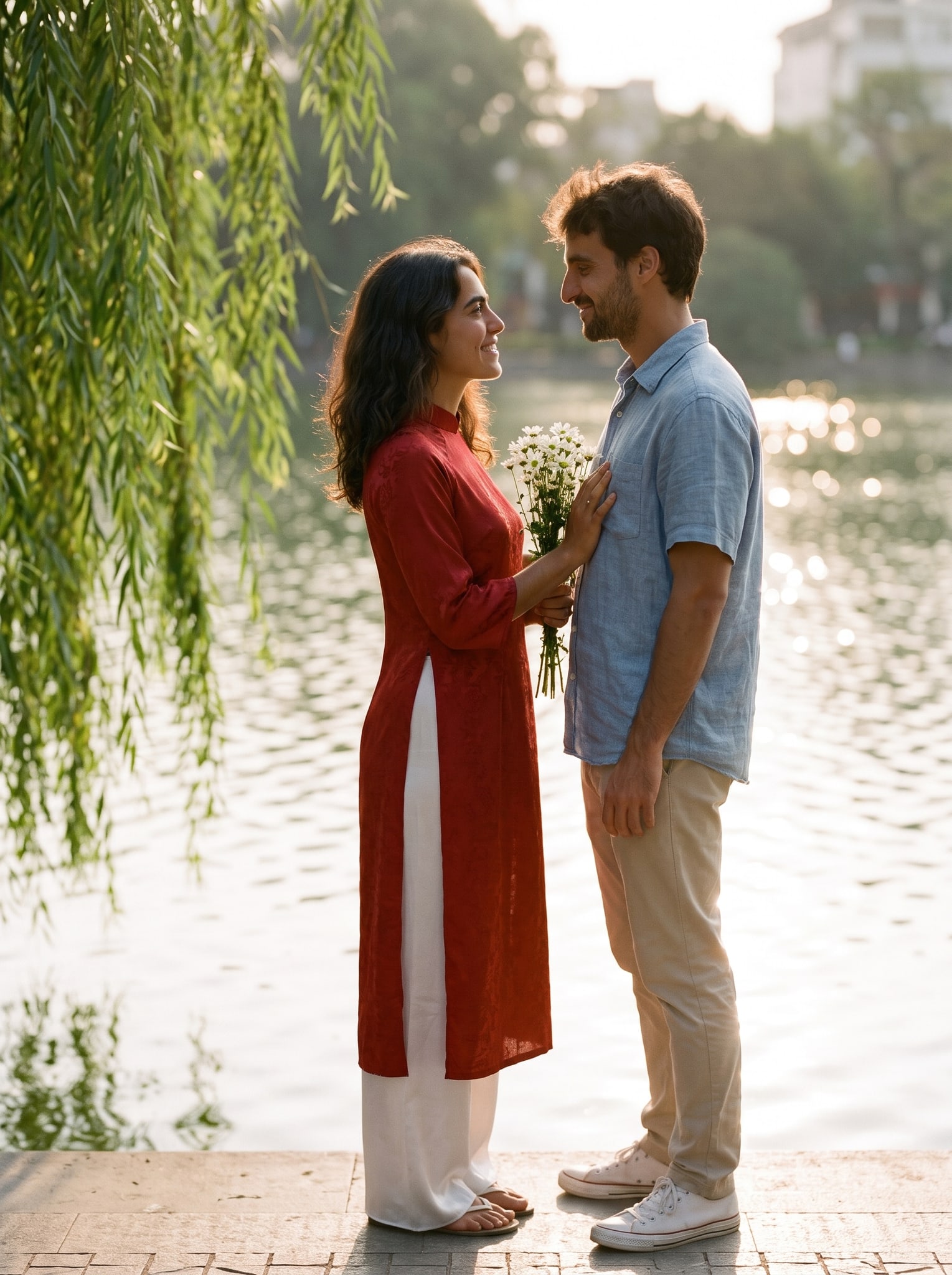
We plan a three-part flow with the family before we start. Part 1: Setup & approach. The couple enters, bows, kneels or stands (depending on family tradition), and positions the tea tray. We shoot wide to show the room, then tighter on hands and the cup. Part 2: The exchange. Each parent or elder accepts the cup, sips, often speaks or embraces the couple. This is where unguarded emotion happens—we shoot multiple angles, watch for tears, laughter, the elder's hand on the bride's shoulder. Part 3: Transitions & candids. Between each elder, there's a beat: the couple pours fresh tea, stands, moves, breathes. We catch those moments because they're less performative. On average, a full service with four to six elders takes 20–30 minutes. We shoot 800–1200 frames across the whole arc. Pre-wedding and elopement packages with Cáo Studio often include this ritual as one segment; couples booking our ao dài shoot separately can add a tea ceremony rider if they want focused time on it alone.
Which tea ceremony moments do couples regret not capturing?
In post-session reviews, we hear the same wish: "I wish we'd captured my mom's first reaction when we walked in." Guests are often so focused on doing the ritual correctly that they forget to be present; a photographer frees them to act naturally while we document the feeling, not just the steps. The moments that matter most are rarely the posed cup-lift shots. They're the hand-squeeze before the service starts, the parent's voice cracking, the younger sibling's face in the background, the bride adjusting the groom's collar mid-ritual, the pause where everyone just looks at each other. We prioritize capturing these by staying low and wide, not crowding the space, and taking 3–5 frames of every key beat so motion and emotion are preserved. Couples also regret not filming audio—many tea ceremonies include a parent's blessing or a joke that made everyone laugh. If your package includes video, we sync it to stills afterward; if not, ask the groom's mom to record a voice memo on her phone so you have context for the photos later.
Do we shoot tea ceremony as standalone or bundled with other coverage?
This is a real choice that changes logistics and cost. Standalone: You book a dedicated 2–3 hour slot, we bring one photographer and one stylist, we focus entirely on the ritual and candids in that one location. This works if your ceremony is early morning, the venue is remote, or you want all focus on that single moment. Bundled with pre-wedding day: The tea ceremony becomes one segment (often mid-morning) within a broader 6–8 hour pre-wedding shoot that might include ao dài portraits, couple candids in Hanoi's Old Quarter or Saigon's District 1, and outfit changes. This is more cost-effective and gives photos narrative arc—morning ritual, midday couple joy, evening light in a garden. Many guests choose this because it feels like a complete story, not a isolated ceremony. We coordinate on WhatsApp before booking to understand your preference, family size, and whether you want the same photographer for continuity or fresh team energy between segments. Our pre-wedding and elopement package offers both approaches; discuss with the team which fits your energy and schedule.
What common issues happen during tea ceremony shoots—and how do we prevent them?
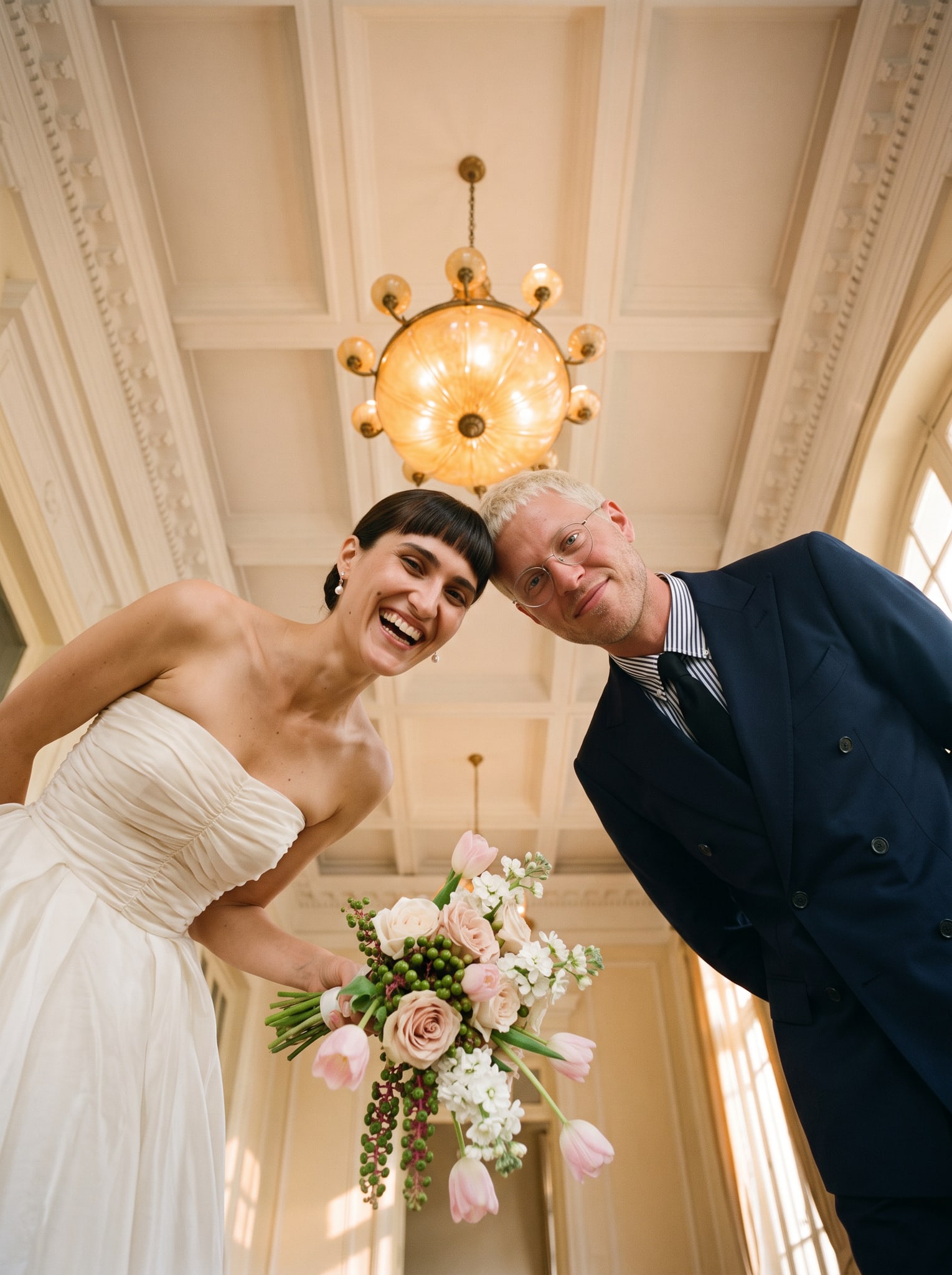
We've shot hundreds of these, and patterns emerge. Poor timing: Family arrives late, service starts when light is worst, or the couple's flight departs two hours after. Solution: confirm venue access 30 minutes before the scheduled start, brief the family on timing via WhatsApp 48 hours prior, never schedule tea ceremony less than 3 hours before travel. Outfit disasters: The bride's ao dài hem catches on the edge of the table, the groom's pocket clips the tea tray, jewelry is too loose and clatters. Solution: we do a micro-fitting 10 minutes before shooting—tuck the hem, test the movements, tape loose rings if needed. Unexpected guests: Aunts, cousins, and neighbors arrive and want to be in shots. Solution: we shoot the core ritual with the agreed-upon family first, then ask everyone else to step back for those frames, then invite the wider group for candid and group shots afterward. Guests feel included and photos stay clean. Lighting collapse: A cloud rolls in (outdoor ceremony) or the restaurant dims the lights for lunch service (they do this on autopilot). Solution: we always have a backup LED panel or flash kit in the car, and we communicate with the venue manager 24 hours before to request they keep lights on during our session. Once, in Hoi An, the staff started dimming for a lunch wedding while we were mid-shoot; we asked them to wait 15 minutes and they obliged—these conversations prevent wasted frames.
| Scenario | Best fit | Duration | Why choose it | Key prep |
|---|---|---|---|---|
| Tea ceremony alone, morning light | Couples with a small immediate family, no outfit changes, strong tea-only focus | 2–3 hours | Budget-conscious; ritual is the story | Confirm venue, light meter early, brief family on sequence |
| Tea ceremony + ao dài portraits | Guests who want the ritual plus formal couple shots in traditional dress | 5–6 hours | More coverage, same day efficiency | Two outfit changes; coordinate ao dài delivery or rental |
| Tea ceremony + full pre-wedding day | Couples embedding ceremony into a broader narrative (ritual, candids, couple romance, evening light) | 8–10 hours | Complete storytelling arc; best value | Confirm multiple venues, manage wardrobe, brief family on full schedule |
| Tea ceremony + makeup/hair service | Guests who want styling at the venue or hotel before the ritual | 3–5 hours (includes prep) | Polished look; one arrival for bride and groom | Book makeup and hair concurrently; confirm hotel room access |
| Ceremony livestream (photo + video) | Families with overseas guests or large groups | 4–5 hours shooting + edit time | Ritual shared in real-time; candids preserved in stills | Confirm internet/power; brief tech setup; allow 1–2 weeks for edit |
Where in Vietnam do tea ceremonies photograph best?
Each region has different light, tradition and aesthetic. Hanoi: Tea ceremonies in the Old Quarter apartments, lakeside villas (Tây Hồ area), or French colonial hotel function rooms often have golden afternoon light and heritage architecture in the background. We love the narrow windows and aged plaster for texture. Saigon: District 1 boutique hotels, rooftop gardens, and family homes in District 3 offer cleaner lines, modern lighting, and often good natural light from skylights or east-facing windows. Midday sun is harsh; we schedule for 9–11 a.m. or 4–6 p.m. Hoi An: Ancient town homes are visually stunning—low wooden ceilings, paper lanterns, ochre walls—but light is dim and tricky. We bring extra reflectors and test color balance because tungsten fixtures cast heavy yellow. Ninh Binh: Rural family homes or boutique resorts offer open courtyards and soft natural light, but fewer backup power sources. We always confirm generator access before arrival. Choose your venue with the photographer's input, not just family tradition, so the aesthetic matches your vision and our team can deliver clean, warm images without fighting the environment.
Chat with us on WhatsApp | See packages and prices on vietnamphotoshoot.com
How do we help you decide: studio package or custom tea ceremony rider?
Our pre-wedding package includes core options: tea ceremony standalone, tea ceremony as part of a day-long shoot, or ceremony bundled with couple photoshoot coverage. Some guests book our ao dài shoot and add tea ceremony as a second segment in the same day. Others book Cáo Studio Hanoi or Cáo Studio Saigon for a standalone ceremony session. The choice depends on your timeline, budget, and storytelling appetite. We ask three questions on the initial WhatsApp call: (1) Is the tea ceremony the emotional anchor of your day, or one moment among many? If anchor, book it standalone so we can spend 3–4 hours on nuance. If one moment, bundle it into a longer day. (2) Do you want the same photographer throughout the day or fresh eyes between segments? Continuity keeps visual style consistent; fresh energy brings different creative angles. (3) How many elders will be involved, and do you want group shots or only the couple + elder frames? Larger ceremonies need more time. Be honest about these, and we'll recommend the package that gives you the best investment.
What to check before you book your tea ceremony photoshoot
Venue & light: Visit the space with the photographer (via Zoom if overseas) and discuss backup lighting. Confirm interior/exterior mix and whether the family can control light levels. Family coordination: Agree on which family members are core to the ritual (parents, grandparents, sometimes aunts). Brief them 48 hours before via a WhatsApp group message about the photography plan and timing. Outfit finalization: Confirm ao dài rental or ownership, tailoring deadlines, and accessories (jewelry, shoes, hair pins). Loose items will shift during the ritual and ruin frames. Backup plan: Understand what happens if a family member is ill, runs very late, or the venue loses power. Have a 30-minute grace period built in. Editing timeline: Clarify when you need finals. Tea ceremony photos often go to families overseas, so allow 2–4 weeks for full edit if not on a rush track. Usage and keepsakes: Discuss whether you want prints, an album, or a digital gallery link to share. Some families commission a special concept shoot afterward using ceremony stills as inspiration; ask about this option when you book.
Chat with us on WhatsApp | See packages and prices on vietnamphotoshoot.com
FAQ
What's the average timeline from booking a tea ceremony shoot to receiving final photos?
We confirm dates and details within 24–48 hours of your WhatsApp inquiry. Editing takes 2–3 weeks for a standalone ceremony, longer if bundled with a full pre-wedding day. Overseas clients can request a digital gallery link within 3 weeks; albums and prints ship afterward.
Should we do a rehearsal with the photographer before the actual ceremony?
Many families do. We arrive 20–30 minutes early and walk through the sequence once—where you kneel, how you lift the cup, which elder first. This removes nerves and lets us identify lighting issues. No extra cost; it's part of our prep.
Can we book a male and female photographer as a pair for the tea ceremony?
Yes. A pair often works better because one can capture wide while the other goes tight on hands and faces. It also helps if family is more comfortable with a female photographer during intimate moments. Confirm your preference when booking.
What if our tea ceremony is at a restaurant and they won't let us control the lights?
We'll use diffusion, bounce flash, continuous LED panels, and reflectors to work within their constraints. We always scout the venue beforehand. If it's truly unusable (basement, all tungsten, no windows), we recommend shifting the ceremony to a family home or rescheduling for a time with better natural light.
Do you offer video of the tea ceremony alongside stills, or stills only?
Both. Video is available as an add-on within our pre-wedding package or as a standalone rider. Many couples choose stills only and ask a family member to record video on their phone for backup audio (blessings, toasts). Discuss your preference on WhatsApp.
What's the smallest family group we can shoot a meaningful tea ceremony with?
We've shot ceremonies with just the couple serving one parent, and it was beautiful—intimate and focused. Minimum is the couple + one elder. Larger groups (six to eight elders) take longer but the energy is richer. There's no "too small"; the emotion is what matters.
Pre-Wedding & Elopement
Inclusions, prices and booking are on our booking site.
FAQ
What's the average timeline from booking a tea ceremony shoot to receiving final photos?
We confirm dates and details within 24–48 hours of your WhatsApp inquiry. Editing takes 2–3 weeks for a standalone ceremony, longer if bundled with a full pre-wedding day. Overseas clients can request a digital gallery link within 3 weeks; albums and prints ship afterward.
Should we do a rehearsal with the photographer before the actual ceremony?
Many families do. We arrive 20–30 minutes early and walk through the sequence once—where you kneel, how you lift the cup, which elder first. This removes nerves and lets us identify lighting issues. No extra cost; it's part of our prep.
Can we book a male and female photographer as a pair for the tea ceremony?
Yes. A pair often works better because one can capture wide while the other goes tight on hands and faces. It also helps if family is more comfortable with a female photographer during intimate moments. Confirm your preference when booking.
What if our tea ceremony is at a restaurant and they won't let us control the lights?
We'll use diffusion, bounce flash, continuous LED panels, and reflectors to work within their constraints. We always scout the venue beforehand. If it's truly unusable (basement, all tungsten, no windows), we recommend shifting the ceremony to a family home or rescheduling for a time with better natural light.
Do you offer video of the tea ceremony alongside stills, or stills only?
Both. Video is available as an add-on within our [pre-wedding package](/go/pre-wedding-photoshoot) or as a standalone rider. Many couples choose stills only and ask a family member to record video on their phone for backup audio (blessings, toasts). Discuss your preference on WhatsApp.
What's the smallest family group we can shoot a meaningful tea ceremony with?
We've shot ceremonies with just the couple serving one parent, and it was beautiful—intimate and focused. Minimum is the couple + one elder. Larger groups (six to eight elders) take longer but the energy is richer. There's no "too small"; the emotion is what matters.
More from the team
Boho pre-wedding photoshoot in Vietnam: Hanoi, Saigon, Hoi An
Boho pre-wedding shoots mix romantic, free-spirited aesthetics with Vietnam's landscapes and heritage sites. We run full-day sessions in three cities, handling styling, makeup, location scouts and edits.
Avoid crowds at Hoang Su Phi rice terraces: timing for wedding shoots
Hoang Su Phi's terraced landscape draws couples and tour buses in equal measure. We show how to shoot there alone, when to arrive, and what to arrange with us before you go.
Photography rules at Con Dao beaches: permits, drones and what to check
Con Dao's beaches demand prep before you shoot—permits, drone zones and tide timing all affect your day. We share what the Cáo Studio team verifies on every booking.