 Cáo Studio
Home › Blog › Special Concept Shoot
Temple Photography Etiquette Vietnam: What Cáo Studio Teaches Guests
By the Cáo Studio team · Hanoi & Saigon · 2026-11-04
Temple photography in Vietnam means respecting active worship spaces: remove shoes in shrines, cover shoulders and knees, never pose mockingly on altars or statues, ask permission before photographing monks, and turn off flash indoors. Most temples allow photography outside prayer hours (typically 6–11 am and 2–5 pm). Cáo Studio prepares guests on WhatsApp beforehand, briefs photographers on-site, and repositions shots to honor the space while capturing ethereal áo dài and couple sessions. Violations risk fines, temple bans, or offense to pilgrims. Budget 2–3 hours for temple shoots to include a prep chat, costume changes, and breaks for active worship. Ask us for a quote on WhatsApp for concept shoots blending spiritual aesthetics with guest comfort and local reverence. Chat with us on WhatsApp
We work in Vietnam's most photographed temples—Trấn Quốc in Hanoi, Jade Emperor in Saigon, Assembly Hall in Hội An—and have learned that etiquette isn't a list of rules to follow reluctantly. It's the difference between a shoot that feels sacred and one that feels intrusive. Here's how our team prepares guests, what we've seen go wrong, and how we reframe temple photography as collaboration with the space, not dominance over it.
What counts as disrespect inside a temple?
Disrespect at temples isn't always obvious to foreign visitors. We've caught guests mid-pose on altar steps, legs pointed toward Buddha statues (directionally offensive in Vietnamese Buddhism), and a bride's hem dragging across shrine floors. One couple tried to recreate a Western bridal throw inside a meditation chamber—not hostile, just unaware. Our role is to step in before the camera clicks. Vietnamese temple keepers are patient with travelers but firm with deliberate violations. Never sit with feet pointed at statues, never turn your back to Buddha in a composition, never eat or drink in shrine rooms, and never touch offerings or ritual objects. If a monk is chanting or a family is praying, we pause the shoot entirely. Respect isn't performative; we move to an exterior courtyard or return at a quieter time. This isn't delay—it's the shoot working as intended.
Which temples in Vietnam allow photography during active worship?
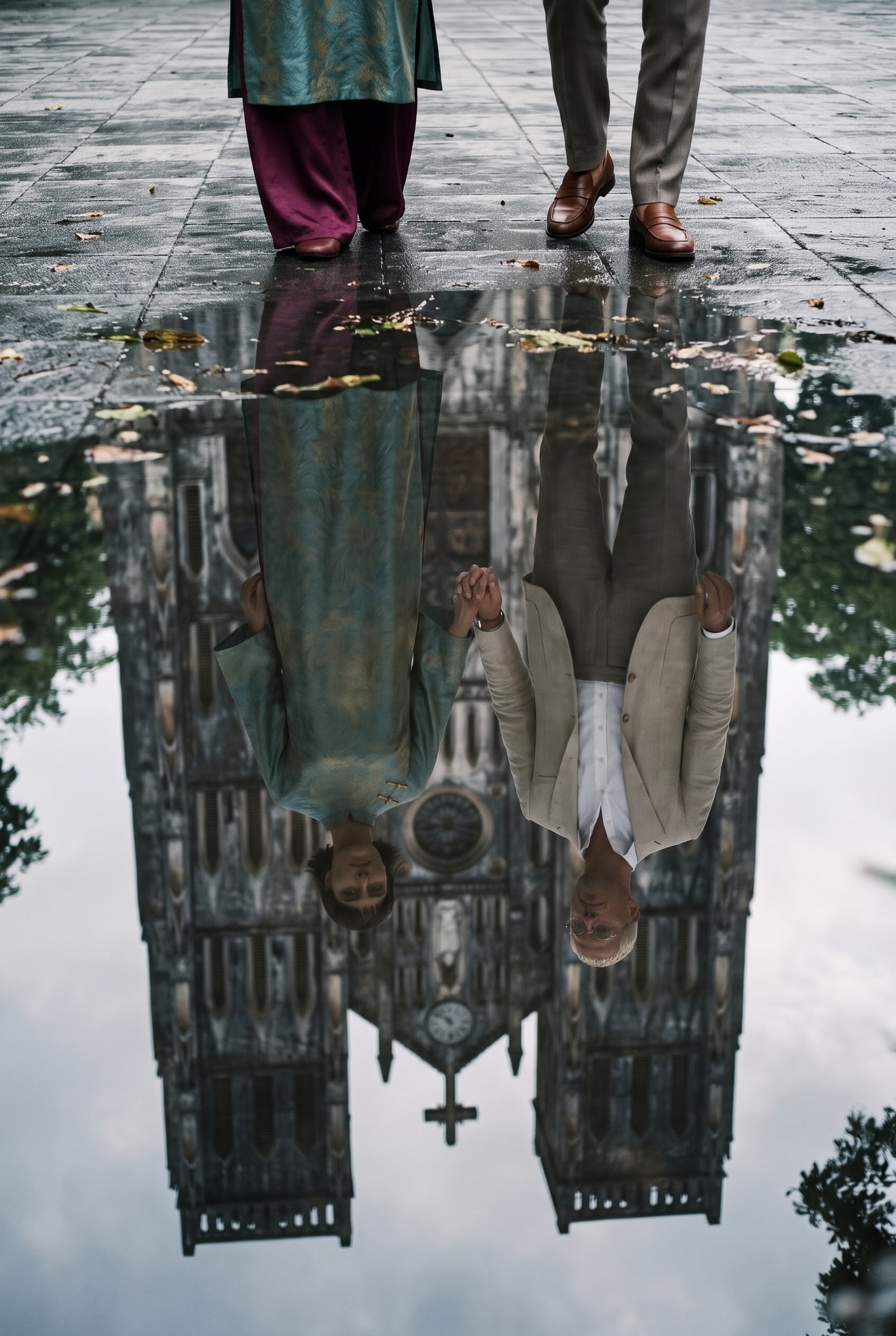
Most temples permit daytime photography outside prayer peak hours. Trấn Quốc (ancient lakeside temple, Hanoi) allows morning sessions before 10 am and afternoon after 3 pm. Jade Emperor Temple (Saigon's oldest active shrine) permits photography in courtyards year-round but bans it inside inner chapels during incense ceremonies. Assembly Hall in Hội An (Chinese merchant guildhall, now cultural site) is more relaxed—we've shot there with advance notice to caretakers. Ninh Bình's Mua Cave temples close photography during dawn meditation (5–6:30 am). We always contact temples 48 hours ahead, explain our guest's purpose (couple celebration, solo fashion, family memory), and confirm opening hours. What guests assume is "closed" is often just "not ideal for photography right now." A simple WhatsApp message to the temple office often unlocks evening golden-hour slots after worship ends. Timing isn't about rules; it's about reading the space's rhythm.
How do we dress guests for temple shoots without breaking sacred-dress codes?
This is where our stylists earn their role. An áo dài already respects temple standards—high neckline, long sleeves, covered legs—but we've learned to check sleeve length (some traditions require past the wrist), avoid red áo dài during certain lunar calendar dates (inauspicious in some temples), and never wear white alone (funeral color). For couples, Western wedding dresses must be covered with a respectful outer layer or changed to an áo dài overlay. One bride arrived in a sleeveless gown; we pivoted to a silk áo dài for temple shots and kept her original dress for secular locations. Makeup stays minimal and matte indoors (flash reflection is both technical and respectful). We brief guests over WhatsApp with reference photos from previous concept shoots showing how temple lighting and dress codes shape the final image. The goal isn't constraint—it's authenticity. Guests who embrace the dress code don't feel forced; they feel held by the setting.
See packages and prices on vietnamphotoshoot.com
What technical rules protect both the shoot and the temple?
Flash indoors damages artwork and disrupts worship. We use natural light or ambient available-light techniques—high ISO, prime lenses, slower shutter speeds—inside shrines. Tripods are often banned or require permission; we adapt with handheld stability. Some temples forbid drones entirely; others permit them only outside grounds after 5 pm. Before every shoot, our lead photographer confirms with temple staff: phone location scouting, physical setup plan, and backup indoor spots if crowds arrive. One afternoon at Trấn Quốc, a school group arrived unexpectedly; we shifted the couple to a quieter courtyard pavilion and reshot the whole sequence in 40 minutes without losing quality. The guest never felt rushed because we'd scouted escape routes beforehand. Bring a lightweight reflector for fill light on faces—it's faster than repositioning and less intrusive than flash. Never lean on pillars, climb interior walls for angles, or move ritual objects for framing. These aren't superstitions; they're structural and spiritual preservation. A one-minute conversation with the on-site monk or keeper often clarifies what's flexible and what's absolute.
Why do some guests skip temple shoots and opt for secular venues instead?
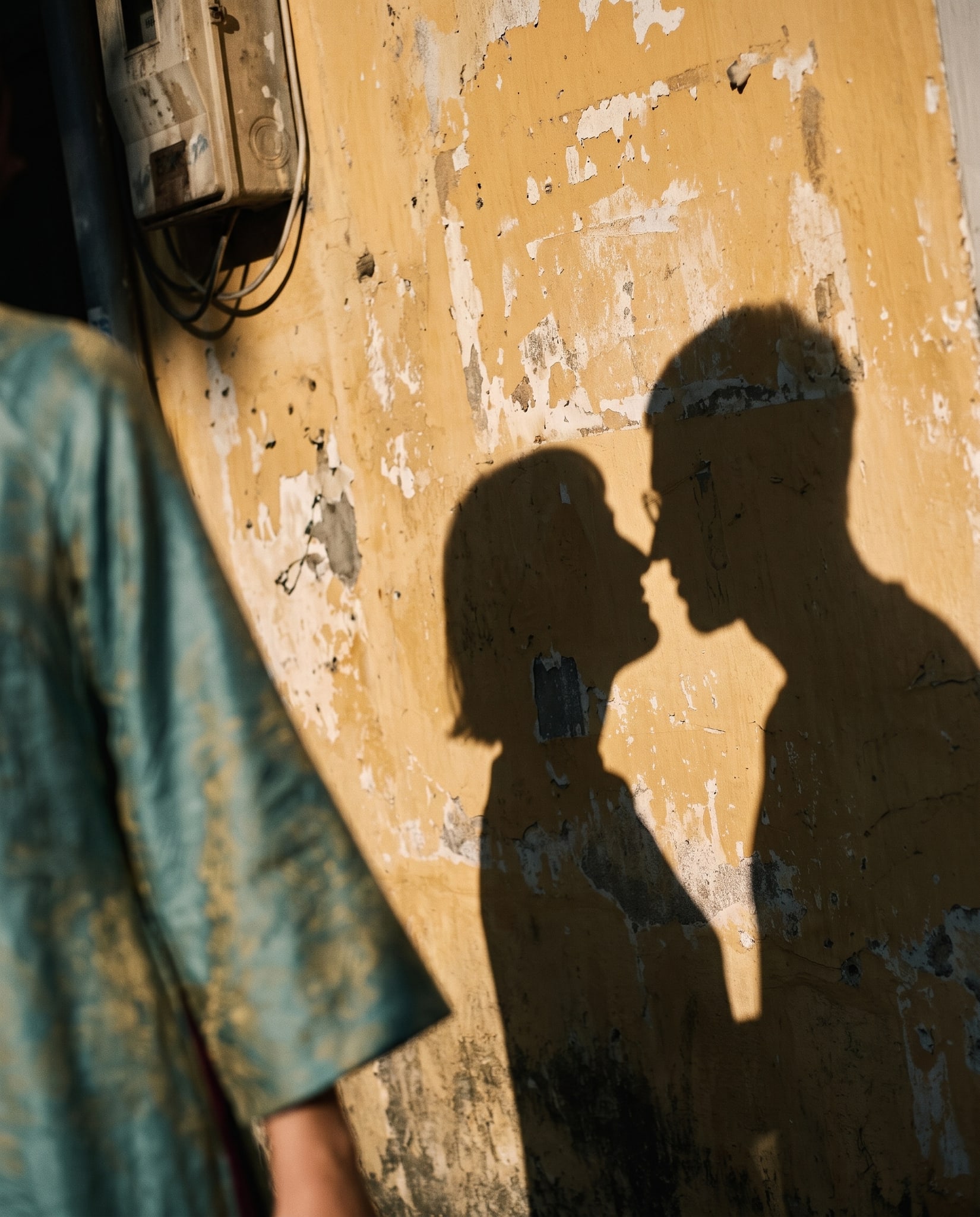
Cost and complexity aren't the issue—our special concept shoots at temples price similarly to garden or urban sessions. Hesitation usually stems from uncertainty. Guests worry about offending locals, looking ignorant, or wasting time navigating unspoken rules. We address this by sending a pre-shoot WhatsApp brief 72 hours before: a photo of the temple, a one-paragraph etiquette summary, what to wear, what to bring (water, comfortable shoes, sunscreen), and our photographer's mobile number for day-of check-ins. Guests who feel prepared feel confident, and confident guests take better photos—no tension in the shoulders, genuine smiles, presence. We've also noticed that temple shoots produce images with unmatched spiritual depth. The space does half the work. A couple in áo dài against a centuries-old stone archway and morning incense haze reads completely different from the same couple in a hotel lobby. Some guests choose temples specifically because they want that gravitas. Others discover it mid-shoot and ask us to extend the session. Both outcomes mean we've done our job: framed the option, managed the risk, and let the guest decide.
| Concept Type | Best For | Etiquette Complexity | Light Quality | Why It Works |
|---|---|---|---|---|
| Temple (Hanoi lakeside) | Couples, áo dài solo sessions | High; prayer hours, shrine rules | Golden morning, blue hour | Authentic heritage backdrop, spiritual tone |
| Assembly Hall (Hội An) | Families, multi-generational | Medium; cultural site, more flexible | Noon courtyard, evening shadow | Layered architecture, fewer active worshippers |
| Cave temple (Ninh Bình) | Adventure couples, bold concepts | High; cave access, meditation zones | Natural cave light, dramatic contrast | Unique venue, dramatic mood, fewer crowds |
| Urban temple courtyard (Saigon) | Fashion, quick shoots (1–2 hr) | Low; exterior only, public space | Varied; afternoon preferred | Accessible, minimal rules, modern city energy |
What to check before booking a temple shoot with us
Before you WhatsApp us: • Confirm which temple you have in mind (or let us suggest one based on your vibe and timeline). • Tell us your shoot date and preferred time slot (morning or afternoon). • Mention any dress code concerns—we'll advise if your outfit needs adjustment.
Before the shoot day: • Wear comfortable walking shoes (you'll remove them inside). • Bring a small bag for your shoes and phone. • Eat a light meal beforehand; temple shoots are steady walking. • Check our WhatsApp message for final temple contact info and backup venues.
During the shoot: • Follow your photographer's positioning cues without question (we're reading the space in real time). • If a ceremony begins, step back gracefully; we'll pause and resume. • Ask your photographer before posing on any architectural feature.
Why Cáo Studio doesn't rush temple sessions
We book temple shoots for 2–3 hours minimum—longer than secular venues. Why? Because temples operate on their own schedule, not ours. Worship times, changing light, and the need to pause for pilgrims mean our timeline is flexible. We arrive 20 minutes early to walk the grounds with the guest, point out light angles, and let them acclimate. Most guests feel nervous their first 15 minutes; by minute 30, once they've seen test shots, they relax. A rushed temple shoot feels extractive. An unhurried one feels like a pilgrimage. We're not selling speed; we're selling immersion. This is why concept shoots at temples are worth the investment—you're not paying for faster camera work, you're paying for a team that reads the room and adapts.
See packages and prices on vietnamphotoshoot.com
Pages from our team you may need
FAQ
Do I have to wear an áo dài at a temple? Can I wear a regular dress?
No requirement, but respectful dress means covering shoulders, knees, and midriff. Many temples tolerate Western modest clothing. An áo dài is preferred because it's culturally appropriate and photographs beautifully in that setting. We can advise on which temples allow alternatives or suggest an áo dài rental beforehand.
Can we bring kids to a temple photoshoot? Are there age restrictions?
Kids are welcome. No formal age limit exists at most temples. We brief kids (ages 5+) on respectful behavior beforehand and keep shoots shorter to maintain energy. Very young children often do best in outdoor courtyard areas, not inside shrines. Tell us your kids' ages on WhatsApp and we'll choose a temple and timing suited to them.
What happens if we accidentally break a rule or offend someone during the shoot?
We step in before that happens by being present and aware. If a minor breach occurs (e.g., sitting casually in a shrine), the temple keeper usually just redirects you politely. For serious violations, we apologize on behalf of the guest, pause the shoot, and move to a different area. We've never had a guest banned or fined because we scout, brief, and supervise.
Are temple shoots more expensive than other concept shoots?
Not at all. Special concept shoots at temples price the same as garden, urban, or seasonal venues. Ask us for a quote on WhatsApp to compare options. The difference is in preparation time (we contact temples 48 hours ahead) and flexibility during the session, which we absorb as part of our service.
What's the best season or time of day for temple photography in Vietnam?
Dry season (October to April) offers clear skies and morning mist (especially in Ninh Bình and Hanoi). Early morning (6–9 am) captures dawn light and fewer tourists. Late afternoon (3–5 pm) gives golden-hour warmth and longer shadows. Lunar New Year temples are busier but more visually stunning. Tell us your dates and we'll suggest the ideal time and backup temples for your dates.
Special Concept Shoot
Inclusions, prices and booking are on our booking site.
FAQ
Do I have to wear an áo dài at a temple? Can I wear a regular dress?
No requirement, but respectful dress means covering shoulders, knees, and midriff. Many temples tolerate Western modest clothing. An áo dài is preferred because it's culturally appropriate and photographs beautifully in that setting. We can advise on which temples allow alternatives or suggest an áo dài rental beforehand.
Can we bring kids to a temple photoshoot? Are there age restrictions?
Kids are welcome. No formal age limit exists at most temples. We brief kids (ages 5+) on respectful behavior beforehand and keep shoots shorter to maintain energy. Very young children often do best in outdoor courtyard areas, not inside shrines. Tell us your kids' ages on WhatsApp and we'll choose a temple and timing suited to them.
What happens if we accidentally break a rule or offend someone during the shoot?
We step in before that happens by being present and aware. If a minor breach occurs (e.g., sitting casually in a shrine), the temple keeper usually just redirects you politely. For serious violations, we apologize on behalf of the guest, pause the shoot, and move to a different area. We've never had a guest banned or fined because we scout, brief, and supervise.
Are temple shoots more expensive than other concept shoots?
Not at all. [Special concept shoots](/go/special-concept) at temples price the same as garden, urban, or seasonal venues. Ask us for a quote on WhatsApp to compare options. The difference is in preparation time (we contact temples 48 hours ahead) and flexibility during the session, which we absorb as part of our service.
What's the best season or time of day for temple photography in Vietnam?
Dry season (October to April) offers clear skies and morning mist (especially in Ninh Bình and Hanoi). Early morning (6–9 am) captures dawn light and fewer tourists. Late afternoon (3–5 pm) gives golden-hour warmth and longer shadows. Lunar New Year temples are busier but more visually stunning. Tell us your dates and we'll suggest the ideal time and backup temples for your dates.
More from the team
Dating Profile Photos Hanoi: What Cáo Studio Shoots in Real Sessions
Dating profile photos need to balance honesty with your best self. We shoot dozens every month in Hanoi—here's what we've learned about what actually works, what clients worry about, and how we guide you through it.
Photoshoot Contract and Usage Rights for Travelers
When you book a photoshoot in Vietnam, the contract details matter more than the package name. We walk through what rights you actually get, what the studio keeps, and red flags to spot before you sign.
Photo spots near District 1 hotels: what Cáo Studio shoots on location
District 1 hotels sit steps from Saigon's most photogenic corners. We shoot there weekly and know which spots work at dawn, which light dies by noon, and where security will move you.