 Cáo Studio
Home › Blog › Ao Dai Photoshoot
Traditional Vietnamese wedding elements for Da Lat photos
By the Cáo Studio team · Hanoi & Saigon · 2026-11-02
Traditional Vietnamese wedding elements elevate Da Lat photoshoots by anchoring modern shots in cultural meaning. The core choices are áo dài (silk tunic-and-pants ensemble), hand-embroidered scarves, fresh flowers (orchids, lilies), trays with betel and areca (gifts), and sometimes ceremony props like red cushions or tea sets. Da Lat's cool climate and misty backdrop suit jewel-toned silks and gold threading particularly well. At Cáo Studio, we advise couples to decide between full ceremony recreation (which takes 2–3 hours, requires prepared props and a second outfit change) versus styled portraits wearing one formal áo dài with selective traditional accents. Your choice depends on how many locations you want to cover and whether you're planning an actual ceremony that day. Most couples book our áo dài photoshoot package when tradition is the primary theme; those blending tradition with modern couple shots choose combined couple packages instead. Chat with us on WhatsApp | See packages and prices on vietnamphotoshoot.com
What makes áo dài the centerpiece of a traditional Da Lat shoot?
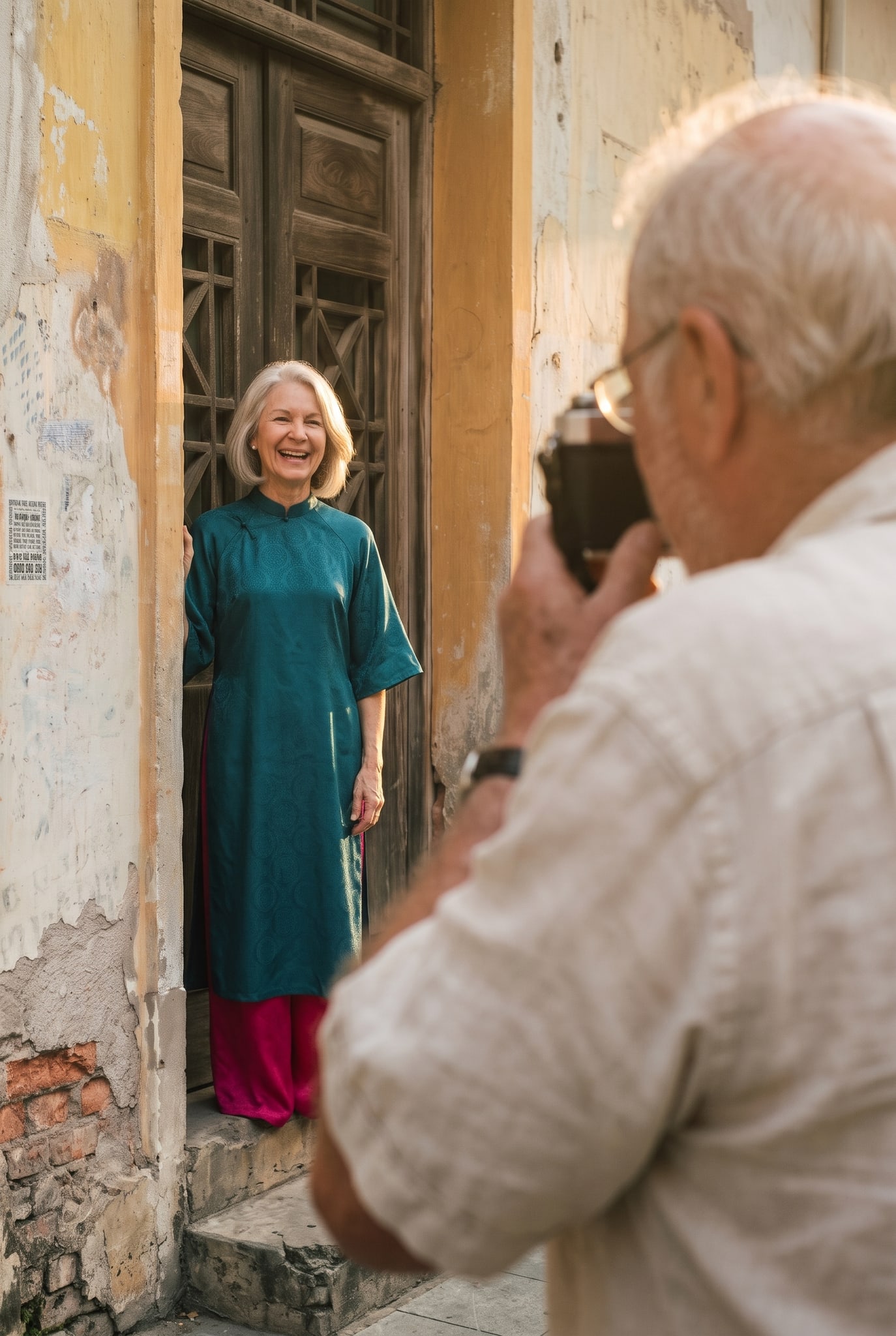
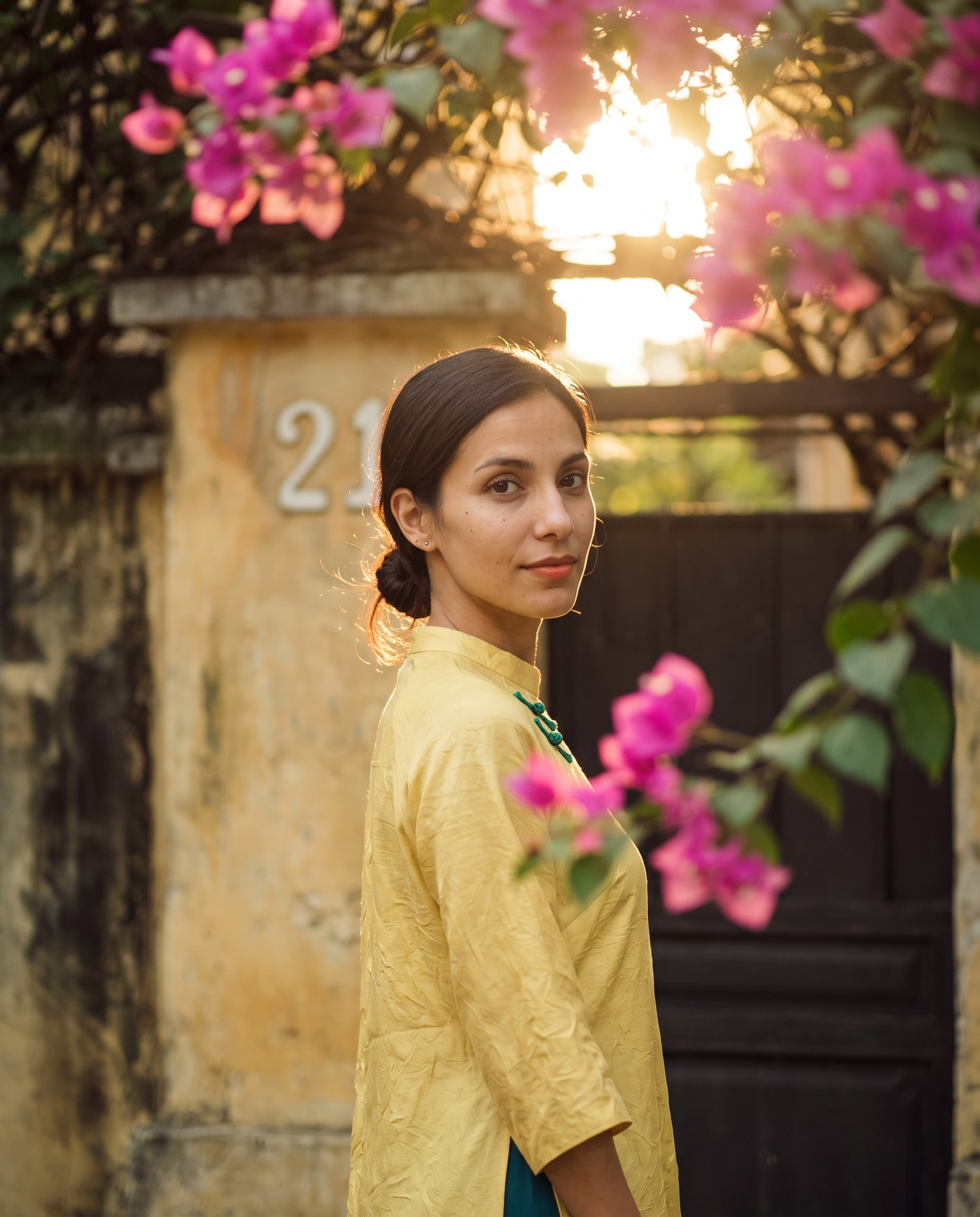
The áo dài is non-negotiable for any Vietnamese wedding story. It's a floor-length tunic worn over straight pants, usually in silk or silk-like fabric with intricate threading at the neckline and side slits. In Da Lat's mist, deep crimsons, emeralds and midnight blues photograph with tremendous depth. We've noticed that brides in lighter áo dài (pale pink, cream, gold) need stronger backlighting or positioned near darker foliage to avoid washing out in overcast highland light. The garment's vertical lines also photograph taller and more elegant than Western wedding dresses on narrow Da Lat paths. When a couple chooses áo dài, we always confirm whether it's borrowed, rented locally, or they're bringing their own from Hanoi or Saigon—shipping from abroad into Vietnam can take 5–10 days, so advance notice is critical.
Should you recreate a full tea ceremony or focus on portrait styling?
Full ceremony recreation—where the couple kneels, presents trays, serves tea to elders—is visually stunning but logistically demanding. It requires a prepared tea set, cushions, a table, and ideally an "elder" or two (family members, friends) to receive the gifts. The shoot extends to 3+ hours if you want setup, multiple angle coverage, wardrobe changes, and recovery time. We've done this in Da Lat near flower gardens on Đường 3 Tháng 2, and rain or sudden mist often disrupts the scene—you lose 10–15 minutes repositioning and drying fabrics. Portrait-only styling—where you wear the áo dài beautifully without the ceremony—takes 60–90 minutes, covers 3–4 locations, and adapts faster to Da Lat's unpredictable weather. Our advice: if your actual wedding is later, choose portrait styling; if you're documenting a micro-ceremony happening that day, commit to full recreation and book extra time.
See packages and prices on vietnamphotoshoot.com
Which traditional accessories photograph best in highland mist?
Scarves, belts, flowers and jewelry shape how tradition reads in images. Silk scarves (often embroidered, draped over the shoulder or tied at the waist) add texture and movement without adding bulk—they catch light differently than solid áo dài fabric and are essential when misty light is flat. Fresh flowers matter enormously: hand-held bouquets of orchids (white or purple) and lilies suit Da Lat's cool air; plastic or dried flowers never survive close-up scrutiny, especially in modern digital formats. Gold or silver jewelry (bracelets, hairpins, earrings) should be coordinated with the áo dài's thread color—mismatching metallics creates visual noise. Red accessories (belts, shoe accents, hair ribbons) pull from the bride's symbolic luck and harmony with the groom's color scheme. We advise bringing 2–3 accessories options and deciding on-site with our team; Da Lat light shifts hourly, and what works in morning mist may need adjustment by midday when sun breaks through the clouds.
| Element | Best for | Key check | Why it matters |
|---|---|---|---|
| Áo dài (silk) | All couples | Color matches skin tone, not faded | Photographs with depth in overcast light |
| Embroidered scarf | Adding movement | Knot is secure, not slipping | Catches light, shows craftsmanship in close crops |
| Fresh flower bouquet | Formal poses, detail shots | Blooms are hydrated, no brown edges | Wilts visibly in 90+ min; plan refreshes |
| Gold jewelry (hair, wrist) | Highlighting tradition | Consistent metal tone across outfit | Distracts if mixed with silver or tarnished |
| Red accent (belt, shoe) | Symbolic color layering | Bright red, not burgundy (unless intentional) | Ties groom's luck symbolism to bride's look |
How do you adapt traditional elements for Da Lat's unpredictable weather?
Da Lat's elevation (1,500 m) and proximity to forests mean mist, sudden rain and temperature swings are normal, not exceptions. Our stylists always carry a waterproof garment bag, a microfiber towel, and a small steamer for quick áo dài recovery. We've learned that heavy silk áo dài absorb moisture and become heavier—if mist rolls in during a 2-hour shoot, we move toward covered locations (old French villas, market arcades, pagoda ovens) after 45 minutes rather than pushing through wet fabric. Fresh flowers wilt fastest in humidity; we prep extras and swap them at location transitions. Hair and makeup need mist-resistant setting spray; our makeup team always applies this (included in makeup and hair at your hotel bookings or as an add-on for day-of shoots). Red and dark áo dài hold detail better in overcast light than pale tones—if you're undecided on color, we recommend testing samples in Da Lat's actual midday light before finalizing rental. Shoes are overlooked but crucial: traditional silk shoes slip on wet pavement; we advise rubber-soled alternates for walking between locations.
What props and ceremony items actually arrive in good condition?
Tea sets, trays, cushions and vases shipped or rented locally often arrive cracked, stained or with missing pieces. We've had betel trays with bent corners, red cushions with unraveling fringe, and wooden vases with loose joints. Our rule: inspect every prop 24 hours before the shoot and have a backup plan. If you're renting locally in Da Lat (from flower shops on Nguyễn Cù Hạo or party rental shops), collect items yourself 2 days early, not the morning of. If you're bringing items from Saigon or Hanoi, ship them to your hotel with time for unpacking and damage assessment. For ceremony items you truly can't replace (a family heirloom tea set, grandmother's silk scarves), arrive 3–4 days early and store them safely in your room. Our team has substituted broken items mid-shoot using borrowed vases from the venue's florist or improvised with garden flowers in simple glass bottles—the images still convey meaning, but advance contingency planning saves stress. When you book, mention any heirloom items in your WhatsApp messages so we can advise on handling.
What to check before you book traditional elements into your Da Lat session
- Áo dài fit and condition: Confirm rental or shipping 2 weeks ahead; allow 3–5 days for alterations if needed.
- Ceremony participants: Identify who will be present (elders, witnesses, groom); brief them on timing and poses.
- Prop shipping: If items travel from Hanoi or Saigon, label boxes clearly, ship 5+ days early, and pack breakables with padding.
- Flower freshness: Order fresh arrangements 1–2 days before; artificial blooms cheapen close-up detail shots.
- Weather backup outfits: Bring a second áo dài in case the first absorbs mist, or a modern dress for an indoor contingency scene.
- Makeup and hair durability: Confirm mist-resistant products with your team; standard makeup may smudge in highland humidity.
How does Da Lat light change how we style traditional colors?
Da Lat's consistent overcast sky means colors read darker and cooler than in Saigon's bright sun. Emerald and navy áo dài appear richer; pale gold and blush read as washed out. We've noticed that gold thread in necklines photographs best when the couple faces slightly toward diffuse light (never directly backlit in mist—it creates ugly glare). Red accents (belts, flowers) need saturated pigment; faded reds blend into shadows. Brides are often surprised by how differently colors appear in our preview shots versus their rental shop's studio lighting. Our advice: if you're undecided between two áo dài colors, send us phone photos from Da Lat (the actual location, not your hotel room) and we'll advise which reads better for your chosen time of day and locations. This pre-shoot consultation is part of our couple photoshoot package coordination.
When should you add a second outfit or a modern transition?
Wearing one traditional áo dài for 90 minutes works for portrait-heavy shoots; for couples wanting visual variety, a second outfit (modern dress, modern áo dài in a different color, or Western formal wear) breaks up the narrative and keeps energy high. We've found that couples who change outfits midway through a 3-hour session photograph more naturally because the scene shift resets their body language—they arrive fresh to the second location instead of tiring in one heavy silk garment. The transition also lets you visit more locations: ornate gardens in formal áo dài, tree-lined paths in modern dress, pagodas in layered styling. If you're already combining traditional and modern elements, booking a pre-wedding and elopement package gives you flexibility for 3–4 outfit changes and multiple creative concepts without feeling rushed.
See packages and prices on vietnamphotoshoot.com
Who else in your party should dress traditionally?
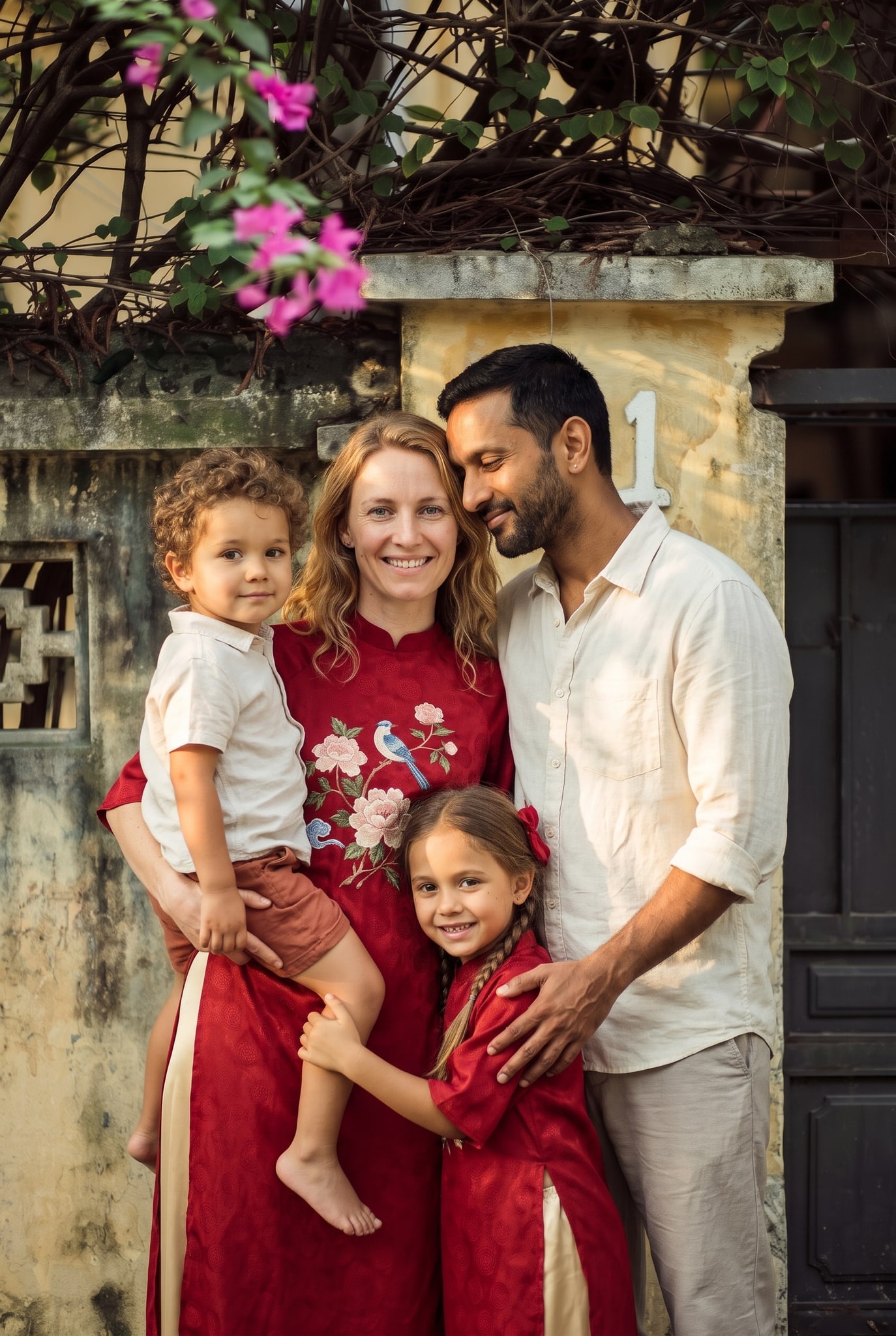
In a full ceremony recreation, the groom wears áo dài (usually complementary color to the bride's, often jewel-toned to match or contrast). Parents and grandparents may also wear formal áo dài or áo bà ba (grandmother's tunic). If you're doing portrait styling only, the groom's formal wear depends on your preference—some couples choose matching traditional (both in áo dài), others opt for groom in Western suit with bride in áo dài for visual contrast. Children in a family shoot wearing coordinating áo dài (scaled-down versions with the same color palette) add cultural cohesion without feeling overstyled. We advise against full family in traditional dress if you also want candid group laughter and movement—heavier fabrics restrict comfort. A hybrid approach (bride and groom formal, siblings and parents in smart casual or light traditional pieces) often photographs more naturally. When you're planning a family photoshoot package that includes traditional elements, let us know the group size and your vision early so we can time outfit changes and location transitions realistically.
How much shooting time do traditional elements actually need?
Portrait-only styling (áo dài, flowers, jewelry, no ceremony): 60–90 minutes covers 3–4 locations comfortably with wardrobe stability. Full ceremony recreation (tea service, kneeling, gift exchange, multiple angles, setup and breakdown): 2.5–3.5 hours including prep, execution and recovery. Hybrid (portraits + one tea ceremony moment without full kneeling ritual): 90–120 minutes. Our studio time estimates are conservative because Da Lat mist often requires location scouts between shoots—we may spend 10 minutes walking between the garden entrance and the pagoda terrace if fog thickens. If you book exactly the time needed and weather shifts, you're squeezed. We recommend adding 30 minutes buffer time, which our team uses for light adjustments, outfit touch-ups, or extended sessions at your favorite location. This buffer is built into most áo dài photoshoot package tiers; verify with us during WhatsApp consultation if you're considering a minimal time slot.
FAQ
Can we rent áo dài locally in Da Lat or should we bring ours from Hanoi?
Both work. Local Da Lat rental shops (around Đường 3 Tháng 2 and Nguyễn Cù Hạo) offer quick turnaround and fitting; Hanoi rentals offer wider color ranges but require 3–5 days transit. If you're arriving within 48 hours, rent locally. If you have a week or more, shipping from Hanoi gives you more choices and time for alterations.
Do we need to hire professional stylists or can your photographers dress us on the day?
Our photographers can advise on traditional styling basics, but professional stylists (available through makeup and hair at your hotel) ensure áo dài fit, fabric arrangement, and jewelry coordination photograph flawlessly. Styling adds 30–45 minutes but prevents on-site mishaps like wrinkled seams or uneven draping that require reshooting.
What if it rains heavily during our ceremony recreation—do we reschedule?
Light mist and drizzle are normal in Da Lat and often photograph beautifully. Heavy rain (≥5 mm/hour) usually prompts us to pause, dry fabrics, and move to a covered backup location (pagoda, villa interior, market arcade). You don't lose the shoot; we adapt. Rescheduling is only offered if the couple prefers clear skies—check your package terms for weather rebooking options.
How many flowers should we carry—fresh ones wilt quickly, right?
A hand-held bouquet (20–30 stems of orchids and lilies) lasts 90–120 minutes in Da Lat's cool air if kept hydrated beforehand. We bring a spray bottle and swap in fresh blooms at location transitions. For ceremonies lasting 3+ hours, prep two bouquets and refresh halfway through.
Should we buy or rent traditional jewelry and accessories?
Rental (via local shops or your áo dài vendor) is practical for one-time use; buying makes sense if you have future Vietnamese events or weddings. Most couples rent locally—this keeps luggage light and ensures pieces match their áo dài color. Confirm rental return policies (usually within 24–48 hours) to avoid surprise fees.
Are there dress codes or respect rules we should know about wearing áo dài in temples or pagodas?
Áo dài is always respectful in Vietnamese spiritual spaces. Avoid pointing feet at altars, remove shoes if instructed by monks or caretakers, and keep poses dignified near shrines. Most Da Lat pagodas welcome formal photoshoots; mention your plans when scouting locations or confirm permissions via our team during booking.
Ao Dai Photoshoot
Inclusions, prices and booking are on our booking site.
FAQ
Can we rent áo dài locally in Da Lat or should we bring ours from Hanoi?
Both work. Local Da Lat rental shops (around Đường 3 Tháng 2 and Nguyễn Cù Hạo) offer quick turnaround and fitting; Hanoi rentals offer wider color ranges but require 3–5 days transit. If you're arriving within 48 hours, rent locally. If you have a week or more, shipping from Hanoi gives you more choices and time for alterations.
Do we need to hire professional stylists or can your photographers dress us on the day?
Our photographers can advise on traditional styling basics, but professional stylists (available through [makeup and hair at your hotel](/go/makeup-and-hair)) ensure áo dài fit, fabric arrangement, and jewelry coordination photograph flawlessly. Styling adds 30–45 minutes but prevents on-site mishaps like wrinkled seams or uneven draping that require reshooting.
What if it rains heavily during our ceremony recreation—do we reschedule?
Light mist and drizzle are normal in Da Lat and often photograph beautifully. Heavy rain (≥5 mm/hour) usually prompts us to pause, dry fabrics, and move to a covered backup location (pagoda, villa interior, market arcade). You don't lose the shoot; we adapt. Rescheduling is only offered if the couple prefers clear skies—check your package terms for weather rebooking options.
How many flowers should we carry—fresh ones wilt quickly, right?
A hand-held bouquet (20–30 stems of orchids and lilies) lasts 90–120 minutes in Da Lat's cool air if kept hydrated beforehand. We bring a spray bottle and swap in fresh blooms at location transitions. For ceremonies lasting 3+ hours, prep two bouquets and refresh halfway through.
Should we buy or rent traditional jewelry and accessories?
Rental (via local shops or your áo dài vendor) is practical for one-time use; buying makes sense if you have future Vietnamese events or weddings. Most couples rent locally—this keeps luggage light and ensures pieces match their áo dài color. Confirm rental return policies (usually within 24–48 hours) to avoid surprise fees.
Are there dress codes or respect rules we should know about wearing áo dài in temples or pagodas?
Áo dài is always respectful in Vietnamese spiritual spaces. Avoid pointing feet at altars, remove shoes if instructed by monks or caretakers, and keep poses dignified near shrines. Most Da Lat pagodas welcome formal photoshoots; mention your plans when scouting locations or confirm permissions via our team during booking.
More from the team
Ao Dai Photos at Hoi An Lantern Street at Night
Hoi An Lantern Street (Nguyen Hoan) glows at dusk with silk lanterns and reflected light. Our team shoots ao dai here after dark, navigates tight vendor spaces, and handles the low-light challenge with experience from 100+ night sessions.
Ao dai for wedding photos in Quy Nhon: renting, fitting and styling
Quy Nhon's coastal backdrops pair beautifully with traditional ao dai. We walk through rental choices, fitting logistics and how our team coordinates styling on shoot day.
Vietnam Pre-Wedding Photoshoot: What We Book at Cáo Studio
Pre-wedding shoots in Vietnam mean morning light in Hoi An's Old Town, cyclos in Saigon, or terraced fields near Ninh Binh. We walk you through what a session actually costs, how we schedule it, and what goes wrong on the day.