 Cáo Studio
Home › Blog › Ao Dai Photoshoot
Traditional Vietnamese wedding elements for Sapa photos
By the Cáo Studio team · Hanoi & Saigon · 2026-11-01
Sapa weddings need elements that survive humidity, wind and altitude—áo dài in silk or cotton blends, gold or silver jewelry that catches diffused mountain light, and props like betel leaf trays or embroidered shawls that honor H'mong craft. A typical Cáo Studio Sapa session lasts 4–6 hours; we arrange styling on-site and advise which heirloom pieces travel safely. Budget relies on whether you hire a stylist, rent or bring your own áo dài, and how many outfit changes you want. Avoid heavy velvet or layered pieces in humidity—they cling to skin and distort on film. We work with guests weeks ahead to source rentals or coordinate shipping if you're bringing family pieces. Chat with us on WhatsApp | See packages and prices on vietnamphotoshoot.com
Sapa's thin air and rolling fog create a dreamlike backdrop for wedding photos, but the mountain climate tests every element you bring. Over five years of mountain shoots, our team has learned which áo dài fabrics hold their shape, which jewelry doesn't tarnish in mist, and which heirloom pieces survive the 1,600-meter altitude without damage. We'll walk you through the decisions we make—and the mistakes we've corrected in real time—so your Sapa wedding captures both beauty and cultural authenticity.
What áo dài fabric actually performs in Sapa's humidity?
The choice between silk, cotton-blend and traditional ramie changes how your áo dài moves on camera. In Sapa's fog, silk absorbs moisture and clings; by hour three of a shoot, we've seen the skirt lose its drape. Cotton-silk blends (65% cotton, 35% silk, based on our rental suppliers' stock) resist clinging and dry faster if mist dampens the hem. Ramie, woven by H'mong artisans in the region, breathes naturally and photographs with deeper texture, though it wrinkles if packed tight. Our stylists recommend bringing two áo dài—one silk for close-ups in shelter, one blend or ramie for motion and outdoor scenes. Avoid heavy brocade; the weight and dense embroidery trap moisture, and metallic threads tarnish in the damp. If you're renting from Hanoi, confirm fiber content with the shop 10 days before travel and request a trial fitting.
Book your mountain wedding shoot — we'll coordinate fittings and fabric care.
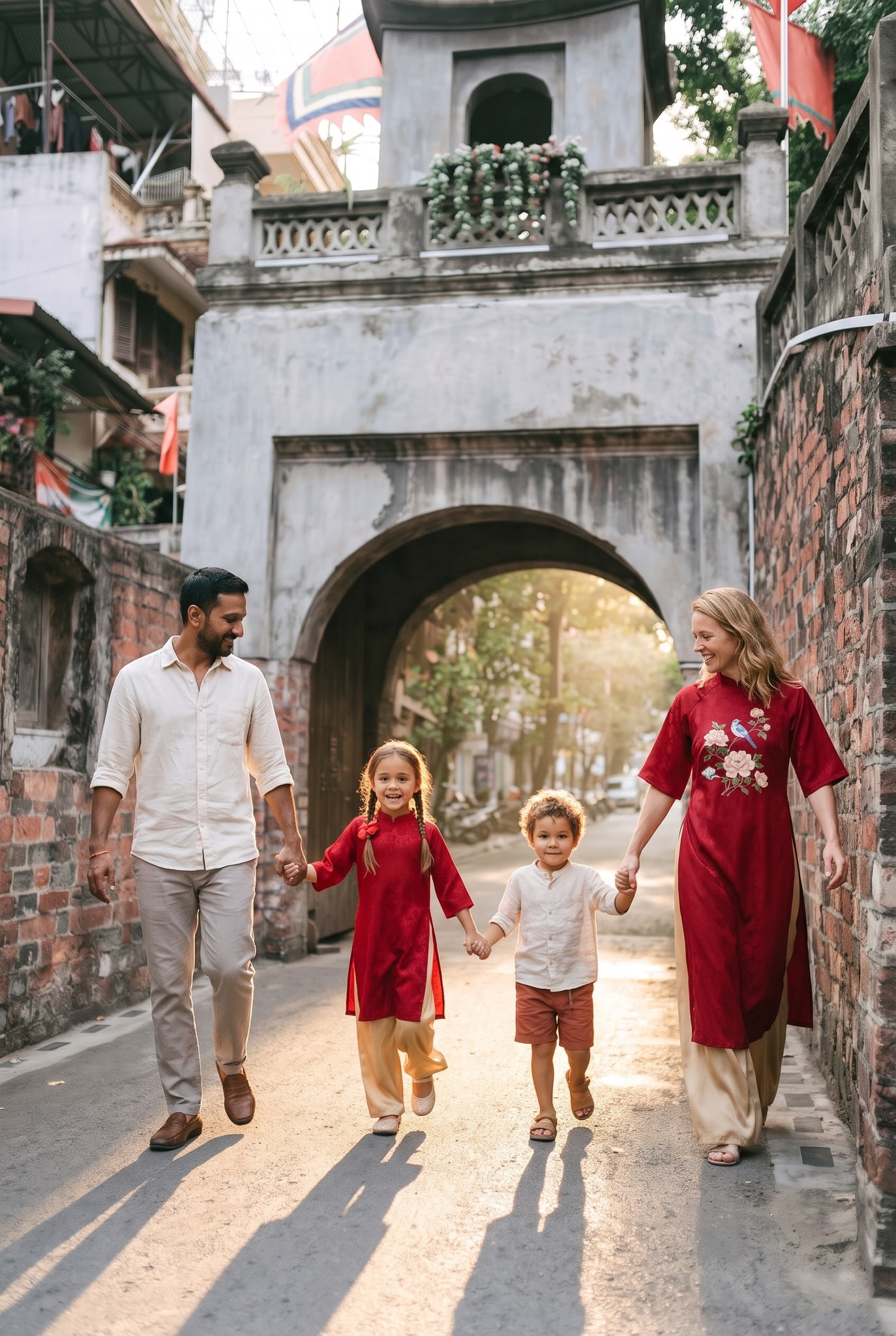
Which jewelry reads well against Sapa's grey-white backdrop?
Sapa's overcast light flattens colors; jewelry must contrast sharply or glow. We've noticed gold catches diffused light better than silver on cloudy days—silver risks blending into the mist. Heirloom gold earrings, a thick gold bracelet, and a pendant with gemstone (jade, ruby or garnet) create visual layers without glare. Silver works beautifully only in close-ups with flash, or if pieces are chunky (bold cuff bracelets, statement rings). Avoid tiny delicate chains; the camera won't register them in wide mountain shots. Beaded jewelry woven by H'mong women—using glass or brass beads on silk thread—adds cultural resonance and photographs with warm texture. If you own family jewelry, ship it to us via tracked mail 3 weeks ahead; we'll photograph test shots in Sapa light before your session. Never pack heirlooms in checked luggage; carry them in your carry-on and bring duplicates for backup.
Should you rent a traditional áo dài or bring your own?
This decision hinges on fit, travel risk and your connection to the garment. Renting an áo dài in Hanoi from a specialist tailor costs less than shipping your own and eliminates baggage worry—we partner with suppliers who deliver to our Hanoi studio within 48 hours. Bringing your own áo dài (especially family pieces) adds emotional weight to photos but requires careful packing: use acid-free tissue, a rigid garment bag, and never fold the skirt. If you're flying from abroad, factor in 2–3 extra days to arrange fittings after arrival. Our stylists can adjust rental pieces on-site (hems, sleeve tightness) using a portable kit. For couples, we often recommend one rented piece and one brought from home—this balances cost and meaning. Ask us for a quote on WhatsApp if you want us to source rentals on your behalf; we'll handle the logistics while you focus on the vision.
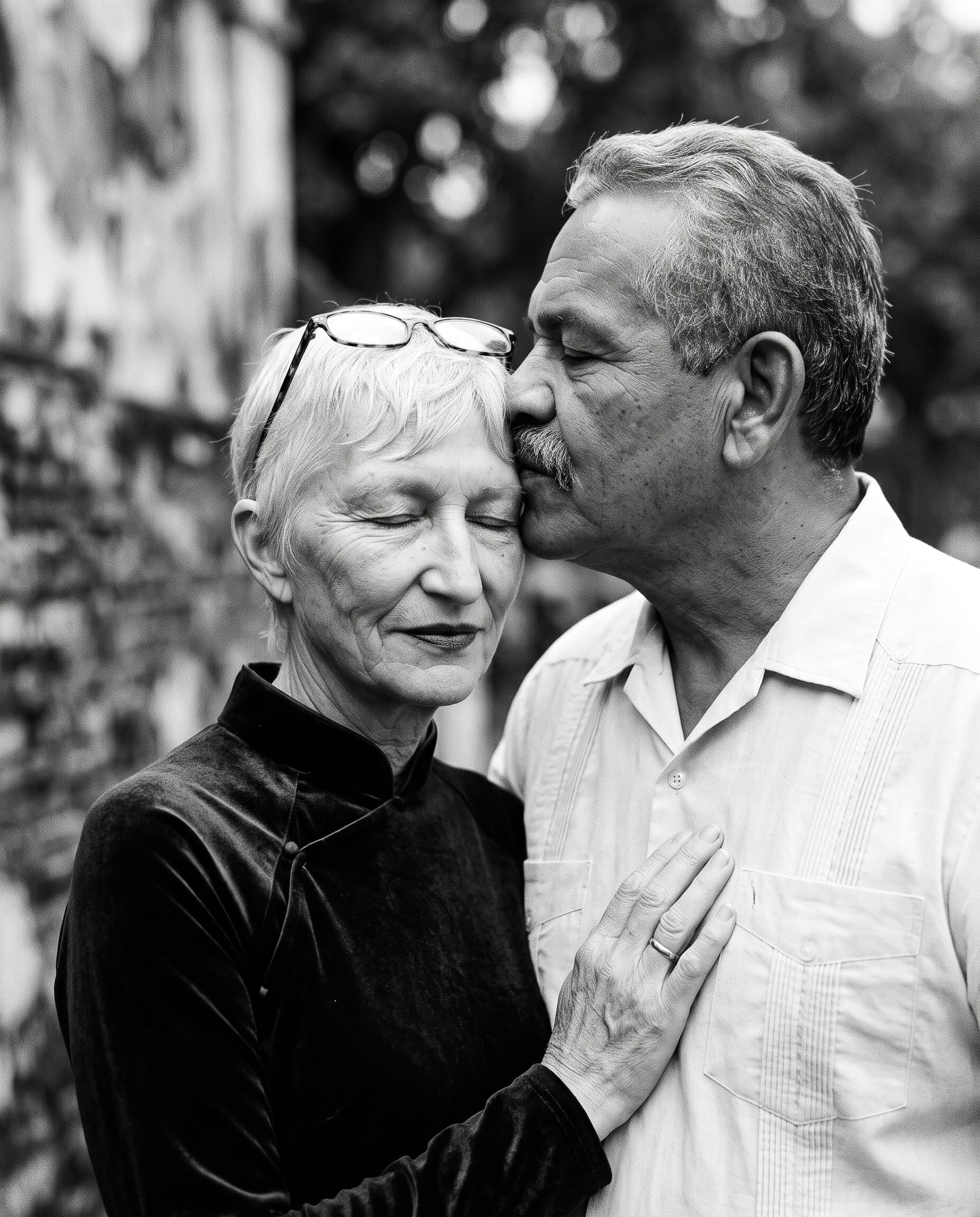
What traditional props actually enhance Sapa photos without looking staged?
Props anchor your couple's story and honor the mountain's cultural heritage. A betel leaf tray (mâm trầu) displayed on a rock is a quiet nod to Vietnamese tradition; it's lightweight, portable, and photographs as a warm human detail rather than a prop. Embroidered shawls or scarves woven by H'mong communities wrap around the couple's shoulders during golden-hour moments—this adds warmth and tells a craft story. Woven baskets, historically used to carry goods on Sapa trails, sit naturally in wide shots without feeling forced. Avoid plastic or mass-produced "wedding prop" items; they read as artificial against authentic mountain terrain. We've seen couples bring vintage bamboo containers, incense burners, or ceramic pieces from family—these work beautifully if they're tactile and have real patina. The strongest prop choice is often no prop at all; let the landscape breathe. If you're sourcing pieces locally, buy from H'mong artisans in Sa Pa town itself rather than tourist shops—the work is finer, the stories are true, and your money supports the community.
How do you coordinate multiple outfit changes in a full-day mountain shoot?
Most full-day Sapa wedding shoots include two or three outfit changes; each one requires a shift in mood and location. We build the schedule around light: áo dài top (often the ornate or symbolic piece) in overcast morning light near the homestay or village paths; áo dài #2 in afternoon mist around 2 p.m. when fog is thickest; áo dài #3 (lighter, simpler) in late-golden hour if visibility clears. Between changes, guests rest indoors for 15 minutes while we scout the next location and our makeup artist refreshes hair and face. This means packing changes takes 20–30 minutes total, not the hour many couples expect—we pre-stage pieces at each location or keep them in a rolling bag. Humidity means makeup touch-ups happen more often; our team applies setting spray that works in mountain damp. Bring a light robe or cardigan to wear between shoots (not the áo dài). Have snacks and water on hand; altitude can trigger fatigue by hour five. If you're traveling with an elderly relative or child in photos, schedule rest breaks every 90 minutes and shorten the total shoot to 4 hours rather than 6.
What to check before you book your Sapa wedding shoot
| Consideration | Who this matters for | What to verify | Why it changes your shoot |
|---|---|---|---|
| Áo dài fit and fiber | All couples | Arrive 10 days early for rentals; confirm cotton-blend or ramie, not silk | Ill-fitting or wrong fabric derails photos and mood |
| Jewelry heirlooms | Couples with family pieces | Ship 3 weeks ahead or carry on-plane; bring duplicates | Tarnish, loss or stress about damage ruins the day |
| Altitude tolerance | Couples 35+ or with health concerns | Walk 30 minutes uphill before booking; rest days beforehand | Fatigue shows on faces; shorter shoots work better |
| Weather backup | All guests in Sapa | Confirm studio has indoor shoots or rescheduling clause | Fog is beautiful but total whiteout happens 1–2 days/month |
| Local guides or transportation | International couples | Ask us to arrange guides; confirm van fits outfit gear | Mountain paths are steep; wrong shoes or help create stress |
Chat with our team about your Sapa vision — we'll plan the clothing and timing together.
Our stylists and photographers have shot over 150 weddings in Sapa since 2021. We've learned that the most powerful photos balance beauty with restraint: one stunning áo dài, jewelry that catches light, and space for the landscape to speak. Avoid the urge to pack every heirloom or coordinate every detail with a boutique planner; the mountain's mood changes hourly, and flexibility on the day matters more than perfection on paper. If you're bringing pieces from overseas, ship them early and trust our team to style and protect them. If you're sourcing locally, lean into H'mong artisans and traditional makers—their work photographs better and tells a truer story than imported props.
See packages and prices on vietnamphotoshoot.com — check our Sapa and mountain options.
We also run couple photoshoots in Hanoi, Saigon and Hoi An if you want to mix urban and rural backdrops. And if makeup and styling feel overwhelming, our makeup and hair team can meet you at your Sapa hotel the morning of the shoot—no studio visit needed.
FAQ
How far in advance should we book a Sapa wedding shoot?
Book 8–12 weeks ahead. This gives us time to source or arrange rental áo dài, coordinate with our Sapa guides, and build a weather backup plan. International couples should add another 2–3 weeks for visa and travel prep.
Can we use a family heirloom áo dài from overseas?
Yes. Ship it to us 3 weeks before your shoot in a rigid garment bag via tracked mail. We'll store it carefully, test the fit, and handle all styling. Bring a photo of it now so we can plan photography angles around embroidery or details.
What if Sapa has heavy fog the day of our shoot?
Heavy fog creates moody, intimate photos—many couples love this. If visibility drops below 20 meters, we offer a full reschedule or an indoor/homestay session. We confirm weather 5 days before and finalize a backup plan with you.
Should we hire a local H'mong guide for cultural authenticity?
Yes, if you want photos in homestays or village paths. Guides share stories while we shoot, and their presence ensures respect toward locals. We arrange this as part of the package; ask us for details when you book.
Can we bring children or elders to Sapa photos?
Absolutely. Brief them on the 1,600-meter altitude and steep paths beforehand. Plan shorter shoots (4 hours, not 6) and schedule rest breaks every 90 minutes. We slow the pace and build in indoor time for their comfort.
Ao Dai Photoshoot
Inclusions, prices and booking are on our booking site.
FAQ
How far in advance should we book a Sapa wedding shoot?
Book 8–12 weeks ahead. This gives us time to source or arrange rental áo dài, coordinate with our Sapa guides, and build a weather backup plan. International couples should add another 2–3 weeks for visa and travel prep.
Can we use a family heirloom áo dài from overseas?
Yes. Ship it to us 3 weeks before your shoot in a rigid garment bag via tracked mail. We'll store it carefully, test the fit, and handle all styling. Bring a photo of it now so we can plan photography angles around embroidery or details.
What if Sapa has heavy fog the day of our shoot?
Heavy fog creates moody, intimate photos—many couples love this. If visibility drops below 20 meters, we offer a full reschedule or an indoor/homestay session. We confirm weather 5 days before and finalize a backup plan with you.
Should we hire a local H'mong guide for cultural authenticity?
Yes, if you want photos in homestays or village paths. Guides share stories while we shoot, and their presence ensures respect toward locals. We arrange this as part of the package; ask us for details when you book.
Can we bring children or elders to Sapa photos?
Absolutely. Brief them on the 1,600-meter altitude and steep paths beforehand. Plan shorter shoots (4 hours, not 6) and schedule rest breaks every 90 minutes. We slow the pace and build in indoor time for their comfort.
More from the team
Ao Dai Photos at Hoi An Lantern Street at Night
Hoi An Lantern Street (Nguyen Hoan) glows at dusk with silk lanterns and reflected light. Our team shoots ao dai here after dark, navigates tight vendor spaces, and handles the low-light challenge with experience from 100+ night sessions.
Ao dai for wedding photos in Quy Nhon: renting, fitting and styling
Quy Nhon's coastal backdrops pair beautifully with traditional ao dai. We walk through rental choices, fitting logistics and how our team coordinates styling on shoot day.
Vietnam Pre-Wedding Photoshoot: What We Book at Cáo Studio
Pre-wedding shoots in Vietnam mean morning light in Hoi An's Old Town, cyclos in Saigon, or terraced fields near Ninh Binh. We walk you through what a session actually costs, how we schedule it, and what goes wrong on the day.