 Cáo Studio
Home › Blog › Pre-Wedding & Elopement
Vietnam vs Thailand vs Bali for pre-wedding photos: Our studio's honest comparison
By the Cáo Studio team · Hanoi & Saigon · 2026-11-04
Vietnam (Hanoi, Saigon, Hoi An, Ninh Binh), Thailand (Chiang Mai, Phuket, Bangkok) and Bali each suit different couple priorities. Vietnam offers French colonial architecture, rice terraces and lower logistical friction if you're already travelling here; Bali delivers consistent beach light and lush jungle backdrops; Thailand bridges both with temple iconography and varied terrain. Pre-wedding shoots typically run 4–8 hours across 2–3 locations. Weather matters: Vietnam's best windows are September–October and March–April; Bali and Thailand favour May–August to avoid monsoon. Costs vary by team size, location access and styling. Cáo Studio shoots across Vietnam and can advise on timing, permits and day-of logistics—ask us for a quote on WhatsApp to compare what each region demands from your schedule and budget. Chat with us on WhatsApp
Why do pre-wedding couples choose Vietnam over Thailand or Bali?
Vietnam wins when authenticity and accessibility align. You avoid crowded temple queues (Bali), over-styled resort backdrops (Thailand), and time zone friction if your team is local or nearby. Hoi An's yellow lantern streets photograph like a period film; Ninh Binh's karst limestone and rice paddies rival Bali's landscape drama without the tourist footprint at dawn. Hanoi's French colonial villas and lake reflections suit couples who want urban elegance. Thailand's temple permits require advance paperwork; Bali's beaches book months ahead in peak season. We've noticed Vietnam's wet seasons (May–August) clear faster than Thailand's sustained monsoons, meaning shorter location-scouting delays on shoot day.
Conclusion: Vietnam suits couples prioritizing unique urban-to-rural range and simpler logistics within Southeast Asia.
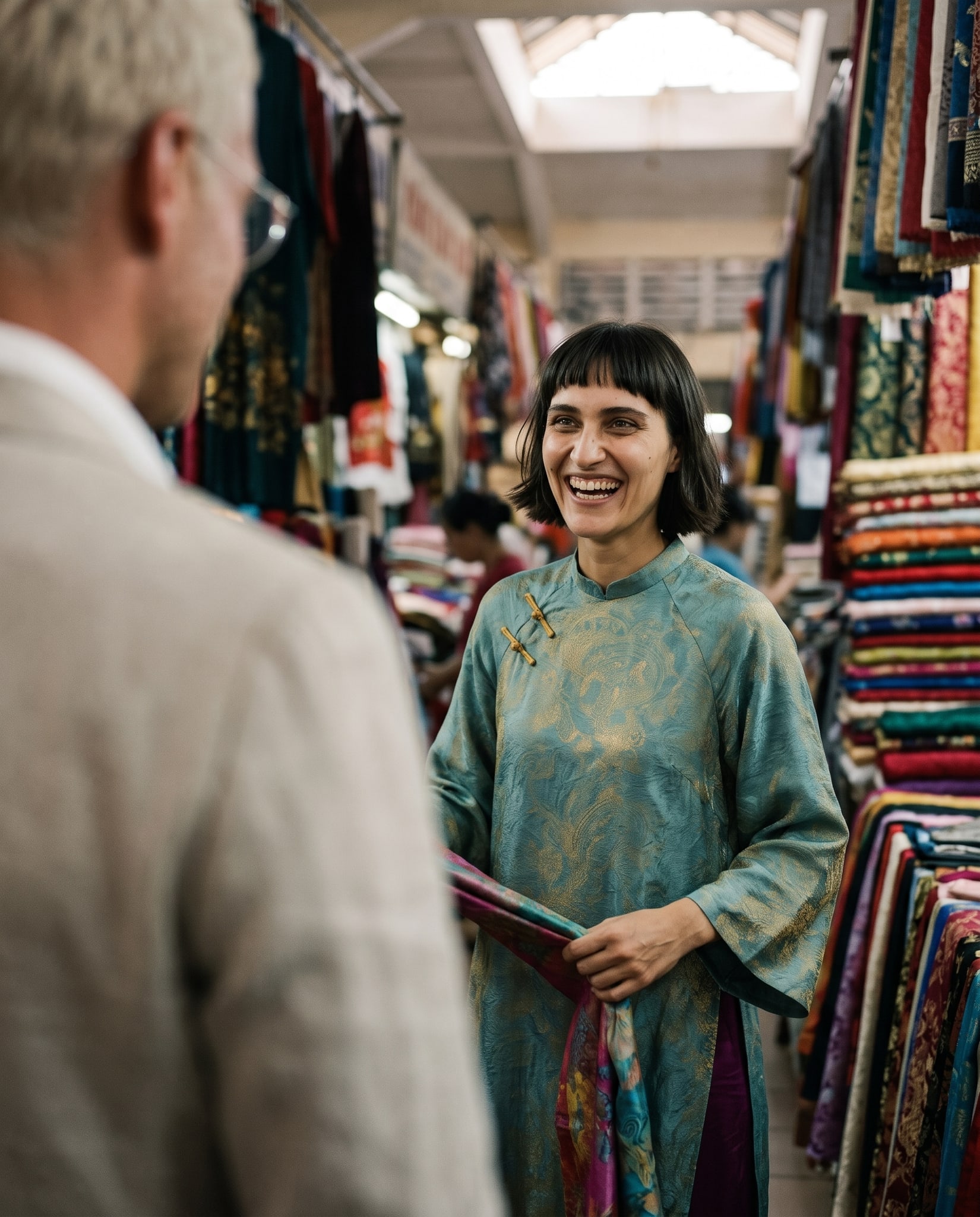
What makes Thailand and Bali different as pre-wedding backdrops?
Thailand excels at spiritual and architectural drama: Chiang Mai's golden temples photograph in golden hour without crowds if you start before 7 a.m. Phuket's limestone cliffs and sunset angles are harder to replicate elsewhere. Cost-wise, Thailand's team rates and accommodation sit between Vietnam's affordability and Bali's resort prices. Bali, conversely, specializes in consistent light (the island's equatorial position means similar sun angles year-round) and water features—waterfalls, rice terraces that mirror the sky, volcanic backdrops. Bali's rainy season (November–March) compresses your shooting window. We've observed that Thailand demands more mobility (temple hopping across Chiang Mai takes time); Bali's beauty clusters near your resort, reducing travel friction but increasing competition for the same frames.
Conclusion: Thailand suits couples wanting temple majesty; Bali works for couples who value ease and water-centric aesthetics.
How do weather windows affect when to shoot in each location?
This is non-negotiable. Vietnam's monsoon (May–August) brings humidity, gray skies and occasional downpours that kill golden hour; book March–April or September–November for reliable light. Thailand's dry season (November–February) is safest; May–October brings sustained rain, especially in coastal areas like Phuket. Bali's wet season (December–March) is unpredictable—we've had couples lose full afternoons to sudden storms. However, Bali's "green season" (April–October) keeps landscapes lush at the cost of occasional afternoon cloudbursts. Our team plans backup indoor locations (colonial buildings in Vietnam, temple interiors in Thailand) but losing golden hour always costs something: you'll either reshoot, shift to evening light, or accept softer, less-dramatic frames. We brief couples on WhatsApp about the real risk window two months before their shoot date.
Conclusion: Book Vietnam September–November, Thailand November–February, Bali May–October to maximize light consistency.
What logistical differences should couples expect on shoot day?
Vietnam: Road access is excellent in Hanoi and Saigon; Hoi An and Ninh Binh require 3–4 hours from major cities but are one-location shoots, so you're not moving between sites. Permits for temples and heritage sites exist but are informal—we handle coordination. Thailand: Temple shoots need advance permission (4–8 weeks); Chiang Mai's Old City is pedestrian-only, meaning equipment must be carried or moved by hand. Bali: Beach access requires local guides at some spots (protection of dune ecosystems); resorts control sunrise slots—you must confirm availability before booking. On shoot day, we've found Vietnam's smaller team footprint (fewer locals watching, less disruption) speeds location changes. Thailand requires more coordination with temple staff. Bali's consistency cuts back-and-forth travel but sometimes feels rushed if your couple is non-decisive about poses.
Conclusion: Vietnam offers speed and autonomy; Thailand demands advance permits; Bali trades accessibility for light predictability.
How do costs and team structure differ across the three regions?
This varies wildly by team quality and scope. We can't speak to Thailand or Bali's exact rates, but Vietnam's structure (ours included) typically bundles photographer, assistant, basic styling and 1–2 location scouts. Thailand's international operators charge premium rates for temple access and English-language coordination. Bali's resort-based teams often bundle accommodation and location access, inflating headline costs. Hidden costs we've seen: Thailand's permit fees (sometimes undisclosed upfront); Bali's "guide fees" at waterfalls (often 2–3x what you'd expect); Vietnam's variable humidity management (we bring extra styling touch-ups, which is factored in). Ask any team—don't assume pricing is comparable. We offer quotes via WhatsApp based on your dates, couple needs and location count; ask for a detailed breakdown of what's included.
Conclusion: Vietnam typically offers transparency; confirm Thailand's permits and Bali's guide fees before committing.
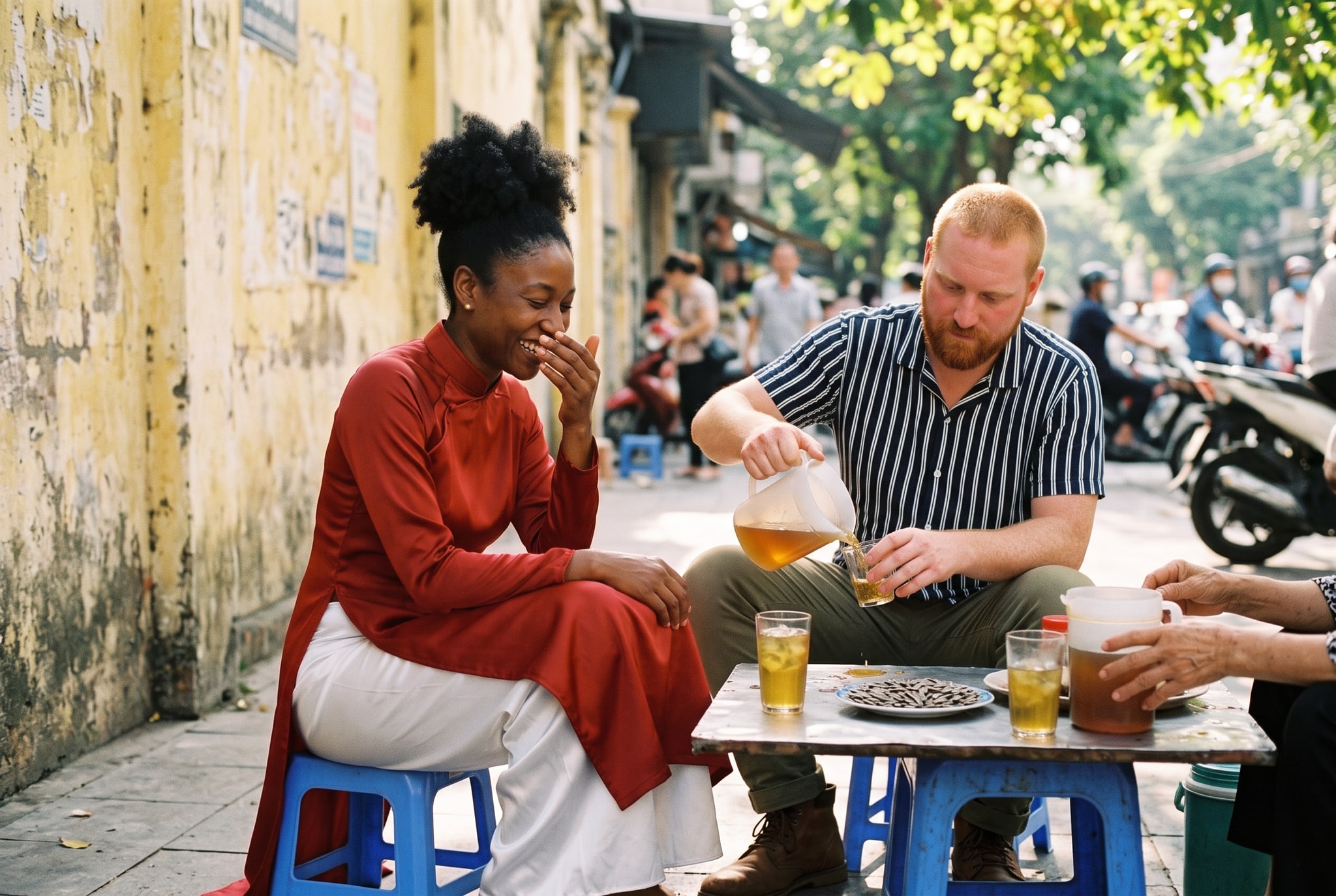
Comparison: Vietnam vs Thailand vs Bali for pre-wedding shoots
| Factor | Vietnam | Thailand | Bali |
|---|---|---|---|
| Best seasons | Sep–Nov, Mar–Apr | Nov–Feb | May–Oct |
| Iconic backdrops | Hoi An, Ninh Binh, Hanoi lakes | Golden temples, limestone cliffs | Rice terraces, waterfalls, beaches |
| Permit complexity | Informal | Advance permits required (4–8 weeks) | Guide fees, resort coordination |
| Team logistics | Small, autonomous | Larger, temple-coordinated | Resort-based, light-consistent |
| Light predictability | Variable by season | Dry season reliable | Equatorial (year-round similar) |
| Cost transparency | Clear, no hidden fees | Permits often added later | Resort bundling, guide surprises |
| Reshoot risk | Monsoon or humidity | Monsoon, unexpected closures | Afternoon showers, tight windows |
What our team actually decides on location day
We arrive two hours before the shoot to walk the final route, check light angles and confirm permission with gatekeepers. In Vietnam, this almost never surfaces last-minute snags—we've never been turned away from a public temple or villa. In conversations with colleagues shooting in Thailand, they've described permission surprises (a temple closed for ceremony, or a guide insisting on cash upfront). With couples shooting in Bali, the most common friction we hear about is golden-hour timing: equatorial sun rises and sets fast, compressing your usable window. We frame our Vietnam shoots with a 6–8 hour flexibility buffer; we brief Thailand-bound couples to expect 4–5 usable hours if permits require early-morning access. Bali couples we advise to choose two tight time slots (sunrise and sunset) rather than hoping for a long mid-day window.
What to check before you book
- Confirm the photographer's portfolio in that location. Backdrops repeat; what matters is how they light people and manage dynamic conditions.
- Ask about the permit timeline. If it's Thailand and you're shooting temples, confirm paperwork is submitted 6 weeks ahead, not promised.
- Specify what's included. Styling, hair, makeup, transportation, location scouts—ask for a written breakdown. Don't assume.
- Check the weather window. Book outside monsoon. Ask the team what their backup plan is if you lose golden hour.
- Test communication early. Reach out on WhatsApp 8 weeks before your shoot. Responsive teams are worth the wait.
Explore pre-wedding packages on our booking site
When to book a pre-wedding photoshoot with Cáo Studio
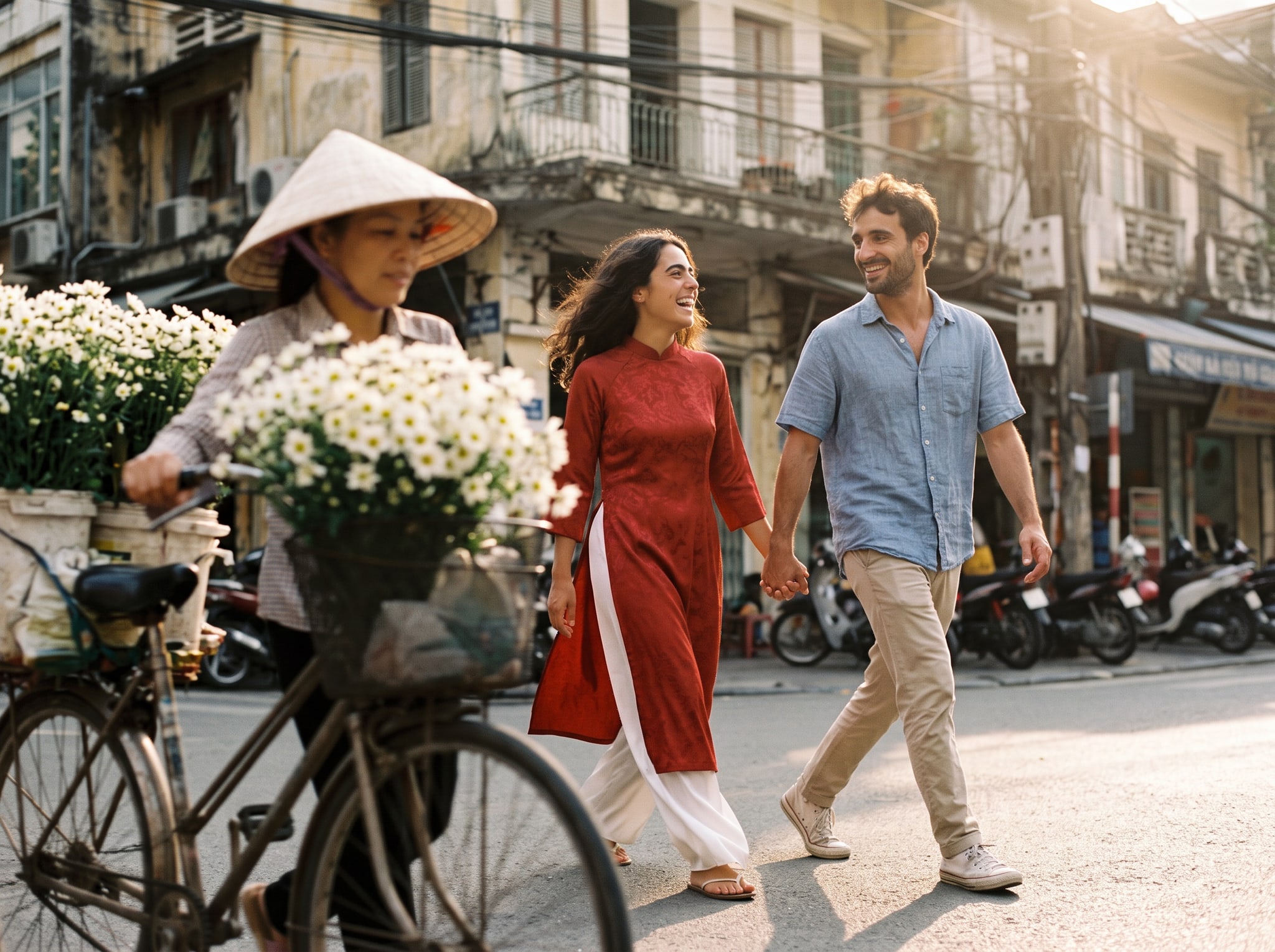
If you're already in Vietnam or flying in from abroad, we can photograph you across Hanoi, Saigon, Hoi An or Ninh Binh. We know the golden-hour windows, the permit workflows and which backdrops photograph best in each season. We also run couple photoshoots for engagements and anniversaries, and we coordinate makeup and hair at your hotel so you're ready before we move to locations. If you want traditional áo dài styling, our áo dài photoshoot pairs cultural dress with iconic Vietnam backdrops.
Ask us for a quote on WhatsApp—mention your dates, couple priorities and whether you're open to multiple locations or prefer a single-location deep shoot. We'll advise honestly on what's realistic for your timeline and send you a breakdown.
FAQ
Is Vietnam cheaper than Thailand or Bali for pre-wedding shoots?
Generally, yes—Vietnam's local team rates and accommodation are lower. But cost depends on team reputation, location count and styling complexity. Ask for a detailed quote; don't assume pricing scales by country. We're transparent on WhatsApp; ask us to compare.
What's the best month to shoot in all three regions at once?
No single month suits all three equally. September–November overlaps Vietnam's and Bali's windows; Thailand peaks November–February. If you're splitting travel, plan Vietnam and Bali back-to-back (Sep–Nov), not Thailand-first.
Do I need a local guide in each country?
Vietnam: rarely essential. Thailand: yes, especially for temples. Bali: yes, for waterfall and dune access. We handle Vietnam; ask Thailand and Bali teams upfront what's bundled.
How much time do I lose to travel between locations on shoot day?
Vietnam: 20–40 minutes per location change in Hanoi/Saigon, longer in Hoi An/Ninh Binh (but usually one location). Thailand: 30–60 minutes depending on temple traffic. Bali: 15–30 minutes within resort zones. Plan for this; it cuts into shooting time.
What happens if it rains during my pre-wedding shoot?
Vietnam: light rain often clears; we reshoot or pivot to indoor backdrops (villas, cafés). Monsoon downpours mean rescheduling. Thailand: permits allow rescheduling; confirm with your team. Bali: afternoon showers are common; ask your team about their backup locations and reshoot policy upfront.
Can I do a multi-country pre-wedding shoot (Vietnam + Thailand + Bali)?
Logistically hard and expensive. Most couples choose one location. If you're split across Asia anyway, book two separate shoots in two regions rather than chasing locations; ask us about a scaled package.
Pre-Wedding & Elopement
Inclusions, prices and booking are on our booking site.
FAQ
Is Vietnam cheaper than Thailand or Bali for pre-wedding shoots?
Generally, yes—Vietnam's local team rates and accommodation are lower. But cost depends on team reputation, location count and styling complexity. Ask for a detailed quote; don't assume pricing scales by country. We're transparent on WhatsApp; ask us to compare.
What's the best month to shoot in all three regions at once?
No single month suits all three equally. September–November overlaps Vietnam's and Bali's windows; Thailand peaks November–February. If you're splitting travel, plan Vietnam and Bali back-to-back (Sep–Nov), not Thailand-first.
Do I need a local guide in each country?
Vietnam: rarely essential. Thailand: yes, especially for temples. Bali: yes, for waterfall and dune access. We handle Vietnam; ask Thailand and Bali teams upfront what's bundled.
How much time do I lose to travel between locations on shoot day?
Vietnam: 20–40 minutes per location change in Hanoi/Saigon, longer in Hoi An/Ninh Binh (but usually one location). Thailand: 30–60 minutes depending on temple traffic. Bali: 15–30 minutes within resort zones. Plan for this; it cuts into shooting time.
What happens if it rains during my pre-wedding shoot?
Vietnam: light rain often clears; we reshoot or pivot to indoor backdrops (villas, cafés). Monsoon downpours mean rescheduling. Thailand: permits allow rescheduling; confirm with your team. Bali: afternoon showers are common; ask your team about their backup locations and reshoot policy upfront.
Can I do a multi-country pre-wedding shoot (Vietnam + Thailand + Bali)?
Logistically hard and expensive. Most couples choose one location. If you're split across Asia anyway, book two separate shoots in two regions rather than chasing locations; ask us about a scaled package.
More from the team
Elopement photos at Ha Long Bay cruise: what we book on shoot day
Ha Long Bay elopements demand fast decisions: boat schedules, tides, light windows shift by the hour. We share how our team coordinates with cruise operators, what goes wrong, and the real workflow from WhatsApp to final images.
Planning a Ha Long Bay pre-wedding shoot remotely from overseas
Booking a Ha Long Bay pre-wedding shoot from abroad means planning five weeks ahead, syncing across time zones, and trusting your team on the water. Here's how we run it.
One-day pre-wedding photoshoot itinerary in Ha Long Bay
A one-day Ha Long Bay pre-wedding shoot combines limestone karsts, emerald water and tight timing. We share how our team runs it hour by hour.