 Cáo Studio
Home › Blog › Pre-Wedding & Elopement
Vietnamese Wedding Traditions for Pre-Wedding Photos
By the Cáo Studio team · Hanoi & Saigon · 2026-11-02
Vietnamese couples weave tea ceremonies, áo dài silhouettes, ancestral altars, and family blessing moments into pre-wedding shoots because these traditions speak to lineage, respect, and commitment. A tea ceremony segment typically runs 30–45 minutes on location—either at a family home, temple, or styled indoor space—and requires two outfit changes (bride and groom in áo dài, then often Western wear). Symbolic rituals like coin exchanges, candle lightings, or visits to ancestral shrines add 15–20 minutes each. We at Cáo Studio coordinate these sequences during the same shoot day: we scout locations beforehand, brief family members on the shot list, manage lighting and sound during formal moments, and capture both posed frames and candid reactions. Avoid scheduling too many traditions back-to-back without breaks; guests tire, makeup touch-ups are needed, and natural light shifts. Budget 6–8 hours for a full pre-wedding day that honors 3–4 traditions authentically.
Which Vietnamese wedding traditions translate best to photographs?
Tea ceremony (lễ trà) remains the most photographed tradition because it has natural rhythm: kneeling, hand movements, emotional family reactions, and color contrast (red cushions, golden tea, bride's áo dài). We see tears, laughter, and genuine connection in every frame. Ancestral altar visits work beautifully in warm, intimate indoor light—incense smoke, bowing gestures, and family members standing close create layers. Coin exchange and candle lighting are symbolic but quick; they need tight framing and fast shutter speed to catch the exact moment of contact. Family blessing rituals—where elders touch the couple's heads or speak wishes—photograph as quiet, powerful moments. Avoid traditions that rely on sound (long speeches) or happen in dim, uncontrolled spaces (some temple ceremonies); these strain our ability to capture clear emotion and detail.
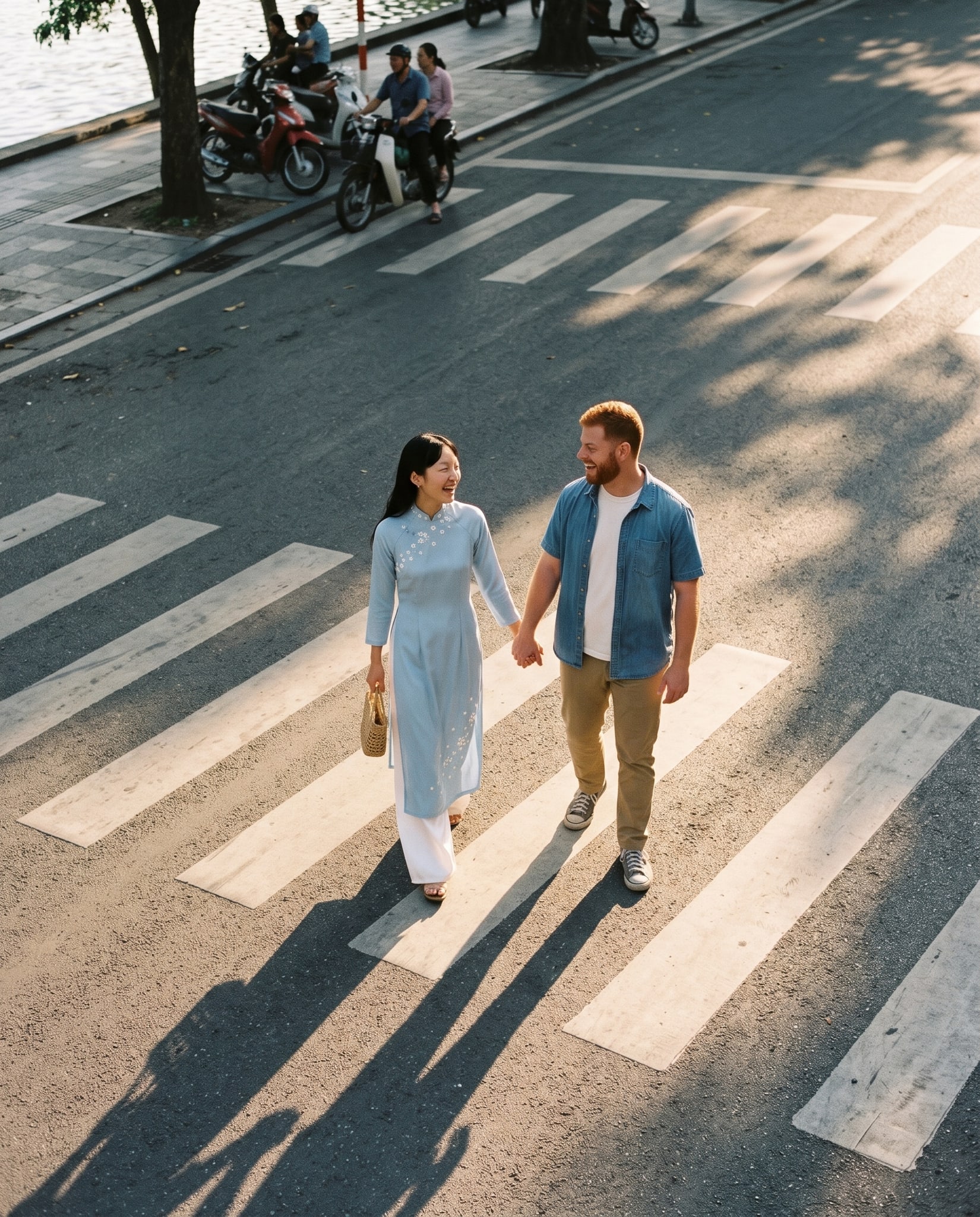
Do we need a special location, or can we use family homes?
Family homes often work better than neutral studios because they hold real memory and family presence. A traditional Vietnamese home—with wooden altars, ancestor photos, natural doorways, and personal details—tells a deeper story in every shot. We've done dozens of shoots in Hanoi's Old Quarter townhouses, Saigon family villas in District 3, and rural homes in Ninh Binh, and the authenticity always reads on camera. The trade-off: family homes have unpredictable light (small windows, mixed day and evening sessions), limited movement space for the photography team, and family members wandering in and out of frame. We scout homes 2–3 days before the shoot, identify the best window light for the tea ceremony, ask family to clear the background, and bring reflectors and small LED panels to balance shadows. If you prefer a curated setting, temple grounds in Saigon (like Jade Emperor Pagoda) or Hanoi's Tran Quoc Pagoda offer serene backdrops and permit wedding photography during quieter hours—but book permits ahead.
How do we coordinate áo dài fittings with the photo timeline?
Áo dài requires 20–30 minutes to fit properly and move naturally in; we always schedule fittings 1–2 hours before the first shot, never on-location. A bride often changes into 2–3 áo dài variations (red for tea ceremony, cream or gold for couple portraits, pastel for family shots), so we work with a tailor or rental shop to have all pieces steamed and ready. We've learned: never assume a borrowed áo dài will fit the morning of the shoot. We ask couples to confirm measurements one week ahead, pick up or have items delivered to the studio, and do a final 30-minute fitting at Cáo Studio Hanoi or Cáo Studio Saigon 1–2 days before the session. If a groom wears áo dài (less common but rising in tradition-focused shoots), he needs equal prep time. Grooms often feel awkward in the garment—we have them move and sit in it beforehand so they're relaxed by shoot day. Pro tip: ask the tailor to hand-stitch hems and seams rather than machine-stitch so the fabric drapes more fluidly under camera.
What mistakes do couples make when planning tradition-heavy pre-wedding shoots?
The biggest error: packing too many traditions into too few hours without accounting for wardrobe changes, family participation, and emotional pacing. We've arrived at homes where the couple wanted to film tea ceremony, ancestral blessing, coin exchange, candle lighting, and family portraits—all in 4 hours. By hour three, the bride's makeup needed retouch, the groom was tense, and light was fading. We now recommend one pre-wedding session focus on 2–3 core traditions, with a second "concept shoot" day for styling experiments and lighter couple portraits. Another common mistake: not communicating the shot list to family members. Aunts and uncles don't know when to stay quiet, when to move, or what emotions we're capturing, so they chat, adjust the bride's áo dài mid-moment, or stand directly behind the camera. We send a WhatsApp brief to the couple 2 days before: "During tea ceremony, family sits on three sides—no standing behind. Mom, Dad, Grandparents: you'll be asked to watch, react naturally, then we'll take a formal pose. Please wear solid colors, nothing white." Finally, couples underestimate how long traditions actually take. A tea ceremony with 4 rounds (grandparents, parents, aunts/uncles, godparents) can stretch 45 minutes; add setup, repositioning, and retakes, and you've lost half your daylight for couple portraits. Plan for 6–8 hour sessions if traditions matter more than quantity of different outfits and locations.
How do we include family without letting them disrupt the shoot?
We frame family participation as intentional: they're not extras, they're co-storytellers. Before the shoot, we ask the couple to brief close relatives on the theme—"This is a celebration of our family values, so your genuine reactions matter more than perfection." During the tea ceremony, we assign seats, explain framing (so grandparents know we're capturing their faces and hands, not their full bodies standing), and do a sound check if anyone will speak or bless aloud. We mute phone notifications, ask phones to stay in pockets during ritual moments, and position the second shooter or an assistant to gently redirect anyone who drifts into the frame. Makeup and hair support is crucial: once the bride is ready, a stylist stays nearby with powder and lip balm for quick touch-ups between segments so she's camera-ready but family isn't waiting. We've also found that giving family a role—holding a candle, arranging cushions, handing over the teapot—makes them feel involved and naturally positions them well for the lens. If the family is very large (10+ people), we schedule a dedicated family portrait block at the end, separate from intimate tradition moments, so couple and elders have quiet time for real connection.
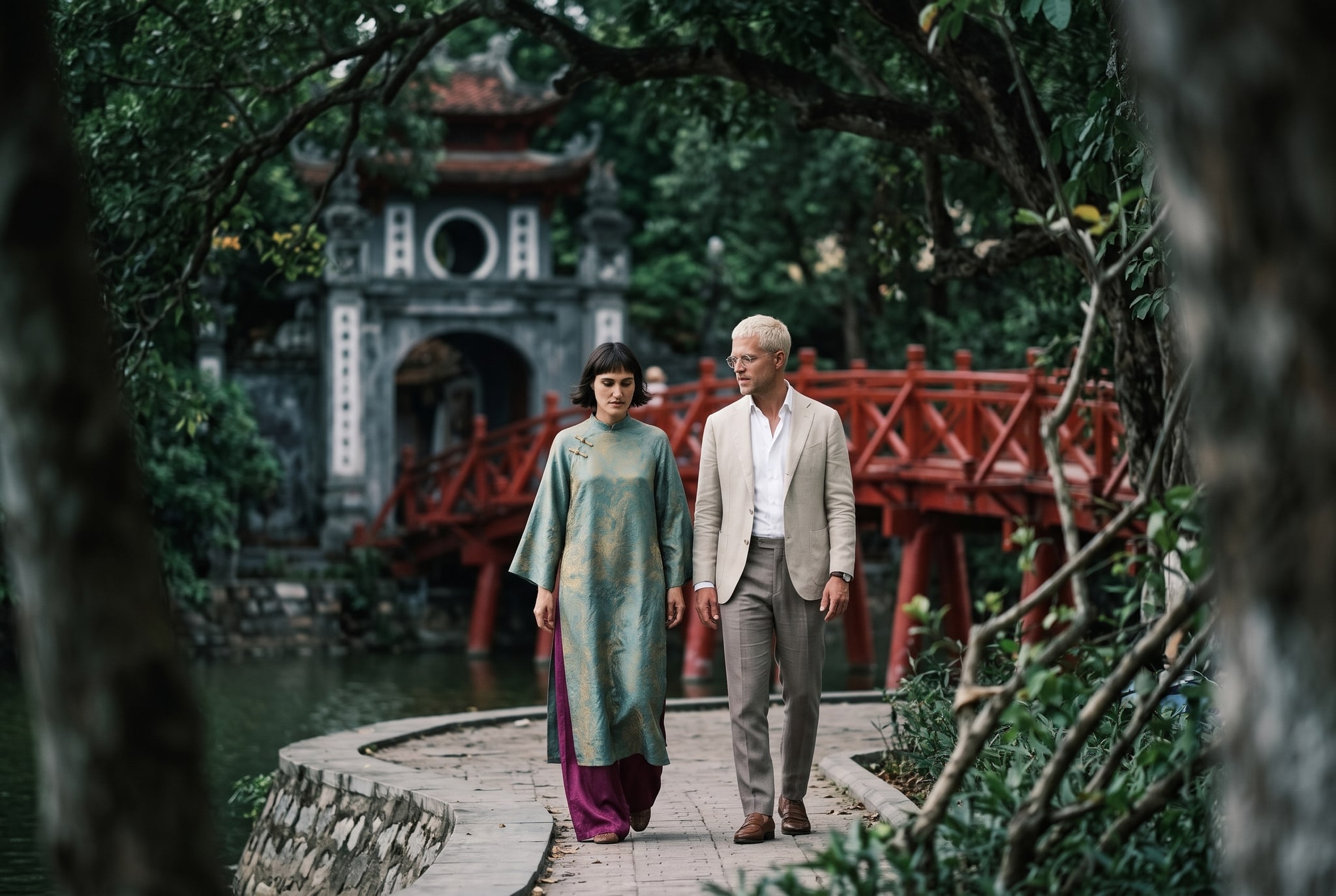
Comparison: Tradition-Focused vs. Lifestyle Pre-Wedding Approaches
| Tradition | Best For | Time per Ritual | Why It Works |
|---|---|---|---|
| Tea ceremony | Couples honoring parents, family-centered values | 30–45 min | Natural emotion, color, guest interaction |
| Ancestral altar visit | Spiritual or multi-generational families | 15–20 min | Intimate, layered lighting, quiet reverence |
| Coin or candle exchange | Symbolic gesture, intimate couple moment | 5–10 min | Quick, symbolic, works with simple framing |
| Family blessing ritual | Elders' wisdom matters; traditional households | 10–15 min | Quiet power, intergenerational bond |
| Proposal re-enactment | Couples who met abroad; English-speaking families | 20–30 min | Personal story, flexible location, no script |
| Couple + extended family portrait | Large families; multi-location shoots | 30–45 min | Formal, organized, complements traditions |
What to check before you book a tradition-focused pre-wedding session
- Family availability: Confirm grandparents, parents, and key relatives can attend the chosen date 1 week ahead; they may travel from other cities.
- Location permits and hours: If shooting at a temple, pagoda, or historic site in Hanoi, Hoi An, or Saigon, check if photography requires permits; religious sites often have quiet hours (mid-afternoon or early evening).
- Áo dài tailoring: Finalize measurements, delivery, and fitting deadlines 2 weeks ahead; budget 7–10 days for tailoring if ordering new pieces.
- Light forecast: Traditions involving family altars or incense (indoor, low light) benefit from overcast days or late-afternoon golden hour; check the weather 3 days ahead.
- Family brief: Send a one-page WhatsApp guide 2–3 days before with dress code, shot list outline, and timing so relatives come prepared and calm.
- Makeup and hair: If traditions include formal family poses with makeup, book makeup and hair services at your hotel the morning of the shoot so the team is fresh and styled.
- Second shooter: Tradition-heavy shoots benefit from two photographers—one capturing the ritual moment, one catching family reactions—so verify this is included in your package.
Real timeline: a 7-hour tradition-focused pre-wedding shoot in Hanoi
6:00 AM — Stylist and makeup artist arrive at couple's home (or hotel if using our hotel makeup and hair service). Bride's áo dài is steamed and fitted; makeup takes 60–90 minutes for bride, 30–45 for groom. Family members arrive, change into formal wear.
8:00 AM — First photographer and assistant scout the family home's lighting, arrange tea ceremony setup (cushions, tea set, chairs for guests). We identify the best window or decide to use LED fill light. Groom's hair and final touch-ups happen here.
8:30 AM — Tea ceremony begins. Bride and groom bow to grandparents, then parents, then elders. We shoot wide frames of the ritual, close-ups of hands and reactions, and detail shots (tea being poured, cousin's tears, grandmother's smile). Second photographer captures candid family reactions from another angle.
9:15 AM — Transition: 10-minute break. Bride touches up makeup, groom stretches, family disperses for water and snacks. We review the first images and adjust light or positioning if needed.
9:30 AM — Ancestral altar blessing or coin exchange ritual. Couple approaches altar together, lights incense or exchanges a token. This is quieter, more intimate; we use a single handheld camera with available light and a soft reflector. Family watches respectfully.
9:50 AM — Family blessing ritual. Grandparents or elders place their hands on couple's shoulders or heads, speak wishes (we capture on audio or use a translator if family speaks no English). This lasts 10–15 minutes.
10:10 AM — Couple portrait transition: bride changes into second áo dài or Western wear (15 min). Hair and makeup retouch (10 min). Groom removes áo dài if he wore one.
10:35 AM — Couple poses in home (on stairs, near windows, in courtyard if available). We shoot 15–20 different angles and expressions in 30–40 minutes. Assistant adjusts light and reflectors between setups.
11:15 AM — Formal family portrait. All participants in frame, organized in rows or clusters. We do 5–8 variations (bride and groom centered, standing, seated, arms linked) so family can choose. 20 minutes total.
11:35 AM — Extended session ends at home. Family thanks organized, house reset by our team.
12:00 PM — Couple and team relocate to secondary location (temple, park, or urban backdrop in Hanoi's Old Quarter) or head to lunch break (recommended if family is large and tired).
2:00 PM — Optional second location session: couple-only outdoor portraits, style change, or candid lifestyle shots in a different setting. This segment is lighter, no traditions, just romance and movement. 60–90 minutes.
3:30 PM — Shoot concludes. Couple and team debrief; we confirm delivery timeline for edited images (typically 2–4 weeks).
This timeline assumes good weather, familiar locations, and a organized family. Delays happen: family members arrive late, light shifts unexpectedly, a tradition takes longer than planned. We always build 15–20 minutes of buffer time and communicate flexibly via WhatsApp if we need to drop a location or condense a segment.
How we adapt tradition shoots for couples who live abroad
Couples planning a Vietnam wedding or pre-wedding trip from the US, Australia, or Europe often have one 2–3 day window in-country, so we compress traditions into a single intensive shoot. We meet the couple at their hotel, finalize the shot list via WhatsApp in advance, confirm which relatives will participate (some fly in, some join via video call), and prioritize the 2–3 traditions with the deepest meaning. We've also worked with international couples who blend Vietnamese traditions with their own culture—a tea ceremony followed by a Western-style first dance, or an ancestral blessing combined with exchanging rings. The key is pre-planning: send us your tradition list and family photos 2 weeks ahead so we can brief photographers, scout locations, and coordinate timing across time zones.
If traditions are central to your story, we recommend a pre-wedding photoshoot package long enough to honor each moment—6–8 hours minimum. We've run these shoots at Cáo Studio Hanoi and Cáo Studio Saigon, as well as across Hoi An, Ninh Binh, and family homes. Every tradition-focused session teaches us something new about what matters to Vietnamese couples: family bonds, respect, continuity. Your shoot should feel the same way—personal, unhurried, real.
For couples wanting to blend tradition with a lighter, modern couple aesthetic, explore our couple photoshoot package or special concept shoot options to see how we've balanced both in past sessions.
FAQ
Do we need family members at the pre-wedding shoot, or can we do traditions with just the couple?
Traditions like tea ceremony need family participation—that's the point. If relatives can't attend, we can stage a symbolic version (couple bows alone, or we film a blessing video-call). But authenticity and emotion come from real family presence. Plan for 4–6 key relatives minimum.
How far in advance should we book a tradition-focused shoot?
Aim for 4–6 weeks if you're in Vietnam already, 8–12 weeks if traveling from abroad. This gives us time to scout locations, coordinate family availability, arrange áo dài fittings, and build a detailed shot list via WhatsApp.
What if the weather is bad on our pre-wedding day?
We have contingency plans: move indoor traditions earlier, use covered spaces (porches, temples with roofs), or reschedule by one day if rain is heavy. Overcast skies are actually ideal for soft light during intimate ritual moments.
Can we do traditions in two separate shoots (one day for tea ceremony, one for couple portraits)?
Absolutely. Some couples prefer a "tradition day" (4–5 hours with family at home) and a "romance day" (couple-only, 3–4 hours at scenic locations). This spreads the pace and often photographs better because each day has a clearer focus.
Do we need to wear áo dài for the entire 6–8 hour shoot?
No. We recommend 60–90 minutes in áo dài for traditions and formal family poses, then change into lighter wear for outdoor couple portraits and lifestyle segments. Áo dài is stunning but warm and restricts movement; rotation keeps the couple comfortable and photos diverse.
What happens if a relative wants to be in the tea ceremony photos but we feel awkward?
Family involvement is the tradition—that awkwardness often becomes the most genuine, movable image later. We frame the shot so the focus stays on the couple and key elders, and position other family members where their presence adds depth without overwhelming the frame. Discuss guest roles with the couple in advance so everyone feels confident.
Can we include traditions that are specific to our family or region (not "standard" Vietnamese)?
Yes, absolutely. Vietnamese wedding traditions vary by region, religion, and family custom. Send us photos or a description of your family's ritual, and we'll plan how to photograph it. Our team is familiar with Northern, Southern, and Central traditions—and we learn new ones every season.
Pre-Wedding & Elopement
Inclusions, prices and booking are on our booking site.
FAQ
Do we need family members at the pre-wedding shoot, or can we do traditions with just the couple?
Traditions like tea ceremony need family participation—that's the point. If relatives can't attend, we can stage a symbolic version (couple bows alone, or we film a blessing video-call). But authenticity and emotion come from real family presence. Plan for 4–6 key relatives minimum.
How far in advance should we book a tradition-focused shoot?
Aim for 4–6 weeks if you're in Vietnam already, 8–12 weeks if traveling from abroad. This gives us time to scout locations, coordinate family availability, arrange áo dài fittings, and build a detailed shot list via WhatsApp.
What if the weather is bad on our pre-wedding day?
We have contingency plans: move indoor traditions earlier, use covered spaces (porches, temples with roofs), or reschedule by one day if rain is heavy. Overcast skies are actually ideal for soft light during intimate ritual moments.
Can we do traditions in two separate shoots (one day for tea ceremony, one for couple portraits)?
Absolutely. Some couples prefer a "tradition day" (4–5 hours with family at home) and a "romance day" (couple-only, 3–4 hours at scenic locations). This spreads the pace and often photographs better because each day has a clearer focus.
Do we need to wear áo dài for the entire 6–8 hour shoot?
No. We recommend 60–90 minutes in áo dài for traditions and formal family poses, then change into lighter wear for outdoor couple portraits and lifestyle segments. Áo dài is stunning but warm and restricts movement; rotation keeps the couple comfortable and photos diverse.
What happens if a relative wants to be in the tea ceremony photos but we feel awkward?
Family involvement is the tradition—that awkwardness often becomes the most genuine, movable image later. We frame the shot so the focus stays on the couple and key elders, and position other family members where their presence adds depth without overwhelming the frame. Discuss guest roles with the couple in advance so everyone feels confident.
Can we include traditions that are specific to our family or region (not "standard" Vietnamese)?
Yes, absolutely. Vietnamese wedding traditions vary by region, religion, and family custom. Send us photos or a description of your family's ritual, and we'll plan how to photograph it. Our team is familiar with Northern, Southern, and Central traditions—and we learn new ones every season.
More from the team
Boho pre-wedding photoshoot in Vietnam: Hanoi, Saigon, Hoi An
Boho pre-wedding shoots mix romantic, free-spirited aesthetics with Vietnam's landscapes and heritage sites. We run full-day sessions in three cities, handling styling, makeup, location scouts and edits.
Avoid crowds at Hoang Su Phi rice terraces: timing for wedding shoots
Hoang Su Phi's terraced landscape draws couples and tour buses in equal measure. We show how to shoot there alone, when to arrive, and what to arrange with us before you go.
Photography rules at Con Dao beaches: permits, drones and what to check
Con Dao's beaches demand prep before you shoot—permits, drone zones and tide timing all affect your day. We share what the Cáo Studio team verifies on every booking.