 Cáo Studio
Home › Blog › Pre-Wedding & Elopement
Wedding day timeline for a Vietnamese tea ceremony
By the Cáo Studio team · Hanoi & Saigon · 2026-11-01
A Vietnamese tea ceremony timeline typically runs 2–3 hours, beginning with the bride and groom greeting each parent's family in separate rooms, moving through formal tea service to both families, then shared meals. Most ceremonies start between 08:00–10:00 at the bride's family home or a hotel function space. Cáo Studio schedules hair and makeup to finish 30 minutes before the first guest arrives, positions our photographer to capture the bride descending stairs or entering the ceremony room, and places a second camera in the tea service room to catch close-ups of hands, expressions, and the groom's family reactions. The entire event requires a 4–5 hour booking to cover preparation, ceremony, and family portraits. You'll want to book your pre-wedding photoshoot at least 6 weeks ahead if the ceremony falls on a weekend, and arrange makeup and hair at your hotel to avoid last-minute travel stress on the morning itself. Chat with us on WhatsApp | See packages and prices on vietnamphotoshoot.com
How much time do you need for hair, makeup and photos on ceremony morning?
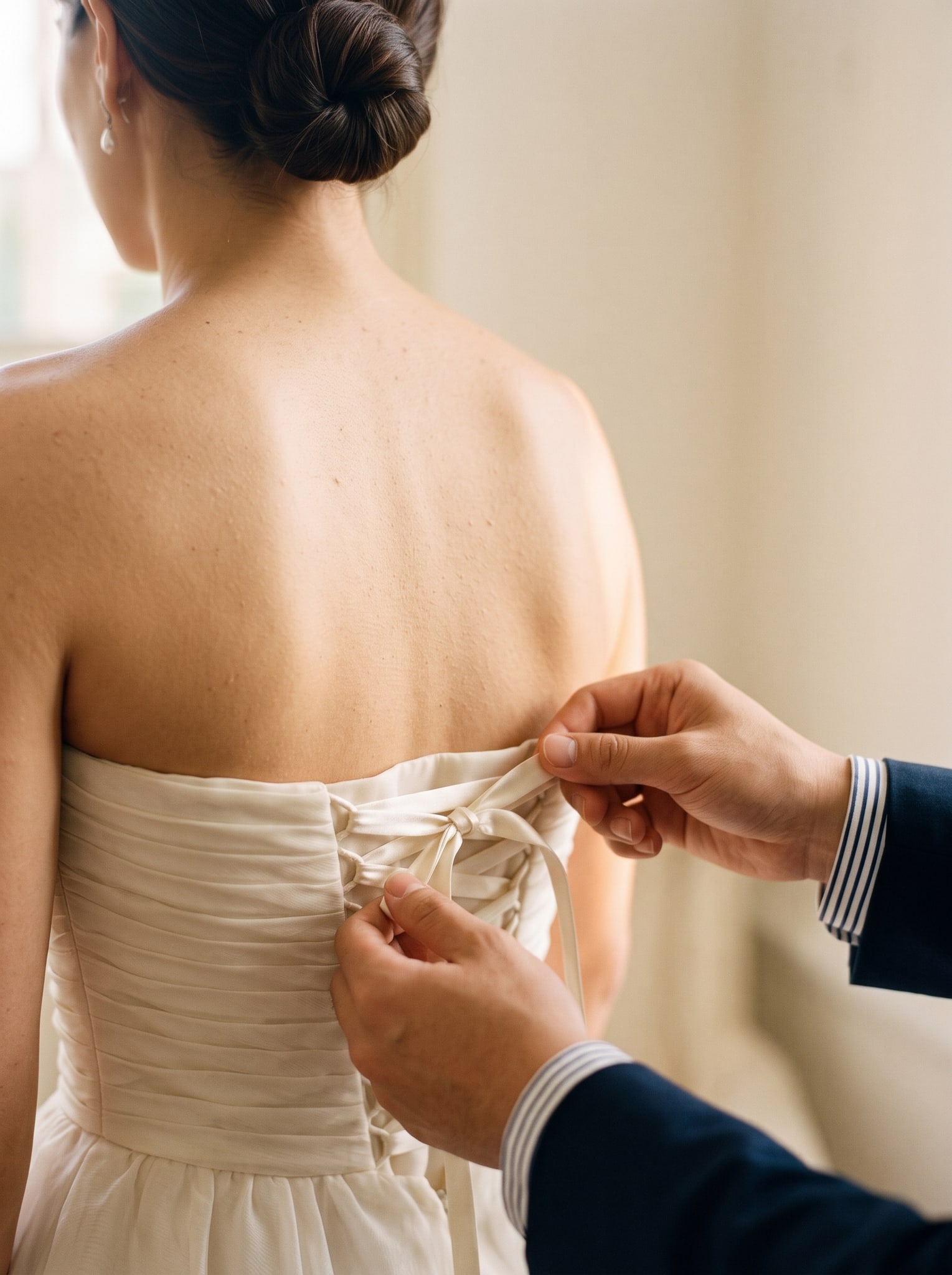
We always tell couples: hair and makeup takes 45 minutes for the bride and 20–30 minutes for the groom, plus 15 minutes buffer for touch-ups. If you're also photographing the bride's mother or sisters, add another hour. Starting the stylist at 06:45 for an 08:00 ceremony gives breathing room. On dozens of Ho Chi Minh City hotel shoots, we've seen makeup run 10–15 minutes over when the bride wants her veil pinned, earrings adjusted, or lipstick re-applied just before walking in. Rushing this window means the bride feels anxious instead of radiant. That's why hotel makeup and hair services work best: our team arrives at your room, uses professional lighting, and doesn't depend on your venue's bathroom mirrors or time slot. The photographer can then start capturing candid moments while the stylist finishes the groom.
What happens in the bride's family tea ceremony room—and why does the camera position matter?
The bride kneels or sits facing her parents, serves them tea in a formal pose, receives their blessing and a gift (often gold jewellery or an envelope). This moment lasts 3–5 minutes but carries immense emotional weight. We position one camera at a 45-degree angle to the side to frame the bride's face and her mother's expression simultaneously; backlight from windows or uplighting in the room creates dimension without harsh shadows. A second camera sits closer, roughly 1.5 metres away, to catch the detail of hands—the trembling cup, the mother's hand on the bride's shoulder—and the exchange of the gift. Many couples later say this was the most meaningful 4 minutes of the day, yet it goes unnoticed if your photographer is still outside the room. We arrive 15 minutes early to scout angles, test the room's natural light, and position discreetly so parents don't feel watched. In Hanoi's older homes around Hoàn Kiếm District, interior rooms often have low ceilings and single windows; we bring a small external reflector or a second light source to open the bride's eyes without looking staged.
See packages and prices on vietnamphotoshoot.com
When does the groom arrive, and what's the typical sequence of introductions?
The groom's family arrives at the bride's home between 08:15–08:45 (depending on the invitation time and local custom). They enter the main room or living area, are welcomed by the bride's parents with fruit and drinks, then the couple enters together or separately—local tradition varies. The groom usually greets the bride's grandparents first, then parents, then aunts and uncles in order of age. Each greeting is brief (30 seconds), but our photographer needs to move fluidly between people to capture the groom's bow or hand-clasp, the grandmother's smile, the father's nod of approval. This 20-minute window is logistically complex: we position one camera at the room entrance to frame arrivals, another wider shot for the whole family group, and a third tight on faces during greetings. The ceremony room's furniture layout shapes everything—if sofas are arranged in an L-shape, faces point away from windows; if it's an open hotel ballroom, we have more angle options but less intimate framing. We always walk the venue the day before (or via video call with the couple) to mark out camera positions and identify where sunlight will be harshest at 08:30 or 09:00.
| Phase | Duration | What We Capture | Why It Matters | Best Booking |
|---|---|---|---|---|
| Bride prep | 45 min | Makeup, veil, dress details, shoes, rings | Tells her story before the ceremony | Hotel makeup service included |
| Groom greeting | 20 min | Arrival, bows to each elder, family reaction | Documents formal introduction | Photographer on-site 30 min before |
| Tea ceremony (bride's side) | 5 min | Kneeling, tea service, gift exchange, tears | Emotional core of the event | Close-up + wide angle dual camera |
| Tea ceremony (groom's side) | 5 min | Groom kneeling, bride serving, family blessing | Role reversal moment | Same dual setup |
| Joint tea service | 10 min | Couple together, both families present | Unity and acceptance | Mid-distance + detail shots |
| Family portraits | 30 min | Posed groups, couple alone, multi-generational | Keepsakes for relatives | Schedule after tea, before meal |
Which Vietnamese regions follow different tea ceremony timings—and how does that change our schedule?
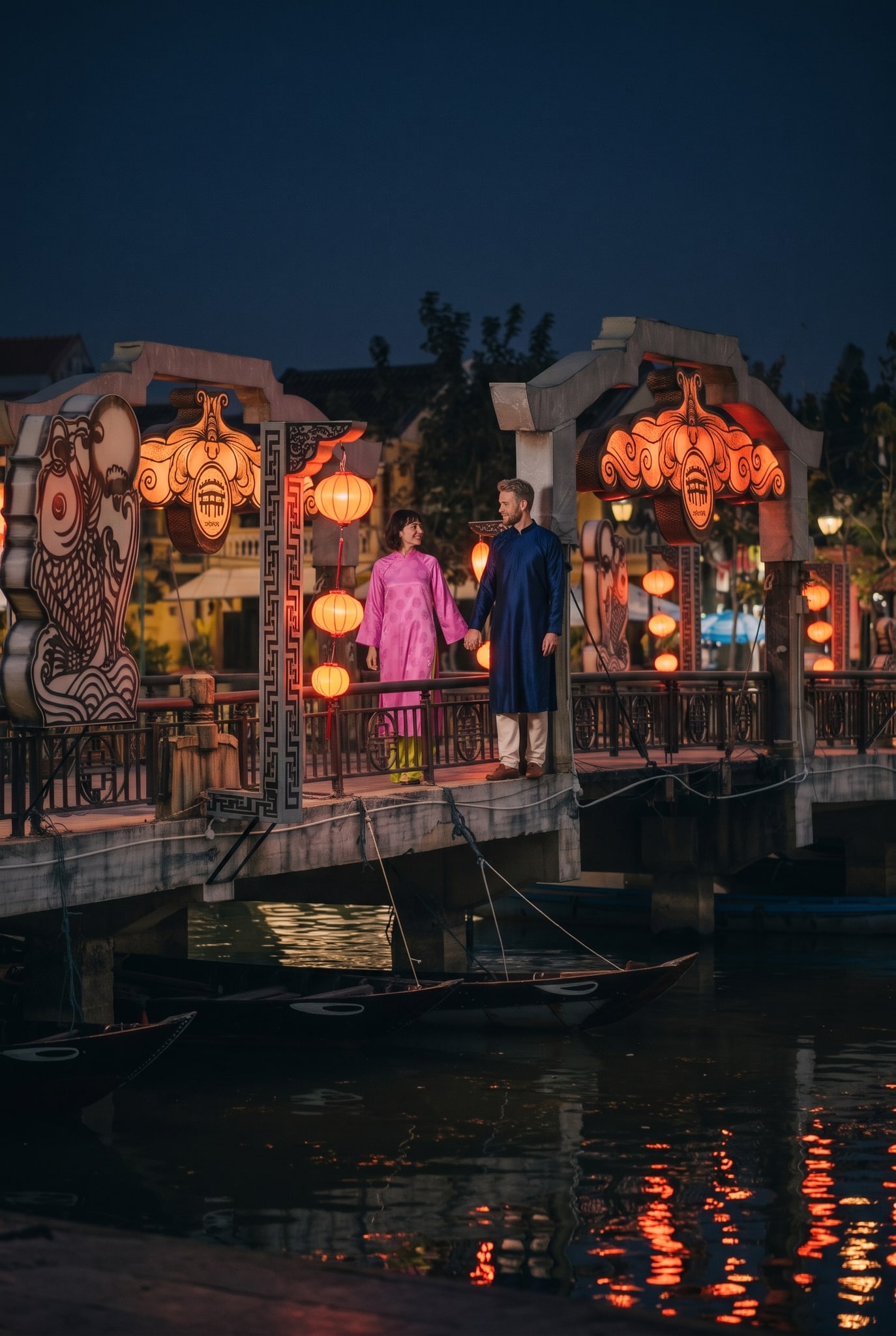
Hanoi ceremonies in the Red River Delta often begin at 07:30–08:00, with a shorter window before the morning meal at 09:30. Saigon and southern provinces typically start later (08:30–09:30) and allocate more time for the tea service itself—3–4 hours total. Hoi An ceremonies, influenced by old Huế royal customs, sometimes split the bride's and groom's families into entirely separate rooms, doubling setup time. Ninh Binh rural ceremonies may happen outdoors or in courtyards, bringing natural light but also unpredictable weather. We ask couples for their family's timeline in the first WhatsApp message, because a 07:30 Hanoi start means our team is mobilizing at 06:00, but a 09:30 Saigon start lets us pace more leisurely. A Hoi An dual-room setup changes camera allocation: instead of one photographer covering both tea services, we need two simultaneous positions, so the pre-wedding photoshoot package must account for that scope. We've also learned that north-central provinces sometimes insert an ancestor veneration moment before the groom's family enters—a 10-minute ritual where the bride lights incense and bows—which families forget to mention until the morning of. Asking about regional custom upfront lets us pack extra lighting or position cameras for spiritual moments, not just social ones.
What commonly goes wrong on ceremony morning—and how do we prevent it?
Delays happen. A guest's car is stuck in traffic, the bride's veil won't sit right after humidity, the tea cups are still being arranged when the first elder arrives early. We've learned to build 15-minute buffers into every timeline. If the groom's family is scheduled to arrive at 08:30, we tell the couple's parents the photographer is ready by 08:00, and the first photo we take is the bride's mother checking the table setup—a candid moment that becomes a cherished detail. Second issue: low light in narrow rooms. We always bring a small softbox and a wireless remote trigger, set up quickly, and test it with a family member's phone before the ceremony starts. Third: sound. If the ceremony room is next to a busy street or under an apartment building's water pump, we ask the couple if they want video sound recorded at all; if yes, we use a directional microphone on a stand near the tea table. Fourth: the groom's mother crying or the bride's grandmother leaning in for an embrace at the exact moment we're changing lenses. We shoot in bursts and accept that 60% of the shutter releases capture perfect moments; the other 40% are frames we discard. Finally, family members waving at the camera or giving poses instead of natural reactions—we always brief the couple the evening before to tell their relatives we're "capturing the moment, not directing it," and we dress in neutral colours (no bright logos) so we blend into the room. These small details turn a standard ceremony record into a story only their family recognizes.
What to check before you book
- Confirm ceremony start time and full duration with the couple and their parents; regional customs vary (ask if there's an ancestor ritual, separate tea rooms, or multi-family blessing rounds).
- Scout the venue or request photos of the ceremony room's layout, windows, and lighting; ask if it's outdoors, a home, or a hotel ballroom—each changes camera positions and backup plans.
- Clarify hair and makeup scope: does it include the bride's mother, sisters, or groom's mother? Build separate service slots if yes.
- Discuss whether video sound matters; if yes, we use a lavalier or room mic; if no, we shoot silent and you add music in post.
- Ask about relatives with cameras or phones; let them know we'll email a behind-the-scenes edit after the ceremony so they feel included.
- Confirm outfit colours for the couple's attendants and the groom's family so our photographer anticipates formal dress and frames accordingly.
Why pair tea ceremony photos with pre-wedding couple sessions
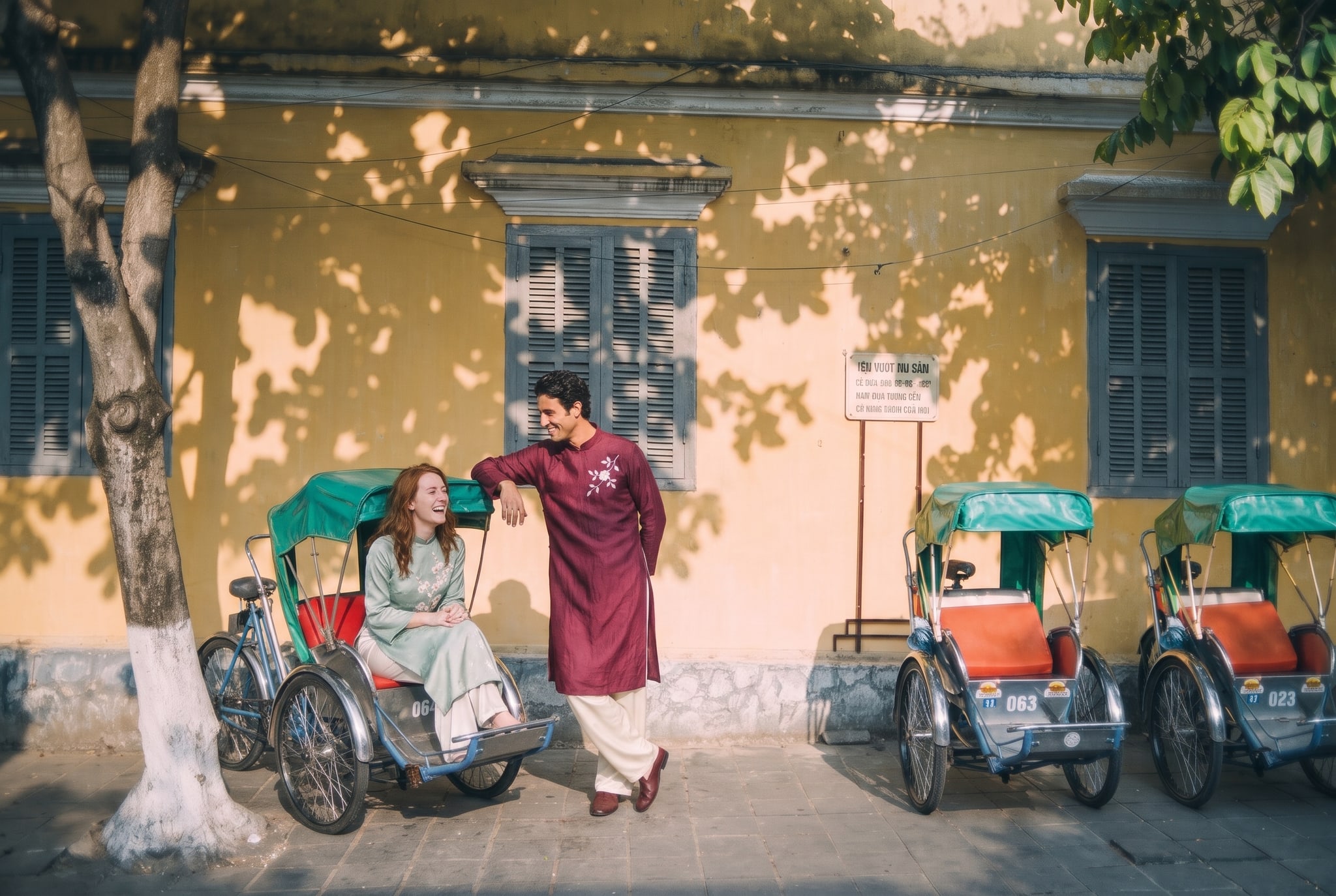
Many couples shoot the tea ceremony as one-day coverage, but the most meaningful albums weave the ceremony with a separate romantic session—perhaps at Cáo Studio in Hanoi or on location in Hoi An or Ninh Binh. The two sessions tell different stories: the ceremony is about family, ritual, and roots; a pre-wedding photoshoot is about the couple's voice, style, and future. Together, they create a 150–200 image album that reflects both worlds. Some couples also add a final proposal and anniversary session months later to mark the first year and capture how the relationship has grown. Cáo Studio's team across Hanoi and Saigon can coordinate all three, ensuring consistent editing style and a photographer you trust for the biggest days.
FAQ
How early should the photographer arrive on ceremony day?
We arrive 30 minutes before the groom's family is expected to enter. This gives us time to check light, position cameras, and take a few candid shots of the bride's mother doing final setup—moments that feel calm and intentional instead of rushed.
Can we do couple portraits after the tea ceremony, or does everyone need to change clothes?
Yes, couple portraits fit naturally after the tea service and before the family meal. Most couples stay in their áo dài or formal dress for these 20–30 minutes. If you want a second outfit change for a "romantic" aesthetic, schedule it after the meal when guests are relaxed and the light is softer.
What if the ceremony room has very poor lighting?
We bring a softbox and external flash with diffusion. We also scout the room beforehand and sometimes suggest moving the tea table closer to a window or adjusting the time by 15–20 minutes if the sun's angle changes the room significantly. Honest feedback beats fixing darkness in post-production.
Should we hire two photographers or one for a tea ceremony?
One photographer with two camera bodies (dual-lens setup) works well for a 2–3 hour ceremony if the tea rooms are close together. If the bride's and groom's families are in separate buildings or if you're also filming, two photographers are worth the investment. Our pre-wedding packages let you add a second shooter for larger celebrations.
How do we avoid the ceremony looking "staged" if relatives keep looking at the camera?
Brief your family the night before through the couple: "The photographer is capturing moments as they happen, not directing poses. You don't need to smile or look at the camera—just be yourselves." We also dress neutrally, move slowly, and position ourselves at eye level or below, never above, so we feel like observers, not directors.
Can we book makeup and hair without ceremony photography?
Absolutely. Hotel makeup and hair is a standalone service. Many couples use it for the ceremony morning, then hire a separate videographer or a friend with a phone. We're happy to coordinate with your other vendors via WhatsApp.
Pre-Wedding & Elopement
Inclusions, prices and booking are on our booking site.
FAQ
How early should the photographer arrive on ceremony day?
We arrive 30 minutes before the groom's family is expected to enter. This gives us time to check light, position cameras, and take a few candid shots of the bride's mother doing final setup—moments that feel calm and intentional instead of rushed.
Can we do couple portraits after the tea ceremony, or does everyone need to change clothes?
Yes, couple portraits fit naturally after the tea service and before the family meal. Most couples stay in their áo dài or formal dress for these 20–30 minutes. If you want a second outfit change for a "romantic" aesthetic, schedule it after the meal when guests are relaxed and the light is softer.
What if the ceremony room has very poor lighting?
We bring a softbox and external flash with diffusion. We also scout the room beforehand and sometimes suggest moving the tea table closer to a window or adjusting the time by 15–20 minutes if the sun's angle changes the room significantly. Honest feedback beats fixing darkness in post-production.
Should we hire two photographers or one for a tea ceremony?
One photographer with two camera bodies (dual-lens setup) works well for a 2–3 hour ceremony if the tea rooms are close together. If the bride's and groom's families are in separate buildings or if you're also filming, two photographers are worth the investment. Our [pre-wedding packages](/go/pre-wedding-photoshoot) let you add a second shooter for larger celebrations.
How do we avoid the ceremony looking "staged" if relatives keep looking at the camera?
Brief your family the night before through the couple: "The photographer is capturing moments as they happen, not directing poses. You don't need to smile or look at the camera—just be yourselves." We also dress neutrally, move slowly, and position ourselves at eye level or below, never above, so we feel like observers, not directors.
Can we book makeup and hair without ceremony photography?
Absolutely. [Hotel makeup and hair](/go/makeup-and-hair) is a standalone service. Many couples use it for the ceremony morning, then hire a separate videographer or a friend with a phone. We're happy to coordinate with your other vendors via WhatsApp.
More from the team
Boho pre-wedding photoshoot in Vietnam: Hanoi, Saigon, Hoi An
Boho pre-wedding shoots mix romantic, free-spirited aesthetics with Vietnam's landscapes and heritage sites. We run full-day sessions in three cities, handling styling, makeup, location scouts and edits.
Avoid crowds at Hoang Su Phi rice terraces: timing for wedding shoots
Hoang Su Phi's terraced landscape draws couples and tour buses in equal measure. We show how to shoot there alone, when to arrive, and what to arrange with us before you go.
Photography rules at Con Dao beaches: permits, drones and what to check
Con Dao's beaches demand prep before you shoot—permits, drone zones and tide timing all affect your day. We share what the Cáo Studio team verifies on every booking.