 Cáo Studio
Home › Blog › Pre-Wedding & Elopement
Wedding gown fitting in Hoi An: what to bring
By the Cáo Studio team · Hanoi & Saigon · 2026-11-04
When couples arrive at a fitting in Hoi An, they should bring undergarments they'll wear on shoot day, any heels or shoes the gown will pair with, a robe or cardigan for easy changing, and a record of their measurements (chest, waist, hip, length). Bring reference photos of the silhouette you want—narrow straps, ballgown, mermaid, or sleek column—and any color swatches or fabric samples. Cáo Studio recommends a trusted tailor or designer contact in Hoi An; many couples book fittings 2–4 weeks before their pre-wedding photoshoot, leaving time for alterations. Avoid heavy meals before fitting, wear your hair up to see necklines clearly, and allow 60–90 minutes. Bring a friend to give honest feedback on movement and silhouette. Payment is typically cash or direct bank transfer with local tailors; ask your stylist for trusted recommendations on WhatsApp. Chat with us on WhatsApp
What measurements should you bring written down?
Write down your bust, waist, hip, and shoulder-to-floor length before arrival. Take each measurement twice and note the date, so the tailor can spot changes. We've seen couples arrive with smartphone notes that photographers cannot read in dim fitting rooms; a printed sheet works better. Include your shoe heel height—a 3-inch heel changes dress length by exactly that amount. If you've had a fitting elsewhere, bring those notes too. Modern tailors in Hoi An like Thanh Tam Street's family shops cross-check numbers against your body in-person rather than trusting old paper. One bride brought measurements from a New York fitting in January; by May her bust had shifted 0.75 inches. Remeasure 1–2 weeks before your Hoi An fitting date.
Which undergarments and shoes matter most for the fitting?
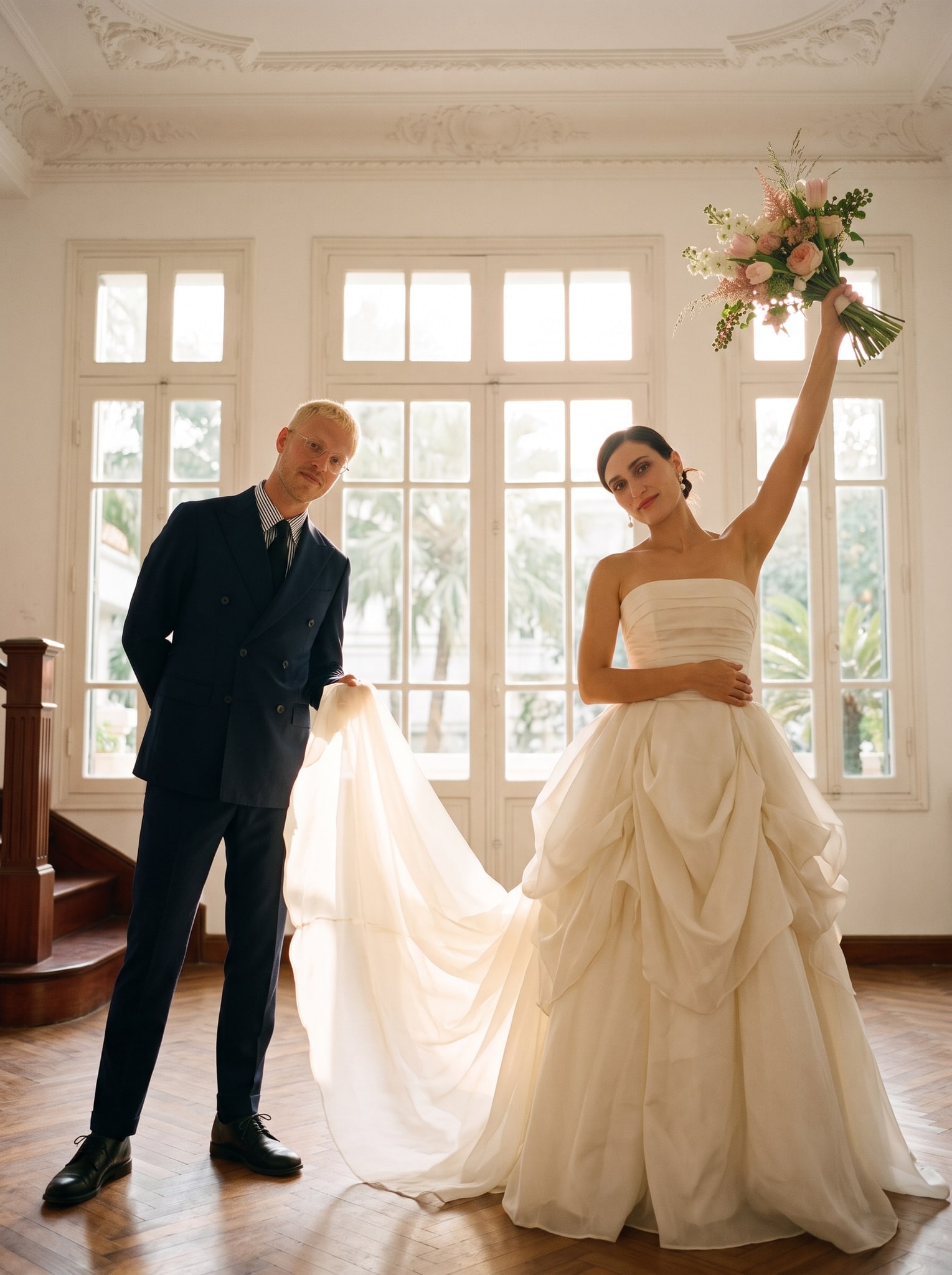
The bra and underwear you'll wear during the shoot change the dress silhouette by 1–2 sizes visually. Bring the exact bra—same brand, same size—that you plan to wear. If you haven't bought one, visit a shop in Hoi An's old town the week before fitting to try options. For shoes, arrive in the heels or flats you've chosen; if undecided, bring two pairs and test the dress length with each. We've watched stylists mark hem length, then the bride changed shoes and the dress was suddenly 1.5 inches too long. Avoid flip-flops or soft soles that compress under your weight; hard-soled shoes show the true standing posture the photographer will see. Wear seamless or nude undergarments unless your gown is sheer; white or bright colors show through even ivory silk.
See packages and prices on vietnamphotoshoot.com
How do you choose between a designer tailor and ready-made gowns in Hoi An?
| Option | Who it fits | Timeline | Best for |
|---|---|---|---|
| Local tailor (custom) | Brides wanting unique or modified designs | 4–8 weeks | Fit, color, cultural fusion, tight budgets |
| Designer boutique in Hoi An | Couples preferring finished gowns, minimal changes | 2–3 weeks | Speed, established quality, peace of mind |
| Rental (ready-made) | Elopers, minimal touch-ups, one-wear events | 3–7 days | Low cost, zero fitting stress, no ownership |
Custom tailoring on Hang Ngang or Tran Phu streets in Hoi An means fittings happen in-house; you see the same seamstress twice. Boutiques like those near the old town market sell pre-made gowns that often need only hem and bust adjustment. Rental shops cater to travelers; fitting rooms are quick because the dress is stock-size. We recommend tailoring if you're staying 3+ weeks, boutiques if 2 weeks, and rental if you're in town for the shoot only. Ask your tailor upfront: do they charge per fitting, per adjustment, or one flat fee? Most Hoi An tailors offer three fittings in the package; extras cost hourly.
What should you bring in your fitting bag to avoid delays?
Pack a small folder with printed references (3–4 silhouette photos from Pinterest, magazines, or wedding sites), fabric swatches if you've chosen a color palette, and your measurement sheet. Bring cash in Vietnam dong for any urgent adjustments or second opinions from another tailor (a safety backup if something feels off). A phone photo of yourself in similar dresses helps tailors understand your proportions. Bring a notebook to record notes on sleeve length, neckline depth, train length, and any custom details the tailor suggests. Leave at home: heavy jewelry (catches on fabric), perfume (stains silk), and unrealistic expectations about miracle fixes in one fitting. Tight schedules backfire; we've seen brides arrive with a photo-shoot date only 5 days away, discover the dress needs major seam work, and panic. One couple brought a friend who kept contradicting the bride's wishes; the fitting took twice as long. Limit your posse to one trusted person—usually a partner or mother.
How does a pre-wedding photoshoot timeline shape your fitting schedule?
If your pre-wedding photoshoot is booked for a specific date, schedule fittings to finish 3–5 days before the shoot. This buffer allows for last-minute hem adjustments or seam reinforcement if the photographer finds an issue in the fitting-room mirror. We advise couples to do a full test fitting in their shoot location—or a similar light and background—one week prior. Hoi An's soft riverside light looks different in person than in a tailor's shop; seams and beading may catch light unexpectedly. Ask your photographer to scout the gown in advance if possible; some photographers request a "test shot" of the dress on a hanger or tried on, so they can spot potential reflections or wrinkles before the main session. Avoid fittings within 48 hours of your shoot; you risk visible stress marks, redness, or last-minute panic alterations that look stiff. Tailor shops close or slow down during Tet; if shooting near that lunar calendar period, fit 4+ weeks ahead.
What red flags mean the dress isn't ready for the shoot?
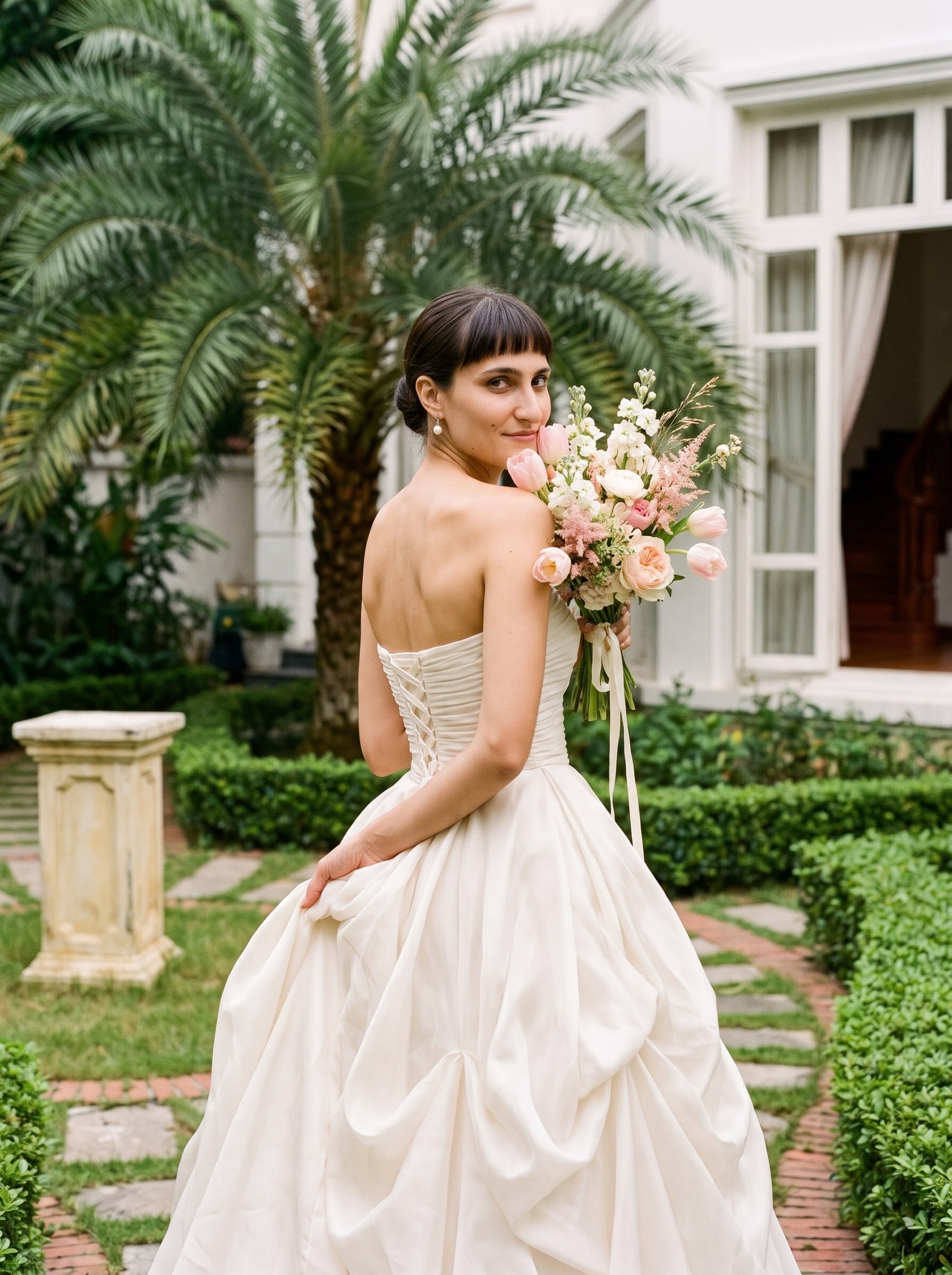
If seams pucker, the dress pulls at your hips, or you cannot raise your arms to shoulder height, the tailoring isn't complete. Hems should skim the top of your shoe toe, not drag on the floor or hover 1 inch above. Ask the tailor to test zippers and buttons three times before you leave; we've seen dresses photographed with broken closures that were fixable during the fitting. Beading or lace should lie flat without rippling; loose threads catch light and appear in close-up shots. The neckline should not gap or tug when you bend forward (common in bride-to-be postures). If the tailor says "we'll fix it on the day," ask for a written commitment and a backup tailor's contact. One bride's dress was promised hemmed by Friday; the tailor was closed Saturday through Monday, and the shoot was Tuesday morning. She paid a rush fee to a second shop and the hem colors didn't match. Trust your gut: if you're uneasy, pay for a second fitting. Most Hoi An tailors charge only for major rework, not check-ups.
Bringing children or extended family to the fitting—yes or no?
Small children get restless in hot fitting rooms and distract the tailor's attention. Extended family often has conflicting opinions; we've watched a mother and sister argue over a neckline while the bride stood silently for 20 minutes. Bring only the person whose opinion you trust absolutely and who will not change the silhouette based on personal taste. Some couples invite their photographer to the fitting (excellent idea) to flag any fabric movement or color shift issues. Ask the tailor in advance if they permit observers; some keep fitting rooms private for privacy and speed. One bride's entourage of six arrived with no notice; the tailor could not begin on time and the fitting ran over. If you're uncomfortable alone, hire your photographer or a hotel concierge to attend as a neutral observer.
What to check before you order or commit to a tailor
Reputation: Ask Cáo Studio or your hotel concierge for three tailor names and call or visit in person before booking. Contract: Confirm price, number of fittings, deadline, and cancellation policy in writing (photo of the agreement works). Alterations scope: Ask explicitly: will they add straps, change the neckline, dye the dress, or repair existing damage? What costs extra? Previous work: Request to see photos of finished gowns, not just samples. Ask for references from recent international brides if possible. Timeline reality check: If the tailor promises a custom gown in two weeks, ask how many seamstresses and whether they've delivered on time for rush orders before. Fitting room conditions: Visit during daylight to see the fitting room's mirror and light. Poor lighting hides fit problems. Communication: Do they respond on WhatsApp, email, or phone? Will they send progress photos?
See packages and prices on vietnamphotoshoot.com
Pages from our team you may need
FAQ
Should I bring my engagement ring and other jewelry to the gown fitting?
Leave them at your hotel or at home. Rings catch on delicate fabrics and can snag seams or beading. The tailor needs to move your arms and torso freely; bracelets and necklaces get in the way. Wear them later during a jewelry fitting or at the photographer's studio the day before the shoot.
Can a tailor in Hoi An add sleeves or modify the back of a dress I'm bringing from abroad?
Yes, most can. Bring clear photos of the changes you want and fabric samples if possible. Major modifications like adding a long train or changing the back entirely take 3–4 weeks. Ask the tailor to quote a total cost upfront, including labor and any new fabric. Shipping a dress to Hoi An may cost more than you expect; some tailors recommend buying new fabric locally instead.
What's the best time of day to get fitted for a wedding gown in Hoi An?
Early morning (8–10 a.m.) is ideal. Tailors are fresh, fitting rooms are cooler, and natural light is soft and consistent. Avoid late afternoon when heat and humidity make you bloat slightly and mirrors reflect glare from the street. Book at least one week ahead so the tailor can reserve time and prepare pins, thread, and mirrors.
How many fittings do I really need before the shoot?
Three is standard: one initial fitting to assess length and fit, a second mid-way to check alterations, and a final walkthrough 3–5 days before the shoot. If it's a simple hem and bust dart, two may suffice. Ask the tailor upfront how many are included in their quote.
Should I eat or drink before a fitting appointment?
Avoid heavy meals 2–3 hours before. A light breakfast or lunch is fine. Stay hydrated, but not so much that you need the bathroom during fitting; you lose your posture and measurements shift. Empty your bladder before arriving; fitting-room breaks waste time and reset the tailor's pins.
What happens if the dress doesn't fit after all three fittings—can I get a refund?
That depends on your contract with the tailor. Always ask before paying. If the tailor is at fault (seams sewn crooked, measurements ignored), most will redo the work free or refund partial costs. If you've changed size or changed your mind, refunds are unlikely. Get the cancellation and refund policy in writing before you commit.
Pre-Wedding & Elopement
Inclusions, prices and booking are on our booking site.
FAQ
Should I bring my engagement ring and other jewelry to the gown fitting?
Leave them at your hotel or at home. Rings catch on delicate fabrics and can snag seams or beading. The tailor needs to move your arms and torso freely; bracelets and necklaces get in the way. Wear them later during a jewelry fitting or at the photographer's studio the day before the shoot.
Can a tailor in Hoi An add sleeves or modify the back of a dress I'm bringing from abroad?
Yes, most can. Bring clear photos of the changes you want and fabric samples if possible. Major modifications like adding a long train or changing the back entirely take 3–4 weeks. Ask the tailor to quote a total cost upfront, including labor and any new fabric. Shipping a dress to Hoi An may cost more than you expect; some tailors recommend buying new fabric locally instead.
What's the best time of day to get fitted for a wedding gown in Hoi An?
Early morning (8–10 a.m.) is ideal. Tailors are fresh, fitting rooms are cooler, and natural light is soft and consistent. Avoid late afternoon when heat and humidity make you bloat slightly and mirrors reflect glare from the street. Book at least one week ahead so the tailor can reserve time and prepare pins, thread, and mirrors.
How many fittings do I really need before the shoot?
Three is standard: one initial fitting to assess length and fit, a second mid-way to check alterations, and a final walkthrough 3–5 days before the shoot. If it's a simple hem and bust dart, two may suffice. Ask the tailor upfront how many are included in their quote.
Should I eat or drink before a fitting appointment?
Avoid heavy meals 2–3 hours before. A light breakfast or lunch is fine. Stay hydrated, but not so much that you need the bathroom during fitting; you lose your posture and measurements shift. Empty your bladder before arriving; fitting-room breaks waste time and reset the tailor's pins.
What happens if the dress doesn't fit after all three fittings—can I get a refund?
That depends on your contract with the tailor. Always ask before paying. If the tailor is at fault (seams sewn crooked, measurements ignored), most will redo the work free or refund partial costs. If you've changed size or changed your mind, refunds are unlikely. Get the cancellation and refund policy in writing before you commit.
More from the team
Elopement photos at Ha Long Bay cruise: what we book on shoot day
Ha Long Bay elopements demand fast decisions: boat schedules, tides, light windows shift by the hour. We share how our team coordinates with cruise operators, what goes wrong, and the real workflow from WhatsApp to final images.
Planning a Ha Long Bay pre-wedding shoot remotely from overseas
Booking a Ha Long Bay pre-wedding shoot from abroad means planning five weeks ahead, syncing across time zones, and trusting your team on the water. Here's how we run it.
One-day pre-wedding photoshoot itinerary in Ha Long Bay
A one-day Ha Long Bay pre-wedding shoot combines limestone karsts, emerald water and tight timing. We share how our team runs it hour by hour.