 Cáo Studio
Home › Blog › Pre-Wedding & Elopement
What to Wear for a Pre-Wedding Photoshoot in Con Dao
By the Cáo Studio team · Hanoi & Saigon · 2026-11-04
Con Dao pre-wedding shoots work best when you pack layers: a formal áo dài or silk slip dress for sunrise cliff-side frames, linen or cotton separates for mid-day boat or beach scenes, and a lightweight wrap for wind. The island's humidity peaks at 85–90% December to April, so breathable fabrics matter. We advise against heavy makeup (it runs) and rigid jewelry (salt corrodes and catches sun glare on-camera). Most couples book pre-wedding and elopement package with hair and makeup done on-site by our team—this way we adjust outfits in real time as light changes. Bring two to three outfit changes; one shoot with Cáo Studio typically covers 4–6 hours across tide windows, so versatile pieces beat statement singles. Chat with us on WhatsApp
Why lightweight áo dài dominate Con Dao shoots
Silk or silk-blend áo dài in cream, blush or pale mint photograph cleaner than synthetic versions in Con Dao's hard island light. We've shot over forty couples here, and every team member keeps a mental note: traditional áo dài photograph truest in early morning before 9 a.m., when ocean glare softens. By 11 a.m., the sun flattens color saturation—a pale áo dài becomes nearly white on camera, losing body definition. If you're hiring our makeup and hair at your hotel service before your shoot day, ask your stylist to test the áo dài fit in the morning light of your room. We've had clients arrive with áo dài that looked perfect in Saigon but washed out against the island's bleached limestone. Bring a backup in a slightly deeper tone (dusty rose, soft sage) for afternoon frames.
What happens when wind and salt spray meet your outfit
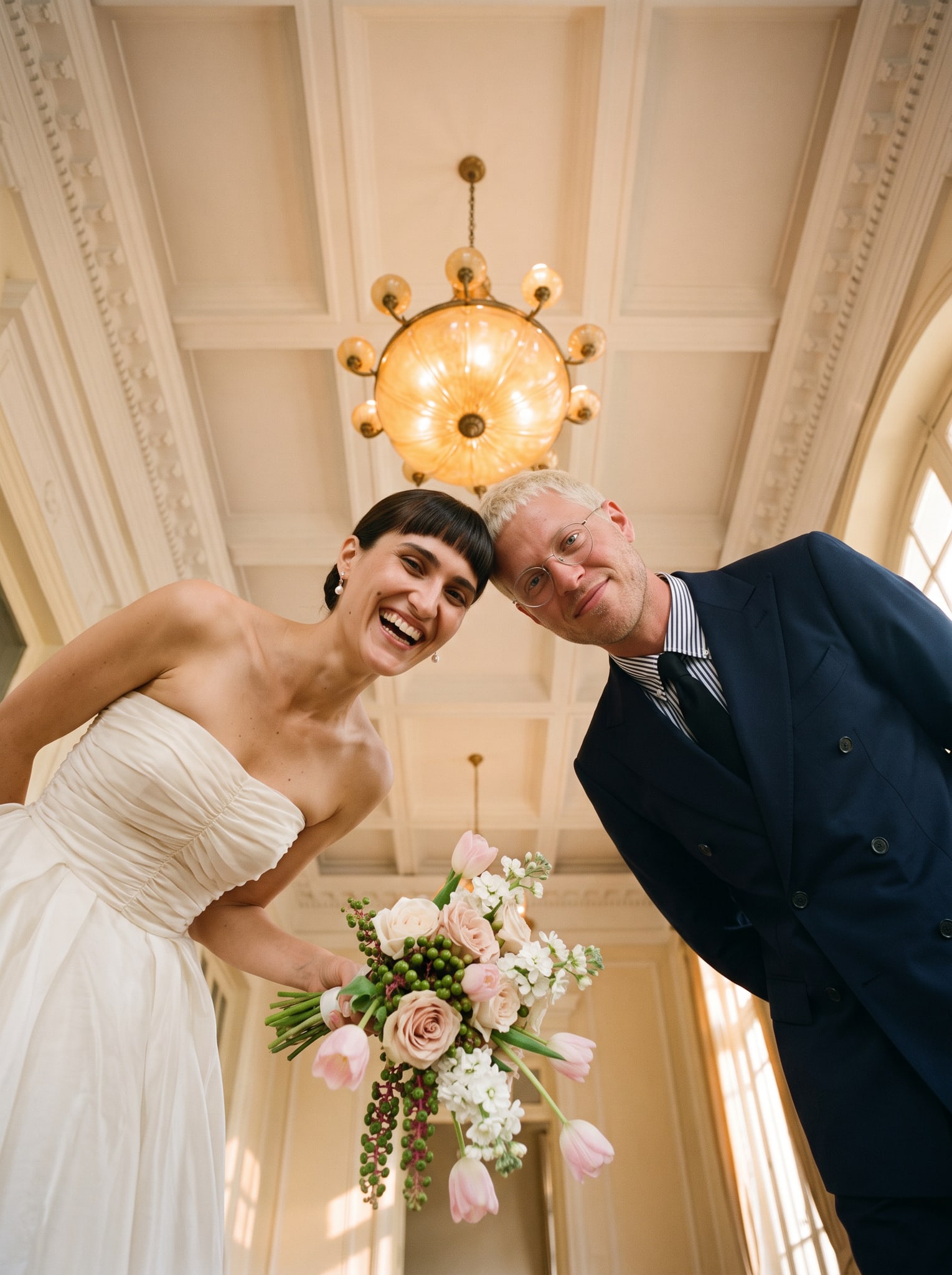
Con Dao's northeast wind gusts 15–25 km/h on average shoot days, and salt spray reaches two hundred meters inland. Cotton-polyester blends hold up better than pure silk when damp; linen creases within minutes but photographs with texture that salt air enhances. Our photographers never fight the creases—we lean into them. What fails: stiff tulle underlays (they sag when wet), delicate lace trim (salt stiffens it), and long unanchored scarves (they tangle in wind). For beachwear, pack a neutral linen shirt or overshirt you don't mind getting damp; we shoot "in-the-water" frames with at least half your outfit staying dry above waist. Couples often ask if they should waterproof shoes—we say no. Bare feet or simple flip-flops work better because wet footprints read as narrative on sand, not as equipment failure. Remove jewelry except wedding bands and one layered necklace; metal heats fast under sun and creates harsh reflection spots our retouchers have to spend time on.
See packages and prices on vietnamphotoshoot.com
Layering strategy: morning into afternoon into sunset
Con Dao's light palette shifts dramatically across six hours. At 6:30 a.m., the island is cool (19–22°C) and damp; most couples wear a silk robe or linen jacket over their first outfit. By 9 a.m., temperature climbs to 26°C and humidity spikes—remove the outer layer, switch to your lightest option. Between 11 a.m. and 2 p.m., we usually move to shaded locations (temple courtyards, forest edges near Hang Duong) because direct sun overexposes skin tones. Here's where a second outfit change earns its place: a sleeveless linen dress, a pair of tailored shorts with a silk camisole, or casual separates in cream and tan. We've learned to prep outfits in sequence during a couple photoshoot package—each change happens fast, usually ten minutes between location moves. By 4 p.m., as sun angles lower, a loose overshirt or kimono-cut jacket becomes visual without adding heat stress. Sunset shoots (5:30–6:30 p.m.) often call for silhouette over detail: consider a simple slip dress, your partner in neutral linen, both backlit. No intricate embroidery or beading—it reads as shadow noise when the sun is behind you.
| Time of Day | Outfit Type | Fabric | Why It Works |
|---|---|---|---|
| 6–8 a.m. | Áo dài + robe | Silk, linen blend | Soft light, cool, reveals form |
| 9–10:30 a.m. | Slip dress or casual separates | Breathable cotton, linen | Humidity rising, detail still visible |
| 11 a.m.–2 p.m. | Light shorts + cami or casual dress | Cotton, moisture-wicking | Shaded locations, prevents sweat stains |
| 3–4 p.m. | Layered with overshirt | Linen, thin cotton | Heat managed, silhouette still reads |
| 5–6:30 p.m. | Silhouette piece (slip, simple dress) | Any breathable fabric | Backlit frames, form priority over detail |
Color, pattern and what our post-production team actually sees
Jewel tones (emerald, sapphire, deep burgundy) photograph warmer and sharper than pastels in Con Dao's bright sun. However, we've noticed that emerald áo dài can cast a slight greenish tint onto faces if positioned too close during frames—our retouchers flag this every second shoot. Pale neutrals (cream, sand, ivory) are foolproof; white reads as overexposed unless the photographer underexposes the frame intentionally. Patterns work if they're small-scale (thin stripes, dots, subtle florals); large geometric prints or bold batik designs fragment on-camera when you're farther than three meters away. We steer couples toward solid upper pieces and patterned bottoms, never the reverse. One decision framework our stylists use: if you can see the pattern detail on your smartphone screen from an arm's length away, it will read on camera. If it blurs into texture, skip it for Con Dao. Avoid pure black below the waist unless paired with a very light top (the contrast causes exposure metering confusion). Metallics (gold, bronze, copper accents) photograph beautifully in morning light but become glare hazards by midday—reserve them for the 6–8 a.m. or 5 p.m. onward windows.
How to check your outfit fit and comfort before your shoot date
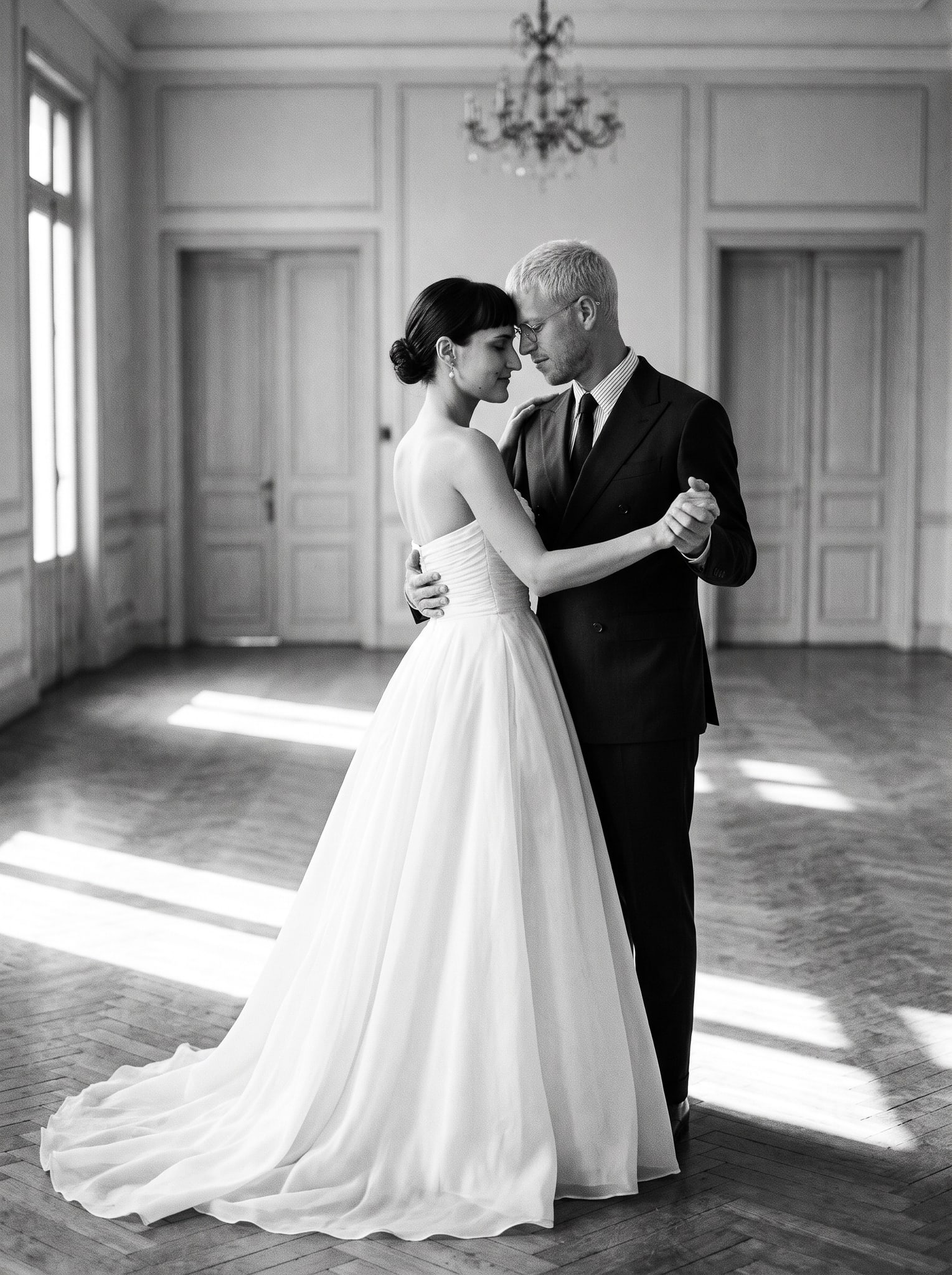
Book a video call with our team three days before your shoot. We'll ask you to wear your main outfit on camera, walk across your room, sit, and turn. Our stylists spot fit issues that mirror reviews don't catch: a hem that rides up when you sit, a sleeve that bunches, a neckline that gapes during movement. If there's a problem, you have time to adjust or swap pieces. We also ask about any skin sensitivities—Con Dao sun exposure is intense, and some sunscreens leave white cast on certain skin tones. We can prep a mineral sunscreen our makeup artist tests during your hotel service. Bring a fabric steamer or request one from your hotel; salt-air creases vanish quickly with five minutes of steam, far faster than an iron. Pack a small dry bag with a microfiber towel, extra hair ties, lip balm and a cotton handkerchief—during a full shoot day, you'll need these between frames. Most importantly, walk in your shoes for at least thirty minutes before arrival. Con Dao's sand and rock terrain demand footwear you've already broken in; brand-new heels or sandals will show discomfort in your face by hour three.
What to avoid: real regrets from past Con Dao shoots
Heavy foundation breaks down by 10 a.m. in Con Dao's humidity—we always recommend tinted sunscreen or a light BB cream instead, with powder touch-ups every hour. Long false nails catch on linen and silk; if you wear them, tape the undersides so they don't snag fabric. Avoid cologne or perfume; it mixes with salt spray and creates a chemical smell on playback video. Stiff structured fabrics (denim jackets, tailored blazers in heavyweight cotton) photograph formally but limit movement and show sweat marks fast. We've had couples regret wearing jeans—they're stiff, they hold heat, and they photograph stiffer than they feel. One couple wore matching metallic swimsuits thinking the shine would photograph like luxury; our photographer spent three hours managing glare and we had to swap to non-metallic pieces for half the shoot. If you want sparkle, go for textured fabric (sequin short or beaded top) rather than mirror-finish; texture bounces light naturally instead of creating blown-out zones.
Pages from our team you may need
FAQ
Should we wear the same outfit, or different ones?
Different outfits keep visual interest across a four-to-six-hour shoot. Pack at least two changes; three works if you're comfortable with quick transitions. We usually shoot outfit one (formal áo dài or elegant dress) for 90 minutes, then move location and change. This pacing lets our team reset lighting and your comfort recovers between frames.
Is a white áo dài safe for Con Dao, or will it overexpose?
White áo dài work beautifully in early morning (6–8 a.m.) when the sun is lower. By 9 a.m., our photographer must deliberately underexpose the frame to keep white fabric detail, which can darken your skin tone. Ask your photographer to test white fabric first; if overexposure is an issue, switch to cream or pale blush by mid-morning.
Can we wear the same clothes in water as on-land?
Only if fabrics are cotton-blend or linen and fit loosely when wet. Silk clings and becomes transparent; tight fits reveal body shape awkwardly. We prep a separate "in-water" outfit (usually neutral linen shorts and a camisole or thin shirt) and a dry robe for between frames. This takes ten minutes to swap but saves the formal áo dài from salt damage.
What shoes photograph best on Con Dao sand and rocks?
Bare feet or simple flip-flops for sand. Rocks demand sandals or water shoes with grip; a twisted ankle mid-shoot ends the day. Avoid heels unless you're only shooting on flat sand near water's edge. We've seen couples regret stilettos—they sink and photograph awkwardly, and the effort of walking shows in your face.
How do we keep makeup and hair intact in wind and humidity?
Use a waterproof setting spray after makeup is done, and reapply powder every 45 minutes. For hair, ask our makeup artist about salt-resistant texturizing spray—it keeps styles in place without feeling stiff. Bring extra bobby pins and a small comb. On our makeup and hair at your hotel service, we factor in two rounds of touch-ups during a full-day shoot.
Should we bring backup outfits in case something tears or stains?
Yes—pack a simple neutral piece (a plain linen shirt, a basic slip dress) in your bag. In forty Con Dao shoots, we've had one ripped hem (caught on a rock), one sunscreen stain, and one salt-water splatter on a silk sleeve. A backup outfit takes five minutes to change into and saves the shoot. We advise keeping it neutral so it works across multiple outfit scenarios.
Pre-Wedding & Elopement
Inclusions, prices and booking are on our booking site.
FAQ
Should we wear the same outfit, or different ones?
Different outfits keep visual interest across a four-to-six-hour shoot. Pack at least two changes; three works if you're comfortable with quick transitions. We usually shoot outfit one (formal áo dài or elegant dress) for 90 minutes, then move location and change. This pacing lets our team reset lighting and your comfort recovers between frames.
Is a white áo dài safe for Con Dao, or will it overexpose?
White áo dài work beautifully in early morning (6–8 a.m.) when the sun is lower. By 9 a.m., our photographer must deliberately underexpose the frame to keep white fabric detail, which can darken your skin tone. Ask your photographer to test white fabric first; if overexposure is an issue, switch to cream or pale blush by mid-morning.
Can we wear the same clothes in water as on-land?
Only if fabrics are cotton-blend or linen and fit loosely when wet. Silk clings and becomes transparent; tight fits reveal body shape awkwardly. We prep a separate "in-water" outfit (usually neutral linen shorts and a camisole or thin shirt) and a dry robe for between frames. This takes ten minutes to swap but saves the formal áo dài from salt damage.
What shoes photograph best on Con Dao sand and rocks?
Bare feet or simple flip-flops for sand. Rocks demand sandals or water shoes with grip; a twisted ankle mid-shoot ends the day. Avoid heels unless you're only shooting on flat sand near water's edge. We've seen couples regret stilettos—they sink and photograph awkwardly, and the effort of walking shows in your face.
How do we keep makeup and hair intact in wind and humidity?
Use a waterproof setting spray after makeup is done, and reapply powder every 45 minutes. For hair, ask our makeup artist about salt-resistant texturizing spray—it keeps styles in place without feeling stiff. Bring extra bobby pins and a small comb. On our [makeup and hair at your hotel](/go/makeup-and-hair) service, we factor in two rounds of touch-ups during a full-day shoot.
Should we bring backup outfits in case something tears or stains?
Yes—pack a simple neutral piece (a plain linen shirt, a basic slip dress) in your bag. In forty Con Dao shoots, we've had one ripped hem (caught on a rock), one sunscreen stain, and one salt-water splatter on a silk sleeve. A backup outfit takes five minutes to change into and saves the shoot. We advise keeping it neutral so it works across multiple outfit scenarios.
More from the team
Pre-wedding photoshoot in Phu Quoc June: weather, light, crowds
June is Phu Quoc's monsoon season. Our studio has shot dozens of couples there in early summer—here's what weather and crowds really mean for your pre-wedding day.
Pre-wedding photoshoot in Phu Quoc July: weather, light, crowds
July is Phu Quoc's wet season, but it opens creative possibilities: moody skies, empty beaches after storms, and dramatic backlighting. We'll walk you through what happens on the ground.
Pre-wedding photoshoot in Phu Quoc November: weather, light, crowds
November is peak season for pre-wedding shoots in Phu Quoc: weather is stable, light is soft, but crowds peak mid-month. We share what our team sees on the ground.