 Cáo Studio
Home › Blog › Pre-Wedding & Elopement
What to Wear for a Pre-Wedding Photoshoot in Hanoi
By the Cáo Studio team · Hanoi & Saigon · 2026-11-02
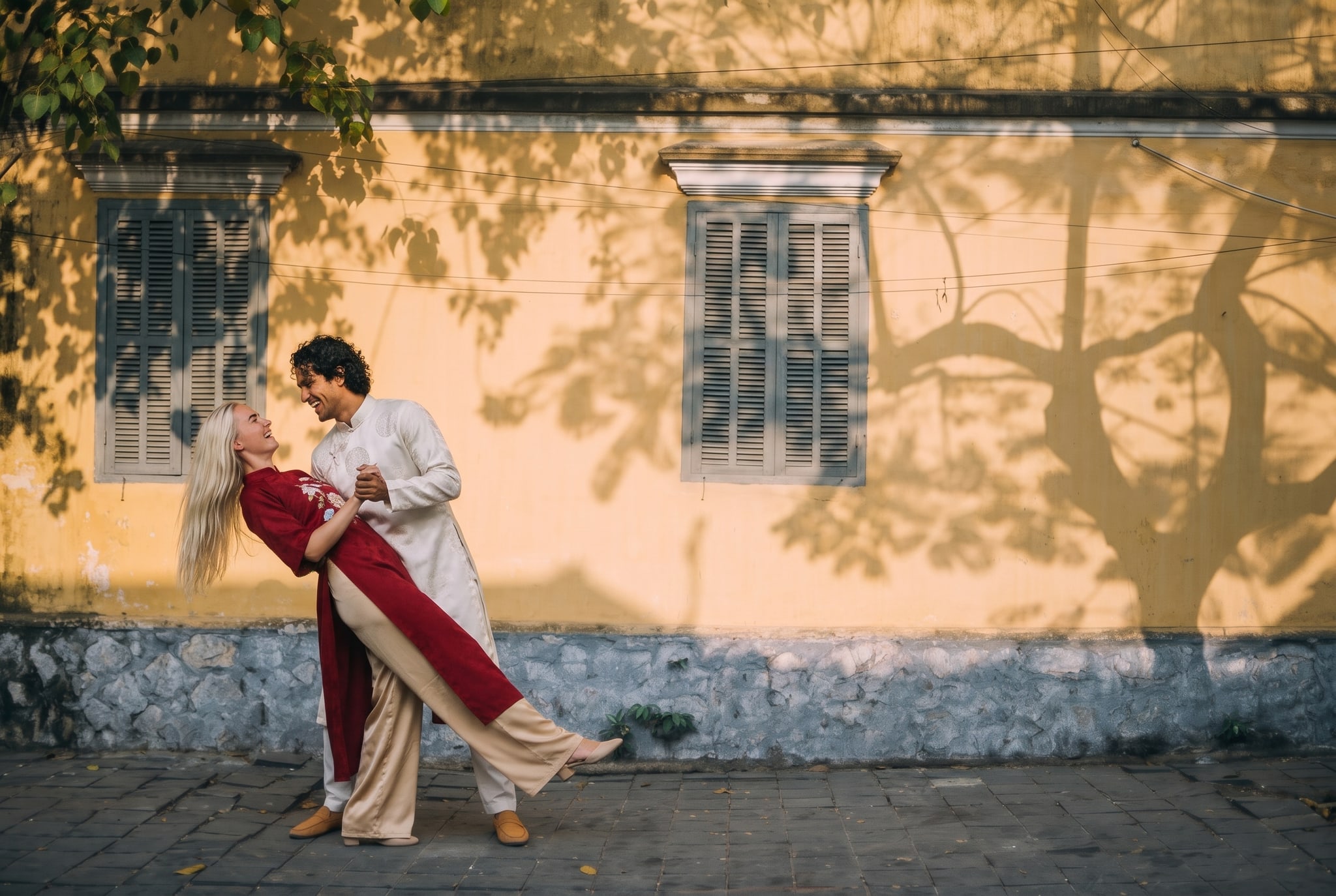
A pre-wedding photoshoot in Hanoi typically runs 4–6 hours and includes location scouting, outfit changes, and styling touch-ups by our team. Most couples choose between ao dai (traditional Vietnamese silk), Western formal wear (suits, dresses), or concept pieces tailored to specific locations—the Red River bank, colonial buildings, or lakeside temples. Ao dai works best in early morning or late afternoon light; formal Western outfits suit midday studio sessions; concept shoots (vintage, modern, cultural) depend entirely on your theme. Cáo Studio's stylists guide your choices during the pre-shoot consultation via WhatsApp, factoring in weather, venue, and your comfort level. Budget for alterations if renting, and bring backup shoes since Hanoi's streets are uneven. Most guests bring 2–3 outfit changes per shoot day. Chat with us on WhatsApp
How do we decide your outfit strategy on the shoot day?
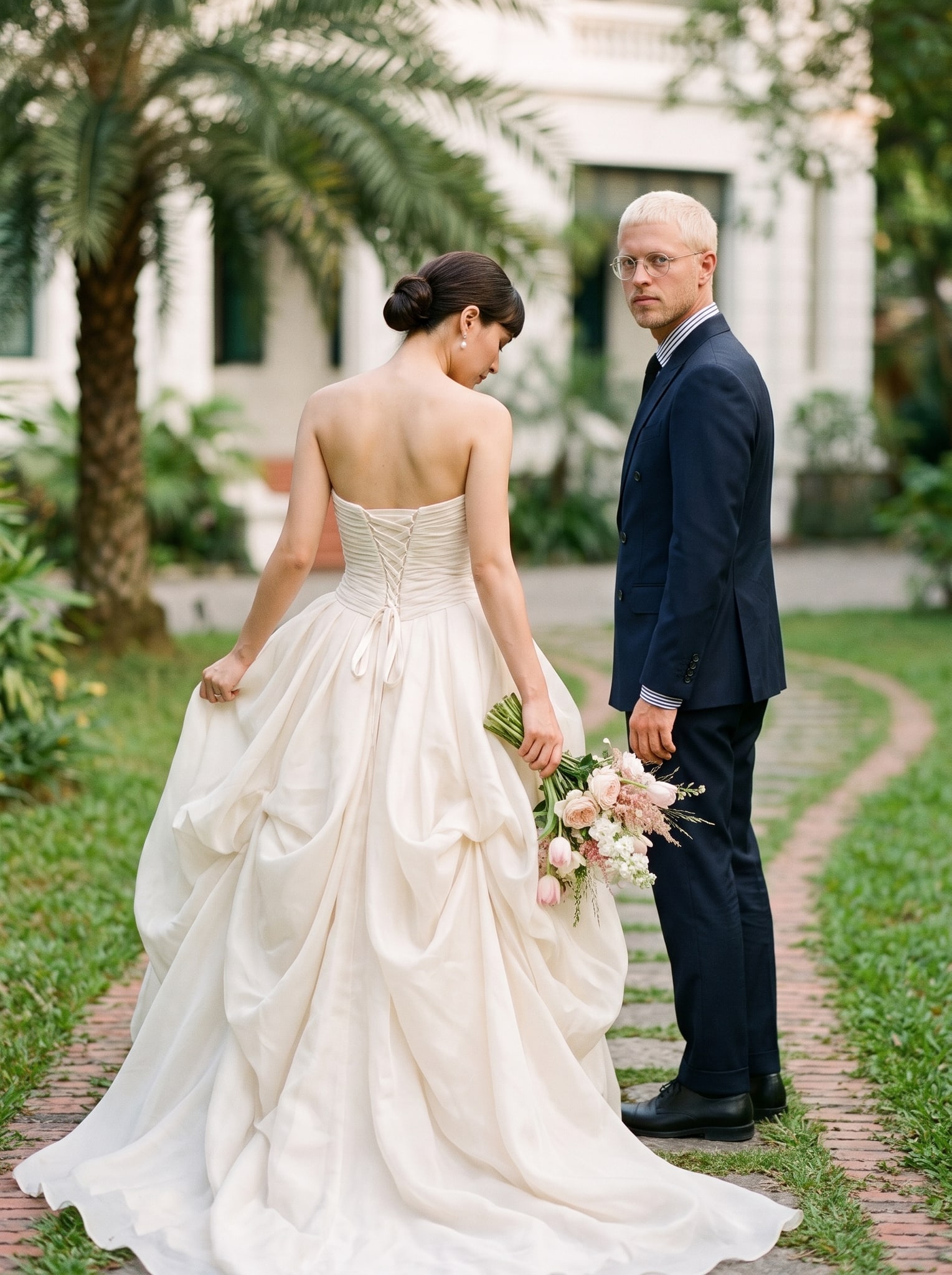
Our stylists arrive 45 minutes before your first location to assess light, temperature, and how fabrics move in Hanoi's humidity. We watch how each outfit reads in the camera—sometimes a color that looks perfect indoors photographs flat in bright sun, or silk wrinkles faster than expected on the Red River breeze. If humidity is high (May–September), we steer couples toward breathable linen blends or lightweight ao dai silk over heavy brocade. If morning light is overcast, jewel tones and deep reds photograph better than pastels. We've learned that Western formal jackets cling uncomfortably after 30 minutes in Hanoi's climate, so we plan breaks and touch-up time between outfit changes. The decision tree is simple: Does the fabric breathe? Does the color pop in this light? Can the guest move freely? If all three are "yes," we move forward.
Should you rent, buy, or bring outfits from home?
Renting ao dai in Hanoi costs less than buying, but tailoring takes 3–5 days—book it 2 weeks before your shoot, not days before. Bringing formal wear from abroad works if your airline weight allowance allows; packing a suit or dress wrinkled is normal, and our stylists steam everything on arrival. Buying a bespoke ao dai from a Hoan Kiem District tailor (10–14 days turnaround) gives you a keepsake piece, but requires a second trip or courier shipping. We've seen guests regret arriving with only one outfit, because humidity, sweat, or unexpected mud on location ruins photos faster than you'd expect. Our recommendation: rent one ao dai in Hanoi, buy or bring one Western formal piece, and plan a third outfit (casual dress, linen shirt) as backup. That spreads risk and gives you variety in your final gallery.
| Outfit Type | Best For | Typical Time to Source | Flexibility | Who It's Best For |
|---|---|---|---|---|
| Ao dai (rental) | Traditional Vietnamese feel, Old Quarter, temples | 1–3 weeks ahead | High—many styles, sizes available | Couples wanting authentic heritage shots |
| Bespoke ao dai (tailored) | Custom fit, unique design, heirloom quality | 10–14 days | Medium—multiple fittings needed | Guests with specific design vision, staying 2+ weeks |
| Western formal (brought from home) | Formal gardens, rooftop backdrops, modern venues | Before travel | Low—can't alter mid-trip | Couples with defined style, short notice bookings |
| Western formal (rental in Hanoi) | Mix of formal and flexible settings | 3–7 days | High—quick pickup, alterations available | Guests wanting fresh options, comfort priority |
| Concept/casual (your own clothes) | Elopement, casual couple sessions, lifestyle feel | None—bring what you own | Very high | Budget-conscious, creative, comfort-first couples |
See packages and prices on vietnamphotoshoot.com
What colors and fabrics work best in Hanoi's light?
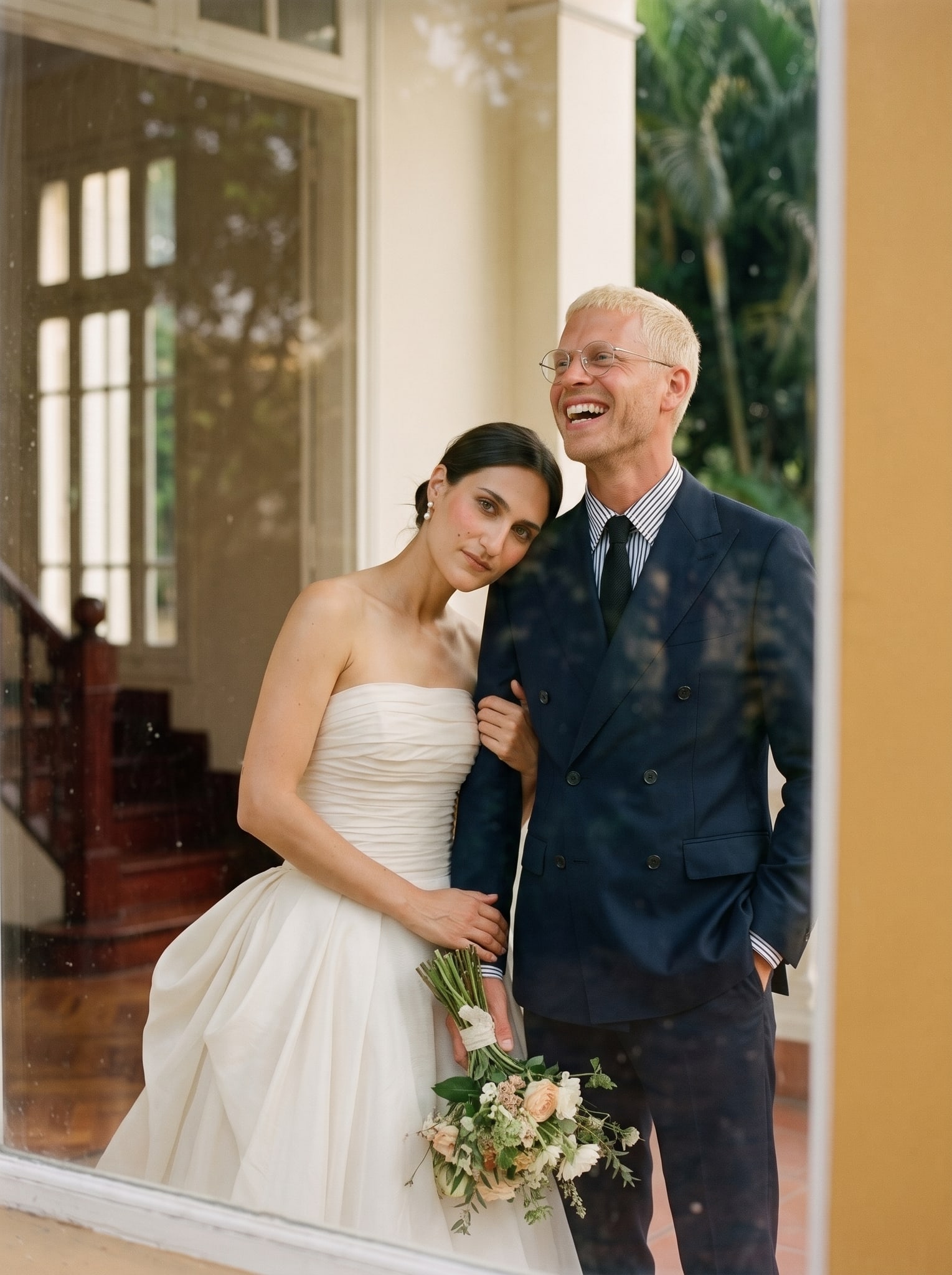
Hanoi's sunlight is soft and golden before 9 a.m. and after 4 p.m., which favors warm jewel tones (emerald, sapphire, deep burgundy) and neutral silks. At midday (10 a.m.–3 p.m.), the light flattens, so we avoid pastels and whites, which blow out in the camera. Red ao dai silk photographs beautifully year-round; blush or cream reads washed-out unless shot in shade. Polyester synthetic ao dai fabrics look cheap on close-up photos, especially in sunlight—pure silk (100%, not blended) costs more but renders with depth and texture our photographers love. For Western formal wear, charcoal and navy are safer bets than black (which can look harsh) or light gray (which vanishes in afternoon glare). We've noticed linen wrinkles aggressively in humidity but photographs with character; cotton-silk blends strike a middle ground. Matte fabrics outperform shiny ones on camera, because shine can create blown-out patches even in overcast light. Test your outfit choice in natural Hanoi light at least once before the shoot.
How do you handle outfit changes between locations?
We schedule 15 minutes per outfit change, including steaming, touch-ups, and jewelry swaps. If you're moving between locations (e.g., Hoan Kiem Lake to the Old Quarter), we coordinate with your transport—sometimes the driver waits while you change in a café restroom; sometimes we change at the next location. In rainy weather (June–August), we keep garment bags in the car and spot-check for water damage. We've learned never to change in direct sun, because sweat and humidity make wet fabric stick to skin, and guests feel rushed. Our stylists always scout restrooms or private spaces during the location check-in. Hanging bags in a hotel room during midday break keeps outfits fresh for afternoon shots. If a seam splits or a button pops (happens 2–3 times per year), we carry a small repair kit and fix it in under 10 minutes. Plan for the unexpected: bring extra undergarments, a small towel, and deodorant in the styling kit.
What mistakes do couples make, and how do we fix them?
The most common error is wearing new shoes to a shoot—new shoes blister after 3–4 hours on Hanoi's cobblestone streets. Break them in for at least a week beforehand, or bring two pairs and swap them at the midday break. Guests often choose outfits that fit perfectly indoors but feel restrictive when sitting (for low-angle shots) or walking upstairs (Hanoi's temples and cafés have narrow staircases). We ask couples to practice squatting and climbing stairs in their chosen outfit during the WhatsApp planning phase. Jewelry that jingles or catches light (large bangles, chandelier earrings) can distract from the couple's faces—we suggest delicate pieces or none at all. Over-accessorizing is rarer but memorable; we gently suggest removing 1–2 pieces if a neck or wrist looks crowded. Underestimating Hanoi's humidity leads couples to choose fabrics that cling (100% cotton, heavy synthetics); we warn against these after checking the weather forecast. One last mistake: not communicating your outfit preferences beforehand. Our stylists work best when they know your style (modern, romantic, cultural, edgy) a week in advance, so we can source options and flag potential issues early.
What to check before you book
- Confirm your outfit plan with our stylists via WhatsApp at least 1 week ahead. Share photos of pieces you plan to wear or rent. We'll flag fit, color, or fabric issues.
- If renting, book the rental shop 2 weeks before the shoot. Alterations take time, and late orders risk poor fit.
- Test your outfit in Hanoi light and humidity (if already in the city) or simulate it (try it in a warm, bright room with a fan).
- Break in shoes for at least 5–7 days before the shoot day.
- Confirm weather and time of day with us 2 days before. We'll adjust fabric and color recommendations if rain or heat is forecast.
- Bring a backup outfit (simple casual dress or shirt) in your bag. Unexpected mud, sweat, or light damage happens.
- Pack a small styling emergency kit: deodorant, face powder, safety pins, needle and thread, lint roller, extra bobby pins, undergarments.
See packages and prices on vietnamphotoshoot.com | View our couple photoshoot package
Our team's makeup and hair at your hotel service syncs with your outfit plan—we'll style hair and makeup to complement fabrics and colors. If you're drawn to ao dai culture, explore our full ao dai photoshoot package, which includes styling guidance and traditional setting recommendations. For broader ideas on what works in Hanoi, check out our Cáo Studio Hanoi location guide.
FAQ
Can I wear the same outfit for 6+ hours without changing?
Yes, but we recommend at least one change to refresh the gallery's visual narrative. After 3 hours, humidity and movement affect fabric. A second outfit (casual or alternate formal) adds variety without extending the shoot.
Should I bring Western formal wear from abroad or rent it in Hanoi?
Bringing is faster if you have luggage space; renting (3–7 days lead time) ensures Hanoi humidity-tested fabrics and local tailoring. Renting is cheaper if you don't own formal wear at home. If you're unsure, ask our stylists via WhatsApp—we'll check rental availability.
What's the humidity risk for ao dai silk in May–August?
High humidity (80%+) can wilt pure silk and cause visible wrinkles within 1–2 hours. We steam between outfit changes and choose breathable silk blends during monsoon season. Cotton-ao dai hybrids are a practical alternative if you dislike steaming.
Do I need to wear heels for a pre-wedding shoot in Hanoi?
No. Hanoi's cobblestone streets and temple stairs are hard on heels. Wear comfortable shoes you've broken in. We shoot from angles that minimize feet, so flat or low-heel options are perfect and let you move freely.
How far in advance should I plan my outfit?
Ideally 3 weeks for rentals, 2 weeks for tailoring, and 1 week for styling consultation with our team. Last-minute bookings (7 days or less) work if you bring outfits from home or buy ready-made pieces locally.
Can I wear the same outfit for multiple locations?
Absolutely. Many couples shoot 2–3 locations in one outfit. Changing outfits is optional—it depends on your vision. We recommend changing only if the new location has a different aesthetic (e.g., temples vs. modern cafés).
Pre-Wedding & Elopement
Inclusions, prices and booking are on our booking site.
FAQ
Can I wear the same outfit for 6+ hours without changing?
Yes, but we recommend at least one change to refresh the gallery's visual narrative. After 3 hours, humidity and movement affect fabric. A second outfit (casual or alternate formal) adds variety without extending the shoot.
Should I bring Western formal wear from abroad or rent it in Hanoi?
Bringing is faster if you have luggage space; renting (3–7 days lead time) ensures Hanoi humidity-tested fabrics and local tailoring. Renting is cheaper if you don't own formal wear at home. If you're unsure, ask our stylists via WhatsApp—we'll check rental availability.
What's the humidity risk for ao dai silk in May–August?
High humidity (80%+) can wilt pure silk and cause visible wrinkles within 1–2 hours. We steam between outfit changes and choose breathable silk blends during monsoon season. Cotton-ao dai hybrids are a practical alternative if you dislike steaming.
Do I need to wear heels for a pre-wedding shoot in Hanoi?
No. Hanoi's cobblestone streets and temple stairs are hard on heels. Wear comfortable shoes you've broken in. We shoot from angles that minimize feet, so flat or low-heel options are perfect and let you move freely.
How far in advance should I plan my outfit?
Ideally 3 weeks for rentals, 2 weeks for tailoring, and 1 week for styling consultation with our team. Last-minute bookings (7 days or less) work if you bring outfits from home or buy ready-made pieces locally.
Can I wear the same outfit for multiple locations?
Absolutely. Many couples shoot 2–3 locations in one outfit. Changing outfits is optional—it depends on your vision. We recommend changing only if the new location has a different aesthetic (e.g., temples vs. modern cafés).
More from the team
Boho pre-wedding photoshoot in Vietnam: Hanoi, Saigon, Hoi An
Boho pre-wedding shoots mix romantic, free-spirited aesthetics with Vietnam's landscapes and heritage sites. We run full-day sessions in three cities, handling styling, makeup, location scouts and edits.
Avoid crowds at Hoang Su Phi rice terraces: timing for wedding shoots
Hoang Su Phi's terraced landscape draws couples and tour buses in equal measure. We show how to shoot there alone, when to arrive, and what to arrange with us before you go.
Photography rules at Con Dao beaches: permits, drones and what to check
Con Dao's beaches demand prep before you shoot—permits, drone zones and tide timing all affect your day. We share what the Cáo Studio team verifies on every booking.