 Cáo Studio
Home › Blog › Pre-Wedding & Elopement
What to Wear for a Pre-Wedding Photoshoot in Ho Chi Mihn City
By the Cáo Studio team · Hanoi & Saigon · 2026-11-02
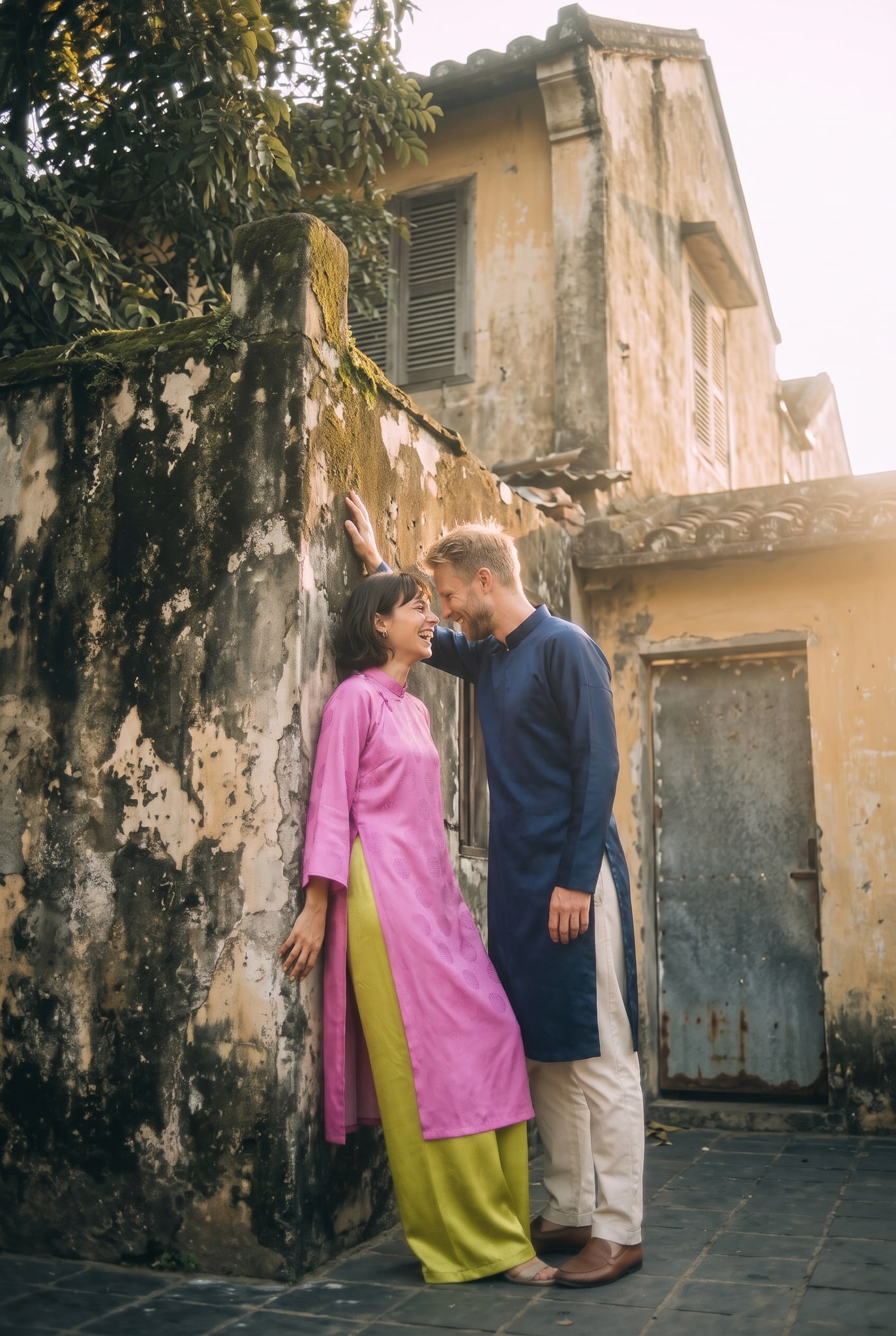
Pre-wedding photoshoots in Ho Chi Minh City typically run 4–6 hours across 2–4 locations: District 1's riverside and colonial streets, the Bitexco Financial Tower district, Landmark 81 surroundings, or suburban temples and gardens. Most couples wear 2–3 outfits per shoot—typically an áo dài (traditional Vietnamese tunic dress), a modern Western ensemble (dress or suit), and sometimes a casual backup. Cáo Studio coordinates wardrobe choices during the booking conversation and runs a WhatsApp check 48 hours before: we verify fabric, shoes, hair accessories, and any rentals. On arrival, our stylists inspect each piece for wrinkles, stains, or fit issues and have a steamer and sewing kit ready. The cost varies by package length and location count; check our pre-wedding and elopement packages for options. Avoid heavy jewelry that reflects light, overly trendy prints that date quickly, and shoes you haven't broken in—we always see guests wince during outdoor walking shots. Chat with us on WhatsApp | See packages and prices on vietnamphotoshoot.com
Should I rent an áo dài or buy one for the shoot?
Rental wins if you want zero stress, authentic tailoring, and no storage afterward. Buying wins if you plan 3+ pre-wedding or family shoots in the next two years. Rental áo dài in Ho Chi Minh City runs from established shops around Bến Thành Market or Dong Khoi Street; expect silk or cotton blends, custom hemming on request. When we brief couples, we ask: will you wear this again? Most answer no. Rental is the faster, smarter choice—and studios like ours have trusted rental partners who deliver directly to your hotel with steamer service included. Buying makes sense only for brides planning repeat shoots or cultural significance portraits.
What happens if my outfit doesn't fit on shoot day?
We've fixed this dozens of times. Three hours before the first shot, our stylist meets you at the studio or hotel (if you booked hotel makeup and hair). We check fit, proportions, and movement—you'll sit, stand, and turn. If a dress is too tight in the waist or a suit jacket pulls at the shoulders, we have a backup: safety pins for hems, elastic for waistbands, and a phone number for a tailor in District 3 open until 6 p.m. If a backup outfit is needed, we pivot fast—call a rental partner or suggest borrowing from a guest. In 5 years, we've never canceled a shoot for fit. Plan 10 minutes per outfit for adjustments.
Which outfit combinations photograph best in Saigon's light?
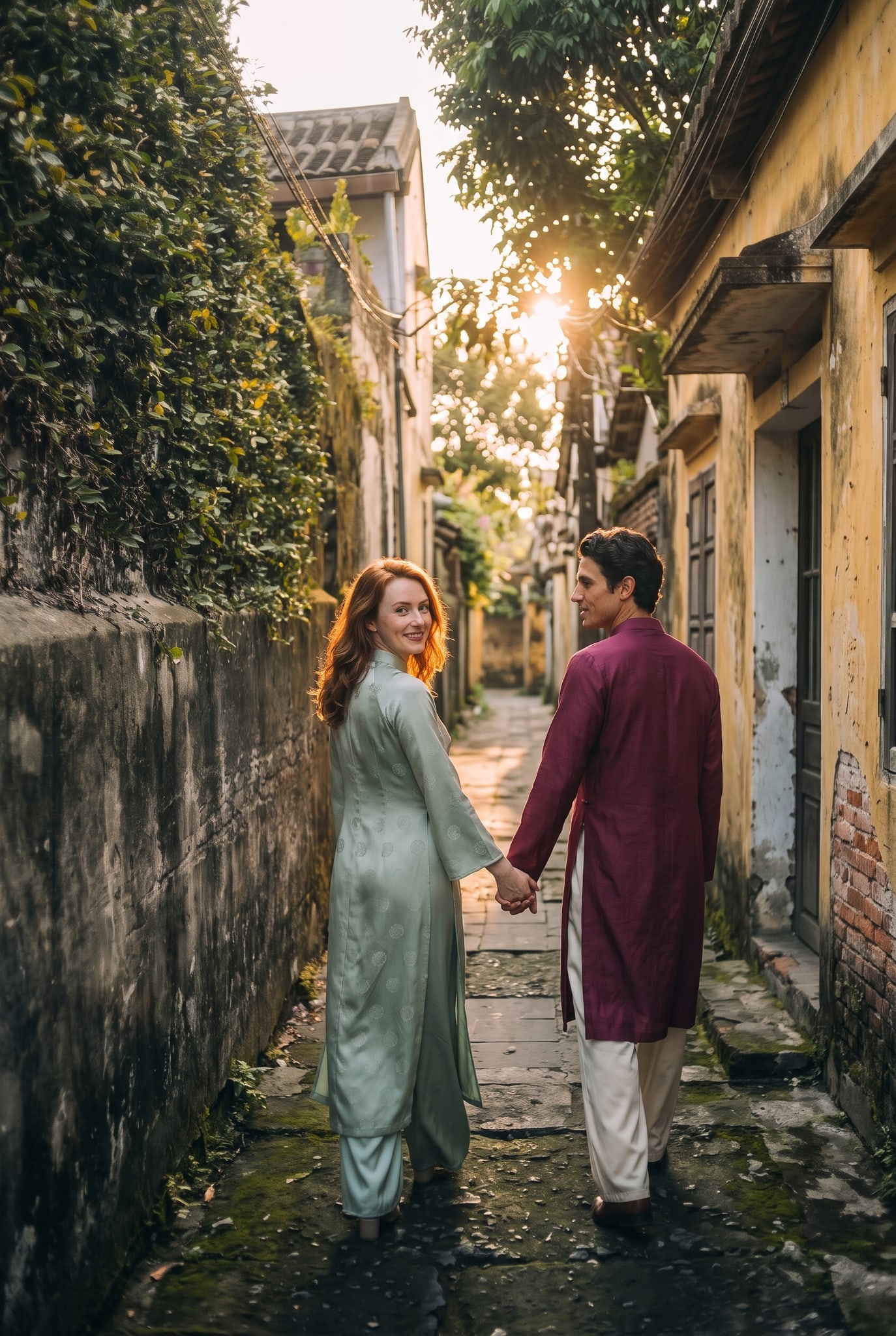
Morning light (6–8 a.m.) favors soft pastels, whites, and blush áo dài—direct sun is clean and forgiving. Mid-morning (9–11 a.m.) suits jewel tones: emerald, sapphire, deep purple. Afternoon (2–4 p.m.) is harsh; we use shadows and colonial architecture to our advantage, so darker neutrals (charcoal, navy, black) with metallic accents perform well. Golden hour (5–6:30 p.m.) is magic for all colors—this is when we book second locations. Our photographer and stylist coordinate the day's shot list during your pre-shoot call; they'll guide you on which outfit to start with based on weather forecast and location sequence. A backup light layer (a shawl, jacket, or overshirt) always helps—Ho Chi Minh City is humid, and sweat marks show. Pack a small towel or absorbent cloth; our team carries one anyway.
| Outfit Type | Best for Saigon locations | Fit check | Rental or buy? |
|---|---|---|---|
| Áo dài (silk) | All locations, any time | 48 hrs before—décolletage, sleeve, hem | Rent (easier) |
| Modern dress/suit | Landmark 81, Bitexco, hotel rooms | Day-of fitting with stylist | Buy if re-using 2+ times |
| Casual backup | Riverside, street walks, candid shots | Must break in shoes 1 week prior | Buy (own closet) |
| Accessories (jewelry, belts, hairpieces) | All locations | Coordinate with stylist via WhatsApp | Buy if heirloom or keepsake |
What shoes work for 4–6 hours of walking across Ho Chi Minh City?
Never wear new shoes. We tell every couple: break them in for two weeks before the shoot, or your feet will show discomfort in every candid frame—and pain reads in the eyes and shoulders. For áo dài, traditional Vietnamese heels or neutral flats work; avoid anything neon or oversized in buckles or straps (they distract). For modern outfits, block heels, clean leather loafers, or subtle metallic sandals are safest. The city's sidewalks are uneven; our photographer avoids fast movement near potholes, but your shoes must be stable. A second pair (ballet flats or cushioned slip-ons) in your tote bag saves the last hour of shooting—tired feet shift your posture. We've had couples swap shoes for the final location, and it visibly relaxes their shoulders and neck. Avoid stilettos on outdoor riverside shots; Saigon's pavement near the Saigon River (District 1) includes gravel and worn concrete that catches thin heels.
How do I pack and transport outfits on the shoot day itself?
Use a garment bag or large rolling suitcase for áo dài and formal pieces; hang them, don't fold. Pack a small tote with a steamer (our studio has one, but travel steamers are cheap), sewing kit, safety pins, stain remover pen, deodorant, face blotting sheets, and a lint roller. Keep shoes in dust bags or sealed plastic. Jewelry in a small compartment—loose earrings or pins can fall out during car rides. If you're shooting at multiple locations, a cooler with water and electrolyte packets keeps you hydrated in Saigon's heat; dehydration makes skin look dull in close-up frames. Label each outfit with your name using a sticky note inside the garment bag; our team manages wardrobe changes, but clarity prevents confusion when switching between locations. Most couples drive directly to the first location; our team meets you there with lighting gear and the final wardrobe check takes 5 minutes. If you're flying in from abroad, ship heavier pieces or ask your hotel's concierge for a garment steaming service—Ho Chi Minh City's luxury hotels offer this, and it costs far less than renting backup outfits.
Can I wear Western wedding dress or custom designer pieces?
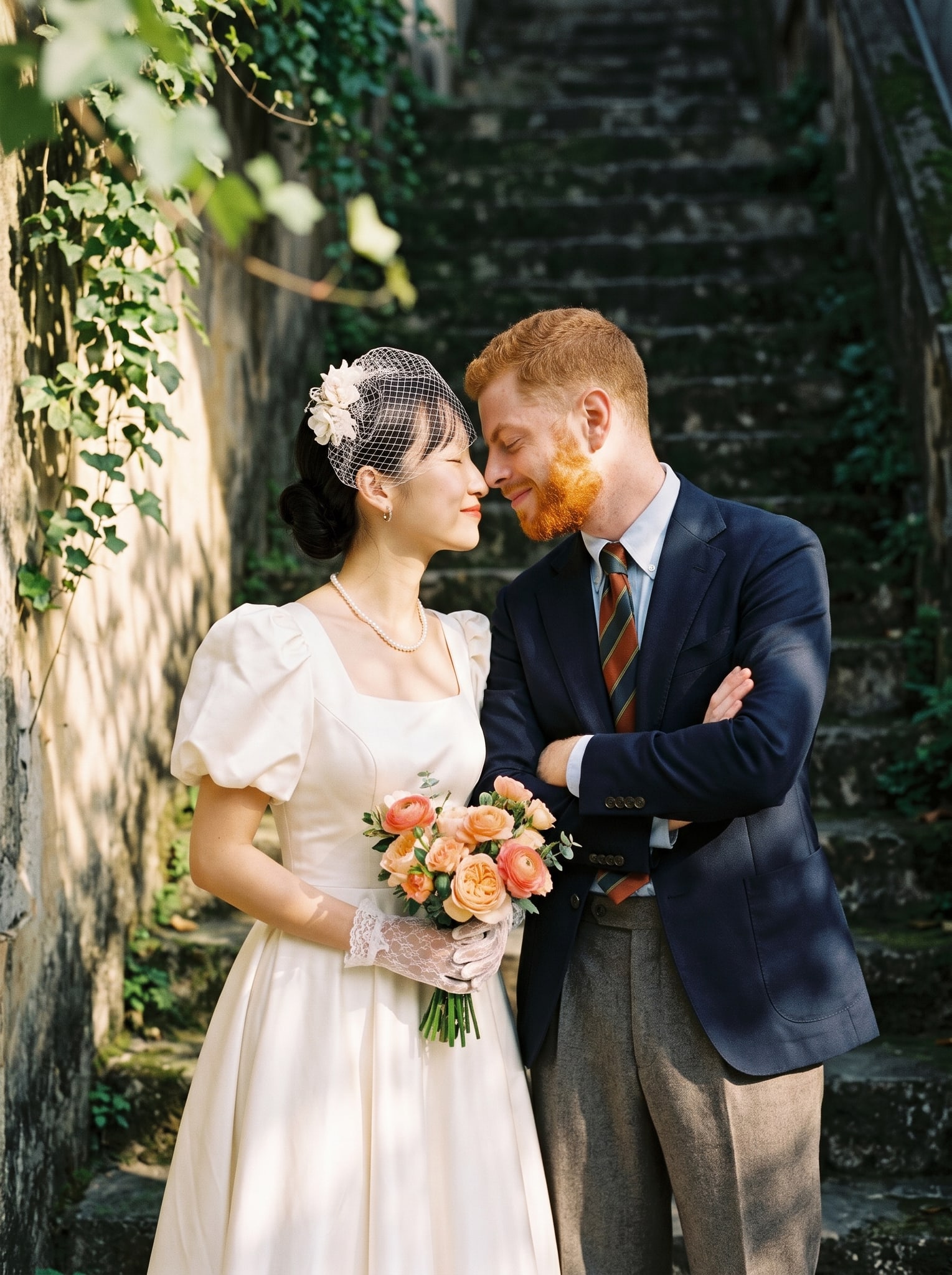
Absolutely. We've shot brides in bespoke gowns from Hanoi, rental couture from District 1, and family heirloom áo dài dating back three generations. Bring a photo of the finished piece (if custom-made) to our first WhatsApp call—our stylist will advise on undergarments, veil placement, and how it moves in wind. Delicate fabrics (silk charmeuse, lace, light chiffon) photograph beautifully but need a garment steamer and someone on-set who knows how to adjust them between shots. Heavier fabrics (satin, brocade, jacquard) hold shape better in Saigon's humidity but require careful seating to avoid wrinkles. Designer pieces sometimes have hardware or embellishment that reflects flashes; we test lighting angles with your stylist 10 minutes before shooting to avoid blown-out details. Rentals (if you're bringing a dress from a Saigon bridal shop) include standard alteration; if you've bought or brought from overseas, plan a fitting session with a local tailor—our team can recommend one.
What colors and patterns fade or look flat in photos?
Pale, washed-out pastels (especially in afternoon light) can disappear into skin tone or background. Neon colors spike camera sensors and look unnatural in post. Busy geometric prints (small checks, micro-stripes) create moiré interference in digital photography—our photographer will warn you, but it's better to know before you buy or rent. Earth tones (terracotta, olive, warm brown) always perform well. Jewel tones with saturation pop in every light. White and cream work beautifully but require careful lighting and our makeup artist may suggest a subtle contour to avoid your face blending with a white áo dài. Black suits formal shots and evening backdrops but can swallow detail in dim temple or indoor locations. Our team sends a color palette guide during your booking; it includes 15 swatches and links to nearby shops where you can check fabrics in person. Bring a phone photo of any piece you're considering—WhatsApp photo resolution is low, so an in-person or video call finalization beats guessing.
See packages and prices on vietnamphotoshoot.com
What to check before you book your outfits
1. Fit and comfort. Sit, stand, bend, and walk in each piece at least once. Take a video of yourself moving—check for gaps, pulling, or restricted breathing. Our stylist will do this again 3 hours before the shoot, but surprises on the day cost time and mood.
2. Fabric and care. Silk wrinkles easily; cotton breathes better in heat. Check the label for washing instructions. If you're renting, ask about stain coverage in the rental agreement—we've had clients worry about small marks.
3. Color accuracy. Online photos of rental áo dài often look lighter or more saturated than in person. Request a swatch or in-store video walk-through before confirming. If you're buying locally in Saigon, visit Dong Khoi, Bến Thành, or Nguyen Hue boutiques during daylight hours to see true color.
4. Shoes durability. Walk around your house or hotel for a full hour. If you feel pressure points, blisters, or instability, they won't work for a 4–6 hour shoot. Our photographer sometimes shoots while moving backward—wobbly shoes show.
5. Accessories coordination. Jewelry, belts, hairpieces, and bags should feel like one story, not a pile of choices. Our stylist guides this, but if you arrive with 10 jewelry options, we lose 15 minutes to decision-making.
6. Backup rental plan. If you're renting, confirm delivery to your hotel or the studio, steaming service, and the return pickup time. Ask about express alterations if hemming is needed. Most shops in Ho Chi Minh City offer 24-hour turnaround.
Ready to plan your pre-wedding shoot?
Book a couple photoshoot session with our team, or explore special concept shoots if you want a themed wardrobe day. First-time clients: start with a WhatsApp consultation to talk color, locations, and outfit ideas—we'll guide you step by step.
FAQ
Can I wear pants or a suit instead of a traditional dress for an áo dài shoot?
Yes. Modern couples often pair an áo dài with tailored pants for one outfit, then wear a full dress or suit for another. Our áo dai photoshoot package accommodates both traditional and contemporary styling—discuss your preference when booking.
How many outfit changes should I plan for a 6-hour pre-wedding shoot?
Most couples wear 2–3 outfits. A typical sequence is áo dài (30 minutes), modern dress or suit (60 minutes), and a casual backup (30 minutes). Changing and touch-ups between outfits take 15–20 minutes total. Anything more than 3 outfits stretches timelines and exhausts you.
What if I'm renting an áo dài but my measurements change before the shoot?
Contact the rental shop immediately—usually 5–7 days before your shoot. Reputable shops in Ho Chi Minh City (Dong Khoi, Bến Thành area) offer free re-fitting or size swaps if notified in time. Our team always asks for a proof photo 48 hours prior so we catch fit issues early.
Should I buy shoes for the shoot or wear ones I already own?
Wear shoes you've owned for at least 2 weeks and walked in regularly. New shoes cause visible discomfort in close-up portraits. If you don't have suitable shoes, buy them early and break them in—don't rent shoes unless absolutely necessary.
What's the best way to transport áo dài if I'm flying into Ho Chi Minh City from overseas?
Pack it flat in a garment or large roll bag. Upon arrival, ask your hotel's concierge for steaming (most luxury hotels offer this for a small fee). Never fold silk áo dài tightly or leave it in luggage longer than 2 hours without airing. Our team can also arrange a pre-shoot steaming session at your hotel if you book hotel makeup and hair services.
Can I rent multiple outfits from different shops, or is it better to use one vendor?
Using one trusted rental shop is easier—they coordinate fit, steaming, and return pickup. However, if you want an áo dài from one shop and a modern dress from another, that works too. Just clarify return times with each vendor and confirm delivery to your first shoot location. Our team has partnerships; we can recommend reliable shops in District 1 and District 3.
What happens if the weather changes and my outfit plan doesn't fit the conditions?
Our photographer adjusts lighting and location sequence based on weather. If it rains, waterproof layers or a backup lightweight outfit help. Humidity in Ho Chi Minh City (year-round 70–95%) means fabrics may cling more than expected—choose breathable textiles and carry absorbent cloth. We'll discuss weather contingency during your pre-shoot call.
Pre-Wedding & Elopement
Inclusions, prices and booking are on our booking site.
FAQ
Can I wear pants or a suit instead of a traditional dress for an áo dài shoot?
Yes. Modern couples often pair an áo dài with tailored pants for one outfit, then wear a full dress or suit for another. Our [áo dai photoshoot package](/go/ao-dai-photoshoot) accommodates both traditional and contemporary styling—discuss your preference when booking.
How many outfit changes should I plan for a 6-hour pre-wedding shoot?
Most couples wear 2–3 outfits. A typical sequence is áo dài (30 minutes), modern dress or suit (60 minutes), and a casual backup (30 minutes). Changing and touch-ups between outfits take 15–20 minutes total. Anything more than 3 outfits stretches timelines and exhausts you.
What if I'm renting an áo dài but my measurements change before the shoot?
Contact the rental shop immediately—usually 5–7 days before your shoot. Reputable shops in Ho Chi Minh City (Dong Khoi, Bến Thành area) offer free re-fitting or size swaps if notified in time. Our team always asks for a proof photo 48 hours prior so we catch fit issues early.
Should I buy shoes for the shoot or wear ones I already own?
Wear shoes you've owned for at least 2 weeks and walked in regularly. New shoes cause visible discomfort in close-up portraits. If you don't have suitable shoes, buy them early and break them in—don't rent shoes unless absolutely necessary.
What's the best way to transport áo dài if I'm flying into Ho Chi Minh City from overseas?
Pack it flat in a garment or large roll bag. Upon arrival, ask your hotel's concierge for steaming (most luxury hotels offer this for a small fee). Never fold silk áo dài tightly or leave it in luggage longer than 2 hours without airing. Our team can also arrange a pre-shoot steaming session at your hotel if you book [hotel makeup and hair services](/go/makeup-and-hair).
Can I rent multiple outfits from different shops, or is it better to use one vendor?
Using one trusted rental shop is easier—they coordinate fit, steaming, and return pickup. However, if you want an áo dài from one shop and a modern dress from another, that works too. Just clarify return times with each vendor and confirm delivery to your first shoot location. Our team has partnerships; we can recommend reliable shops in District 1 and District 3.
What happens if the weather changes and my outfit plan doesn't fit the conditions?
Our photographer adjusts lighting and location sequence based on weather. If it rains, waterproof layers or a backup lightweight outfit help. Humidity in Ho Chi Minh City (year-round 70–95%) means fabrics may cling more than expected—choose breathable textiles and carry absorbent cloth. We'll discuss weather contingency during your pre-shoot call.
More from the team
Boho pre-wedding photoshoot in Vietnam: Hanoi, Saigon, Hoi An
Boho pre-wedding shoots mix romantic, free-spirited aesthetics with Vietnam's landscapes and heritage sites. We run full-day sessions in three cities, handling styling, makeup, location scouts and edits.
Avoid crowds at Hoang Su Phi rice terraces: timing for wedding shoots
Hoang Su Phi's terraced landscape draws couples and tour buses in equal measure. We show how to shoot there alone, when to arrive, and what to arrange with us before you go.
Photography rules at Con Dao beaches: permits, drones and what to check
Con Dao's beaches demand prep before you shoot—permits, drone zones and tide timing all affect your day. We share what the Cáo Studio team verifies on every booking.