 Cáo Studio
Home › Blog › Pre-Wedding & Elopement
What to Wear for Couple Photos at Tran Quoc Pagoda
By the Cáo Studio team · Hanoi & Saigon · 2026-11-04
Trần Quốc Pagoda on the Red River in Hanoi demands clothes that harmonize with 15th-century architecture and water reflections. Most couples choose between a traditional áo dài (silk, floor-length tunic), which photographs richly against the pagoda's red-tile roofs and stone walls, or neutral Western casual wear—soft linen, tailored blouses, structured trousers—that lets the temple dominate. Seasonal timing matters: April–May humidity wilts makeup and fabric; November–December offers dry light and natural color saturation. Cáo Studio typically books a 3–4 hour couple photoshoot package that includes a wardrobe change mid-session, so guests pick one áo dài look and one casual outfit. Avoid pure white (overexposes against stone), busy patterns (compete with temple detail), and heavy jewelry (catches unwanted glare). Most couples ask us via WhatsApp about fabric weight and shoe grip on wet temple steps before finalizing choices. Chat with us on WhatsApp
Should we wear áo dài or Western clothes for temple photos?
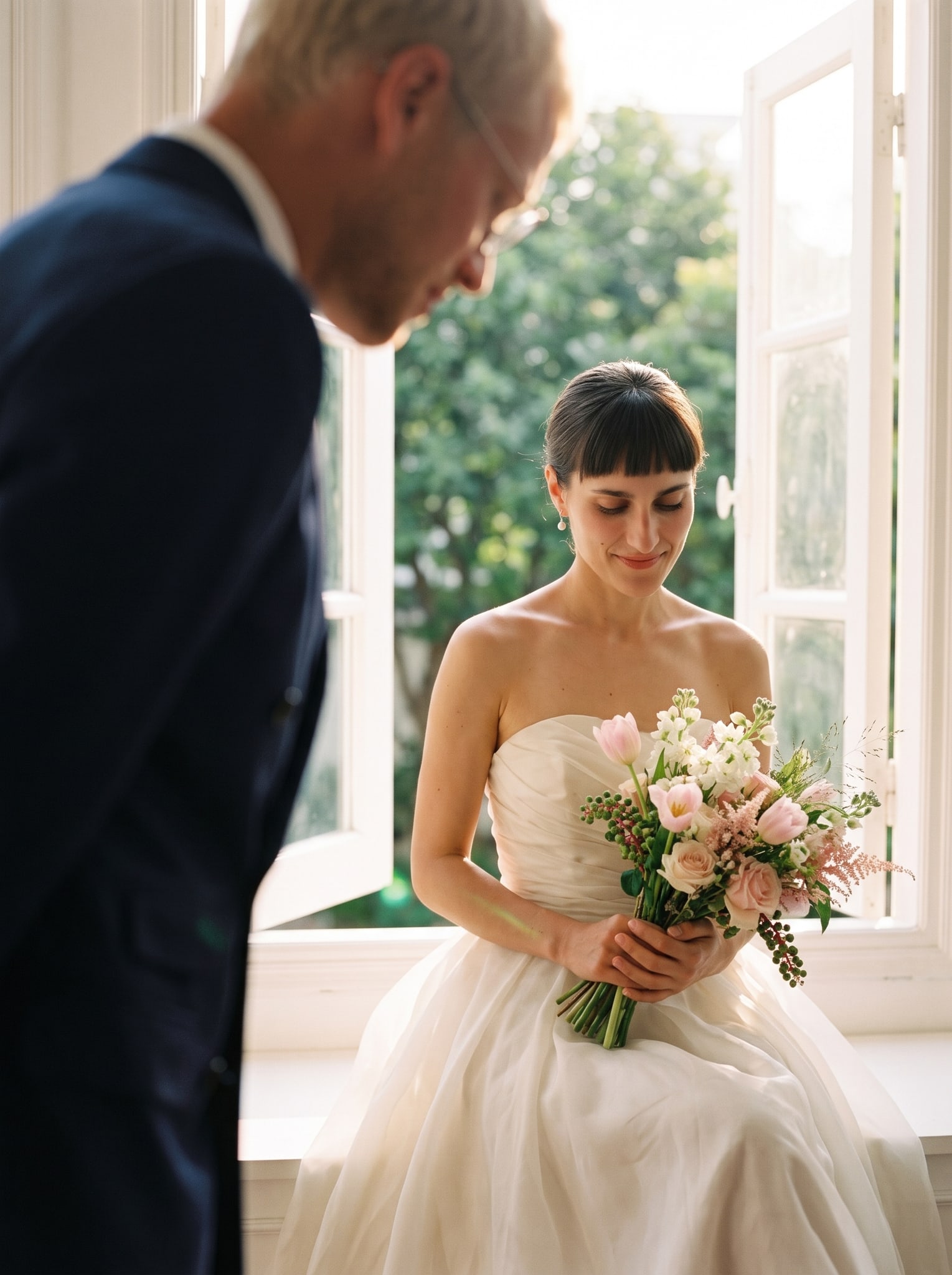
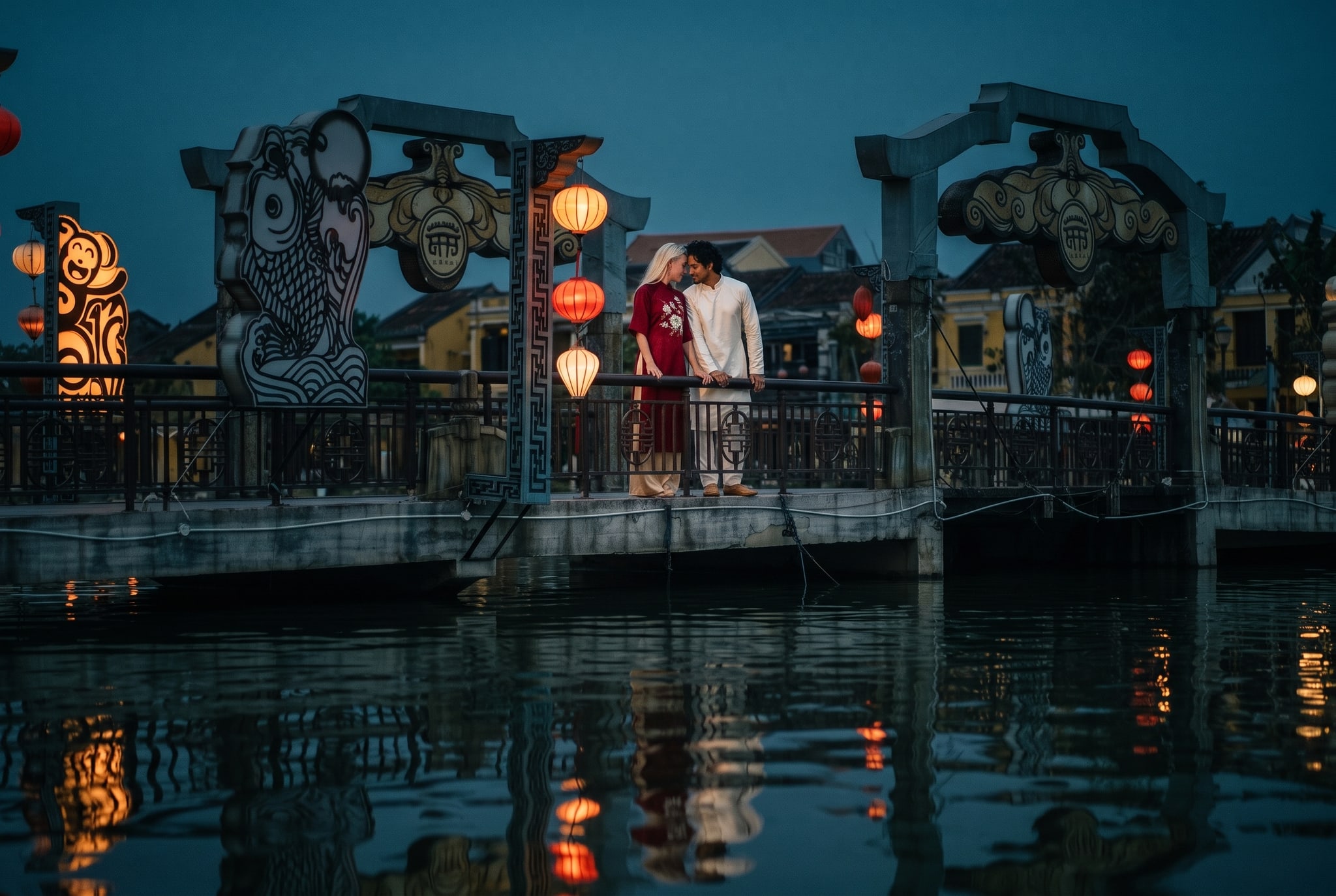
Áo dài creates reverence and formality—the flowing silk reads as deliberate, cultural respect on camera. Western casual wear (tailored linen shirt, neutral trousers) signals ease and intimacy. We've shot both successfully at Trần Quốc; the choice depends on your relationship story and energy. Áo dài suits couples seeking heirloom-quality frames; casual suits those who want candid, movement-heavy moments. Most of our pre-wedding clients book hybrid shoots with one outfit change, so you aren't choosing—you're doubling the visual range.
What colors photograph best against Trần Quốc's architecture?
Soft blush, cream, pale blue, and warm taupe ground the viewer's eye on the couple, not the temple. Deep jewel tones—emerald, sapphire, burgundy—can recede in shadow near the pagoda's dark wooden interiors. On the riverside stone plaza, pure white overblows in midday sun; our team usually suggests shooting there early morning (6:30–8:30 a.m.) or late afternoon (4:30–6:30 p.m.) to control contrast. Áo dài in traditional colors—crimson, lavender, gold—photograph brilliantly regardless of time because the fabric's sheen and drape catch diffused light naturally. We've never regretted a couple's áo dài choice in the final gallery; casual Western outfits need deliberate color theory, or they fade into the stone.
How do we dress for humidity and wet temple steps?
April through September, the Red River mist and temple spray coat stone tiles. Wear breathable, fitted fabrics that won't cling or billow uncontrollably—cotton-linen blends work better than pure silk for Western wear (silk sticks to skin in 85%+ humidity). For áo dài in humid months, request lightweight silk or cotton-áo-dài blends; traditional silk wrinkles visibly under sweat. Footwear is critical: rubber-soled flats or sandals with grip (leather soles slip catastrophically on wet stone). We've had couples arrive in formal heels; they shoot in borrowed sandals or go barefoot, which actually photographs beautifully on the riverside steps but requires pedicure attention. Pack an extra shirt for your partner if cotton is chosen—humidity means visible sweat within 90 minutes.
See packages and prices on vietnamphotoshoot.com
What should we avoid wearing?
Busy geometric or animal prints compete visually with the pagoda's intricate carved details and steal focus from your interaction. Logos, slogans, and band merchandise read as casual noise in a spiritual space—keep accessories minimal and intentional. Reflective fabrics or shiny synthetics (polyester, nylon) produce uncontrolled glare and color shifts under sun and water reflection. Oversized or baggy silhouettes, however trendy, dilute the compositional frame and often make couples look disconnected. Unmatched energy (one áo dài, one t-shirt) signals visual dissonance unless intentional; we advise planning the vibe together. Avoid new, stiff fabrics that haven't been worn; they move unnaturally on camera. Bring comfortable clothes to change into between outfit shots—sitting in formal wear for setup and touch-up time is miserable and shows in your face.
Do we need to match or coordinate our outfits?
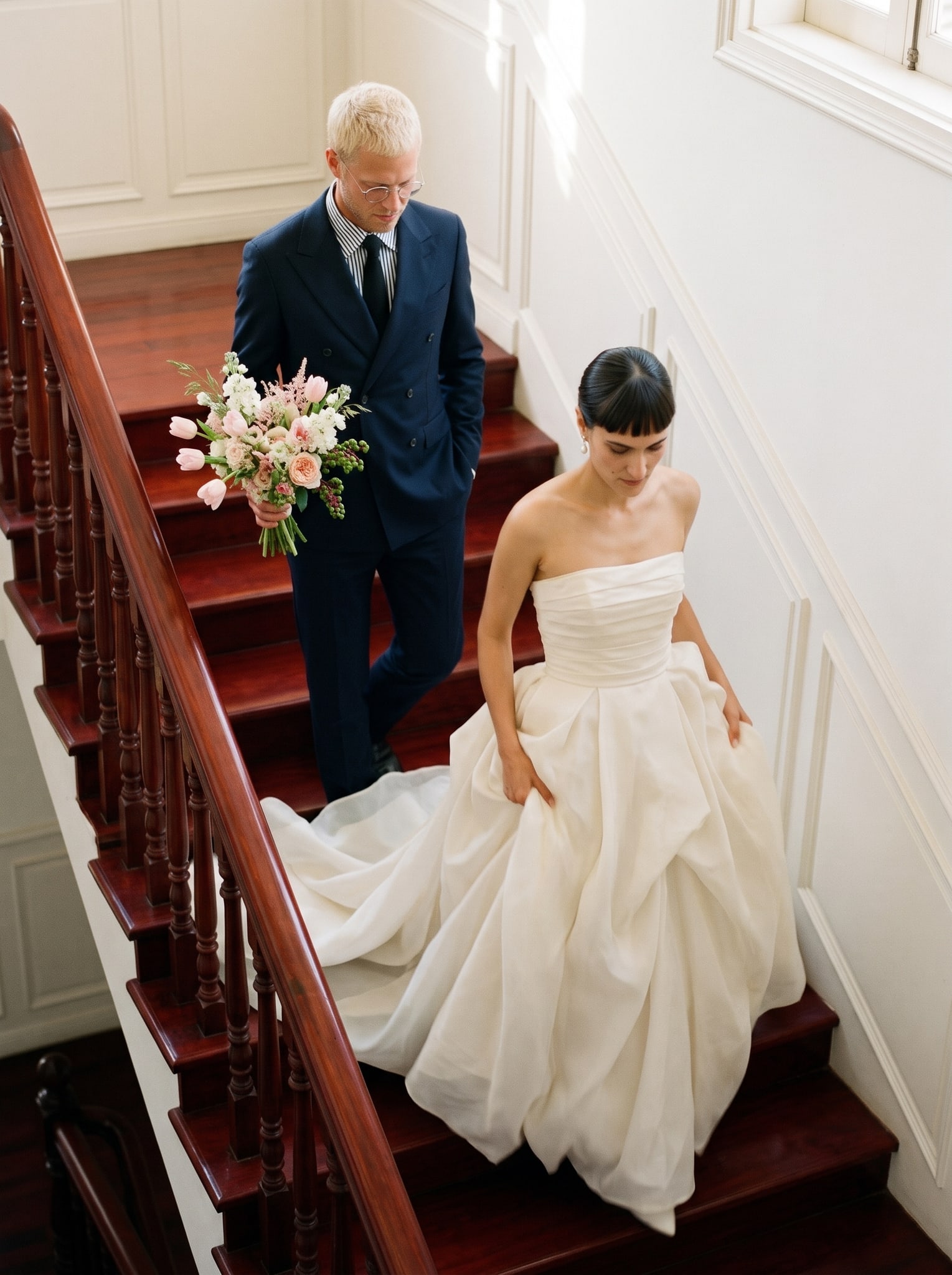
Matching creates symmetry and wedding-day formality; coordination (same color family, different silhouettes) feels more contemporary and authentic. We see successful shoots in both camps. Matching works when both partners are comfortable in similar styles—two áo dài, or two linen shirts and neutral pants. Coordination is kinder to couples with different body confidence or cultural comfort levels: one partner in áo dài, one in tailored casual wear in a complementary neutral. A comparison of these approaches in our experience:
| Approach | Best for | Visual impact | Coordination effort |
|---|---|---|---|
| Full match (both áo dài) | Traditional aesthetic, formal proposal or anniversary | Unified, ceremonial, timeless | Moderate—both find right color/fit |
| Full match (both casual) | Relaxed, contemporary vibe | Cohesive, editorial, modern | Low—easier to coordinate linen tones |
| Partial coordinate | Mixed comfort or cultural preference | Dynamic, authentic, storytelling | Medium—match one element (color or formality) |
| Contrast intentional | Bold artistic direction | Fashion-forward, editorial | High—requires styling confidence |
We advise chatting with our stylists before arrival; they've seen every pairing and can suggest what flatters your body types and relationship dynamic.
How far in advance should we decide on outfits?
Decide 2–3 weeks before your shoot. This gives time to source áo dài (if ordering custom or renting), confirm Western pieces fit well, and handle last-minute adjustments. Many international guests ship áo dài from abroad or rent from Hanoi vendors; customs delays happen. We coordinate makeup and hair color and style in final calls with outfit photos, so finality matters. If you're unsure and arriving without firm plans, message us 5–7 days prior with body type and aesthetic preferences; our team can suggest local rental shops and describe what we typically see work at Trần Quốc.
Should we hire a stylist for outfit selection?
If you're unfamiliar with Vietnamese fashion, traveling with limited luggage, or culturally new to áo dài, hiring a stylist through your photoshoot package saves decision fatigue and photo regret. A stylist works with you 24–48 hours beforehand to finalize color, fit, and hair/makeup harmony. Our couple package includes basic styling consultation; upgraded pre-wedding and elopement sessions add dedicated wardrobe curation. International couples often don't realize how formal or casual Hanoi's fashion norms are; a stylist bridges that gap without judgment. Most of our returning clients wish they'd booked a stylist on their first shoot; by the second, they do.
What to check before you buy or commit to an outfit
- Fit and comfort: Wear the outfit for 4+ hours at home. Stiff, tight, or restrictive pieces will show tension in your photos.
- Fabric weight and breathability: Check humidity forecasts for your shoot date. Test the outfit in a warm bathroom (humidity simulator) if booking in May–September.
- Color consistency: Photograph your outfit in natural daylight and indoor light before the shoot. What looks perfect in store lighting may clash or fade outdoors.
- Footwear grip: Test shoes on a wet surface or tile at home. Slipping on temple steps mid-shoot kills the moment and trust.
- Laundry and care: Confirm you can wash, iron, and prepare the outfit the night before without stress. Wrinkled silk reads poorly on camera.
- Cultural sensitivity: If wearing áo dài for the first time, ask a Vietnamese friend or our team for fitting feedback. Improper length, orientation, or color can unintentionally send wrong messages in this cultural context.
- Backup plan: Have a second casual outfit option in your luggage in case the primary choice feels wrong on shoot day. Crew morale improves when backup is ready.
Why timing and location matter at Trần Quốc
Trần Quốc's stone plaza faces east toward the Red River. Morning light (6:30–8:30 a.m.) skims the pagoda walls, creating dramatic shadow and texture; it's also cooler and less crowded. Midday sun (11 a.m.–2 p.m.) floods the space evenly but produces harsh shadows under eyes and cheekbones—require sunscreen and strong direction from photographer. Afternoon (4–6 p.m.) backlights the pagoda and couples beautifully, but the site gets congested with tourists and local joggers. We typically book Trần Quốc sessions in early morning or late afternoon slots and wear light, breathable clothes that won't show stress sweat or wrinkles in strong directional light. If your shoot date falls on weekends or national holidays, expect crowds and longer setup between shots; plan outfit changes in lower-traffic interior areas (small prayer halls on the pagoda grounds).
See packages and prices on vietnamphotoshoot.com
FAQ
Can we wear Western formal wear (suit and dress) at Trần Quốc Pagoda?
Yes, formal Western wear photographs sharply in morning or late-afternoon light. Dark suits can look heavy in shadows near the pagoda's wooden structures; we suggest lighter tailoring (cream, pale gray, soft blue) or separates (vest + shirt, structured dress) for better contrast and movement. Heels are risky on wet stone; opt for formal flats or elegant sandals.
If we rent an áo dài in Hanoi, how much time should we allow?
Most rental shops (on Hang Gai street near Hoan Kiem Lake) require 2–5 days for custom fitting or alterations. Same-day rental exists but limits color and size options. We recommend arriving 1 week before your shoot and visiting rental shops by day two; this guarantees your choice fits comfortably and allows time for emergency adjustments.
What if one of us feels uncomfortable in áo dài or formal wear?
Discomfort shows in every frame. We always offer half-and-half options: one partner in áo dài, one in casual neutral wear, or both in tailored casual if cultural or personal preference calls for it. Authenticity in the photo matters more than rigid tradition; let our team know early via WhatsApp, and we'll reshape the shoot concept without judgment.
Should we break in new clothing before the shoot, or wear it fresh?
Break it in. Wear new áo dài or formal pieces for 2–4 hours at home before the shoot day. This softens stiffness, confirms fit, and surfaces any uncomfortable seams or rubbing points. Unworn garments often shift, gape, or pinch during movement and extended photography, and that discomfort reads clearly on camera.
Do seasonal changes (monsoon, heat, cold) affect outfit recommendations?
Absolutely. November–January (cool, dry) allows layering and heavier silks; March–May (hot, humid) demands lightweight, moisture-wicking fabrics and early-morning shoots; June–September (monsoon) calls for breathable materials and waterproof prep. We chat with guests about their shoot date and local climate 2 weeks prior, then suggest fabric types and timing to maximize comfort and image quality.
Can we change outfits more than once during a session?
Yes. Our couple packages typically include one wardrobe change; extended pre-wedding sessions often allow two or three, depending on shoot length and your preference. Additional changes add time and setup transitions. Let us know your vision early so we can allocate time fairly across all outfit looks and locations at Trần Quốc.
Pre-Wedding & Elopement
Inclusions, prices and booking are on our booking site.
FAQ
Can we wear Western formal wear (suit and dress) at Trần Quốc Pagoda?
Yes, formal Western wear photographs sharply in morning or late-afternoon light. Dark suits can look heavy in shadows near the pagoda's wooden structures; we suggest lighter tailoring (cream, pale gray, soft blue) or separates (vest + shirt, structured dress) for better contrast and movement. Heels are risky on wet stone; opt for formal flats or elegant sandals.
If we rent an áo dài in Hanoi, how much time should we allow?
Most rental shops (on Hang Gai street near Hoan Kiem Lake) require 2–5 days for custom fitting or alterations. Same-day rental exists but limits color and size options. We recommend arriving 1 week before your shoot and visiting rental shops by day two; this guarantees your choice fits comfortably and allows time for emergency adjustments.
What if one of us feels uncomfortable in áo dài or formal wear?
Discomfort shows in every frame. We always offer half-and-half options: one partner in áo dài, one in casual neutral wear, or both in tailored casual if cultural or personal preference calls for it. Authenticity in the photo matters more than rigid tradition; let our team know early via WhatsApp, and we'll reshape the shoot concept without judgment.
Should we break in new clothing before the shoot, or wear it fresh?
Break it in. Wear new áo dài or formal pieces for 2–4 hours at home before the shoot day. This softens stiffness, confirms fit, and surfaces any uncomfortable seams or rubbing points. Unworn garments often shift, gape, or pinch during movement and extended photography, and that discomfort reads clearly on camera.
Do seasonal changes (monsoon, heat, cold) affect outfit recommendations?
Absolutely. November–January (cool, dry) allows layering and heavier silks; March–May (hot, humid) demands lightweight, moisture-wicking fabrics and early-morning shoots; June–September (monsoon) calls for breathable materials and waterproof prep. We chat with guests about their shoot date and local climate 2 weeks prior, then suggest fabric types and timing to maximize comfort and image quality.
Can we change outfits more than once during a session?
Yes. [Our couple packages](/go/couple-photoshoot) typically include one wardrobe change; [extended pre-wedding sessions](/go/pre-wedding-photoshoot) often allow two or three, depending on shoot length and your preference. Additional changes add time and setup transitions. Let us know your vision early so we can allocate time fairly across all outfit looks and locations at Trần Quốc.
More from the team
Elopement Photos at Mui Ne Fishing Village: What We Shoot
Mui Ne fishing village offers intimate sand dunes, colourful boats, and golden-hour light that feel timeless for elopement photography. We've shot dozens of couples there—here's what we learned.
Pre-wedding photoshoot in Hue in November: weather, light and crowds
November in Hue is one of Vietnam's most predictable months for outdoor photography. We've run dozens of sessions there and want to share what actually happens on the ground—the light, the crowds, and the decisions we make hour by hour.
Pre-wedding photoshoot in Hue in August: weather, light and crowds
August in Hue brings intense heat and unpredictable afternoon rain. We've run dozens of pre-wedding shoots there and learned what time of day works, which locations stay dry longest, and how to keep your hair and makeup perfect in the humidity.