 Cáo Studio
Home › Blog › Special Concept Shoot
Wheelchair Accessible Photo Spots in Hanoi: Where We Shoot
By the Cáo Studio team · Hanoi & Saigon · 2026-11-04
Hanoi's best accessible photo spots include the restored French Quarter (flat limestone pavements, wide sidewalks near Hoan Kiem Lake), Tran Quoc Pagoda's outer grounds (level approach, no interior steps required), and the Hanoi Opera House forecourt (wheelchair-friendly plaza, excellent light for ao dai). Cáo Studio scouts every location 48 hours before a shoot: we measure doorway widths, test ramp gradients, confirm parking proximity, and brief our team on route changes. Most indoor venues—hotels, studios, museums—require advance notice; we call ahead. Plan 3–4 hours for a standard session; allow extra time for terrain assessment. Ask us on WhatsApp to discuss specific mobility needs; we'll map the exact route, identify rest stops, and adjust timing. Chat with us on WhatsApp
What makes a Hanoi photo location truly wheelchair-accessible?
Accessible doesn't mean level only—we look for ramps ≤1:12 slope (1 meter rise per 12 meters distance), firm surfaces (sealed asphalt, not gravel), doorways ≥80 cm wide, and parking ≤50 meters from the shoot entrance. Hanoi's Old Quarter has narrow medieval alleys; the French Quarter, built on a grid, offers better access. We've discovered that municipal playgrounds near Hoan Kiem (Ba Dinh district) have smooth concrete, designated parking, and minimal foot traffic during 6–8 a.m. shoots. The key: we physically visit each spot and measure. Generic "accessible" claims from venue websites often omit curb cuts, bathroom access, or ground stability—we verify ourselves before confirming a location with guests.
See packages and prices on vietnamphotoshoot.com
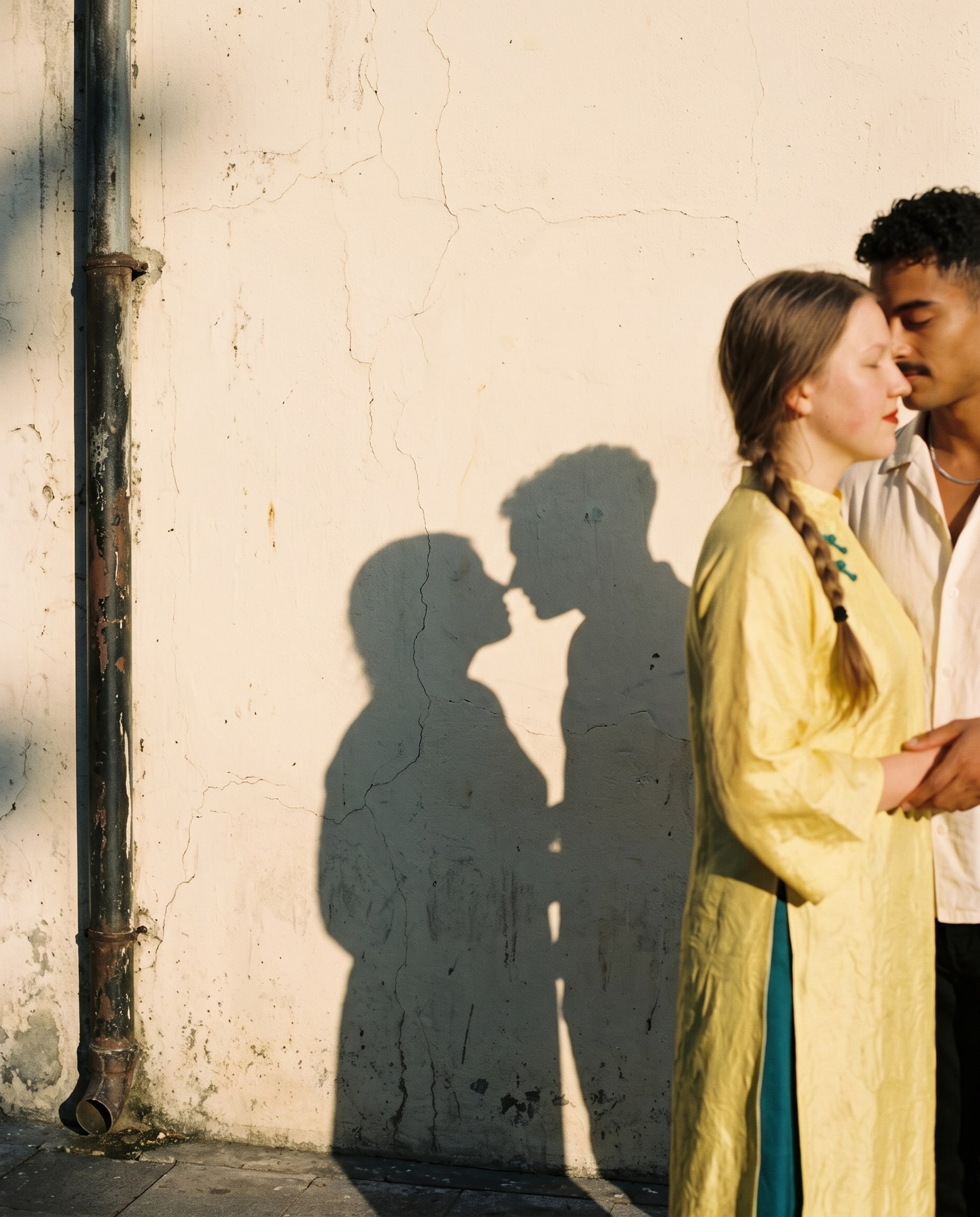
Which French Quarter streets photograph best for ao dai on wheels?
Hang Ngang and Hang Dao streets have been widened; their pavements are mostly flat and wide enough for a wheelchair plus a photographer backing up. Hang Gai (near St. Joseph Cathedral) has cobblestone sections—we avoid those because wheels slip and bump. We often use the broad plaza outside Hanoi's Old Town Hall (Toa Thanh Pho) at dawn: it's traffic-free until 7 a.m., completely flat, and the colonial architecture frames ao dai beautifully. The rue Hue–Ngo Huyen junction has a small accessible garden; we've shot couples there at sunset with no crowds. Street shooting requires early timing—before vendor carts deploy—but the payoff is authentic Hanoi light and space.
How do we navigate Tran Quoc Pagoda's grounds if steps are involved?
Tran Quoc Pagoda (Tran Phu Street, Ba Dinh) sits on a peninsula in the Red River; the main temple has steps, but the outer grounds—a 2-hectare lawn and landscaped garden—are accessible via a gentle sloped entry road. We enter from the north gate (wheelchair-friendly parking nearby) and stay on the perimeter paths; the views of the red river and Hanoi's skyline are exceptional. The temple grounds maintain paved paths between heritage trees. We've coordinated with monks to confirm shooting hours and ensure paths are clear. This location works for ao dai photoshoot packages because the open lawn offers unobstructed backdrops; the 45-minute walk-through is manageable in a wheelchair.
What role does hotel shoot setups play for mobility-limited guests?
Many international guests book hotel room and lobby shoots to avoid outdoor terrain entirely—a pragmatic choice. Makeup and hair at your hotel means our team arrives with lighting, and you stay in one accessible building. Hanoi's luxury hotels (Metropole, Hilton, Sofitel Legend) have accessible rooms, elevators, and spacious lobbies with good light from tall windows. We've shot couple photoshoots in hotel corridors and courtyards; these venues guarantee climate control, accessible restrooms, and rest areas. The trade-off: outdoor authenticity for indoor comfort and predictability. For guests with mobility concerns, hotel shoots often yield the best image-to-effort ratio. We factor in 30 minutes for lighting setup and guest rest between outfit changes.
Which parks near Hanoi combine accessibility, beauty, and light?
Thong Nhat Park (Ba Dinh, 50 hectares) has designated accessible parking, smooth asphalt loop paths, and open meadows ideal for ao dai shots. We typically shoot there 6–7 a.m., before joggers dominate. Ly Thai To Park (Hoan Kiem lakeside) has uneven sections but the western waterfront promenade (near the Puppet Theatre) is paved and flat; wheelchair users share it with cyclists, so we time shoots for dawn. Lenin Park (near Cau Giay) is less crowded; its pathways are firm, and we've used the stone bridge and waterside backdrops for family photoshoots without obstacles. The unspoken rule: we always scout the specific path 2 days before a session and brief the mobility-assist attendant (if any) on terrain and timing. Hanoi's parks are free, well-maintained, and quiet during off-peak hours.
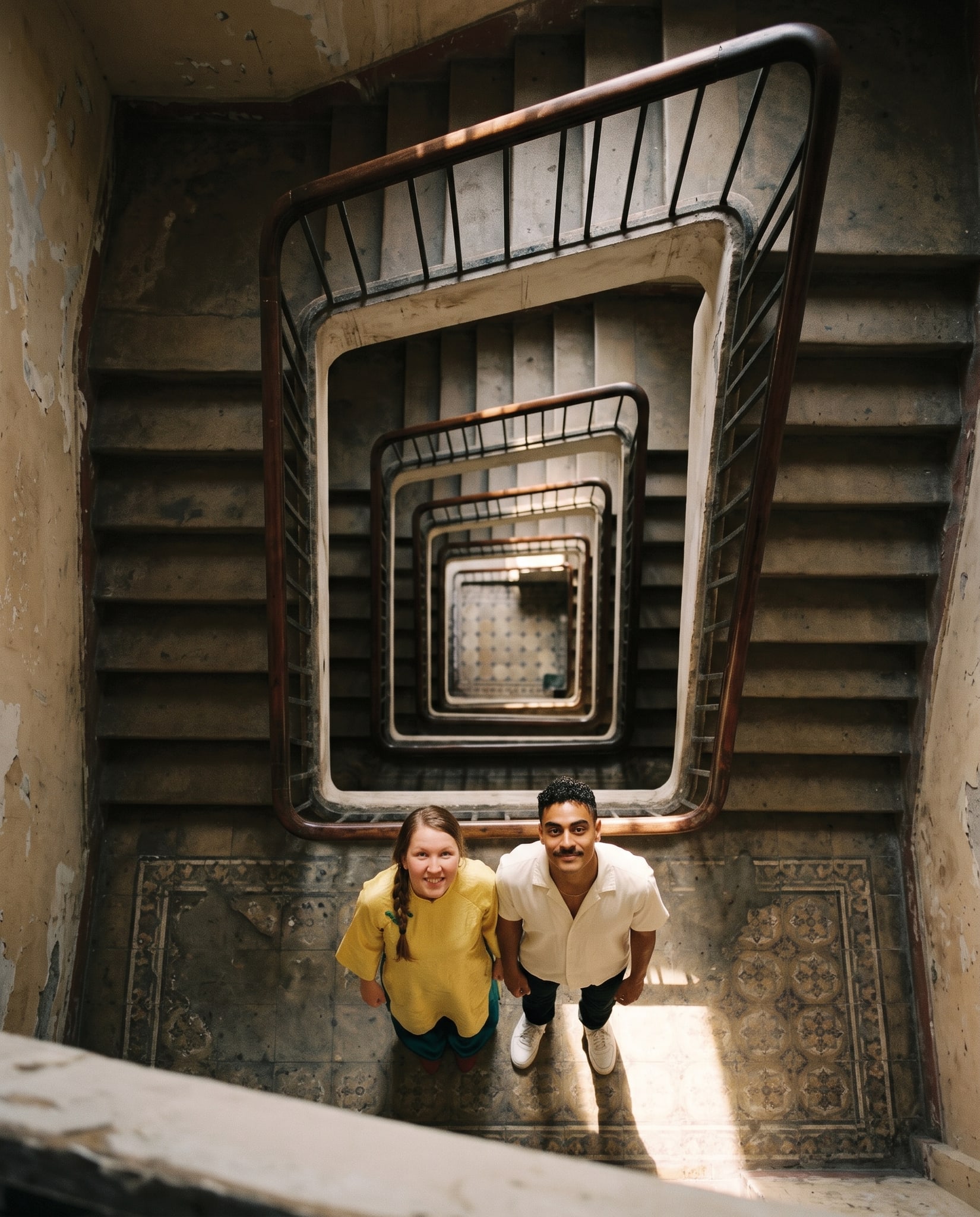
Location Accessibility Comparison (Cáo Studio Field Scouting)
| Venue | Wheelchair Suitability | Surface | Parking Proximity | Light Quality | Best For | Rest Facilities |
|---|---|---|---|---|---|---|
| French Quarter (Hang Ngang–Dao) | Excellent (flat, wide) | Sealed asphalt | On-street, 2 min walk | Golden, uncluttered | Ao dai, couples | Cafés nearby |
| Tran Quoc Pagoda grounds | Good (perimeter paths) | Paved + grass | 150 m ramp access | Soft, riverside | Couples, family | Temple pavilion |
| Thong Nhat Park | Excellent (loop paths) | Firm asphalt | Designated lot | Consistent, open | Family, solo | Restrooms inside |
| Hotel lobby/courtyard | Excellent (engineered) | Tile, sealed | Valet at entrance | Controlled, bright | Couple, proposal | Full hotel access |
| Ly Thai To Park (promenade) | Good (water edge only) | Paved stone | 100 m to path | Reflective, morning | Solo, couple | Public restrooms |
How do we communicate accessibility needs before a shoot?
We ask detailed WhatsApp questions 7 days ahead: Does your wheelchair fold? Do you need a mobility aide present? Any terrain types to avoid? Preferred rest frequency? Medication or heat sensitivity? We've learned that "accessible" means different things—someone in a manual chair handles slopes differently than a power-chair user. We also confirm weather, because rain turns Hanoi's brick pathways slick. We send a location map, photo samples from that venue, and the exact route we'll use. If a guest prefers an unscripted alternative, we suggest venues on the spot during pre-shoot calls. Transparent communication prevents surprises and lets our styling and makeup teams prepare correctly (e.g., longer-wear foundation for outdoor sessions, moisture-wicking layers under ao dai).
See packages and prices on vietnamphotoshoot.com
What to Check Before You Book a Shoot in Hanoi
1. Venue Surface. Ask us for specifics: sealed asphalt, brick, grass, or mixed? Uneven surfaces slow a wheelchair and tire the user.
2. Rest Stops. How far between seating? Hanoi heat (30–35°C in warm months) exhausts quickly on wheels.
3. Doorway & Ramp Widths. We measure ≥80 cm doorways and test ramps; we'll confirm dimensions in advance.
4. Parking. Must be ≤100 m from the shoot start. Hanoi's Old Quarter has limited accessible parking; we book it or choose hotel venues.
5. Weather Impact. Rain + brick = slip risk. We reschedule or pivot indoors; ask us for contingency venues when you book.
6. Mobility Aide Support. If a guest brings an aide, we coordinate roles to avoid crowding camera sight lines. Tell us early.
7. Timing & Daylight. We shoot 6–8 a.m. or 4–6 p.m. to avoid midday heat and crowds. Confirm your energy level and medication schedule.
Real Moments We've Learned from Accessible Shoots
A couple's pre-wedding shoot at Tran Quoc Pagoda last year: the groom used a manual wheelchair, and we initially planned the full temple tour. During our 48-hour scout, we realized the inner staircase was steep and uneven. We pivoted to the outer gardens—same romantic framing, zero barriers. The bride said the lawn shots felt less "tour" and more intimate. We've also discovered that early-morning shoots (6 a.m. start) work best for guests managing fatigue; fewer people, cooler air, and golden light mean we finish by 8 a.m., leaving the guest's day open for rest. One family shoot in Thong Nhat Park: the grandmother used a wheelchair, and we positioned the family on a patch of level grass so she didn't feel isolated in the frame. Small detail, big impact. We now ask every family to suggest a comfort configuration, then build the shot around it.
For custom location ideas or to adapt special concept shoots, vacation shoots, or proposal packages to your mobility needs, message us. We'll tailor the route, timing, and logistics. Our Hanoi studio handles all logistics; we meet you at the accessible entrance.
FAQ
Can we shoot indoors if Hanoi's outdoor terrain feels too risky?
Yes. Hotel rooms, studios, and museum lobbies are fully accessible. Makeup and hair at your hotel means zero outdoor navigation. Indoor venues guarantee climate control and rest areas; the trade-off is less natural light and authentic city backdrop.
How far in advance must we tell you about mobility needs?
At least 7 days. We need time to scout the exact route, confirm venue accessibility, and coordinate with our team on pacing and rest stops. Last-minute changes are harder but sometimes possible—message us immediately if needs shift.
Will other people stare during an outdoor photoshoot if I use a wheelchair?
Early shoots (6–8 a.m.) have minimal foot traffic in Hanoi. We also position our team to frame shots tightly, keeping background crowds out. Hotel and park venues at dawn are quiet; Old Quarter streets are busier even early, so we factor that into your comfort preference.
Can our mobility aide stay in the frame or do they need to step aside?
Either. We coordinate with your aide so they're either in family/couple shots or positioned just outside the frame, ready to assist quickly. Tell us your preference beforehand.
Do ramps and accessible entrances affect how the photos look?
No. We frame shots to exclude vehicle access and utility areas. The final images showcase the venue's beauty—lake views, colonial architecture, gardens—not logistical infrastructure. Hanoi's accessible spots are also photogenic.
What happens if weather turns bad on shoot day?
We reschedule or move indoors (hotel/studio). Wet brick in the Old Quarter is slippery for wheelchairs. We'll confirm a backup venue when you book and keep flexibility in the booking so you don't lose your session.
Special Concept Shoot
Inclusions, prices and booking are on our booking site.
FAQ
Can we shoot indoors if Hanoi's outdoor terrain feels too risky?
Yes. Hotel rooms, studios, and museum lobbies are fully accessible. [Makeup and hair at your hotel](/go/makeup-and-hair) means zero outdoor navigation. Indoor venues guarantee climate control and rest areas; the trade-off is less natural light and authentic city backdrop.
How far in advance must we tell you about mobility needs?
At least 7 days. We need time to scout the exact route, confirm venue accessibility, and coordinate with our team on pacing and rest stops. Last-minute changes are harder but sometimes possible—message us immediately if needs shift.
Will other people stare during an outdoor photoshoot if I use a wheelchair?
Early shoots (6–8 a.m.) have minimal foot traffic in Hanoi. We also position our team to frame shots tightly, keeping background crowds out. Hotel and park venues at dawn are quiet; Old Quarter streets are busier even early, so we factor that into your comfort preference.
Can our mobility aide stay in the frame or do they need to step aside?
Either. We coordinate with your aide so they're either in family/couple shots or positioned just outside the frame, ready to assist quickly. Tell us your preference beforehand.
Do ramps and accessible entrances affect how the photos look?
No. We frame shots to exclude vehicle access and utility areas. The final images showcase the venue's beauty—lake views, colonial architecture, gardens—not logistical infrastructure. Hanoi's accessible spots are also photogenic.
What happens if weather turns bad on shoot day?
We reschedule or move indoors (hotel/studio). Wet brick in the Old Quarter is slippery for wheelchairs. We'll confirm a backup venue when you book and keep flexibility in the booking so you don't lose your session.
More from the team
Dating Profile Photos Hanoi: What Cáo Studio Shoots in Real Sessions
Dating profile photos need to balance honesty with your best self. We shoot dozens every month in Hanoi—here's what we've learned about what actually works, what clients worry about, and how we guide you through it.
Photoshoot Contract and Usage Rights for Travelers
When you book a photoshoot in Vietnam, the contract details matter more than the package name. We walk through what rights you actually get, what the studio keeps, and red flags to spot before you sign.
Photo spots near District 1 hotels: what Cáo Studio shoots on location
District 1 hotels sit steps from Saigon's most photogenic corners. We shoot there weekly and know which spots work at dawn, which light dies by noon, and where security will move you.