 Cáo Studio
Home › Blog › Special Concept Shoot
Hanoi Winter Photoshoot Outfits: What We Style on Set
By the Cáo Studio team · Hanoi & Saigon · 2026-11-01
Hanoi winter photoshoots run best in layers: a fitted base (turtleneck, long-sleeve tee), a structured outer piece (wool coat, linen blazer, denim jacket), and bottoms that don't cling. Temperature ranges 10–20°C; guests often over-bundle and lose posture. Cáo Studio stylists always bring 3–4 backup options to every shoot because what looks good on a hanger can feel stiff or swallow the body on camera. The right outfit lets you move naturally, keeps your silhouette clear, and works with Hanoi's grey-soft light. Most guests spend 1–2 hours shooting; plan fabrics that breathe under studio lights or direct sun. Avoid heavy velvet, thick knits that catch light awkwardly, or anything that wrinkles in minutes. Ask us for guidance on WhatsApp 48 hours before arrival. Chat with us on WhatsApp | See packages and prices on vietnamphotoshoot.com
What do winter layers actually look like on camera?
Layering isn't just warmth—it's a framing tool. A fitted turtleneck under an open linen blazer creates clean lines without bulk. We've shot hundreds of Hanoi winter sessions, and the best outfits share one trait: each piece has a distinct edge or texture so light reads the silhouette, not a blob. When a guest wears a chunky knit under a thick coat, the camera flattens them. A fine merino turtleneck under a crisp denim jacket? That reads. Wool blazers work brilliantly in winter light because the weave catches definition. Avoid anything polyester-heavy; it photographs flat and sometimes gleams under flash. Cotton, linen, and quality wool are our go-to base fabrics because they move with your body and don't betray tension in your shoulders.
What to check: Try your outfit sitting and in motion. If you can't sit comfortably or raise your arms without pulling, it's too tight. Layers should add texture, not inches.
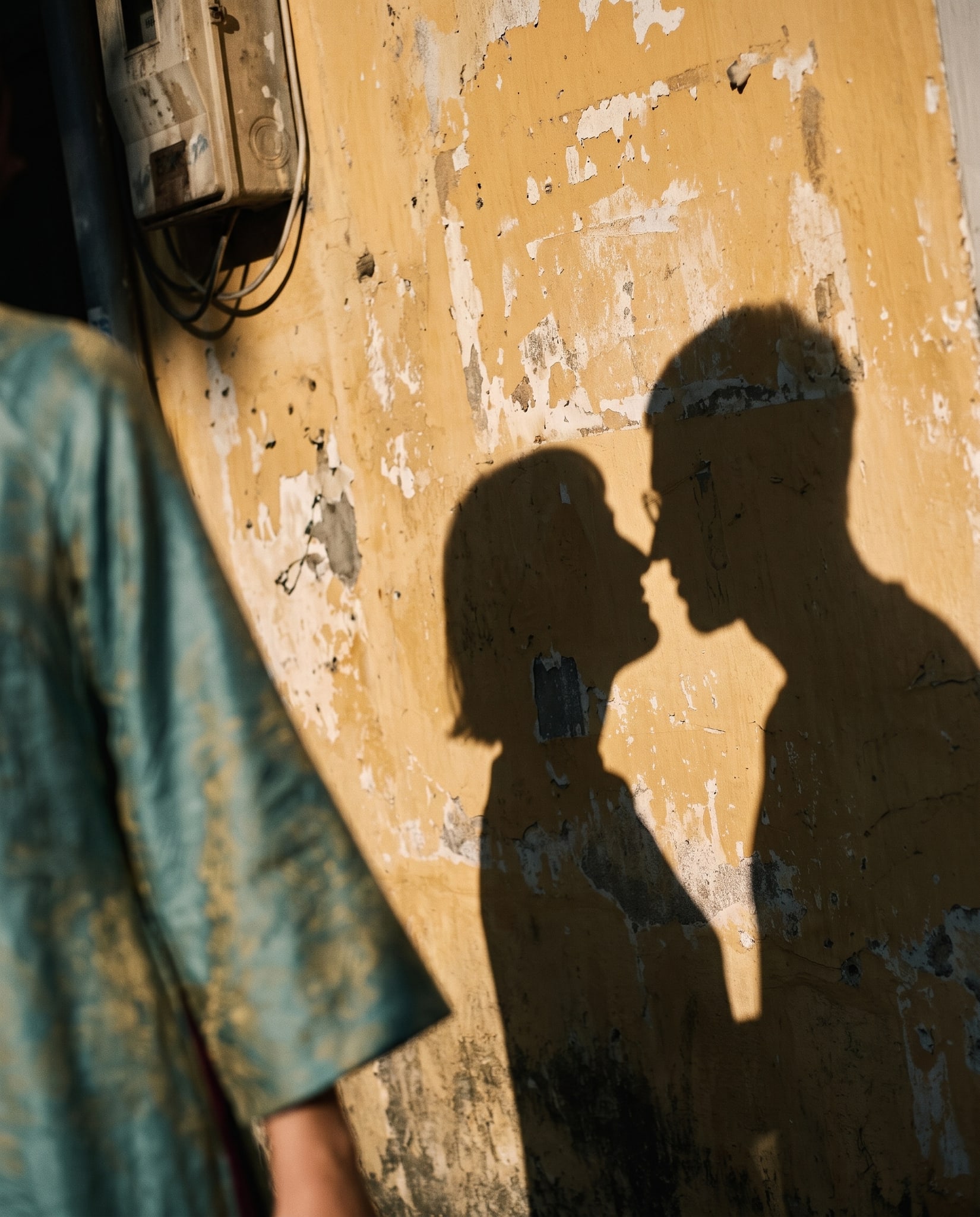
Should winter outfits be dark or light?
Hanoi's winter sky is often overcast—soft, flat grey light. Light colors (cream, soft grey, pale blue) reflect that light and can look washed out unless you're intentional. Dark colors (charcoal, deep navy, black) anchor the frame and make skin pop, especially when mixed with lighter layers. We typically style one dark piece and one neutral or warm tone to avoid a funeral aesthetic. A cream silk shirt under a charcoal coat reads expensive and timeless. All black reads elegant but can blur your face if posture isn't perfect; we only choose all-black for guests who are very comfortable moving. Pastels (soft pink, pale yellow, sage) work beautifully if you have the right undertone and if the light is midday sun—in overcast Hanoi, pastels can make you look ill. We always test on a test shot first and adjust if needed. The best winter palettes use contrast: cream + charcoal, warm beige + forest green, white + camel.
One-sentence rule: One neutral anchor (dark or warm), one secondary color, nothing more; let your face be the color story.
How do fabrics perform under Hanoi's winter light and humidity?
Hanoi November–February averages 60–75% humidity. Cotton and linen breathe; silk drapes without clinging; wool holds structure. Synthetic blends (polyester mixes) trap moisture and cling to skin, which reads as unflattering and unflattering under flash. We've had guests arrive in stretchy athleisure blends and by hour 1.5 they were visibly damp. Humidity also affects how fabric sits on the body—a silk blouse may cling slightly, which we either adjust with a blazer or shoot looser poses. Denim is reliable year-round but must be fitted (not skinny, not oversized) or it either constricts movement or reads sloppy. Wool feels stiff cold but loosens as you warm up under the shoot lights; guests often ask "why can't I move?" in the first 20 minutes. We tell them: keep moving, the fabric will relax. Linen wrinkles—that's not a bug, it's a feature in winter; we style linen with intention (structured creases look intentional, random wrinkles don't).
| Fabric | Winter reads | Humidity risk | Movement | Lifespan on set |
|---|---|---|---|---|
| Cotton | Clean, reliable | Low cling | Free | 2+ hours |
| Silk | Elegant, fluid | Clings when damp | Excellent | 1.5 hours |
| Wool | Structured, rich | Minimal | Stiff first 30 min | 2 hours |
| Linen | Textured, relaxed | Wrinkles fast | Free | 1.5 hours |
| Polyester blend | Flat, cling-prone | High cling | Restricted | <1.5 hours |
Conclusion: pure natural fibers outperform blends in Hanoi winter light by at least one hour of comfort.
What do we actually pack as backup outfits on set?
On every Hanoi winter shoot, our stylists arrive with an assistant carrying 3 options beyond what the guest wears. One is always a warmer backup (thicker knit, heavier coat) for guests who underestimate the cold. One is a tonal shift (if the guest wore all dark, we bring cream or warm grey) to give variety for the gallery. One is a wildcard—maybe a structured jacket in a jewel tone, or a feminine piece if the first look was tailored. We've learned that "just one outfit" never survives a full shoot: a guest's shoes pinch, a neckline pulls, or the light changes and what worked at 10 a.m. doesn't work at 11:30. We also bring a steamer (battery-operated) because linen and cotton wrinkle. We keep cardigans, pashminas, and neutral layers on hand to add/remove warmth without changing the whole outfit. A backup pair of shoes in the same style but different brand sometimes saves a shoot because feet swell under pressure. Practical detail: we shoot in 2–3 locations around Hanoi (Old Quarter, West Lake, Truc Bach), so outfits must transition between indoor/outdoor light without shocking the eye. A heavy coat works in Old Quarter alleyways; it overwhelms at West Lake's open shore.
Pro detail: Pack your outfits flat in a carry-on. Rolled clothes wrinkle less than compressed. Arrive with everything ironed or steamed.
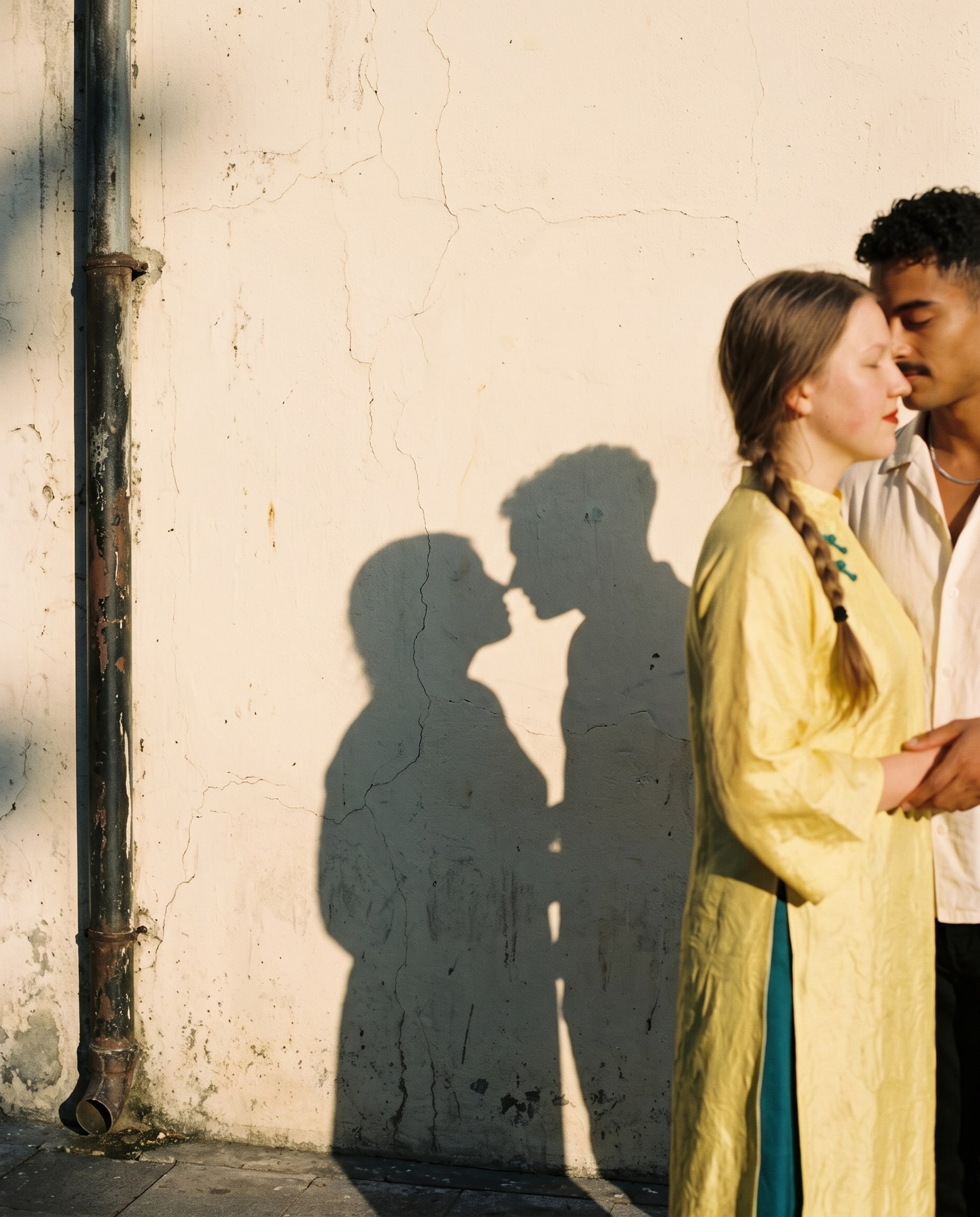
How do you style for movement and posture in winter gear?
Stiff, heavy outfits cause bad posture. When guests are cold or uncomfortable, they hunch, cross arms defensively, and tense the jaw—all of it shows. We style Hanoi winter shoots with "movement first": every piece must allow a natural arm swing, a seated position, and a slight lean without bunching. Oversized blazers look editorial but trap air and make posture collapse; we fit blazers close at the shoulder and let them ease at the hip. Turtlenecks must be merino or fine cotton; chunky turtlenecks choke the neck and tilt the head forward. Wide-leg pants look elegant but catch wind and feel ungrounded on uneven sidewalks (Old Quarter has terrible pavement); we prefer straight or slightly tapered legs with shoes that grip. Belts are a styling trick: a simple belt defines the waist and signals intentionality, which camera reads as confidence. Unbelted outfits can read sloppy even if they're expensive. Scarves and wraps are double-duty: they add texture, they keep you warm, and they give hands something to do (hands look awkward in winter when you can't pocket them naturally). A linen scarf draped loose (not wound tight) adds 10 minutes to posture—it feels like you're cradling something precious, which reads as poise.
The posture test: In your outfit, take 5 steps, sit on a low stool, reach to shoulder height. If any of this feels restricted, change the piece.
What to check before you book or buy
- Fit over warmth. A smaller size in fine merino beats a larger size in chunky knit. Hanoi winter isn't bitter; underestimate the cold slightly and you'll move better. Bring a light pashmina to drape if needed.
- Test colors in your home light first. That cream blouse might be yellow-cream or blue-cream. Bring the exact piece to WhatsApp beforehand if unsure. We'll advise.
- Shoe grip matters. Old Quarter and Hoi An shoots mean walking on wet, uneven brick. Smooth soles slip. Textured soles grip.
- Wrinkles aren't always bad. Intentional creases in linen read editorial. Random wrinkles read neglected. Steam everything 1 hour before.
- Backup layers are free insurance. A cardigan weighs nothing in a carry-on and saves a shoot if light shifts or you misjudge cold.
- Bring fabrics we can work with. If you own something in silk, fine wool, quality cotton, or linen—bring it. Synthetics fight us and fight light.
Ready to style a winter shoot in Hanoi? Our special concept shoots can build a whole wardrobe plan around your archive goals. Or if you're booking a couple photoshoot or family session, we style both of you so the outfits read as a set, not a clash. Chat with us on WhatsApp and send photos of 3–4 pieces you own; we'll build a shot list around them.
Chat with us on WhatsApp | See packages and prices on vietnamphotoshoot.com
Where in Hanoi do we shoot, and does it matter for outfit choice?
Old Quarter (Hanoi's historic core) has narrow, wet alleyways, soft ambient light bouncing off stone walls, and zero direct sun. Cream, soft grey, and jewel tones read beautifully here. West Lake and Truc Bach are open, windy, and catch midday or golden-hour sun; dark colors and textures grip the light better. Hoan Kiem Lake shoreline is exposed; layers must feel secure. We choose locations with the guest's outfit, not after—a cream linen suit screams Old Quarter; a structured wool coat owns West Lake. If you're booking a vacation and solo photoshoot covering multiple locations, plan one outfit for dense urban (Old Quarter), one for open water, and one neutral that works everywhere. Switching locations mid-shoot means switching outfits sometimes. We coordinate this on WhatsApp before the day.
Conclusion: Location and outfit should feel like they belong together, not imposed on each other.
Chat with us on WhatsApp | See packages and prices on vietnamphotoshoot.com
Explore more outfit decisions in our pre-wedding styling guide or book a session at Cáo Studio Hanoi to get real-time guidance from our team.
FAQ
Can I wear the same outfit for a 2-hour Hanoi winter shoot?
Yes, but we recommend changing once. The light shifts 20–30 minutes into a shoot; your first outfit may photograph differently by the end. A backup layer (different jacket, different shirt) resets the gallery without needing a full wardrobe change. Most guests bring 2–3 outfits total.
What if I pack an outfit and it looks terrible on set?
We always have backup pieces. If an outfit wrinkles badly, bunches, or clashes with the location's light, we style you into a backup or reconfigure layers. We've never cancelled a shoot due to outfit failure. Text us photos beforehand and we'll anticipate issues.
Do I need a professional stylist or can I pick outfits myself?
You can pick yourself, but our stylists add 1–2 hours of expertise to your gallery. We know which textures photograph, which colors work in Hanoi's light, and how to dress two people (couple shoots) so they look intentional together. Ask us about styling when you book.
Should I buy new clothes for a Hanoi winter shoot or wear what I own?
Wear what you own if it fits well and you feel like yourself. New clothes feel unfamiliar and that tension shows. We style around your existing pieces and recommend additions only if a gap exists. Send us a closet photo on WhatsApp; we'll advise.
What if I'm cold during the shoot and can't hide it?
We keep blankets, wraps, and heating packs on set. We also shoot fast; 2 hours of active shooting isn't long. Hanoi winter rarely drops below 10°C. Bring a layer you can remove (cardigan, unbuttoned coat) and you'll stay comfortable without sacrificing photos.
Special Concept Shoot
Inclusions, prices and booking are on our booking site.
FAQ
Can I wear the same outfit for a 2-hour Hanoi winter shoot?
Yes, but we recommend changing once. The light shifts 20–30 minutes into a shoot; your first outfit may photograph differently by the end. A backup layer (different jacket, different shirt) resets the gallery without needing a full wardrobe change. Most guests bring 2–3 outfits total.
What if I pack an outfit and it looks terrible on set?
We always have backup pieces. If an outfit wrinkles badly, bunches, or clashes with the location's light, we style you into a backup or reconfigure layers. We've never cancelled a shoot due to outfit failure. Text us photos beforehand and we'll anticipate issues.
Do I need a professional stylist or can I pick outfits myself?
You can pick yourself, but our stylists add 1–2 hours of expertise to your gallery. We know which textures photograph, which colors work in Hanoi's light, and how to dress two people (couple shoots) so they look intentional together. [Ask us about styling](/go/makeup-and-hair) when you book.
Should I buy new clothes for a Hanoi winter shoot or wear what I own?
Wear what you own if it fits well and you feel like yourself. New clothes feel unfamiliar and that tension shows. We style around your existing pieces and recommend additions only if a gap exists. Send us a closet photo on WhatsApp; we'll advise.
What if I'm cold during the shoot and can't hide it?
We keep blankets, wraps, and heating packs on set. We also shoot fast; 2 hours of active shooting isn't long. Hanoi winter rarely drops below 10°C. Bring a layer you can remove (cardigan, unbuttoned coat) and you'll stay comfortable without sacrificing photos.
More from the team
Fishing Village Concept Photoshoot Vietnam: How We Shoot It
A fishing village photoshoot captures Vietnam's working waterfront—nets, boats, morning light, real people. We share how our team runs these shoots from location scout to final delivery.
Cruise Stop Saigon Photoshoot at Phu My Port: Studio Guide
Cruise passengers have 8–12 hours in Saigon. We photograph guests right from Phu My Port, handling transport and changing rooms so you step off the ship and into an áo dài or couple session.
Cinematic Film Look Photoshoot Vietnam: Our Studio Guide
Cinematic film aesthetics—muted colour grading, shallow depth of field, story-driven composition—have become the most requested look across our shoots in 2026. We run you through how we build this style on set, what goes wrong, and which packages genuinely deliver it.