 Cáo Studio
Home › Blog › Special Concept Shoot
Photo Spots Near Hanoi Old Quarter Hotels: Where We Shoot
By the Cáo Studio team · Hanoi & Saigon · 2026-11-02
The Old Quarter offers four distinct photo zones within walking distance of most hotels: Hoan Kiem Lake (sunrise, 20 minutes of usable light); Hang Ngang Street (narrow lane with French shutters, tight but atmospheric); Trang Tien Plaza steps (wide angles, foot traffic heavy 10am–4pm); and the small temple courtyards near Dong Xuan Market (intimate, fewer tourists before 8am). Each suits different shoot types—ao dai works best on the lake's quiet east bank; couples benefit from the layered depth of alley backgrounds; concept shoots thrive in the shadowed temple spaces. Cáo Studio books morning slots (5:30–7:30am) to avoid crowds and capture soft light. Allow 90 minutes total per location including travel and retakes. The trade-off: early starts, but sharp images without strangers in your frames. Afternoon shoots cost you to competing light and mobile phone tourists. Ask your hotel concierge about staff schedules at each spot; some temples close certain hours. Chat with us on WhatsApp | See packages and prices on vietnamphotoshoot.com
The Hanoi Old Quarter's narrow streets and colonial architecture create stunning backdrops, but location success depends on timing, crowds and your shoot type. We'll show you how we choose spots for each session.
Which hotel zone puts you closest to the best photo spots?
The heart of the Old Quarter—around Hang Dao, Hang Gai and Hoan Kiem Lake's northeast edge—gives you 50–200m walks to four primary shoot locations. Hotels on the lake's quieter east bank (near Chua Mot Cot temple area) cut commute time to dawn shoots by 10 minutes, critical when light peaks for only 20 minutes. Hotels clustered around Hang Ngang Street add 5–10 minute walks but offer private alley access we often book for concept work. The three-block radius between Trang Tien and Dong Xuan keeps options close, though foot traffic peaks 10am–3pm. We've found that hotels west of Hang Dao (toward Hoan Kiem's main promenade) sound scenic but sit 15–20 minutes from quiet backup spots, forcing us to reschedule if morning light fails or crowds arrive early. Pick a hotel in the Hang Gai / Hang Ngang zone if you're booking with us: it gives our team flexibility and you a short walk to your makeup appointment. Explore our Hanoi studio setup to see how we time transport between hotel and locations.
Why do early morning shoots succeed where afternoon sessions struggle?
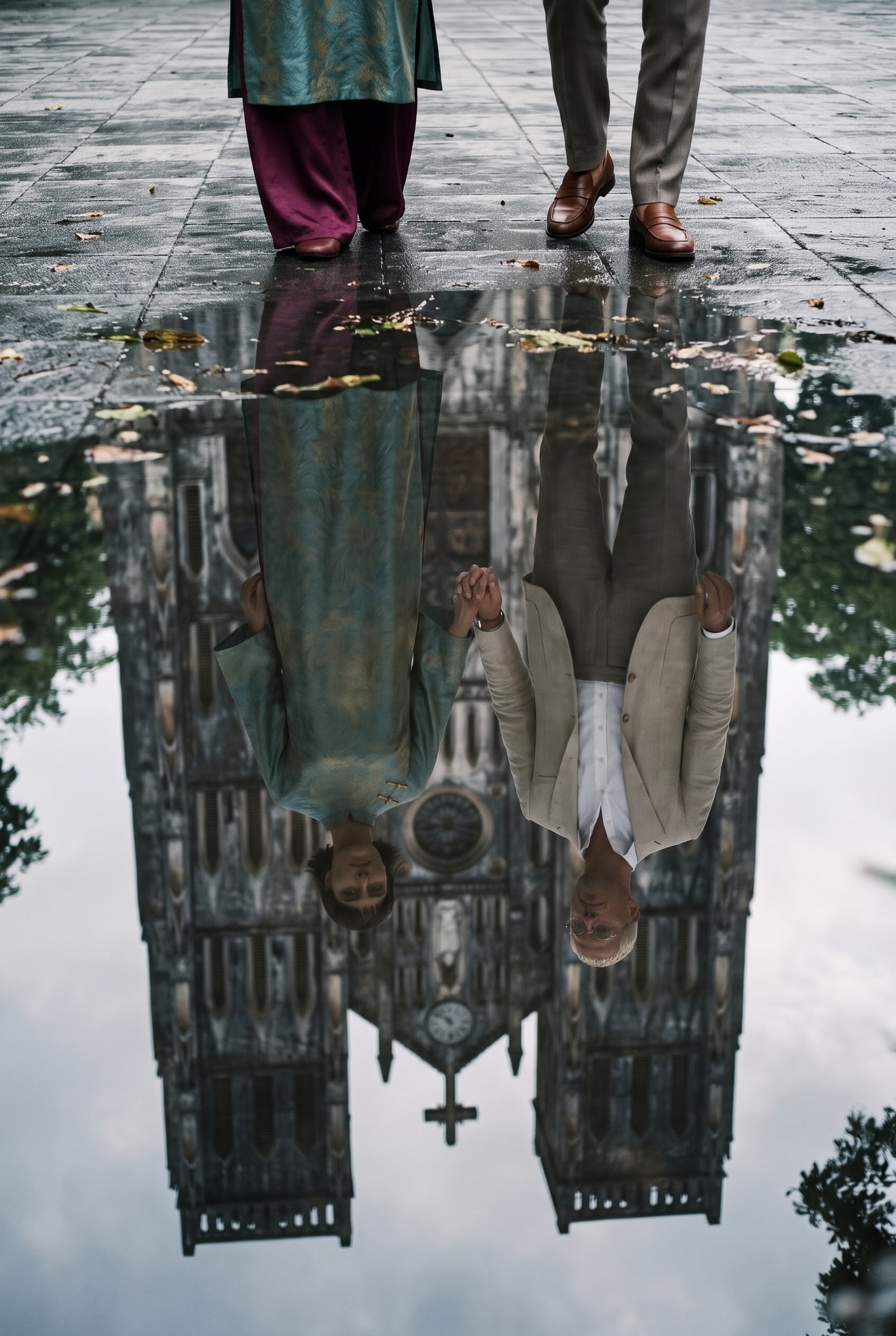
We schedule morning shoots (5:30–7:30am) because light quality is soft and directional, people are sparse, and temples have staff present for access. By 8:30am, Hoan Kiem Lake's east bank fills with tai chi groups and tour buses. Trang Tien steps, stunning in shadow at 6:45am, become a selfie staging ground by 11am—faces wash out, backgrounds clutter. Hang Ngang's narrow alley, our favourite for ao dai work, gains 10 extra pedestrians every 15 minutes after 8am, each one a potential photobomb. Afternoon shoots hit two problems: harsh overhead sun (we'd need fill flash, weakening the ambient mood) and the long shadows that suited morning work vanish, leaving flat, blown-out backgrounds. We've shot afternoons only when a guest insists or weather forces delay—results are salvageable but require heavier editing. The cost: your images carry less of the Old Quarter's authentic morning character. For ao dai photoshoot sessions, timing is non-negotiable; the fabric catches early light in a way no filter recovers.
See packages and prices on vietnamphotoshoot.com
What does each Old Quarter zone deliver for different shoot types?
| Location | Best for | Why it works | Timing | What to know |
|---|---|---|---|---|
| Hoan Kiem Lake (east bank, near temple) | Ao dai, solo traveler, concept | Reflections, soft water backdrop, low crowds | 5:45–7:15am | Sacred temple—no loud music, staff close by, light only 45min before sun clears buildings |
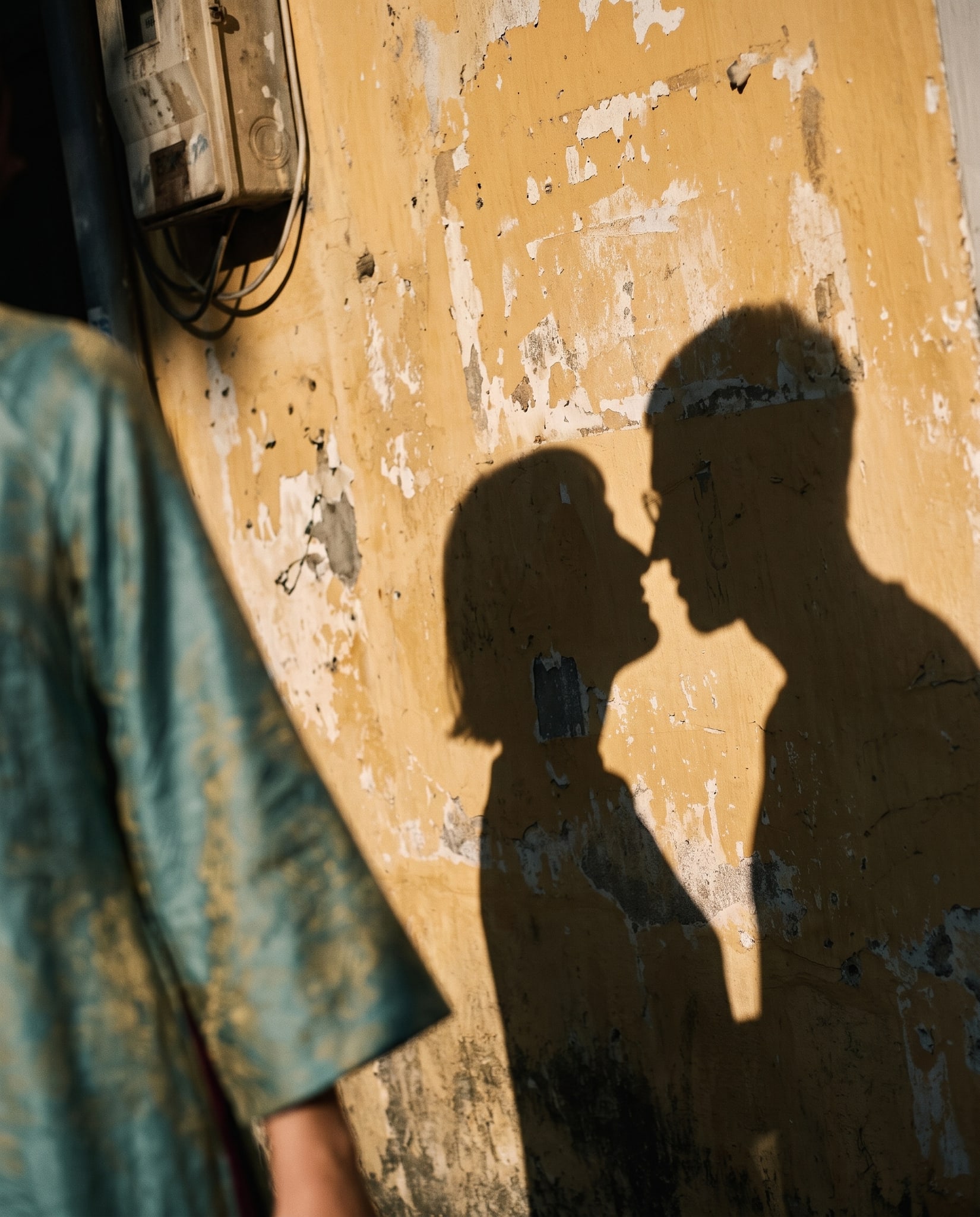
| Hang Ngang Street (alley near Hang Gai) | Ao dai, couple, intimate concept | Layered shutters, narrow depth-of-field drama, French colonial texture | 6:00–7:30am | 1.2m wide in spots, tripod impossible, partner needed to manage light reflector |
| Trang Tien Plaza steps | Couple, group, wide framing | Geometric lines, scale, low street traffic | 5:45–7:00am or after 4pm | Foot traffic heavy midday; evening light sharp but cool-toned |
| Temple courtyards (Dong Xuan area) | Concept, intimate, editorial | Ornate doors, carved wood, spiritual mood | 6:15–7:45am (weekdays better) | Closed 12–2pm, staff may ask permission, narrow color palette suits moody editing |
The choice shapes your entire session. Concept shoots thrive in temple shadows where we control every colour; couple sessions need the open geometry of Trang Tien or the depth of Hang Ngang. Solo travellers often gravitate to Hoan Kiem but get lost in scale—we reframe them at the lake's smaller pavilion steps, where one person fills the frame naturally.
How do crowds and permissions affect the final image count?
We arrived at Hoan Kiem at 5:50am last month with an ao dai couple and had the full east bank to ourselves until 7:10am—40 minutes of unobstructed shooting, 180 final images. Two weeks later, a 6:00am shoot at the same spot coincided with a tai chi group; we pivoted to the temple pavilion, lost 15 minutes to repositioning, and delivered 110 final images—same couple, same outfit, 40% fewer usable frames. Hang Ngang Street's narrow width means we can only back up 1.5m; if locals arrive to open shutters or motorbikes pass, we pause, wait (2–5 minutes per interruption), and reset framing. Temples require informal permission from staff or caretakers—this adds 5–10 minutes of goodwill and small offerings (incense, donation), worth it because we then have sole access. The math: 90 minutes on-site minus 15 minutes travel, minus 10 minutes interruptions and repositioning, leaves 65 minutes of actual shooting. That's roughly 100–150 final images depending on your outfit changes and our setup needs. Early morning extends uninterrupted time by 20 minutes, boosting count and consistency.
What backup locations should you know if your first spot fails?
We always scout three locations before a shoot and have a hierarchy. If Hoan Kiem's east bank is blocked by an event, we move to the temple pavilion (8-minute walk, same light quality, tighter framing). If Hang Ngang draws crowds early, we shift to Hang Gai's wider section (parallel alley, less atmosphere but more space for reflector work). If Trang Tien steps get sealed for maintenance, we shoot Ly Thai To statue area (similar geometry, slightly less polished stone but fewer crowds). We've never cancelled a session, but we've rerouted three times due to unexpected vendor setups or security events. The backup mindset means we carry a phone compass, check local event calendars the night before, and stay flexible on timing—a 6:15am start instead of 6:00am sometimes lets a street market clear. For pre-wedding shoots, we brief couples on this flexibility; it removes anxiety and delivers authenticity (images often benefit from the surprise location pivot).
Chat with us on WhatsApp | See packages and prices on vietnamphotoshoot.com
What should you pack and ask your hotel before the shoot?
Pre-shoot checklist for guests:
- Confirm alley access with your hotel concierge the night before; ask if temples or courtyards have early closures (some lock gates 12–2pm or on certain days).
- Bring a small pouch (incense, water, snacks) for a 90-minute outdoor shoot; we'll handle props, but you'll want personal comfort.
- Wear the outfit you'll shoot in to the hotel entrance so our driver avoids lobby photoshoots (easier for you, keeps energy fresh for location).
- Communicate pace preferences on WhatsApp before the session—if you tire easily, we adjust location density or add rest stops.
- Ask your hotel for a shaded waiting area if you're arriving early; beats standing in a lobby for 30 minutes before transport.
What our team checks before we shoot:
We photograph the location 48 hours before, noting light angles, crowd patterns, and any new scaffolding or barriers. We confirm temple staff schedules via phone. We test our backup location once and note exact walking time. We brief our makeup artist on "touch-up stations"—Hang Ngang has a café partner who lets us use a mirror; Hoan Kiem has a covered pavilion. The day of the shoot, we arrive 15 minutes early, check light direction, assess crowd flow, and adjust start time by 5–10 minutes if needed. This prep reduces surprises and lets us focus on your images, not logistics.
How do you blend Old Quarter shoots with hotel makeup and hair services?
Many guests book makeup and hair at their hotel and then shoot Old Quarter locations, saving a second commute. The rhythm: our makeup artist arrives at your room 45 minutes before departure, completes hair and makeup in 30–40 minutes, and you're ready for the 10-minute walk or 5-minute motorbike ride to the location. We've found this works best for ao dai and concept shoots (elaborate styling needs time). For couples, one partner gets makeup at the hotel while the other preps elsewhere, syncing 10 minutes before transport. The trade-off is trust—your hotel room is more private than our studio, but the lighting is bathroom-dependent and touch-ups happen on-site, not in a professional space. Ask your hotel if they have a full-length mirror and natural window light; if the room is dim, we bring a portable LED ring and adjust the timeline. The cost calculation shifts: hotel makeup saves you commute time but requires our team to travel; ask on WhatsApp whether that affects your session rate. We've factored it into our Hanoi studio packages.
FAQ
Can we book a photo shoot if we're staying outside the Old Quarter?
Yes, we service hotels across Hanoi. Shots 15–20 minutes from the Old Quarter add a small transport fee and require earlier wake-up; ask us on WhatsApp to confirm timing for your hotel's location.
Do we need permits or permission to shoot in temples and alleys?
Temples require informal staff permission (handled by us on the day, usually a small offering). Alleys are public; no permit needed, but we pause for locals and avoid blocking doorways during business hours.
What happens if rain arrives during our 90-minute slot?
Light drizzle adds mood and texture; we continue. Heavy rain: we pivot to covered areas (temple pavilions, shop overhangs) or reschedule the next morning. Your deposit carries over. We monitor weather forecasts and notify you 24 hours prior if risk is high.
Can we shoot multiple locations in one session?
Yes, most guests split time between two spots (e.g., Hoan Kiem + Hang Ngang). A third location is possible but cuts shooting time per place and risks missing peak light. We recommend two for quality depth.
Are Old Quarter shoots better for ao dai or couples or concept work?
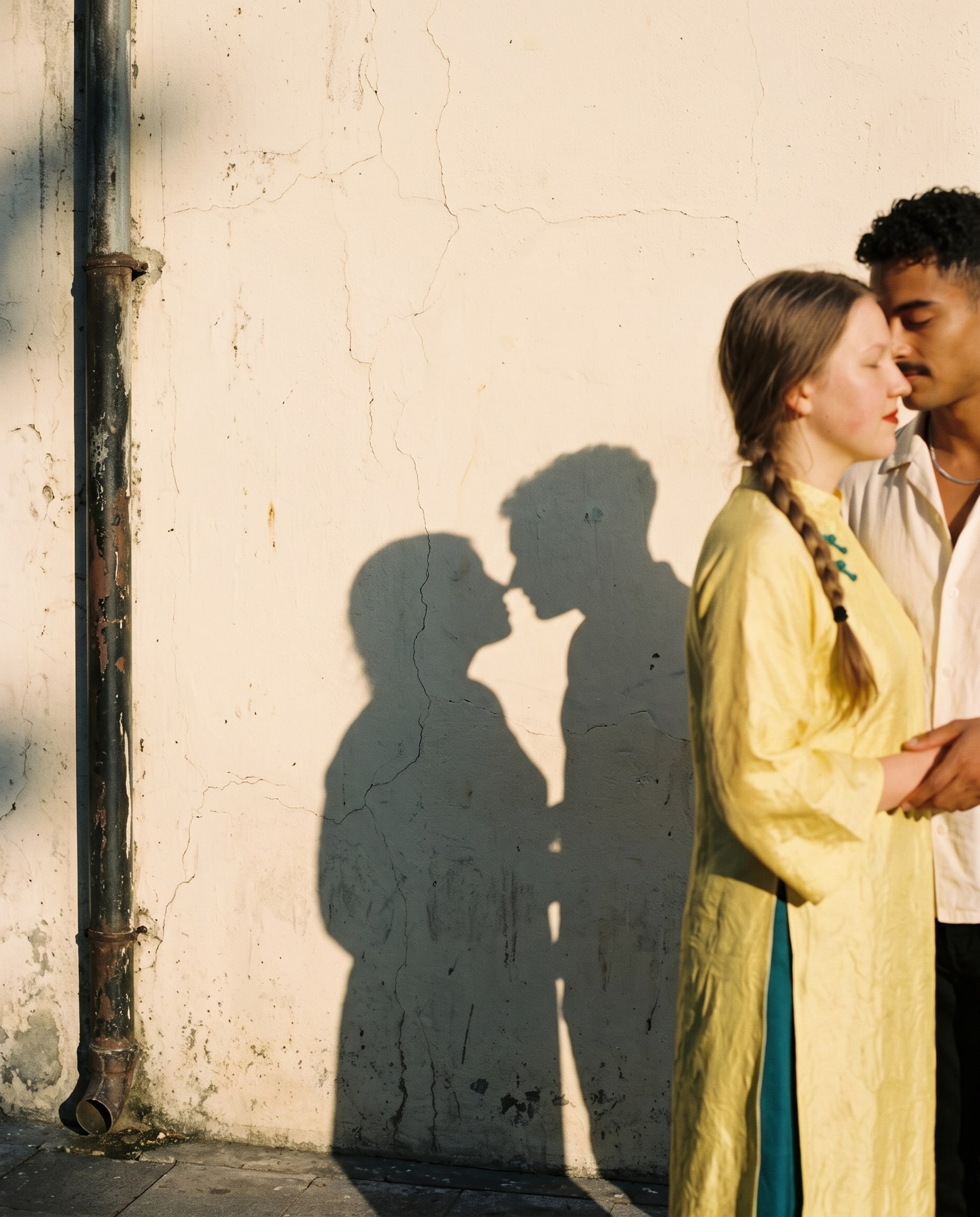
All three thrive, but each location suits different genres. Hoan Kiem excels for ao dai and solo traveller reflections. Hang Ngang delivers intimacy for couples. Temple courtyards become editorial concept spaces. We'll recommend based on your outfit and vibe.
Special Concept Shoot
Inclusions, prices and booking are on our booking site.
FAQ
Can we book a photo shoot if we're staying outside the Old Quarter?
Yes, we service hotels across Hanoi. Shots 15–20 minutes from the Old Quarter add a small transport fee and require earlier wake-up; ask us on WhatsApp to confirm timing for your hotel's location.
Do we need permits or permission to shoot in temples and alleys?
Temples require informal staff permission (handled by us on the day, usually a small offering). Alleys are public; no permit needed, but we pause for locals and avoid blocking doorways during business hours.
What happens if rain arrives during our 90-minute slot?
Light drizzle adds mood and texture; we continue. Heavy rain: we pivot to covered areas (temple pavilions, shop overhangs) or reschedule the next morning. Your deposit carries over. We monitor weather forecasts and notify you 24 hours prior if risk is high.
Can we shoot multiple locations in one session?
Yes, most guests split time between two spots (e.g., Hoan Kiem + Hang Ngang). A third location is possible but cuts shooting time per place and risks missing peak light. We recommend two for quality depth.
Are Old Quarter shoots better for ao dai or couples or concept work?
All three thrive, but each location suits different genres. Hoan Kiem excels for ao dai and solo traveller reflections. Hang Ngang delivers intimacy for couples. Temple courtyards become editorial concept spaces. We'll recommend based on your outfit and vibe.
More from the team
Fishing Village Concept Photoshoot Vietnam: How We Shoot It
A fishing village photoshoot captures Vietnam's working waterfront—nets, boats, morning light, real people. We share how our team runs these shoots from location scout to final delivery.
Cruise Stop Saigon Photoshoot at Phu My Port: Studio Guide
Cruise passengers have 8–12 hours in Saigon. We photograph guests right from Phu My Port, handling transport and changing rooms so you step off the ship and into an áo dài or couple session.
Cinematic Film Look Photoshoot Vietnam: Our Studio Guide
Cinematic film aesthetics—muted colour grading, shallow depth of field, story-driven composition—have become the most requested look across our shoots in 2026. We run you through how we build this style on set, what goes wrong, and which packages genuinely deliver it.