 Cáo Studio
Home › Blog › Special Concept Shoot
Photoshoot for Camera Shy People: Relax, We'll Guide You
By the Cáo Studio team · Hanoi & Saigon · 2026-11-02
Camera shyness doesn't disqualify you from a photoshoot; it changes how we run it. At Cáo Studio, we slow down the pace, brief you on what to expect hour by hour over WhatsApp before we meet, and use directing techniques that feel like conversation, not posing. Our stylists and photographers have learned which poses work for people who feel stiff on camera—usually less face-to-camera work, more walking, sitting, looking away, hands busy. Sessions for camera-shy guests typically run longer (we build in breaks), happen in quieter locations (Hoàn Kiếm Lake at dawn, tucked courtyards in Hoi An), and skip surprise moments. Cost is the same as any other special concept shoot; the difference is pacing and psychology, not price. Most nervous guests tell us afterward they felt safer here than they expected. Chat with us on WhatsApp
What does "camera shy" actually mean for your shoot?
Camera shyness isn't one thing. Some guests freeze when they see a lens. Others worry about how they look from certain angles. Some panic at the idea of being the sole focus of attention. We ask on WhatsApp before booking: What moment made you nervous about photos before? A guest who dislikes her profile needs different framing than someone who panics under eye contact. We don't push through discomfort; we route around it. That decision—learning your specific anxiety—happens in the first message chain, not on shoot day.
How does a typical nervous-guest session actually run?
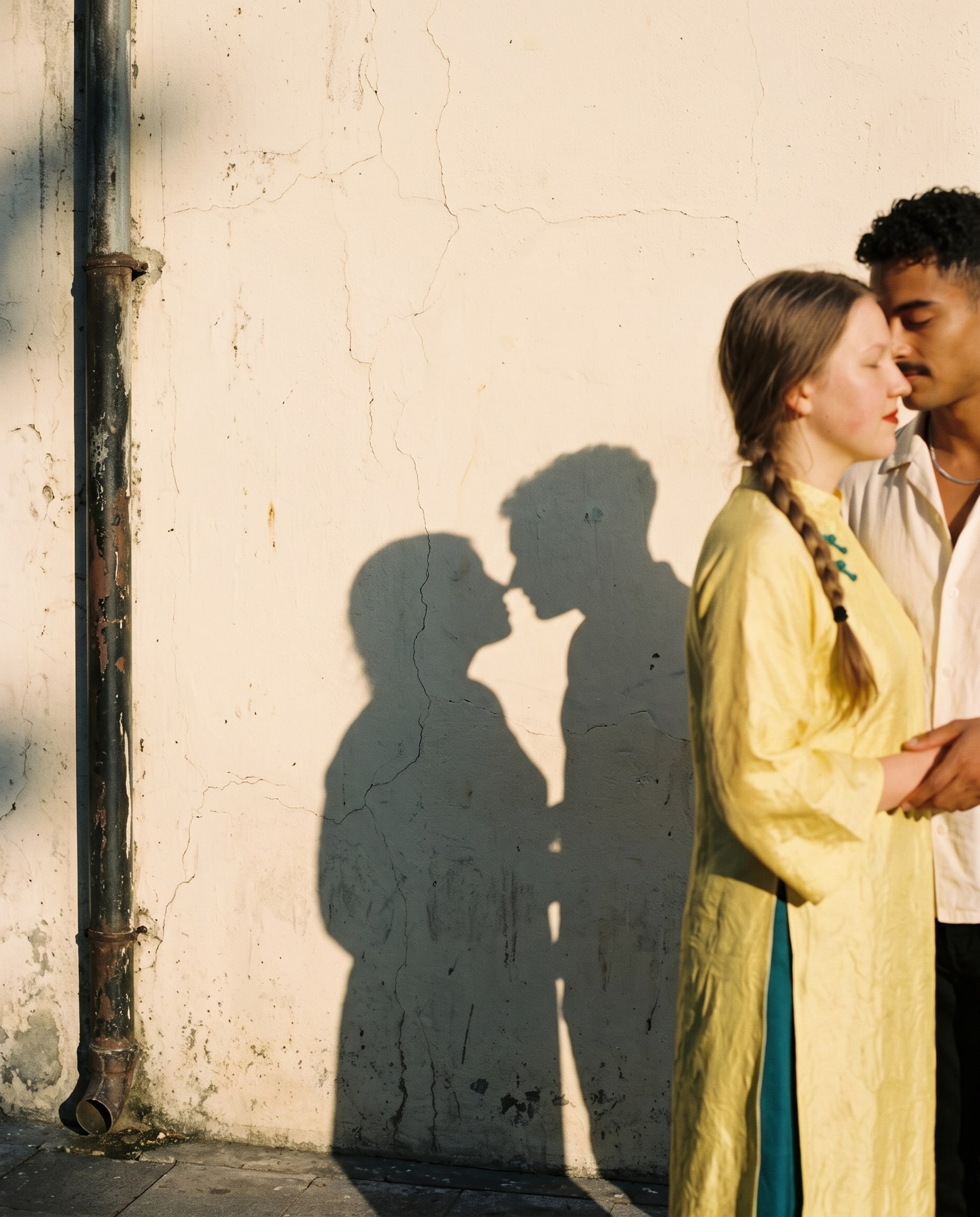
Our photographer Sarah describes the hour-by-hour flow: We arrive early, often 30 minutes before the guest. We set up, test light, brief the stylist. Guest arrives, sees the space empty and calm, no crowd. First 15 minutes: hair and makeup touch-ups, chatting about unrelated things—their trip, food they've tried, a joke. No camera yet. Minute 15–30: we show them two test shots on the camera screen, explain what we're framing, ask what feels weird. Minute 30–50: soft shooting in one location—we're moving around them, they're not thinking about posture. Break at minute 50, water, 10-minute sit-down. Minute 60–90: main location, more confidence now, we're faster but still talking constantly. The difference: we narrate everything. Silence is the enemy.
Which package type works best if you're nervous?
| Package | Best for | Duration | Why it helps |
|---|---|---|---|
| Solo/Vacation shoot | First-time nervous guests | 1–2 hours | One-on-one, no pressure to interact, photographer is your only "audience" |
| Couple shoot | Nervous about solo focus | 2–3 hours | Your partner is there; photos include both; you're not alone in frame |
| Áo dài concept | Anxious about appearance | 2 hours | Styling handles how you look; the costume becomes the focus, not your face |
| Concept/special | Wants a narrative not poses | 3–4 hours | You're "playing a character" (café customer, explorer) instead of "being photographed" |
Solo and áo dài shoots dominate among our camera-shy guests; the costume or simplicity removes the pressure to "look interesting."
See packages and prices on vietnamphotoshoot.com
What goes wrong, and how do we fix it on the day?
We've learned the hard way. A guest in Saigon last year arrived expecting a glamour shoot but had social anxiety she didn't mention. Photographer noticed she stopped speaking after hour one, was staring at her shoes. We paused, offered her the choice: continue with fewer people around (we asked our assistant to step back), or reschedule. She chose to continue, but only with the photographer and stylist—no production assistant watching. That session saved itself because we asked. Now we text guests 48 hours before: You'll meet a photographer and a stylist. If that feels like too many people, tell us now. Most don't; some do, and we adjust.
Another mistake: over-explaining the shoot. We once gave a nervous guest a 20-minute detailed brief on arrival. She was more anxious afterward, not less. Now we keep it to three sentences: We'll walk around, I'll shoot while you move, you'll barely notice the camera after a few minutes. Brevity works.
Cold locations also backfire. A guest felt self-conscious in Hoàn Kiếm's open plaza; we moved to a nearby temple alcove, empty and intimate. She relaxed immediately. Lesson: nervous guests need framing—a defined space that feels like a room, not a stage.
How should you brief us before booking?
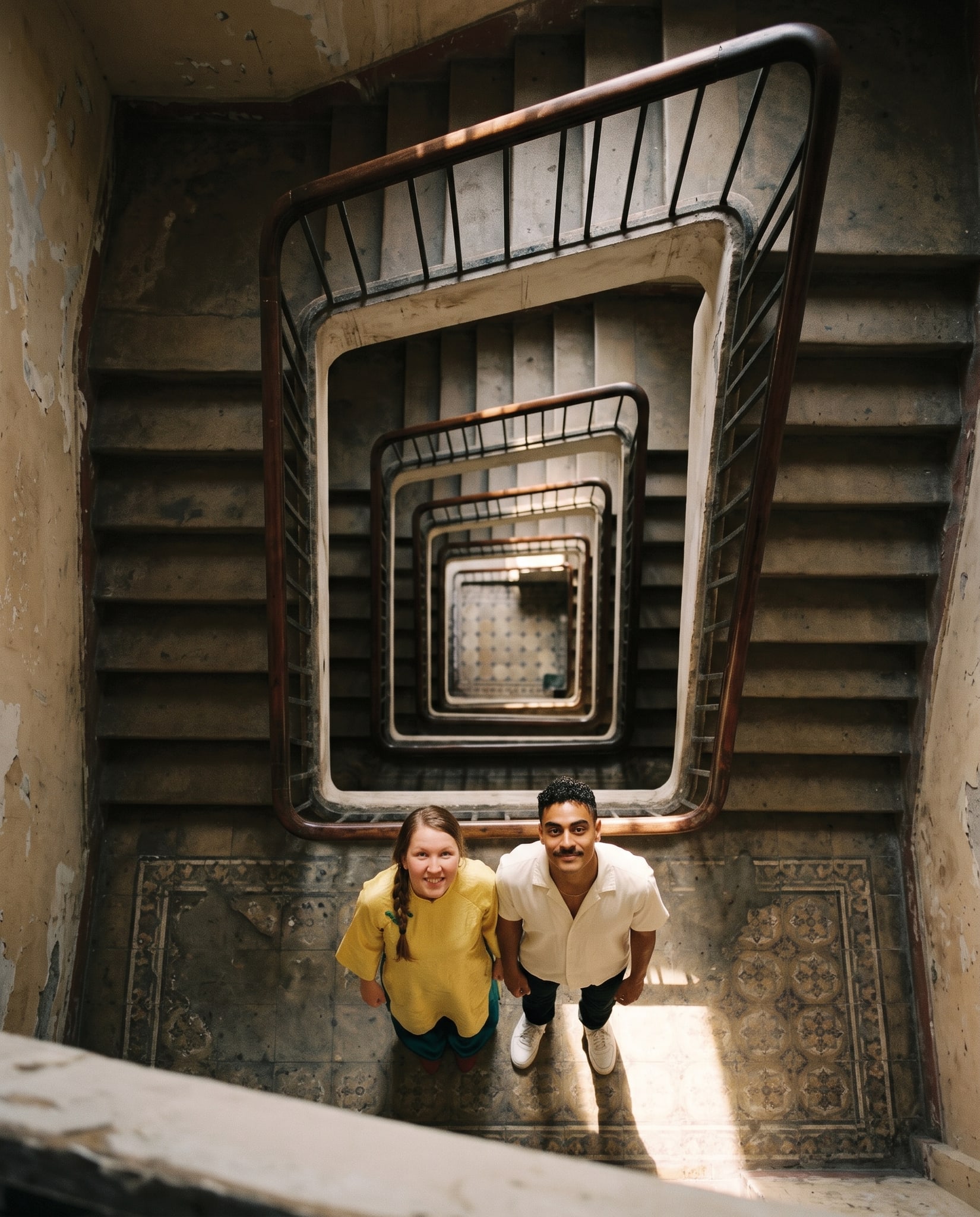
Send us a message on WhatsApp with specifics: I hate my nose from the side, or I panic if I'm the only person being looked at, or I've never done this before and I'm terrified. Not vague. Specific fears help us problem-solve. We'll tell you which location and package type we'd recommend, and we'll sketch out the day's flow so there are no surprises. A guest from Australia messaged: I'm very nervous and I want to look natural, not posed. We recommended a 90-minute vacation shoot in the French Quarter, Hanoi, where she'd "explore" rather than stand and be shot. She booked it. Her feedback: I forgot the camera was there.
We also ask: Have you been photographed before that went well? A guest who loved a family photo session with us years ago feels safer returning for her solo shoot; we remind her of that. Context matters.
What's different about camera-shy shoots from a production standpoint?
We budget time differently. A standard 2-hour shoot = 100 minutes of shooting, 20 minutes of setup and breaks. A nervous guest's 2-hour shoot = 60 minutes of actual shooting, 20 minutes of setup, 40 minutes of transitions, breaks, and reassurance. It takes longer to get the same volume of usable frames because we're moving slower, talking more, and patience is our tool. That's fine; it's built into the package. We're not rushing you.
We also scout locations more carefully. A noisy café is ideal for an extroverted couple; it's chaos for a camera-shy solo guest. We favor quieter streets in Hoi An's ancient town, early mornings at Ninh Bình's riverside before tourists arrive, or hotel makeup and hair sessions for guests who want to stay private until they're camera-ready. The location is the first intervention.
And we photograph differently. Instead of directing poses ("tilt your head, look left"), we say: Walk toward me slowly, don't think about your face, just move. We're running and shooting, not standing still asking you to perform. Movement hides stiffness. You're being documented, not posed.
What to check before you book
Do you know your specific fear? (Not "I'm camera shy," but "I hate how I look when I'm not smiling" or "I panic being alone in front of people.") Message us first; if we can't help, we'll tell you honestly.
Can you commit to WhatsApp prep? A 10-minute message chain before the shoot cuts anxiety in half. If you're not willing to communicate expectations, the shoot will feel worse.
Have you chosen a package type that fits your anxiety? (Solo, couple, concept, áo dài). Don't book a couple shoot if you're nervous; book a solo. The package structure matters more than price.
Do you trust the location? Ask us to describe it or send a photo. A guest who's never seen Hoàn Kiếm before might feel exposed there; one who's walked it daily feels safe. We can work with both, but it changes the plan.
Are you ready for 2+ hours? Rushed shoots feel worse for nervous people. Block at least two hours; three is better for concepts.
FAQ
Do you ever have guests who decide not to shoot on the day?
Yes, maybe one in 50. Anxiety peaks when they arrive. We pause, ask what's changed, and offer: reschedule (free), shorten the session to 45 minutes, or add a trusted friend (we don't charge extra). No one loses money. Most who pause do the shoot after a 20-minute break.
Can my friend or partner stay with me during the shoot if I'm nervous?
Yes. For solo shoots, we usually ask companions to stay 20 meters away after setup—close enough to see you, far enough they're not "watching." For couple shoots, your partner is in most frames anyway. For áo dài and concepts, an extra person is distracting; we advise against it, but we don't forbid it.
What if I freeze up during the shoot?
We stop, you sit, we talk about something completely unrelated (your plans tomorrow, a restaurant we like, our favorite film). Freezing is okay. It passes. We've never had a guest who didn't thaw after a five-minute break.
Does being camera-shy affect the final photos quality?
No. It affects the process, not the output. Nervous guests often produce their best photos because they're not "performing"—they're in their own skin. Relaxation shows in the eyes. Your anxiety is invisible in the final frames; what you see is presence.
Should I tell you I'm camera-shy before I book or when we meet?
Before. Tell us on WhatsApp. The more warning we have, the smarter we plan. Telling us on arrival gives us minutes to adjust; telling us beforehand gives us days to problem-solve and maybe suggest a different location or package entirely.
Special Concept Shoot
Inclusions, prices and booking are on our booking site.
FAQ
Do you ever have guests who decide not to shoot on the day?
Yes, maybe one in 50. Anxiety peaks when they arrive. We pause, ask what's changed, and offer: reschedule (free), shorten the session to 45 minutes, or add a trusted friend (we don't charge extra). No one loses money. Most who pause do the shoot after a 20-minute break.
Can my friend or partner stay with me during the shoot if I'm nervous?
Yes. For [solo shoots](/go/vacation-photoshoot), we usually ask companions to stay 20 meters away after setup—close enough to see you, far enough they're not "watching." For [couple shoots](/go/couple-photoshoot), your partner is in most frames anyway. For áo dài and concepts, an extra person is distracting; we advise against it, but we don't forbid it.
What if I freeze up during the shoot?
We stop, you sit, we talk about something completely unrelated (your plans tomorrow, a restaurant we like, our favorite film). Freezing is okay. It passes. We've never had a guest who didn't thaw after a five-minute break.
Does being camera-shy affect the final photos quality?
No. It affects the *process*, not the output. Nervous guests often produce their best photos because they're not "performing"—they're in their own skin. Relaxation shows in the eyes. Your anxiety is invisible in the final frames; what you see is presence.
Should I tell you I'm camera-shy before I book or when we meet?
Before. Tell us on WhatsApp. The more warning we have, the smarter we plan. Telling us on arrival gives us minutes to adjust; telling us beforehand gives us days to problem-solve and maybe suggest a different location or package entirely.
More from the team
Fishing Village Concept Photoshoot Vietnam: How We Shoot It
A fishing village photoshoot captures Vietnam's working waterfront—nets, boats, morning light, real people. We share how our team runs these shoots from location scout to final delivery.
Cruise Stop Saigon Photoshoot at Phu My Port: Studio Guide
Cruise passengers have 8–12 hours in Saigon. We photograph guests right from Phu My Port, handling transport and changing rooms so you step off the ship and into an áo dài or couple session.
Cinematic Film Look Photoshoot Vietnam: Our Studio Guide
Cinematic film aesthetics—muted colour grading, shallow depth of field, story-driven composition—have become the most requested look across our shoots in 2026. We run you through how we build this style on set, what goes wrong, and which packages genuinely deliver it.