 Cáo Studio
Home › Blog › Special Concept Shoot
Rice Terrace Season Photoshoot Vietnam: What We Book Most
By the Cáo Studio team · Hanoi & Saigon · 2026-11-02
Rice terrace season photoshoots in Vietnam run in two windows: May–September (wet season, emerald paddies) and October–November (harvest gold). Cáo Studio books most shoots in Ninh Binh, two hours south of Hanoi, where terraces frame the Ngo Dong River. A typical session is four to five hours: arrival 6 a.m., makeup and styling on-site, three location moves across fields and villages, back to our studio by noon or late afternoon depending on booking. Packages range from couple sessions to family shoots and pre-wedding coverage. Costs depend on hour count, team size (photographer, stylist, makeup artist), and outfits—book via our package pages at vietnamphotoshoot.com. Avoid midday sun (11 a.m.–3 p.m.), water-logged paths after heavy rain, and peak tourist crowds on weekends; we always reschedule if conditions turn risky. Chat with us on WhatsApp
Why do rice terrace seasons matter for photoshoot quality?
Lighting and landscape color shift completely between wet and harvest seasons. In May–September, terraces flood—water mirrors the sky, creating depth and reflection in images. October–November, the paddies turn gold-ochre as crops mature, and the sun sits lower, casting longer shadows across contours. We choose seasons with clients based on their aesthetic: couples often prefer the romantic emerald-and-water look, while families lean toward the warmer harvest palette because it feels less slippery underfoot. The weather, not just the view, shapes what we can actually shoot—wet season means unpredictable downpours and mud that stops us moving between fields fast.
Where do we actually shoot, and how far from Hanoi or Saigon?
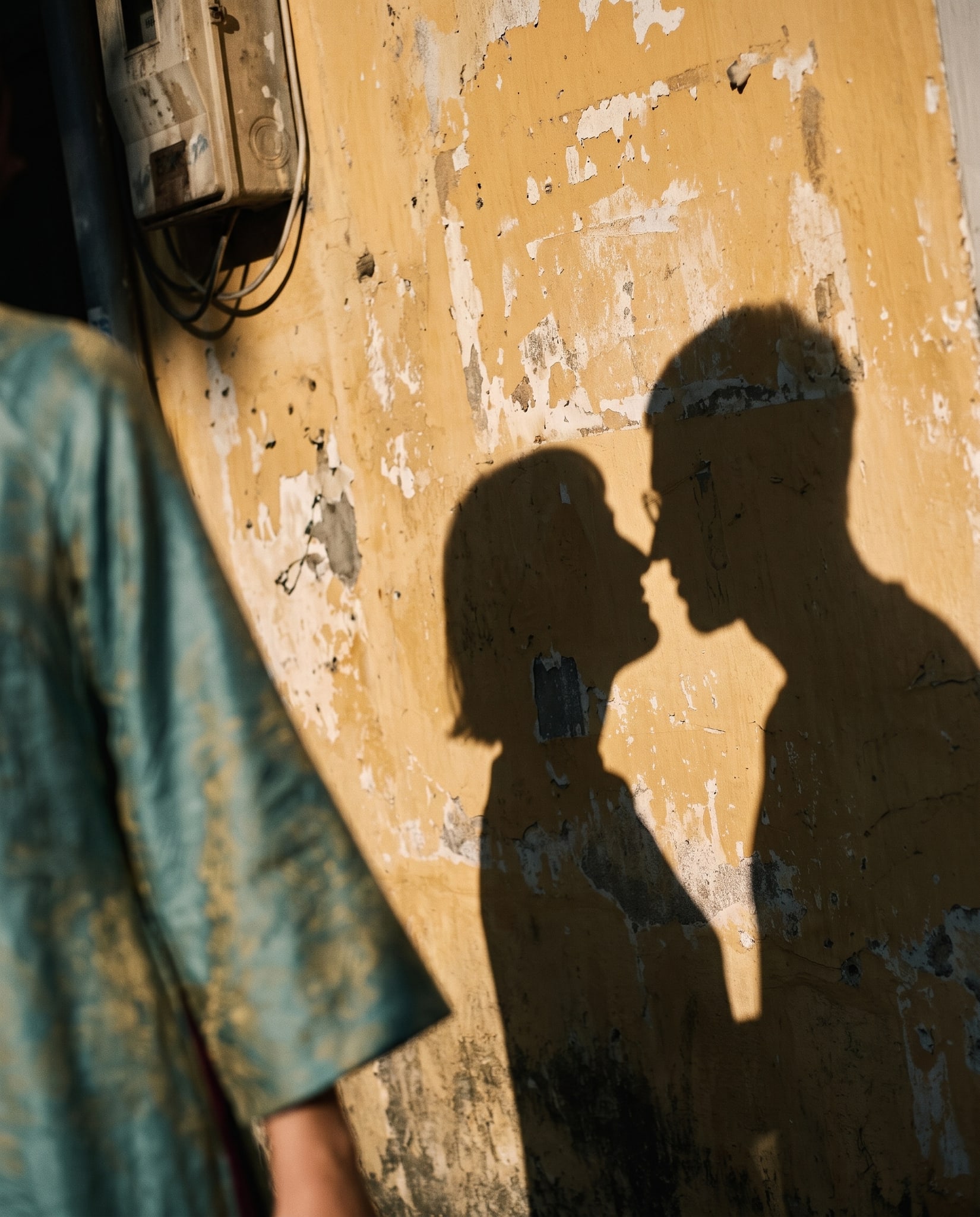
Ninh Binh is our go-to: two-hour drive from Hanoi, where Mua Cave and Tam Coc valley hold the most dramatic terraces and manageable crowds if we book early morning slots. We've also shot at Sapa (far north, more altitude, cooler light, cloudier) and around Hoi An (closer to Saigon by air, but smaller, less iconic terraces). For Hanoi-based travelers, Ninh Binh's commute is standard—we drive the group, stop for coffee, arrive 5:30 a.m., and position before sunrise. Saigon guests either fly up or request a two-day package (stay overnight in Ninh Binh, shoot dawn and dusk). Distance matters: it cuts into shoot time, so we pad the booking with an extra hour to account for travel and a quick breakfast on-site where guests calm nerves.
What goes wrong on rice terrace shoots, and how do we prevent it?
Three recurring issues: (1) Wet boots and slipping. Paths are narrow and muddy after rain or in wet season. We tell guests to wear waterproof hiking shoes, not flip-flops, and scout routes the night before. If mud is too thick, we pivot to a village lane or a drier terrace edge. (2) Tourist traffic. Weekends bring crowds; a couple's intimate moment becomes a photo-bombing session. We book Tuesdays–Thursdays and always arrive by 6 a.m., finishing main shots before 8 a.m. when buses roll in. (3) Sudden storms. May–July can see afternoon thunderstorms with no warning. We monitor weather hourly, reschedule if lightning risk spikes, and always have a covered backup location (a local homestay or our Hanoi studio). Makeup artist keeps powder and blotting papers ready for humidity sweat; photographer brings rain sleeves and extra batteries.
See packages and prices on vietnamphotoshoot.com
How do package types differ for rice terraces?
| Package Type | Who it's for | Shoot Length | Team Composition | Best Season |
|---|---|---|---|---|
| Couple | Newlyweds, anniversaries, dating pairs | 4–5 hours | Photographer + stylist + makeup | Oct–Nov (harvest) or May–Jun |
| Pre-wedding | Engaged couples, elopements | 6–8 hours, 2 locations | Photographer + stylist + makeup + assistant | Oct–Nov or Jan–Feb |
| Family | Parents, kids, multi-generational | 3–4 hours | Photographer + stylist | Oct–Nov (easier footing) |
| Solo/vacation | Solo travelers, self-discovery shoot | 2–3 hours | Photographer + stylist | Any season |
| Ao dai concept | Cultural, heritage, anniversary | 4–5 hours, traditional dress | Photographer + stylist + makeup | May–Jun (vibrant green) |
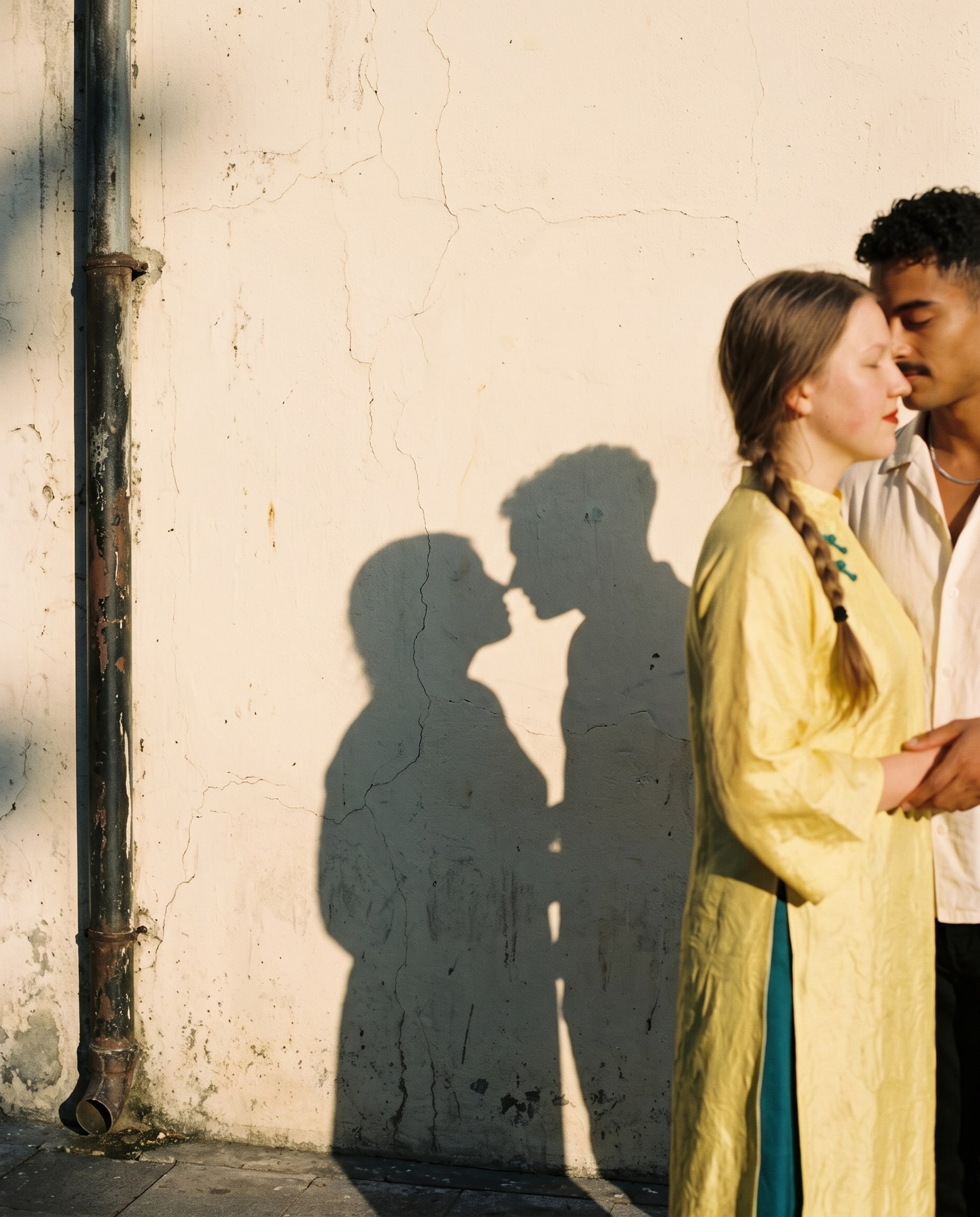
Couple and pre-wedding packages dominate our rice terrace bookings because the setting romanticizes the moment—water and terraces frame two people without needing busy props. Family shoots are shorter because kids tire quickly in heat and mud. Solo travelers often book one-location, half-day sessions because they're flexible with timing and don't need the full-day narrative arc. All packages include location scouting, outfit changes (2–4 per session), and digital gallery within two weeks.
When should you actually book, and what to check before you commit?
Book two to three months ahead for your target season window. Wet season (May–September) needs earlier booking because weather cancellations stack up, and our rescheduling calendar fills fast. Harvest (October–November) is highest demand—couples want that gold light—so reserve by late August. Before you commit, verify these five points with our team via WhatsApp: (1) Exact shoot date and backup date if weather forces a move. (2) Team size: confirm if your budget covers makeup artist and stylist, or just photographer. (3) Outfit plan: we style on-site, but tell us your vision (traditional ao dai, white dress, casual) so we source outfits ahead. (4) Physical fitness: be honest about walking ability—muddy paths aren't wheelchair-accessible, and some terraces require stepping on narrow banks. (5) Payment method: we accept Visa, Mastercard, bank transfer, or cash; online link sent after WhatsApp confirmation. Our cancellation window is strict—weather reschedules are free, but client cancellations within 14 days carry a fee.
What do our stylists and makeup artists notice during rice terrace shoots?
Humidity wrecks makeup faster at terraces than in studio—we use long-wear primers, waterproof mascara, and matte powder. Ao dai (traditional silk tunic) photographs beautifully but catches mud easily; we bring a backup and a lint roller. Hair, when left down, blows constantly; we braid or pin most styles. The water reflects light upward onto faces, which is flattering but unpredictable—our makeup artist adds a touch more blush and lip color because the sky backdrop desaturates skin. We've noticed couples feel less self-conscious on terraces than in urban shoots (no pedestrians staring), so poses feel natural faster. Families worry their kids will slip; we station our assistant near younger children and shoot sitting-down poses on dry spots.
FAQ
What's the best month to shoot rice terraces in Vietnam?
May–June for emerald-green wet season, October–November for gold harvest. Both are bookable; May–June is quieter, October–November has better light and less slippery terrain. Avoid July–August (peak rain and humidity) and December (dry, brown fields).
How much does a rice terrace photoshoot cost?
Pricing depends on package type, team size, and hour count. Visit vietnamphotoshoot.com for our current packages and all-inclusive fees. Payment options include Visa, Mastercard, bank transfer, and cash.
Do we need to hire a guide separate from the photographer?
No. Our photographer and stylist know safe routes and locations. We handle permits, parking, and access. You just show up with the right shoes.
What should we wear to a rice terrace shoot?
Bring three outfits: traditional ao dai (if desired), casual or romantic dress, and a backup. Wear waterproof hiking shoes, not sandals. Our stylist adjusts colors and layers for the season's light on-site.
Can we shoot in the wet season without getting stuck?
Yes, if it hasn't rained hard in 24 hours. Heavy rain makes paths unsafe; we reschedule. Light drizzle often enhances the shoot—mist, fewer tourists, softer light. Tell us in advance if you're flexible.
How long is a typical rice terrace photoshoot?
Four to five hours door-to-door for couples and pre-wedding. Three to four hours for families and solo travelers. Includes travel from Hanoi, makeup, styling, three location moves, and return.
Special Concept Shoot
Inclusions, prices and booking are on our booking site.
FAQ
What's the best month to shoot rice terraces in Vietnam?
May–June for emerald-green wet season, October–November for gold harvest. Both are bookable; May–June is quieter, October–November has better light and less slippery terrain. Avoid July–August (peak rain and humidity) and December (dry, brown fields).
How much does a rice terrace photoshoot cost?
Pricing depends on package type, team size, and hour count. Visit vietnamphotoshoot.com for our current packages and all-inclusive fees. Payment options include Visa, Mastercard, bank transfer, and cash.
Do we need to hire a guide separate from the photographer?
No. Our photographer and stylist know safe routes and locations. We handle permits, parking, and access. You just show up with the right shoes.
What should we wear to a rice terrace shoot?
Bring three outfits: traditional ao dai (if desired), casual or romantic dress, and a backup. Wear waterproof hiking shoes, not sandals. Our stylist adjusts colors and layers for the season's light on-site.
Can we shoot in the wet season without getting stuck?
Yes, if it hasn't rained hard in 24 hours. Heavy rain makes paths unsafe; we reschedule. Light drizzle often enhances the shoot—mist, fewer tourists, softer light. Tell us in advance if you're flexible.
How long is a typical rice terrace photoshoot?
Four to five hours door-to-door for couples and pre-wedding. Three to four hours for families and solo travelers. Includes travel from Hanoi, makeup, styling, three location moves, and return.
More from the team
Fishing Village Concept Photoshoot Vietnam: How We Shoot It
A fishing village photoshoot captures Vietnam's working waterfront—nets, boats, morning light, real people. We share how our team runs these shoots from location scout to final delivery.
Cruise Stop Saigon Photoshoot at Phu My Port: Studio Guide
Cruise passengers have 8–12 hours in Saigon. We photograph guests right from Phu My Port, handling transport and changing rooms so you step off the ship and into an áo dài or couple session.
Cinematic Film Look Photoshoot Vietnam: Our Studio Guide
Cinematic film aesthetics—muted colour grading, shallow depth of field, story-driven composition—have become the most requested look across our shoots in 2026. We run you through how we build this style on set, what goes wrong, and which packages genuinely deliver it.