 Cáo Studio
Home › Blog › Special Concept Shoot
Vietnamese Market Vendor Concept Photoshoot: What to Book
By the Cáo Studio team · Hanoi & Saigon · 2026-11-02
A vendor concept photoshoot stages you in traditional Vietnamese market dress—usually an áo dài with market props, baskets, or produce—shot against Hanoi's Old Quarter, Saigon's Ben Thanh Market, or Hoi An's morning stalls. Sessions run 2–3 hours, include styling by Cáo Studio's team, location scouting, and typically 50–80 edited digital images. The shoot works for solo travelers wanting cultural immersion, couples framing a romantic "first meeting" narrative, or families documenting heritage. You avoid peak tourist hours (we shoot 6–8 a.m. or after 5 p.m.), negotiate light-touch vendor access beforehand, and bring comfortable shoes because you'll walk. Cost varies by package complexity and location; check our concept shoot options for current details. No experience needed—our stylists and photographers direct every pose. Chat with us on WhatsApp
Why Hanoi's Old Quarter Works Better Than Tourist Markets
The Old Quarter's narrow streets, weathered shop fronts, and early-morning quiet give us natural frames market vendors actually work in. Tourist-packed Ben Thanh or Hoi An's central lane fill with selfie-stick crowds by 9 a.m., ruining continuity. We've shot 40+ vendor concepts in Hanoi; the best light and clearest vendor interactions happen in the spice district (Hang Gai–Hang Ngang) or textile rows, where merchants know us by name now. You'll see real trading, not staged tourism. We arrive before 7 a.m., brief the vendor (or hire an extra local guide), frame you among baskets or bolts of silk, and clear out before foot traffic peaks. Conclusion: early Hanoi sessions deliver authenticity; later bookings mean visual chaos and vendor frustration.
What Styling Choices Actually Happen on Set
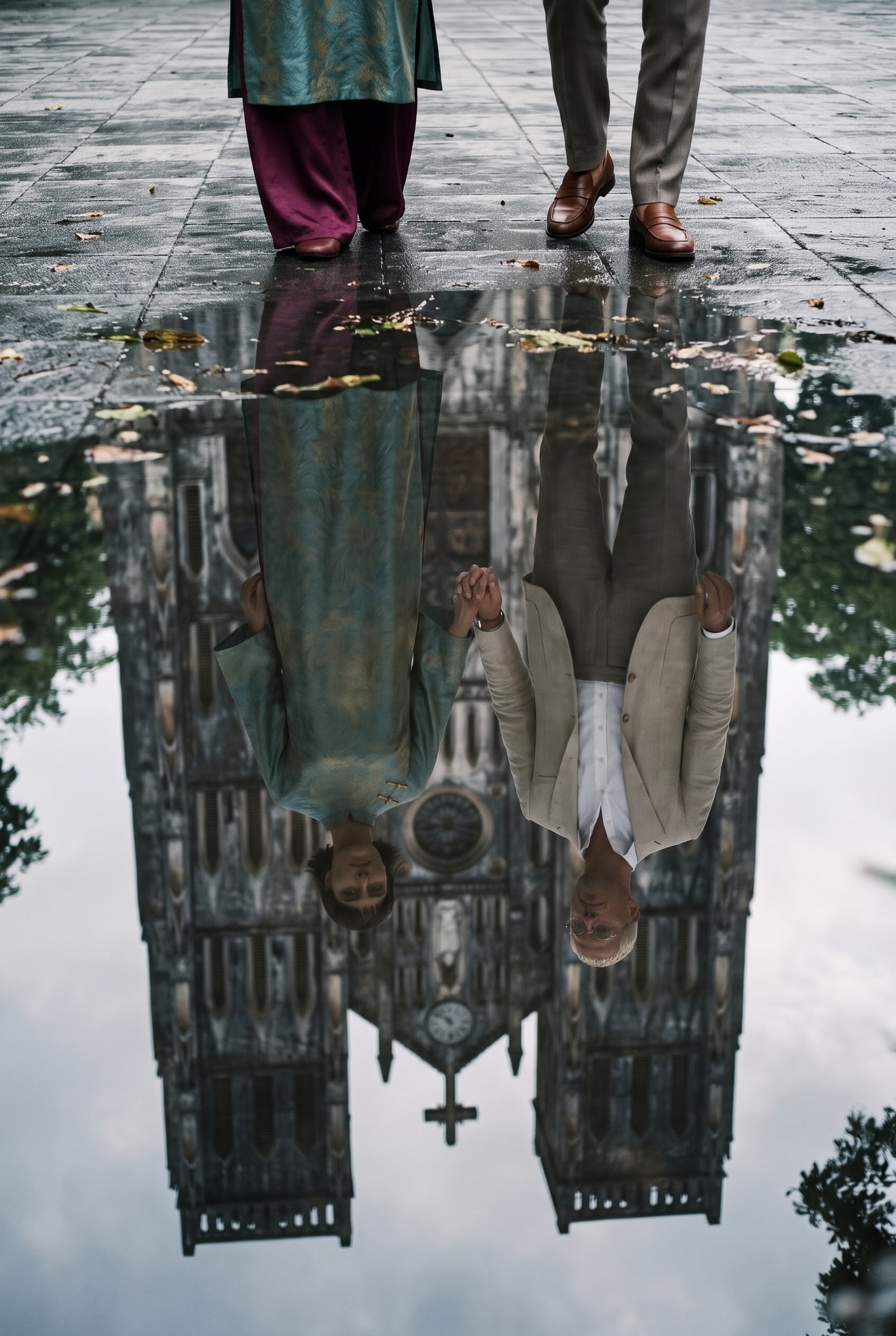
You'll wear an áo dài—usually a cream or soft-colored silk tunic paired with loose pants—because vendors in old markets dressed this way for decades. Our stylists fit the fabric to your frame on arrival, check seams, add a traditional headwrap or straw hat if the light is flat, and swap colors between looks if you booked a two-location session. We've noticed cream and soft jade photograph cleaner than bright reds in market shadows; reds flatten against red awnings. Hair gets pinned back (loose strands catch in silk or blow into market dust), and makeup stays minimal—powder, one lip tone—because vendor work meant sun exposure, not theater. Props—woven baskets, ceramic pots, fresh herbs in bundles—come from the location itself or we bring them. Conclusion: styling mirrors what vendors actually wore and owned, not a costume fantasy.
See packages and prices on vietnamphotoshoot.com
How We Manage Real Vendor Schedules and Permissions
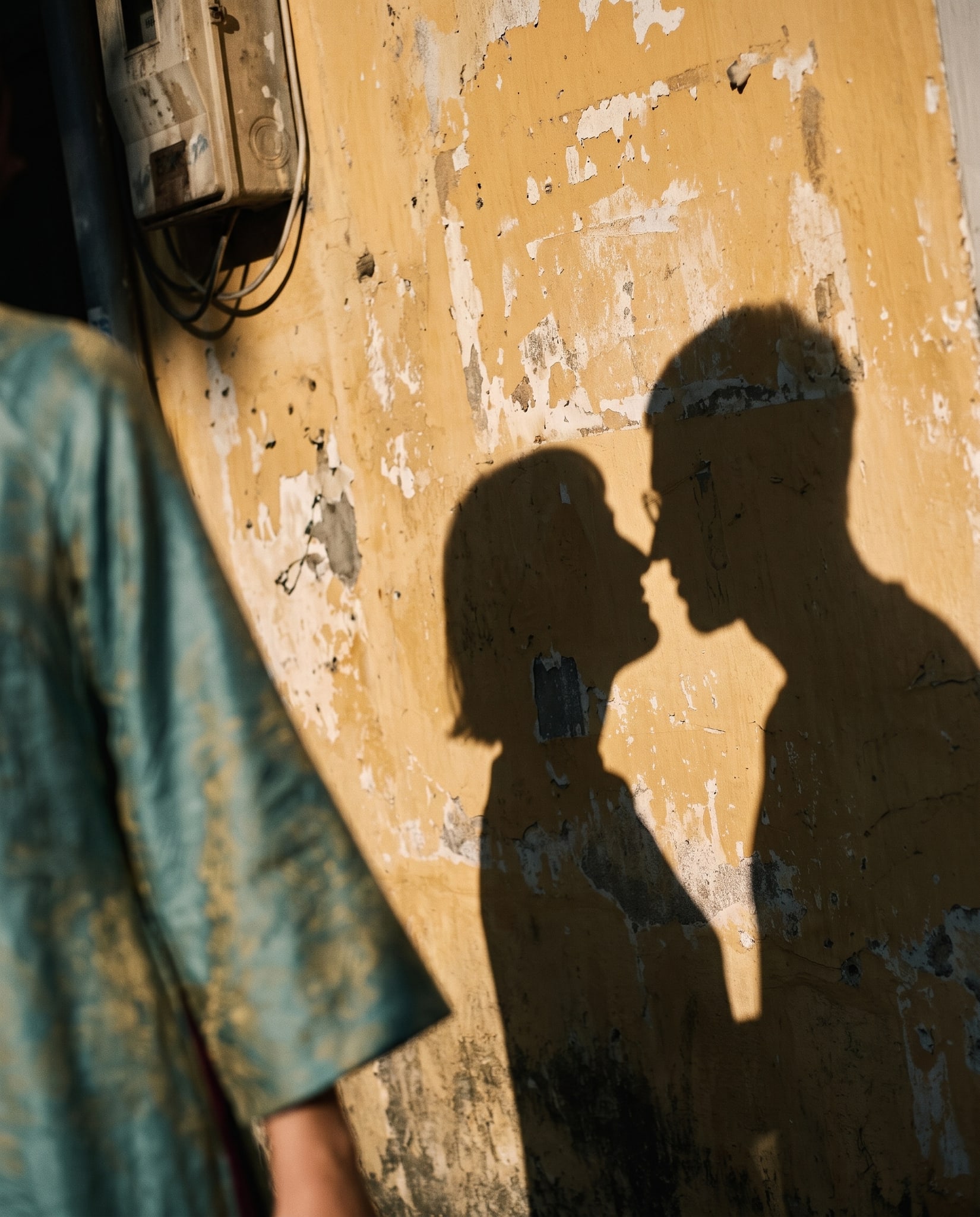
Vendor concept shoots aren't closed studio sets; you're in a working marketplace. We contact vendor associations or individual merchants weeks ahead (not the day before), explain the shoot in Vietnamese, clarify we're not hiring them as models but seeking their background and energy, and leave a small appreciation gift. We've learned that 6:30–7:15 a.m. is the actual "set time"—vendors are arranging goods, the light is golden, and they haven't yet lost patience with foot traffic. By 7:45 a.m., they're busy, distracted, or annoyed. A typical shot list for a 2.5-hour session runs 15–20 frame combinations (you in the doorway, at a stall, carrying a basket, posed with produce). We move fast, take 200–300 total shots, and edit down to 60–75 keepers. If a vendor suddenly needs their space back (happens 1 in 7 shoots), we pivot to a backup alley or a nearby café's courtyard within 15 minutes. Conclusion: respect local schedules and reframe "constraints" as authentic timing.
Hanoi vs. Saigon Vendor Aesthetics: Where to Shoot Your Concept
| Aspect | Hanoi Old Quarter | Saigon (Ben Thanh/Binh Tay) | Hoi An Ancient Town |
|---|---|---|---|
| Light quality (6–7 a.m.) | Golden, narrow-street contrast | Softer, wider avenue diffusion | Soft, alley shadow play |
| Vendor authenticity | Daily traders; expect interruption | Mix of tourists & traders; busier | Tourist-aware; fewer working vendors |
| Clothing palette | Muted silks, indigo, cream | Brighter patterns, market energy | Lantern-light neutrals, earth tones |
| Best for | Cultural immersion, solo traveler | Couple narrative, energy, diversity | Heritage couples, quiet romance |
| Editing tone | Moody, contrasty, vintage | Vibrant, bright, energetic | Warm, golden, timeless |
| Avg. shoot duration | 2–2.5 hours | 2.5–3 hours (more walking) | 2–3 hours (permit + setup) |
Each location requires different light timing and styling choices. Hanoi's cramped geography concentrates vendors; Saigon's scale demands more movement between scenes. Hoi An needs early-morning access before tourists pack the lanes—we shoot there on weekday mornings only. Conclusion: location choice changes your editing story and stamina needs.
What to Check Before Booking: A Real Vendor-Shoot Checklist
Before you confirm:
- Which city feels right for your story (immersion vs. energy vs. heritage)?
- Can you arrive by 6:45 a.m.? Late starts mean crowds, flat light, and vendor frustration.
- Do you want one location or two? Two locations add 45 minutes and 20+ extra edited images.
- Are you comfortable in a tunic and loose pants for 2–3 hours? No shorts or exposed knees—it's not respectful.
- Do you speak Vietnamese, or do you want us to brief the vendors on your behalf? (We handle this; no extra cost.)
- How do you feel about unscripted moments? Best vendor shots happen when you stop posing and interact naturally.
On shoot day (what we'll handle):
- Stylist arrives 30 min early; fitting and makeup run 45 min.
- Photographer scouts light and vendor readiness while you dress.
- We take test frames (1–2 min) to check exposure and pose direction.
- First 30 min = close-ups and detail work (hands, expressions, fabric folds).
- Next 60–90 min = broader scenes, movement, multi-frame sequences.
- Final 30 min = backup location or second outfit if booked.
- We deliver edited files within 10–14 days via cloud link (not email).
What we can't control (and how we adapt):
- Rainy mornings: We reschedule or shoot under eaves and indigo-dyed awnings (those frames look stunning, actually).
- Unexpected vendor closure: We have 3–4 backup alleys in every city; we pivot in <15 min.
- Foot traffic overload: We adjust timing, move 200 m away, or frame tighter to exclude crowds.
- Your discomfort with the heat or pace: We take water breaks every 20–30 min, adjust the schedule, and never push you beyond your energy.
Conclusion: vendor shoots depend on early timing, respectful location access, and comfort with organic chaos—all things we've solved through repetition.
Which Package Matches a Vendor Concept Shoot
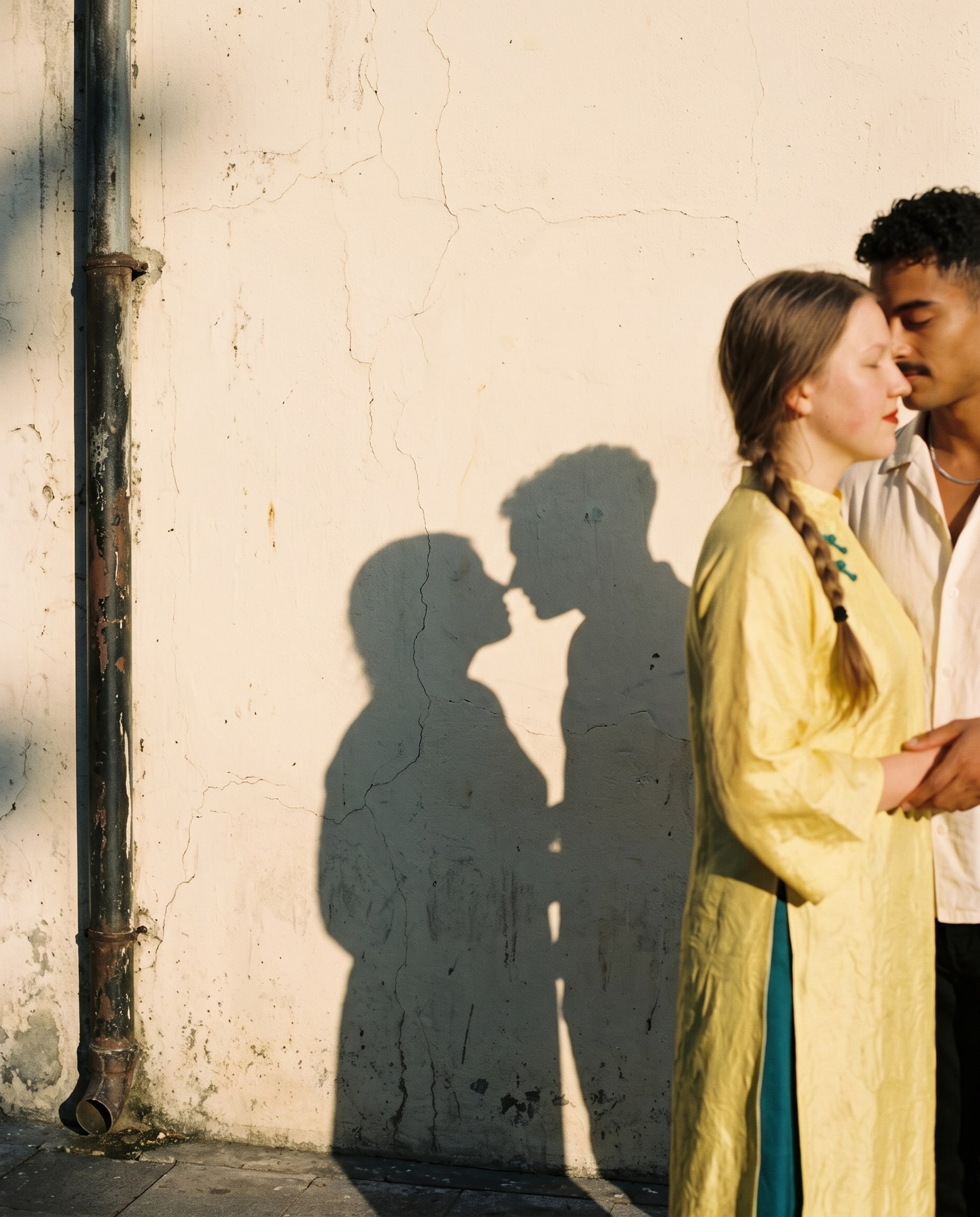
A vendor concept typically sits between our solo vacation photoshoots and special concept bookings. Solo travelers usually choose a shorter vacation package with one market location; couples pair it with couple photoshoot packages that add a second romantic location (a café, riverside, or park after the market). Pre-wedding clients sometimes request vendor concepts as an "origin story" opener—meeting at a market as part of a pre-wedding elopement narrative. We've also styled family photoshoots in markets, though timing gets tighter with children (younger kids overheat by 8:30 a.m.). If you want hotel hair and makeup beforehand, add makeup and hair services the same morning—our team arrives at your hotel by 5:45 a.m. Conclusion: vendor concepts flex into most packages; scope depends on your story and how much you want to include.
FAQ
Can I book a vendor concept in Hoi An instead of Hanoi or Saigon?
Yes. Hoi An's ancient town requires a photography permit (we arrange it) and early access (6–7 a.m.) before tourist crowds arrive. Expect fewer working vendors and a more heritage-curated feel; light is softer, alleyways are tighter, and the overall mood is quieter. Shoot time runs 2–3 hours. We've done 15+ Hoi An vendor sessions; the trade-off is you lose the "real working market" energy but gain timeless, lantern-lit framing.
What if the vendor or shop owner asks me to leave mid-shoot?
We stop immediately and move. We've pre-cleared the location, but markets are working spaces—a vendor's needs come first. We have backup alleys within walking distance (5–10 min) and pivot your shoot there without losing continuity. The "constraint" often creates the best candid shots because you shift from posed to natural, adaptive energy. We've rescheduled only twice in four years due to vendor conflict.
Do I need to speak Vietnamese to make the vendor concept work?
No. We brief the vendor in Vietnamese beforehand and communicate with them during the shoot. You can smile, nod, and interact naturally—vendors appreciate politeness and genuine curiosity more than fluent language. Most are used to travelers; a few expect a small gift afterward (we usually bring snacks or flowers, a quoted priceequivalent). Language never derailed a shoot.
How many outfits or location changes are typical in a vendor concept?
One tunic outfit per location (2–3 outfit swaps within the market if we're changing backgrounds, e.g., spice stall to textile vendor). If you book two locations (market + café, for example), you might change into a different áo dài or casual wear for the second scene. Most bookings are single-location, single-outfit vendor shoots that run 2–2.5 hours. You define scope when you inquire.
What happens if I book a vendor concept but the weather is rainy?
We reschedule if rain is heavy; light drizzle often improves market photos (wet stone, dramatic sky, vendors under umbrellas = moody energy). If rescheduling isn't possible, we shoot under covered market stalls, indigo-dyed fabric awnings, or nearby café interiors with market-view windows. Rainy-day vendor frames have a different, moodier tone; they photograph beautifully. We'll discuss options with you and decide together on the morning of the shoot.
How do I prepare for the early morning (6:45 a.m. start) without exhaustion ruining the shoot?
Sleep well the two nights before; arrive at your hotel by 5:30 a.m. after breakfast (light snack: fruit, toast, water). Avoid heavy meals, alcohol the night prior, and excessive caffeine (it dehydrates). Our stylist will have you ready by 6:30 a.m. if hotel makeup is included; we provide water and fruit during breaks. Most guests report the early adrenaline and energy carry them through—by hour two you're in rhythm and forget about the time.
Special Concept Shoot
Inclusions, prices and booking are on our booking site.
FAQ
Can I book a vendor concept in Hoi An instead of Hanoi or Saigon?
Yes. Hoi An's ancient town requires a photography permit (we arrange it) and early access (6–7 a.m.) before tourist crowds arrive. Expect fewer working vendors and a more heritage-curated feel; light is softer, alleyways are tighter, and the overall mood is quieter. Shoot time runs 2–3 hours. We've done 15+ Hoi An vendor sessions; the trade-off is you lose the "real working market" energy but gain timeless, lantern-lit framing.
What if the vendor or shop owner asks me to leave mid-shoot?
We stop immediately and move. We've pre-cleared the location, but markets are working spaces—a vendor's needs come first. We have backup alleys within walking distance (5–10 min) and pivot your shoot there without losing continuity. The "constraint" often creates the best candid shots because you shift from posed to natural, adaptive energy. We've rescheduled only twice in four years due to vendor conflict.
Do I need to speak Vietnamese to make the vendor concept work?
No. We brief the vendor in Vietnamese beforehand and communicate with them during the shoot. You can smile, nod, and interact naturally—vendors appreciate politeness and genuine curiosity more than fluent language. Most are used to travelers; a few expect a small gift afterward (we usually bring snacks or flowers, about $2–3 equivalent). Language never derailed a shoot.
How many outfits or location changes are typical in a vendor concept?
One tunic outfit per location (2–3 outfit swaps within the market if we're changing backgrounds, e.g., spice stall to textile vendor). If you book two locations (market + café, for example), you might change into a different áo dài or casual wear for the second scene. Most bookings are single-location, single-outfit vendor shoots that run 2–2.5 hours. You define scope when you inquire.
What happens if I book a vendor concept but the weather is rainy?
We reschedule if rain is heavy; light drizzle often improves market photos (wet stone, dramatic sky, vendors under umbrellas = moody energy). If rescheduling isn't possible, we shoot under covered market stalls, indigo-dyed fabric awnings, or nearby café interiors with market-view windows. Rainy-day vendor frames have a different, moodier tone; they photograph beautifully. We'll discuss options with you and decide together on the morning of the shoot.
How do I prepare for the early morning (6:45 a.m. start) without exhaustion ruining the shoot?
Sleep well the two nights before; arrive at your hotel by 5:30 a.m. after breakfast (light snack: fruit, toast, water). Avoid heavy meals, alcohol the night prior, and excessive caffeine (it dehydrates). Our stylist will have you ready by 6:30 a.m. if hotel makeup is included; we provide water and fruit during breaks. Most guests report the early adrenaline and energy carry them through—by hour two you're in rhythm and forget about the time.
More from the team
Fishing Village Concept Photoshoot Vietnam: How We Shoot It
A fishing village photoshoot captures Vietnam's working waterfront—nets, boats, morning light, real people. We share how our team runs these shoots from location scout to final delivery.
Cruise Stop Saigon Photoshoot at Phu My Port: Studio Guide
Cruise passengers have 8–12 hours in Saigon. We photograph guests right from Phu My Port, handling transport and changing rooms so you step off the ship and into an áo dài or couple session.
Cinematic Film Look Photoshoot Vietnam: Our Studio Guide
Cinematic film aesthetics—muted colour grading, shallow depth of field, story-driven composition—have become the most requested look across our shoots in 2026. We run you through how we build this style on set, what goes wrong, and which packages genuinely deliver it.