 Cáo Studio
Home › Blog › Special Concept Shoot
Vintage Hanoi 1960s Concept: Cafés, Props, Photoshoot Guide
By the Cáo Studio team · Hanoi & Saigon · 2026-10-31
A vintage Hanoi 1960s concept shoot uses restored cafés, old colonial apartments, and period props to create authentic mid-century portraits. At Cáo Studio, we source locations in French Quarter streets (Hàng Mành, Trang Tien) and keep studio props—enamel signs, wooden furniture, film cameras, period textiles—to layer into shots. A typical shoot runs 2–3 hours: 30 min styling onsite, 90–120 min shooting across 2–3 locations, final 30 min wardrobe changes. Cost varies by package and team size; booking starts via our consultation. Most guests wear áo dài or vintage-inspired clothing; we coordinate hair and makeup to match the era. Avoid shooting midday (harsh light); early morning (6–8 a.m.) or golden hour (4–6 p.m.) work best in Hanoi's climate. Chat with us on WhatsApp | See packages and prices on vietnamphotoshoot.com
What makes Hanoi's 1960s café aesthetic work for portraits?
Hanoi's old cafés retain original tile floors, wooden counters, and faded signage from the French colonial era through the early independence period. The soft, diffused light from small street-level windows and the decay-and-preserve character—peeling paint, exposed brick, vintage mirrors—creates natural depth without needing heavy artificial lighting. We've shot in places like Cà Phê Giảng (Hàng Gai) and smaller family-run spots in the Old Quarter where the owners welcome photographers during off-peak hours. The key is scheduling early morning (before 7 a.m.) when customers are sparse and light is clean. Vintage café settings photograph authentically because they haven't been retrofitted for Instagram; the wear is real.
How do we source and organize props for period-accurate shoots?
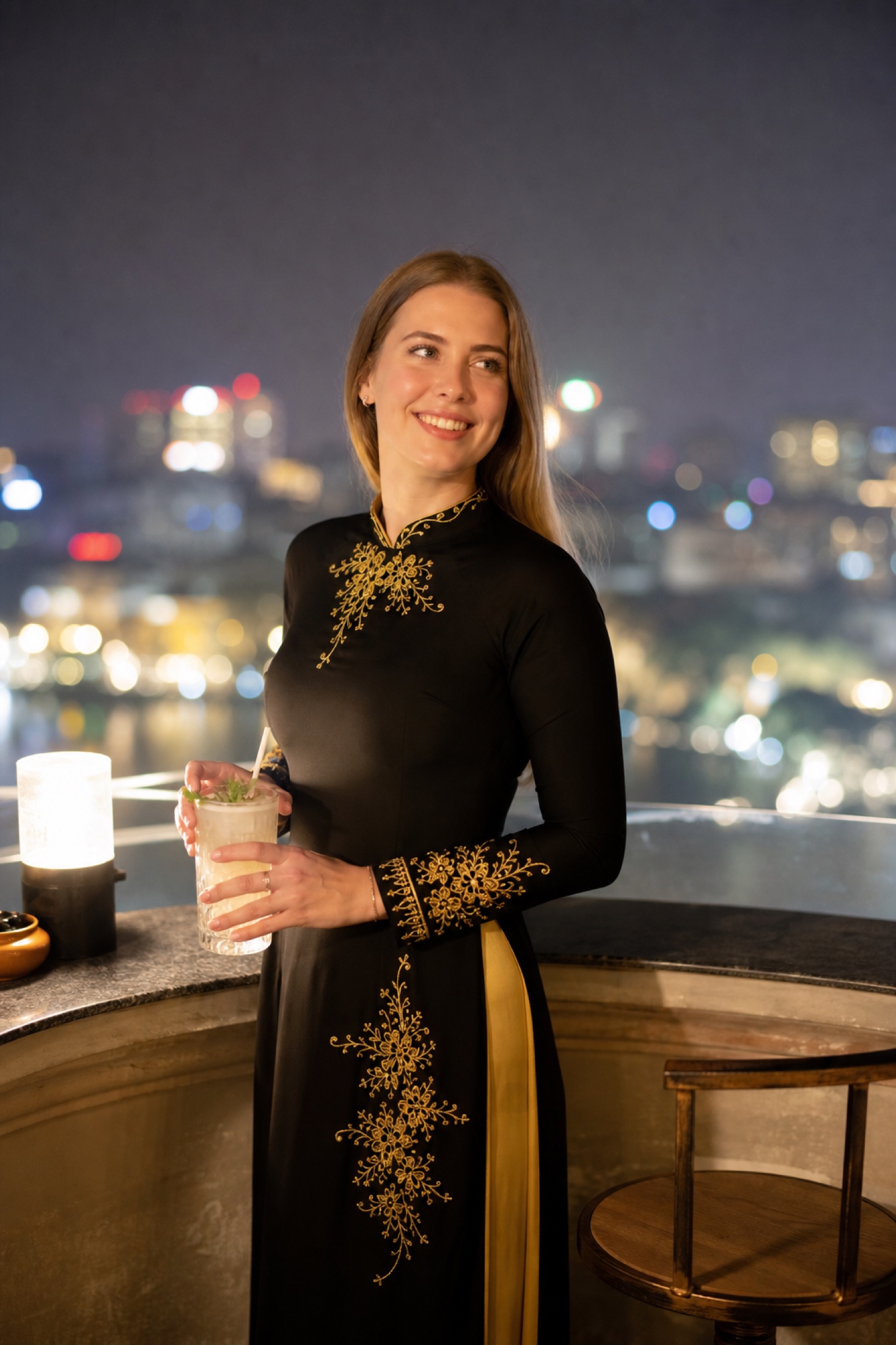
We keep a dedicated studio prop collection: enamel ware (bowls, cups, vintage brand signage), wooden furniture (small stools, retro shelving), old film cameras (non-functional but visually period), typewriters, newspapers from the 1960s–80s (reprinted or archived), period textiles (silk scarves, cotton bolts), and hand-painted wooden signs in French and Vietnamese. Before a shoot, we consult with the guest about their vision—are they celebrating a family history, creating a editorial series, or shooting an anniversary portrait in their grandparents' era? This conversation shapes which props we pack. We transport props in padded cases; fragile items (glasses, ceramic bowls) travel wrapped. On-site, we arrange props during the first 20–30 minutes to test angles and lighting. Props are stored in our Hanoi studio (Hoàn Kiếm district) and Saigon studio (District 1); cross-city bookings require 2–3 days' notice to move items.
See packages and prices on vietnamphotoshoot.com
What's the hour-by-hour timeline for a vintage Hanoi shoot?
| Phase | Duration | What happens | Guests should know |
|---|---|---|---|
| Pre-shoot prep | 0–15 min | Meet at café, scout angles, brief team | Arrive 10 min early; location may have early customers |
| Styling & props setup | 15–45 min | Hair/makeup touch-up, props arranged, wardrobe check | Bring a change of clothes (áo dài, vintage dress, or neutral outfit) |
| First location shoot | 45–105 min | 20–30 frames per setup, 2–3 setups | Stand naturally; we direct posing; light changes mean we move |
| Travel & location 2 | 105–135 min | Walk or drive to second café/apartment, re-light | Wear comfortable shoes; streets can be narrow and uneven |
| Second location shoot | 135–180 min | 15–20 frames, detail shots, final wardrobe | We prioritize golden hour (4–6 p.m.); shoots may run past 180 min if light is exceptional |
| Wrap & payment | 180–200 min | Pack props, confirm delivery timeline, settle payment | Proofs online within 5–7 business days |
Timing shifts based on season (summer heat = earlier start; winter = later start) and number of outfit changes. Always build in 15-minute buffer.
Which vintage Hanoi locations photograph best, and when?
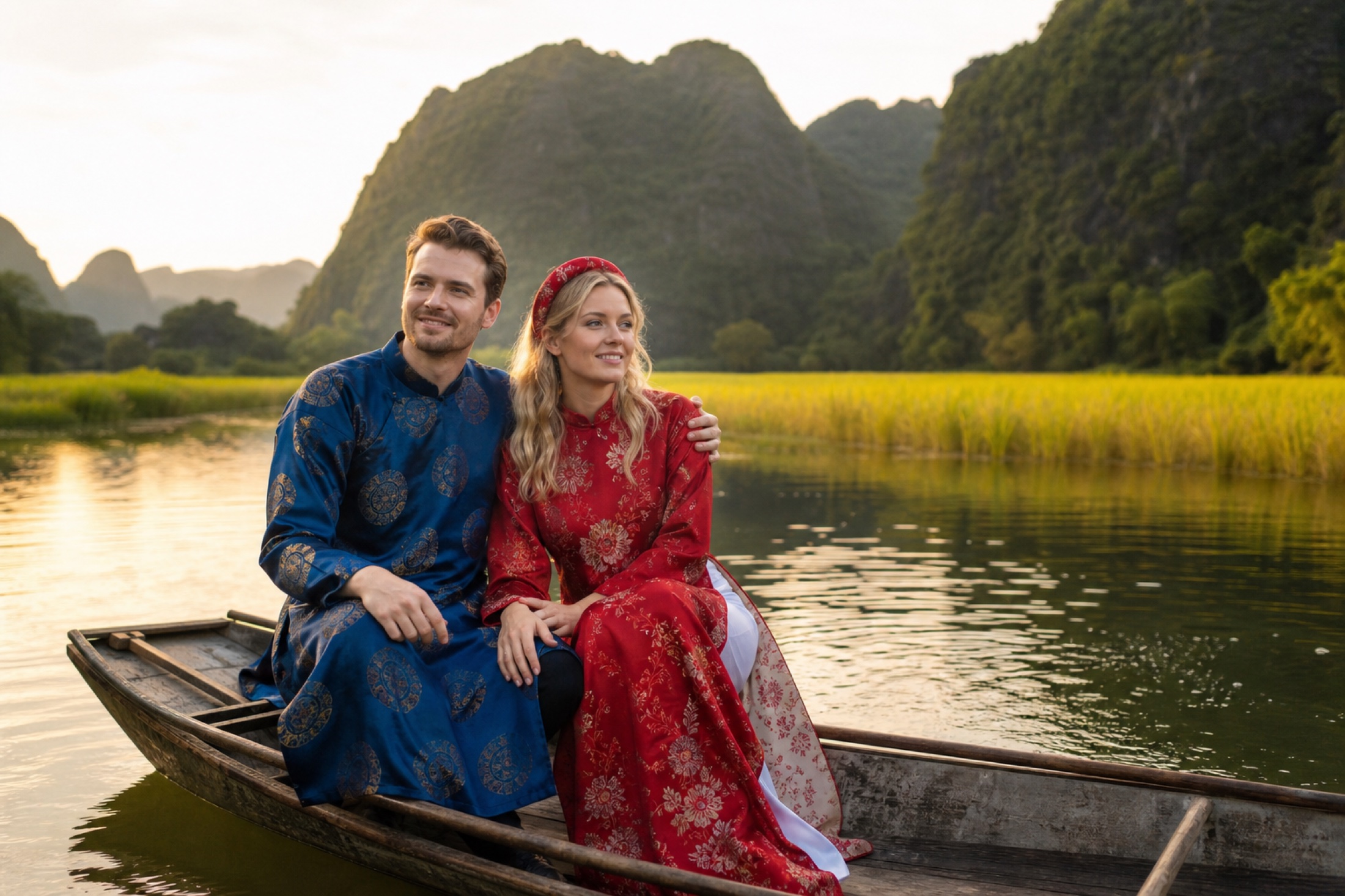
Hàng Gai & Hàng Mành (Old Quarter): Narrow streets, shop-house façades, low morning light. Shoot 6–8 a.m. before traffic. Trần Hưng Đạo waterfront (near Hoàn Kiếm Lake): Colonial-era buildings, softer background blur. Evening 4–6 p.m. Phùng Hưng Street: Older family apartments, wooden shutters, worn brick. Any hour; permission required from residents. Thanh Hà Coffee (Mã Mây): Original 1980s interior, zero renovation. Early morning only; close by 10 a.m. Apartment block near Bảo Tàng Văn Hóa Dân Tộc: Unrestored stairwells, character. Requires location release signed 48 hours before shoot.
We scout locations 2–3 weeks ahead, confirm permissions, and share a map with guests. Summer (May–Aug) shoots happen 6–8 a.m. to avoid heat; winter (Nov–Feb) allows more flexibility. Rainy season (Sept–Oct) offers moody, atmospheric light—plan indoor cafés.
What wardrobe and styling choices work best in a 1960s concept?
Authentic 1960s Hanoi fashion: áo dài in silk or cotton (the national dress of the era), simple shift dresses, vintage blouses with puffed sleeves, neutral or jewel-tone colors. Avoid logos, modern sunglasses, or bright neon. Men: white or cream cotton shirts (short or long sleeves, unbuttoned collar), plain trousers, canvas shoes or leather loafers. Accessories: simple jewelry (no chunky modern pieces), vintage watches, hair combs, headscarves. Many guests ship outfits ahead or rent áo dài locally; we can recommend tailors in Hanoi (Hàng Gai and Hàng Bài area) who create period pieces in 7–10 days.
We handle hair and makeup in our studio (30–45 min before departure) or at your hotel if you're arriving that morning. Period-appropriate makeup means softer eyeshadow, winged eyeliner, and defined brows—less modern contouring, more 1960s glamour. Hairstyles: waves, low buns, or half-up styles. Avoid modern blowouts and very sleek looks. If you're unsure, book our makeup and hair at your hotel service; our artists consult on period accuracy while arriving to your room.
How do we avoid common mistakes in vintage concept shoots?
Mistake 1: Over-styling or too-polished hair/makeup. Period accuracy means "worn in"—not salon-fresh. We tell guests: light powder, cream products for glow, and undone waves beat rigid curls.
Mistake 2: Overdressing or costume-y clothing. Avoid full costume (sailor outfits, war-era uniforms) unless it's a specific family history. Stick to everyday 1960s wear.
Mistake 3: Shooting at noon or 2 p.m. Hanoi's noon sun is harsh and flat. We always schedule 6–8 a.m. or 4–6:30 p.m. and never compromise.
Mistake 4: Forgetting location permits. Some cafés and apartment buildings require written permission or a small location fee (our team handles this; it's noted in the quote). Shoot without consent and you may be asked to leave mid-session.
Mistake 5: Packing fragile props without protection. Enamel bowls and vintage glassware chip easily in transit. We wrap with foam and pack in custom cases; if a guest brings personal props, we advise wrapping them separately.
Mistake 6: Assuming all 1960s looks match Hanoi. Paris 1960s fashion, Bangkok 1960s, and Hanoi 1960s differ. We show visual references (photos from archives, film stills) before the shoot to align expectations.
What to check before you book:
- Confirm your availability 4 weeks in advance; popular cafés book fast in dry season (Nov–Feb).
- Verify wardrobe and props are packed or arranged 1 week prior.
- Check the weather forecast 3 days before; rain can shift locations.
- Arrange hotel-based hair/makeup if arriving the morning of the shoot.
- Confirm payment method with our team (Visa, Mastercard, bank transfer, or cash accepted).
- Request a location map and shot list 2 days ahead so you know what to expect.
---
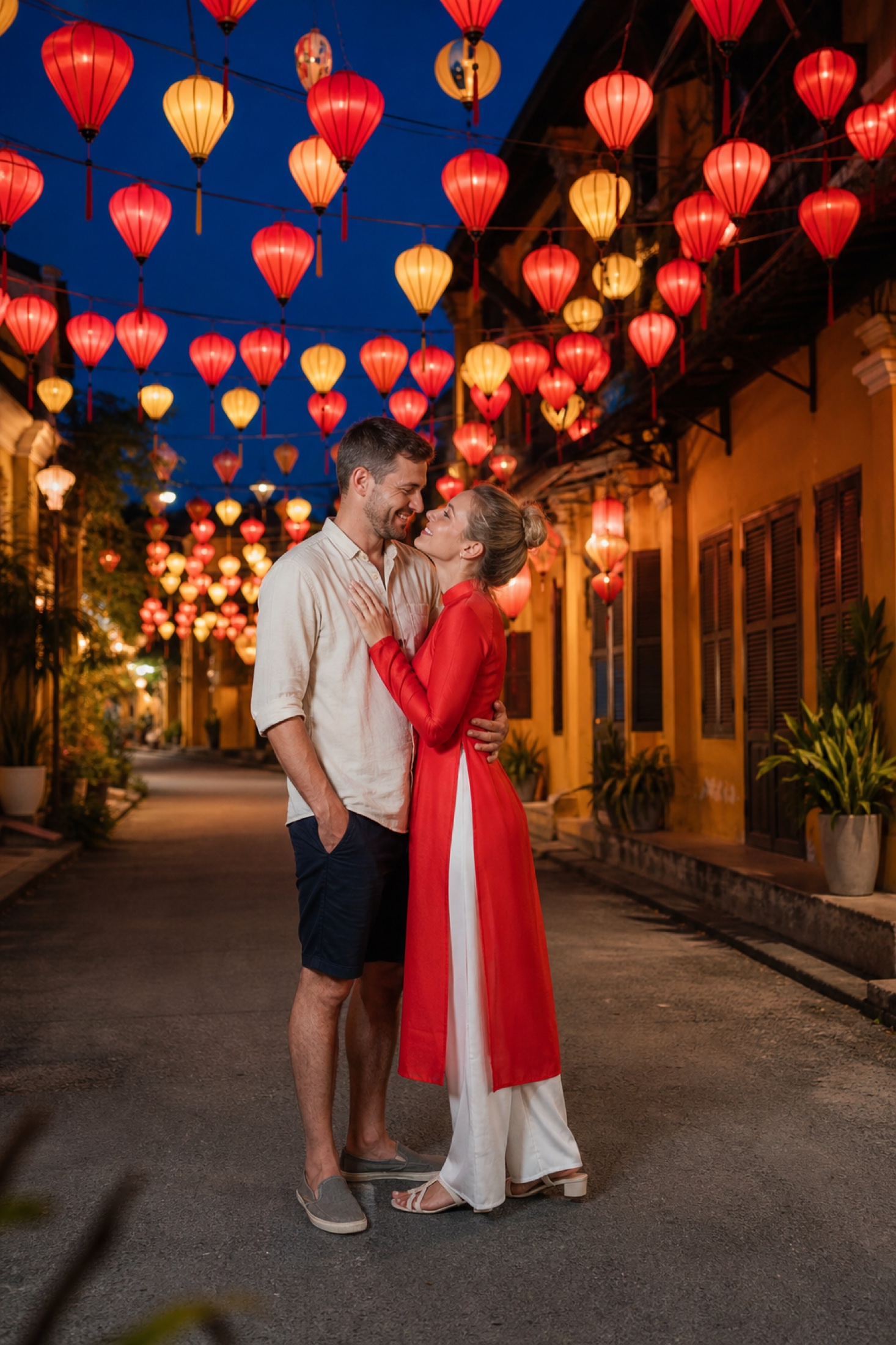
Our special concept shoot packages include location scouting, prop coordination, and styling consultation. If you're celebrating a couple's milestone or family reunion in Hanoi, couple and family photoshoot options add depth to period narratives. For travelers with limited time, we also offer vacation and solo photoshoots that blend vintage Hanoi with personal portrait work.
See packages and prices on vietnamphotoshoot.com
FAQ
Can we shoot in an apartment that isn't a public café?
Yes. We secure location releases from residents (takes 48 hours); you'll sign a model release too. Apartment shoots cost the same but require earlier coordination because access is limited.
What happens if it rains on shoot day?
We have backup indoor locations (covered markets, shop-house interiors, studio backdrops). Shoot continues unless conditions are unsafe. We reschedule only if both you and we agree it's necessary.
Do we need to hire professional stylists, or can we DIY wardrobe?
DIY works if you follow our visual guides. Many guests wear existing áo dài or vintage clothing. Our stylists (add-on service) help if you're uncertain or want period-perfect coordination.
Can we bring our own props or vintage objects?
Yes, with conditions: items must be portable, insured, and not fragile. We transport them in padded cases. Declare them to our team 1 week before the shoot.
How many outfits and locations should we plan?
2–3 outfits and 2–3 locations is standard for a 2.5–3 hour session. Each outfit takes 15–20 min to change; each location 45–60 min to shoot. More changes = longer session = separate quote.
When do we see photos, and can we request edits?
Proofs arrive online within 5–7 business days. You can request crops, color adjustments, or light retouches at no extra cost. Full retouching (background removal, cloning) is quoted separately.
Do we need a signed release form for public locations?
Yes, if shooting outside private cafés (public streets, parks). Our team provides the form; you sign before we start. This protects your privacy and ours.
Special Concept Shoot
Inclusions, prices and booking are on our booking site.
FAQ
Can we shoot in an apartment that isn't a public café?
Yes. We secure location releases from residents (takes 48 hours); you'll sign a model release too. Apartment shoots cost the same but require earlier coordination because access is limited.
What happens if it rains on shoot day?
We have backup indoor locations (covered markets, shop-house interiors, studio backdrops). Shoot continues unless conditions are unsafe. We reschedule only if both you and we agree it's necessary.
Do we need to hire professional stylists, or can we DIY wardrobe?
DIY works if you follow our visual guides. Many guests wear existing áo dài or vintage clothing. Our stylists (add-on service) help if you're uncertain or want period-perfect coordination.
Can we bring our own props or vintage objects?
Yes, with conditions: items must be portable, insured, and not fragile. We transport them in padded cases. Declare them to our team 1 week before the shoot.
How many outfits and locations should we plan?
2–3 outfits and 2–3 locations is standard for a 2.5–3 hour session. Each outfit takes 15–20 min to change; each location 45–60 min to shoot. More changes = longer session = separate quote.
When do we see photos, and can we request edits?
Proofs arrive online within 5–7 business days. You can request crops, color adjustments, or light retouches at no extra cost. Full retouching (background removal, cloning) is quoted separately.
Do we need a signed release form for public locations?
Yes, if shooting outside private cafés (public streets, parks). Our team provides the form; you sign before we start. This protects your privacy and ours.
More from the team
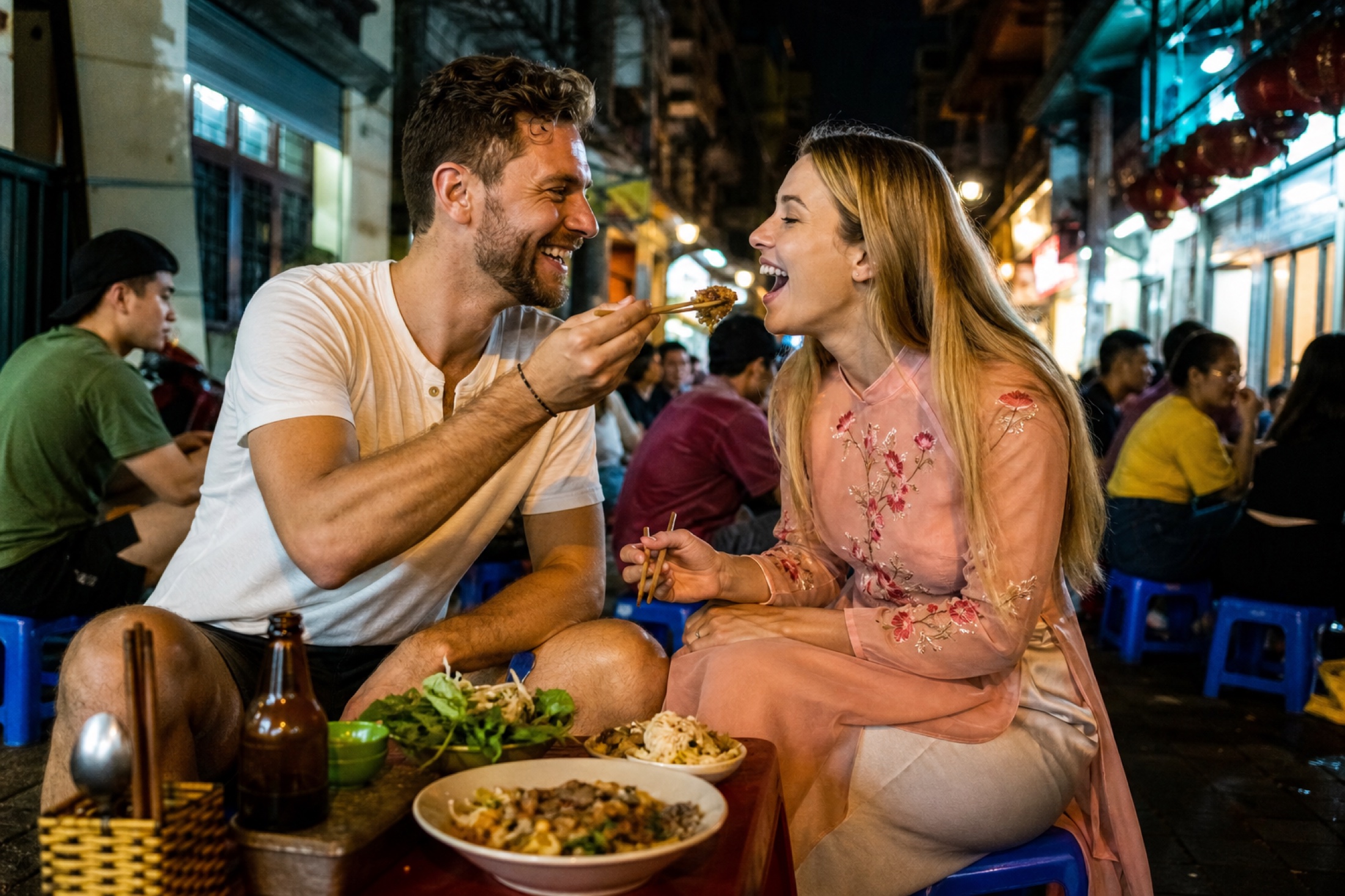
Cosplay and Themed Photoshoots in Vietnam: What We Can Build
Themed and cosplay photoshoots demand skill, location scouting, and clear expectations. We walk through what works in Vietnam, what doesn't, and how to plan yours.
Studio concept shoots in Hanoi: lighting setups our photographers use
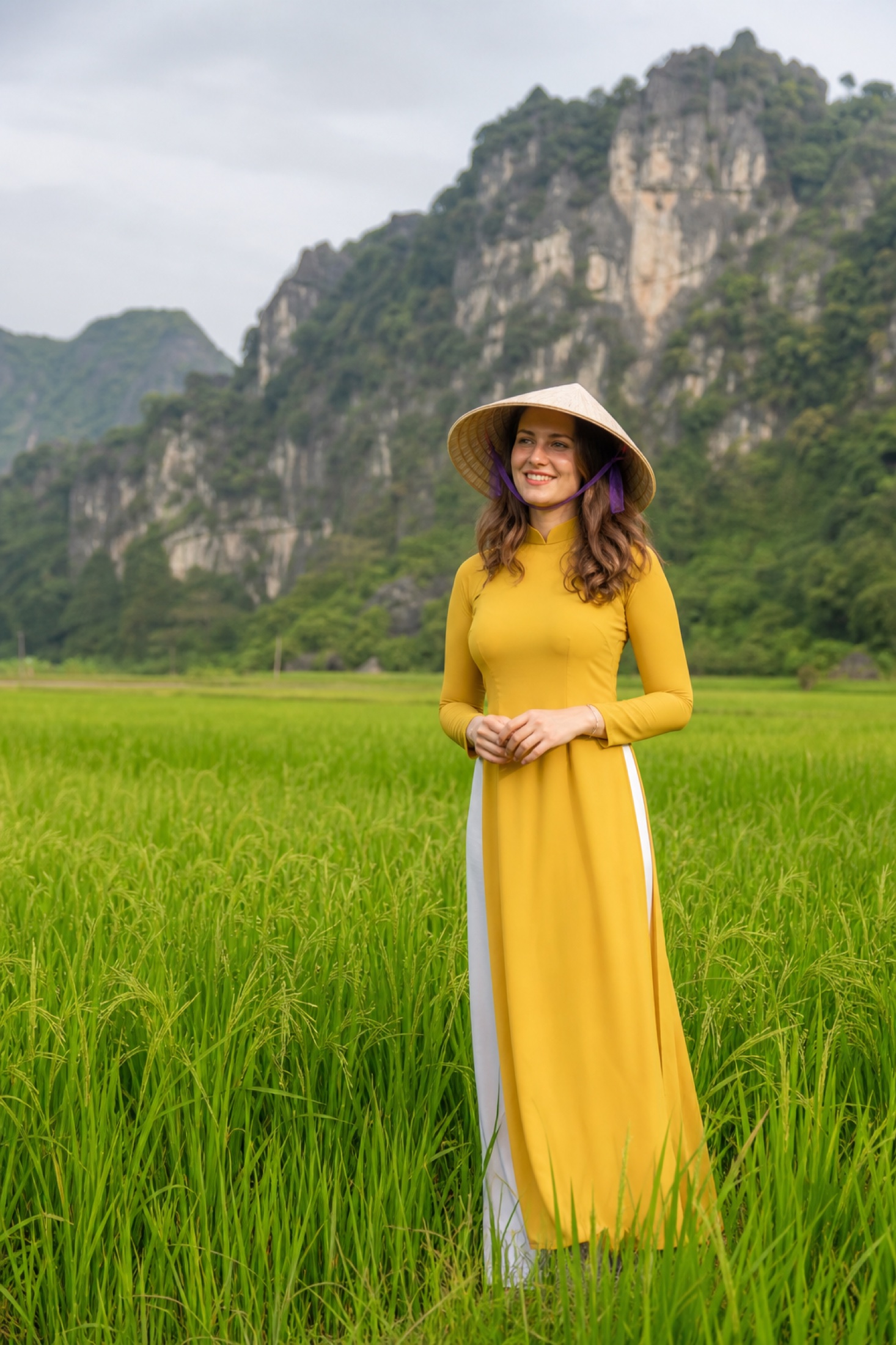
Concept shoots in Hanoi demand precision lighting. We walk through the five setups our photographers rely on, what works where, and how to avoid flat or blown-out frames.
Vespa and ao dai: the Saigon concept shoot explained
A Vespa and ao dai concept shoot is a Saigon-specific photoshoot that blends vintage Italian scooters with Vietnamese traditional dress. We'll walk you through the shoot hour by hour, what the location scout finds, and how to prepare.